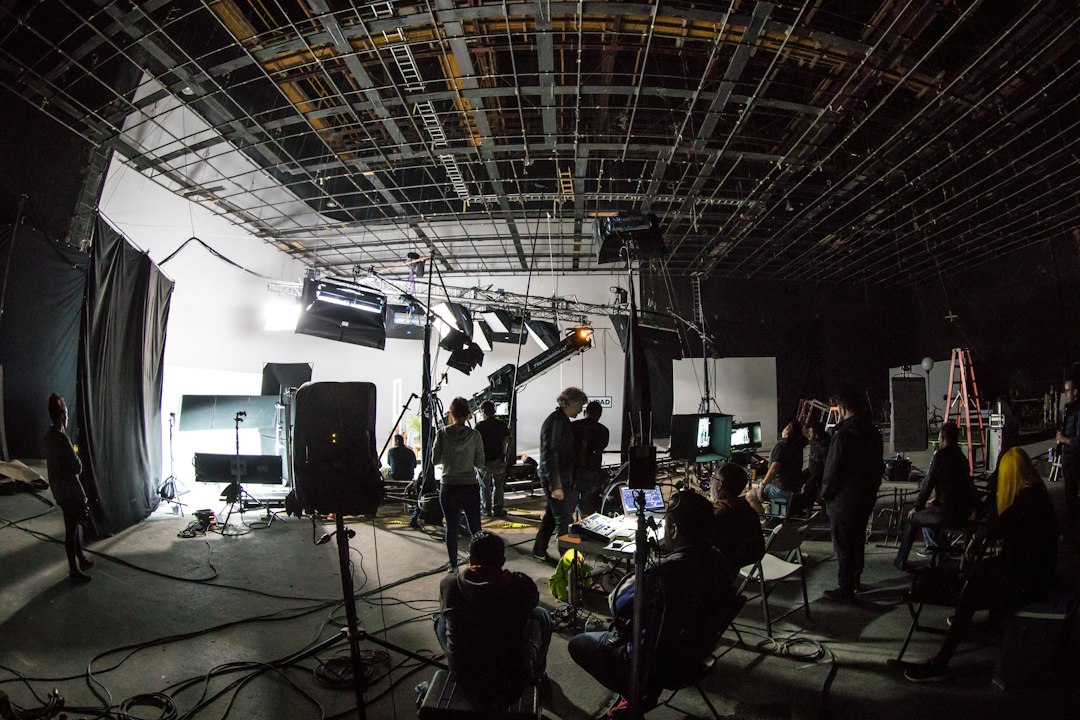
Pre-Lighting: Why Film Sets Light the Scene Before Actors Arrive
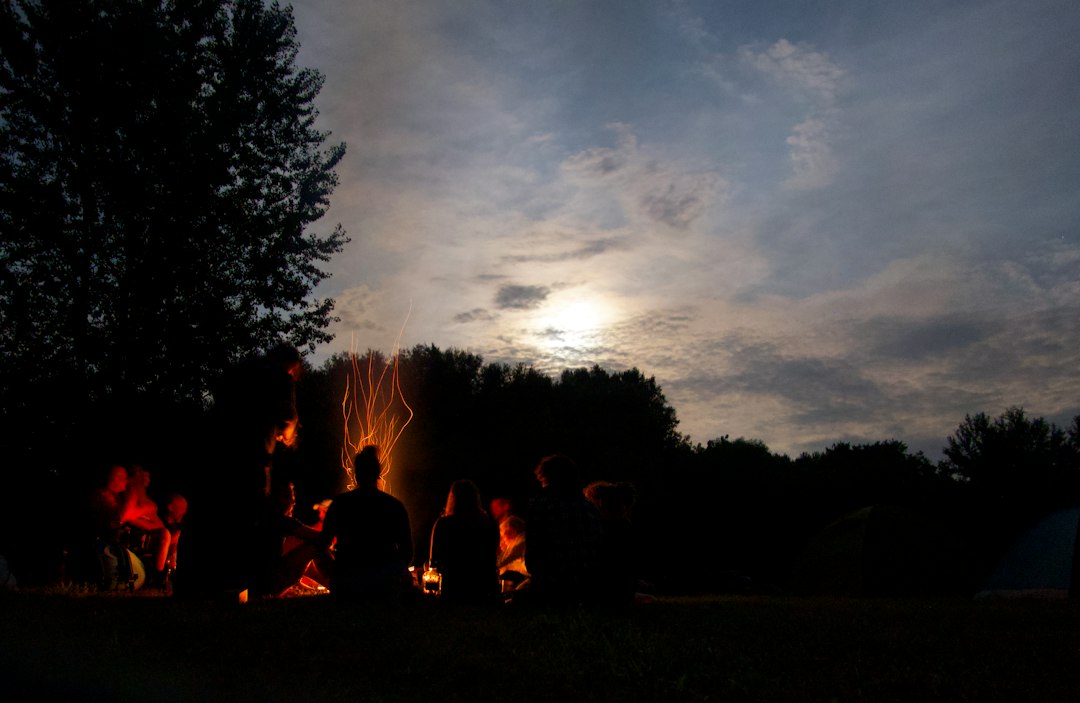
Why Movie Campfires Stay Perfectly Lit
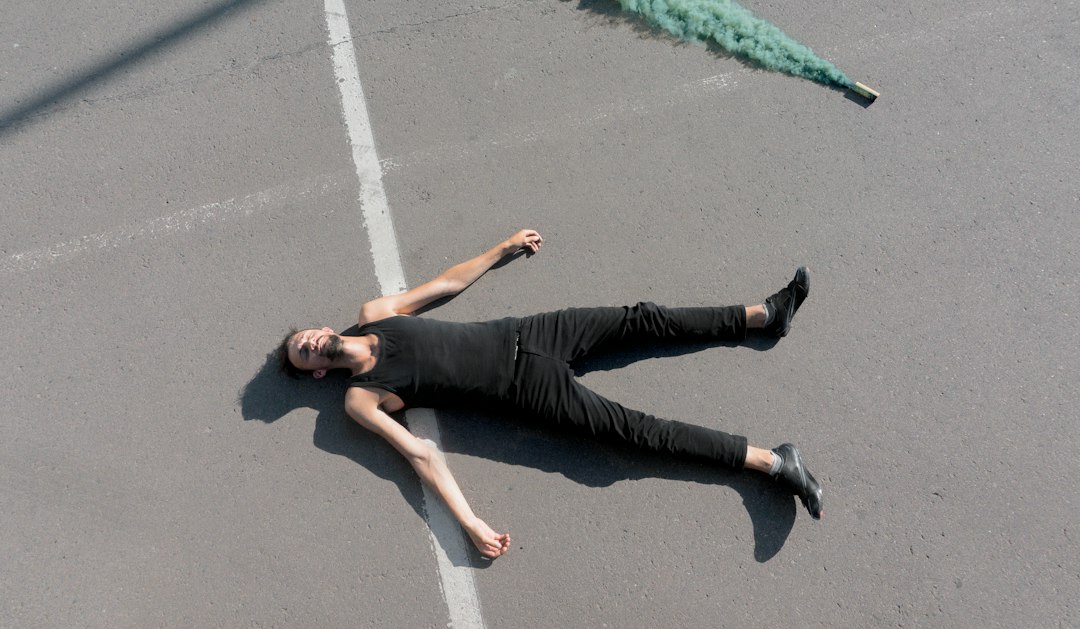
Why Movie Corpses Never Blink
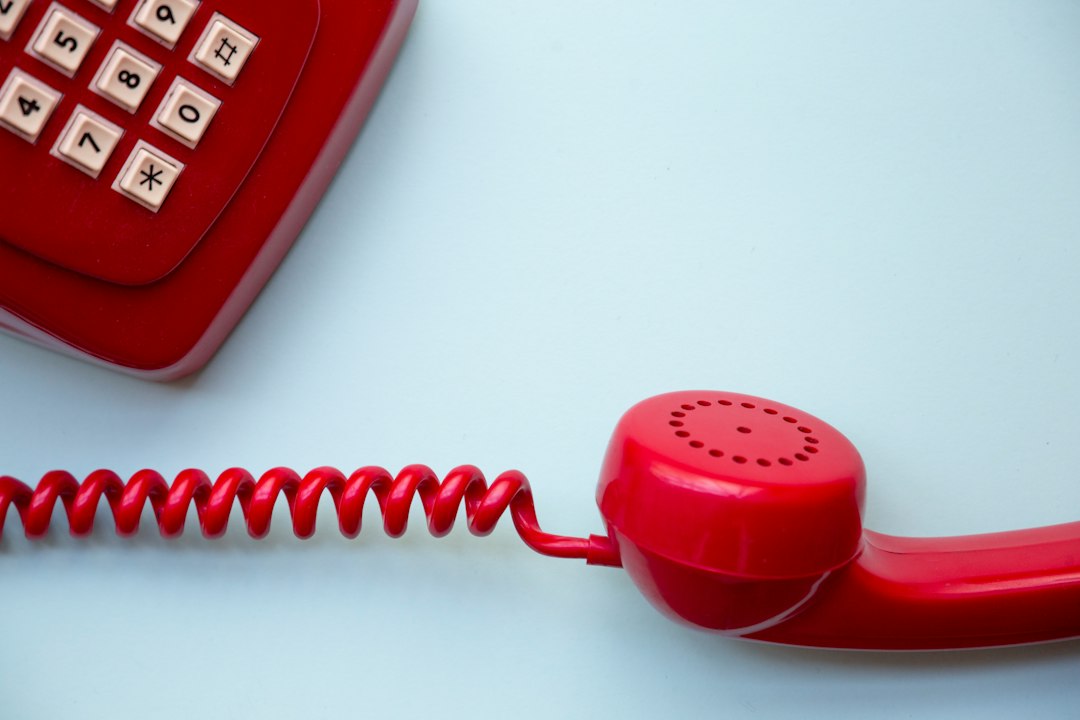
Why Movie Phones Never Ring More Than Twice
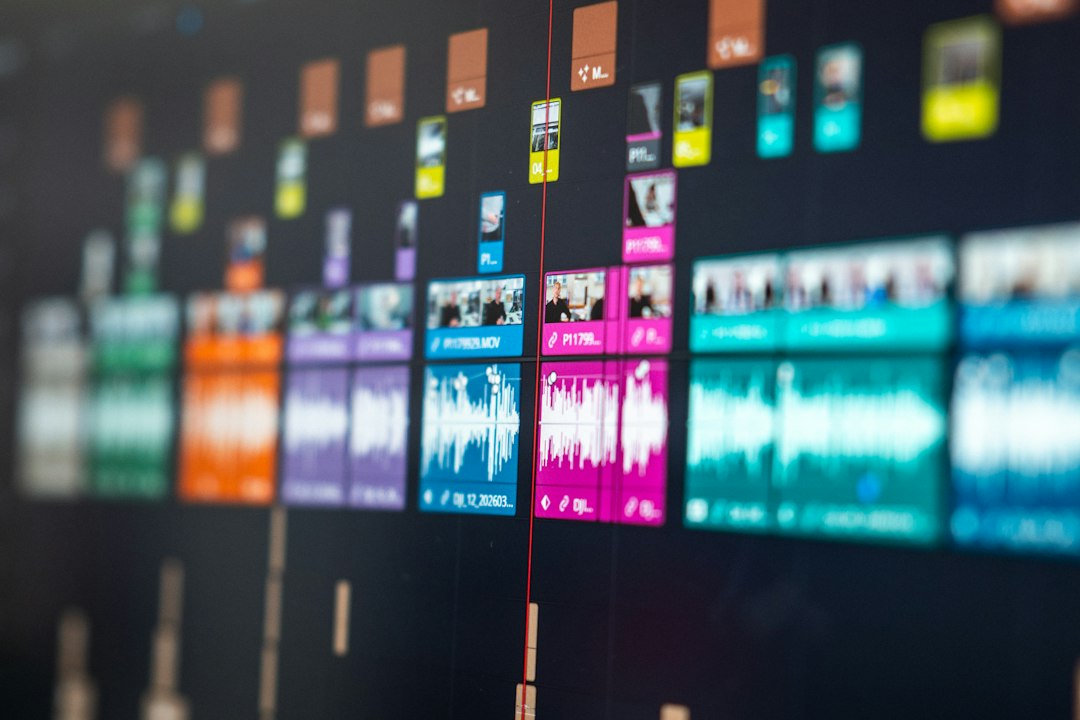
Pre-Lapping Audio: The Sound You Hear Before the Scene Changes
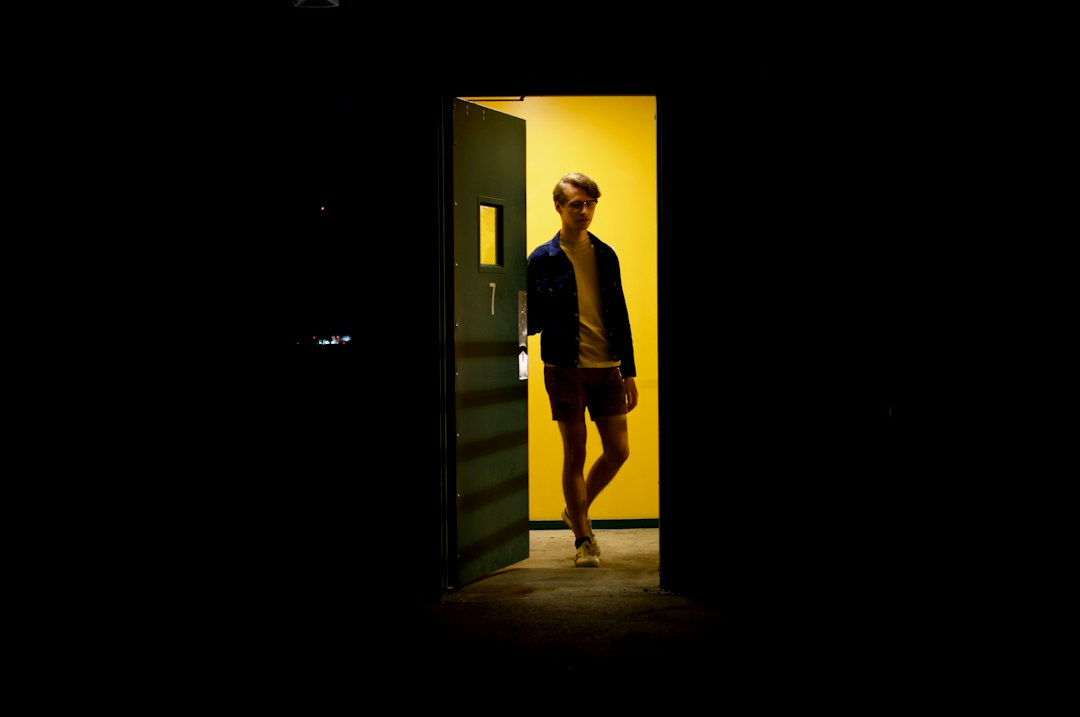
Exit Left, Enter Right: Screen Direction Between Scenes
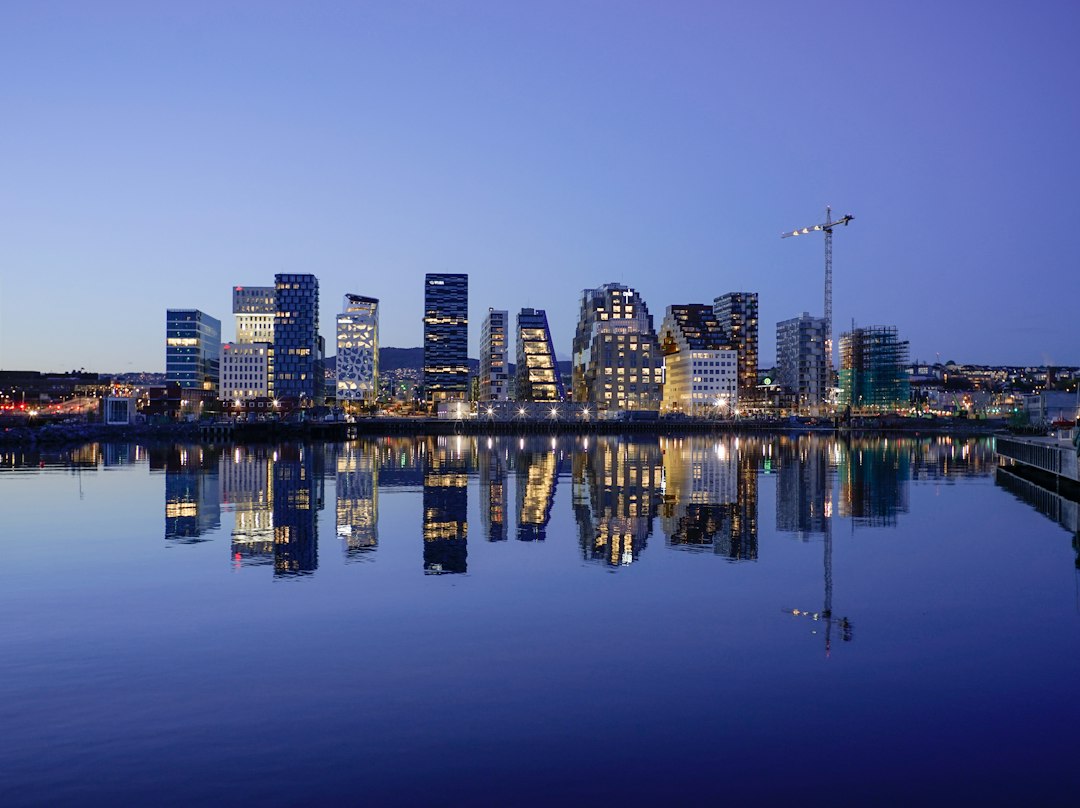
Blue Hour: The Other Magic Hour Cinematographers Chase
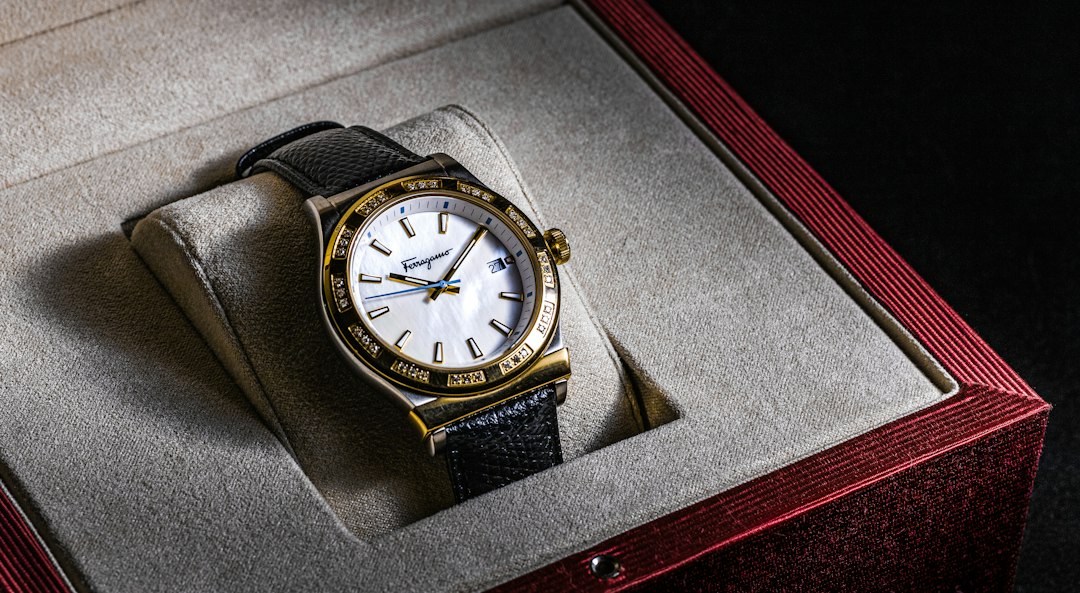
Why Movie Watches Always Show the Wrong Time
Why Movie Interrogation Rooms Have Two-Way Mirrors
Why Movie Warehouses Are Always Abandoned and Full of Barrels
Why Movie Snipers Always Rack the Bolt Before Shooting
Clean Single: Why Directors Shoot Characters Alone in Group Scenes
Why Movie Phones Never Show Real Brands
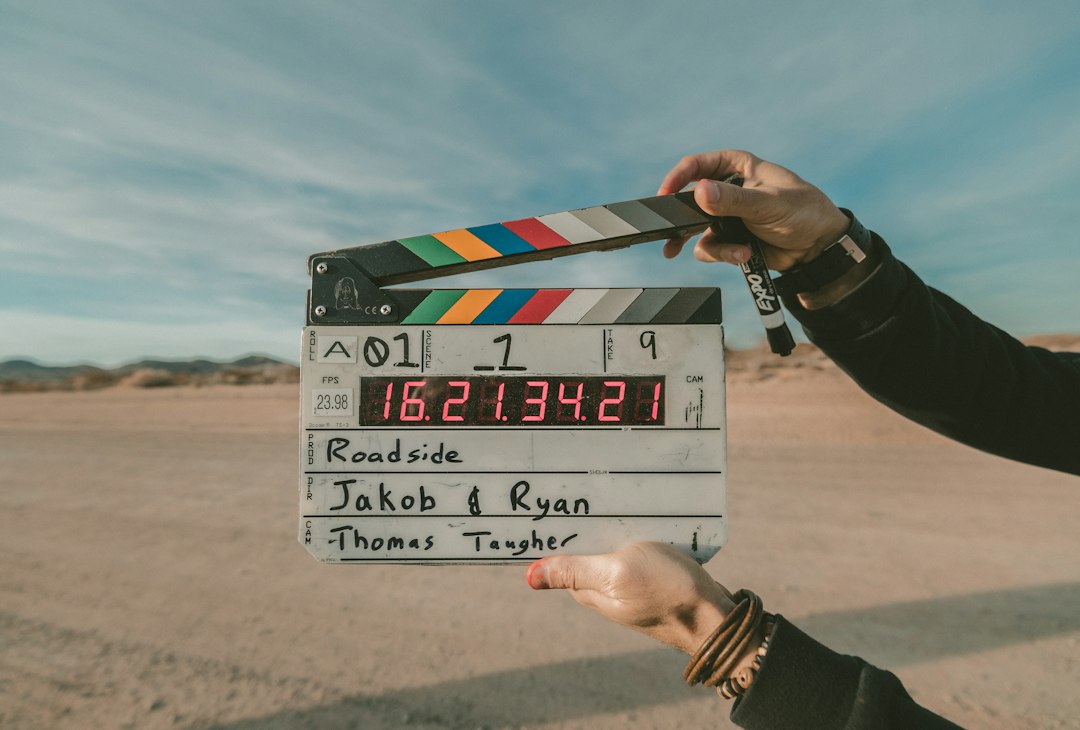
Why Characters Cross Behind Each Other Mid-Scene
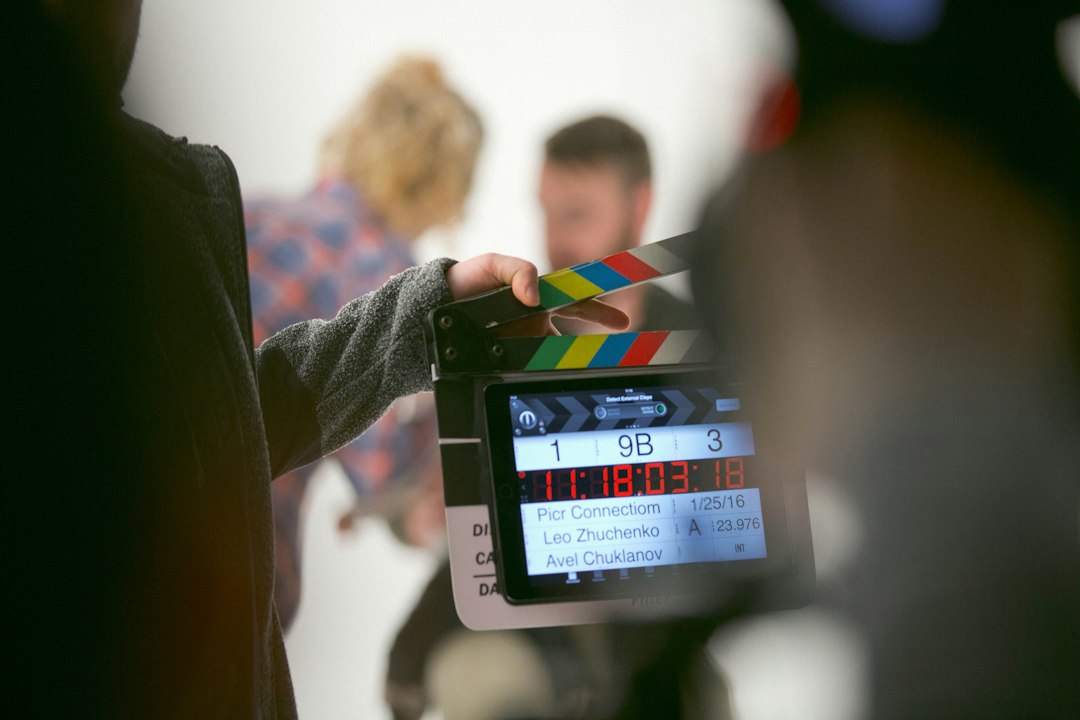
Why Movie Fights Stay Coherent: The Axis of Action

Why Movie Breakfast Scenes Always Show Untouched Food
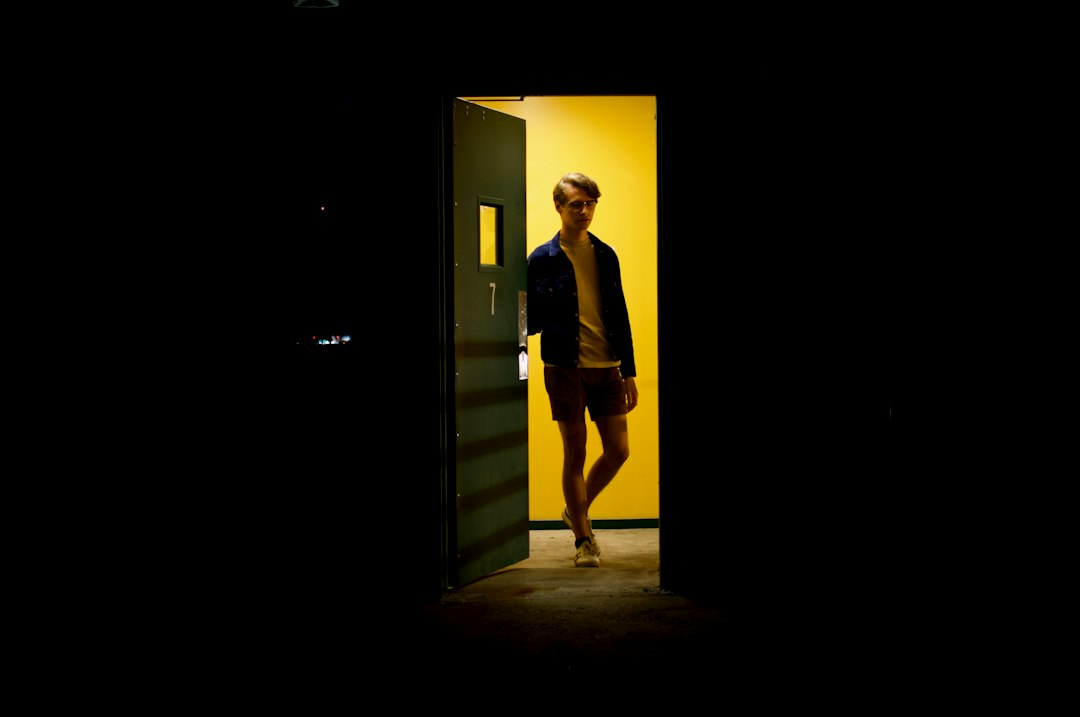
Why Movie Heroes Always Arrive Just in Time
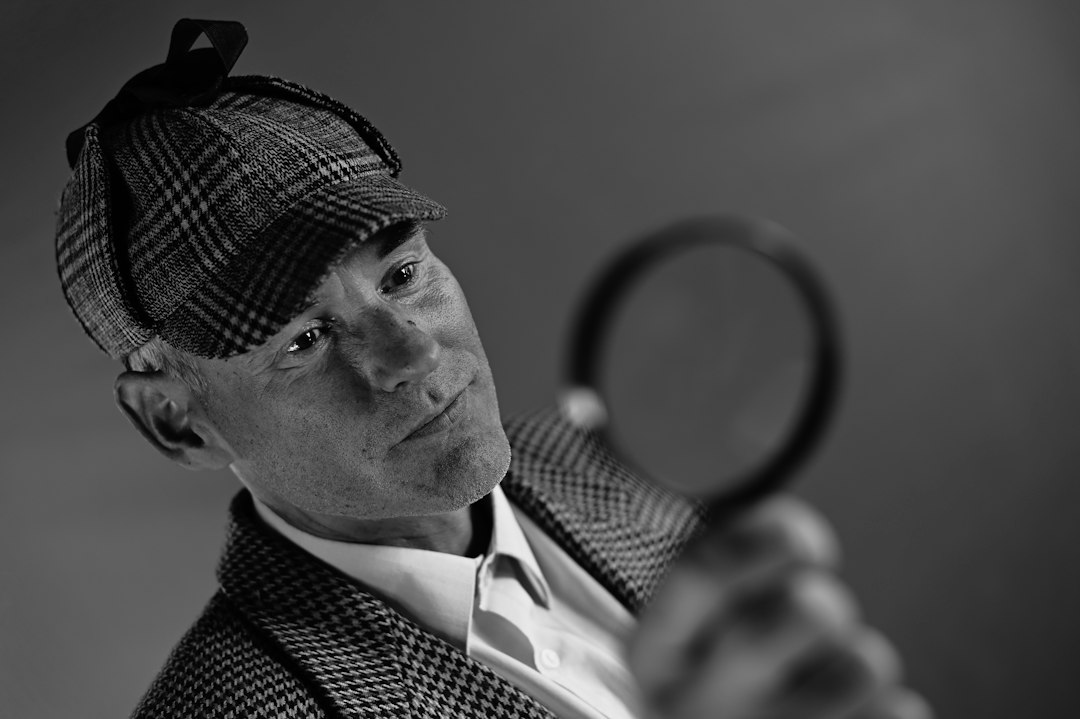
Why Movie Detectives Always Squint at Photographs
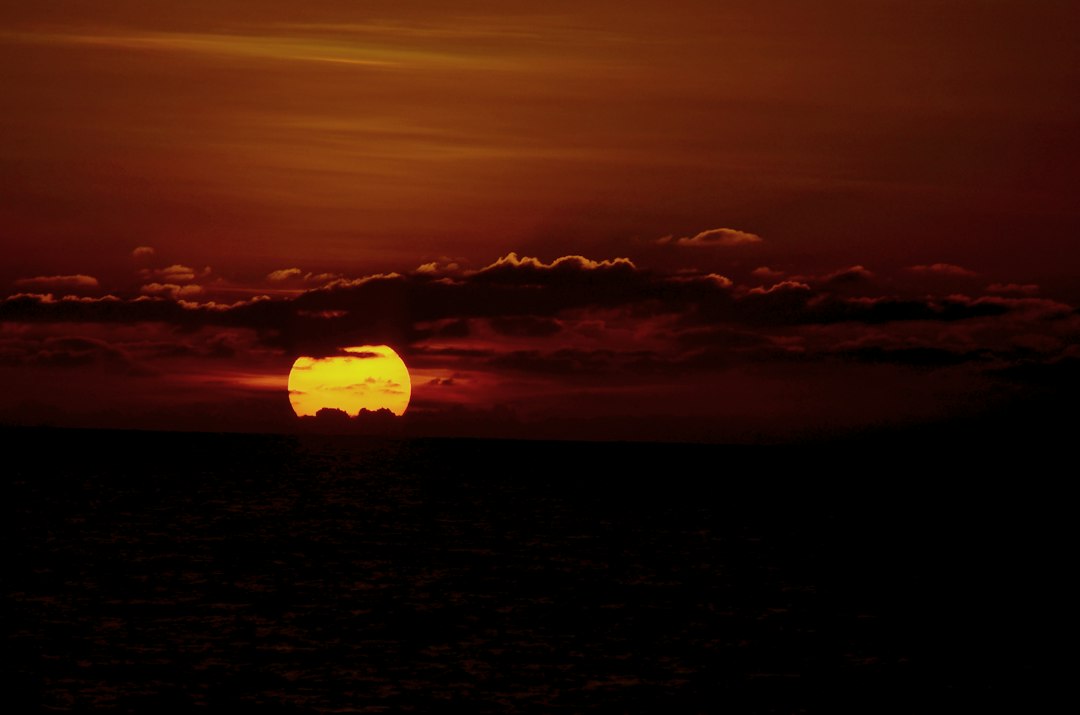
Why Movie Sunsets Always Look Perfect
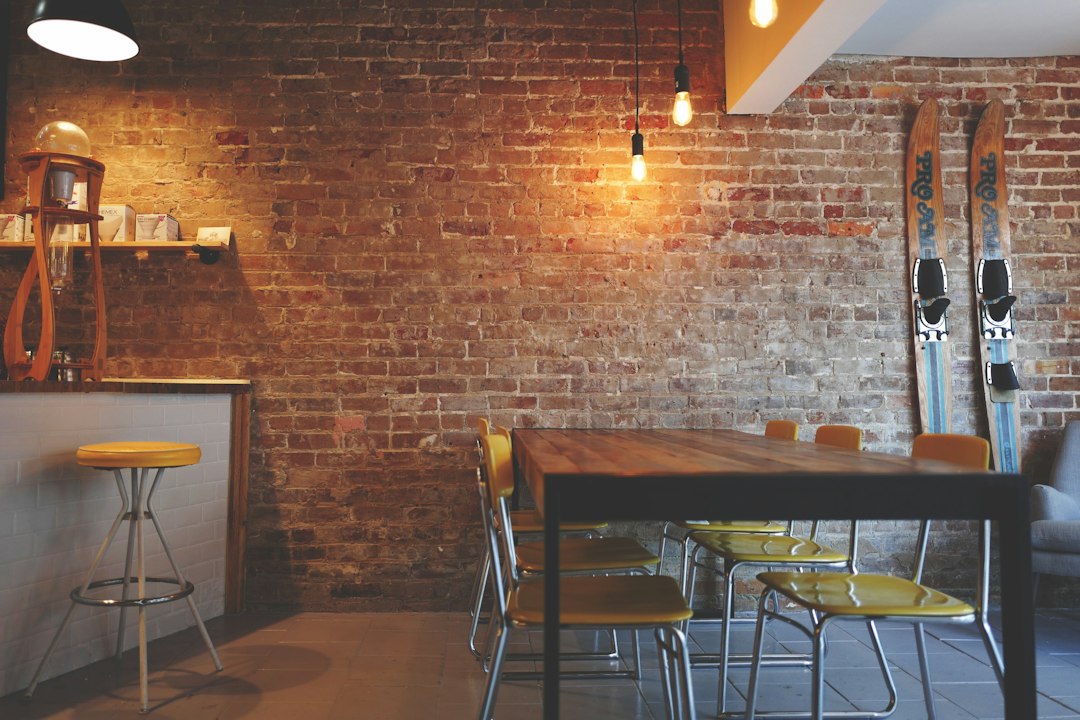
Why Movie Apartments Always Have Brick Walls
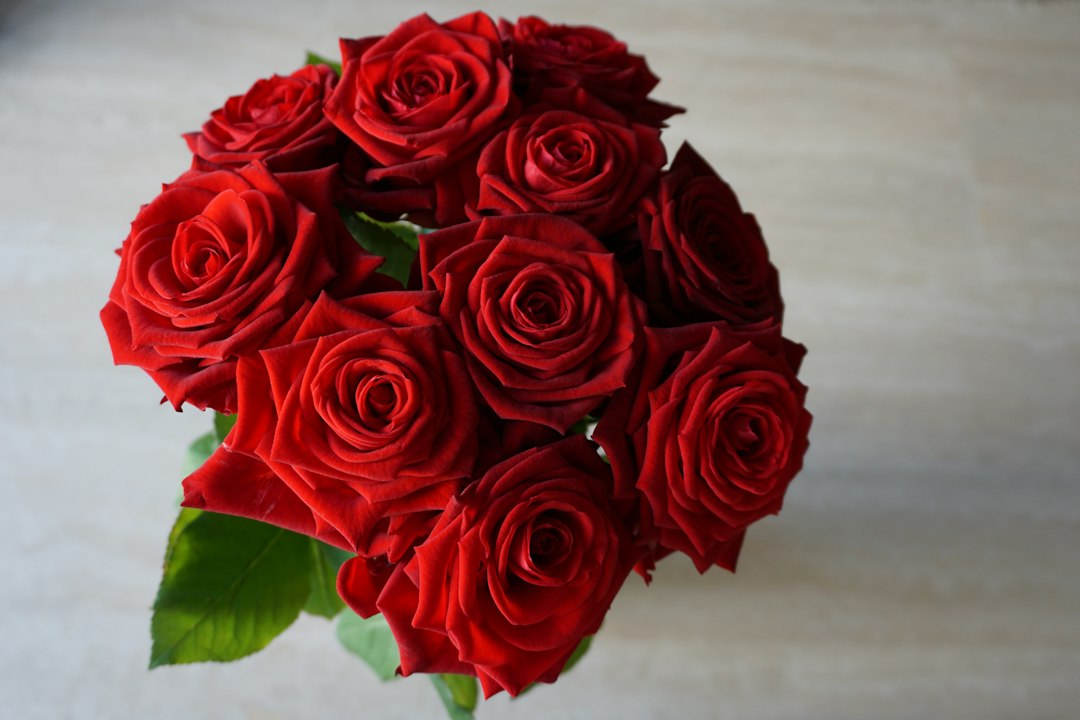
Why Movie Restaurants Always Have Single Red Roses on Tables
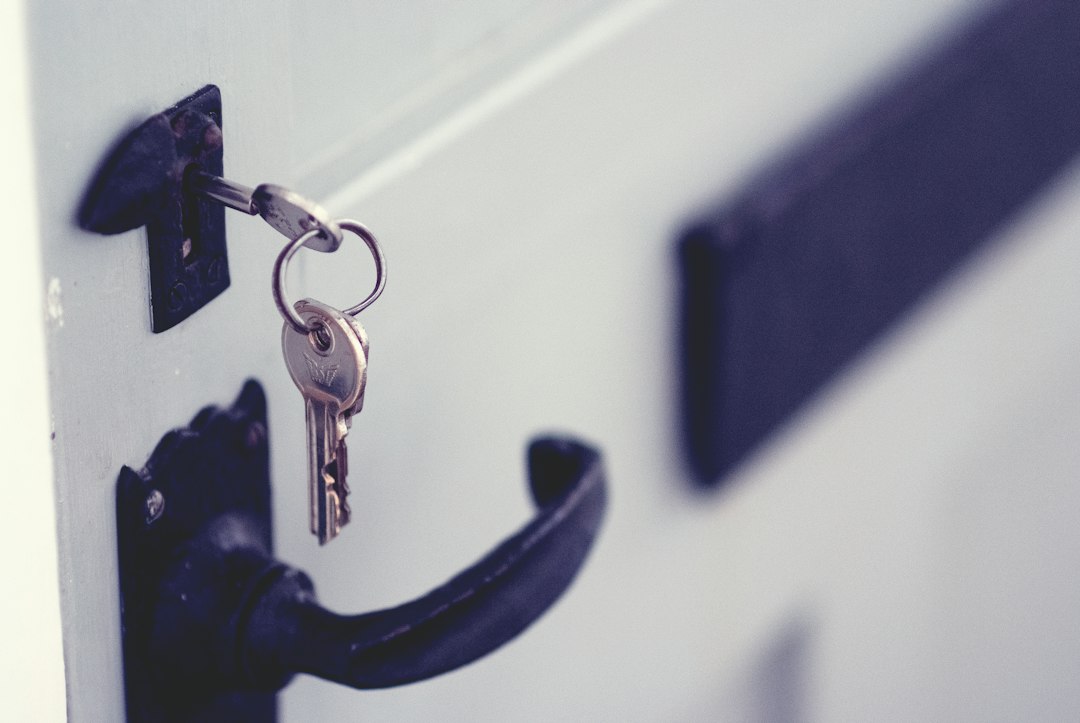
Why Movie Doors Never Have Locks That Work
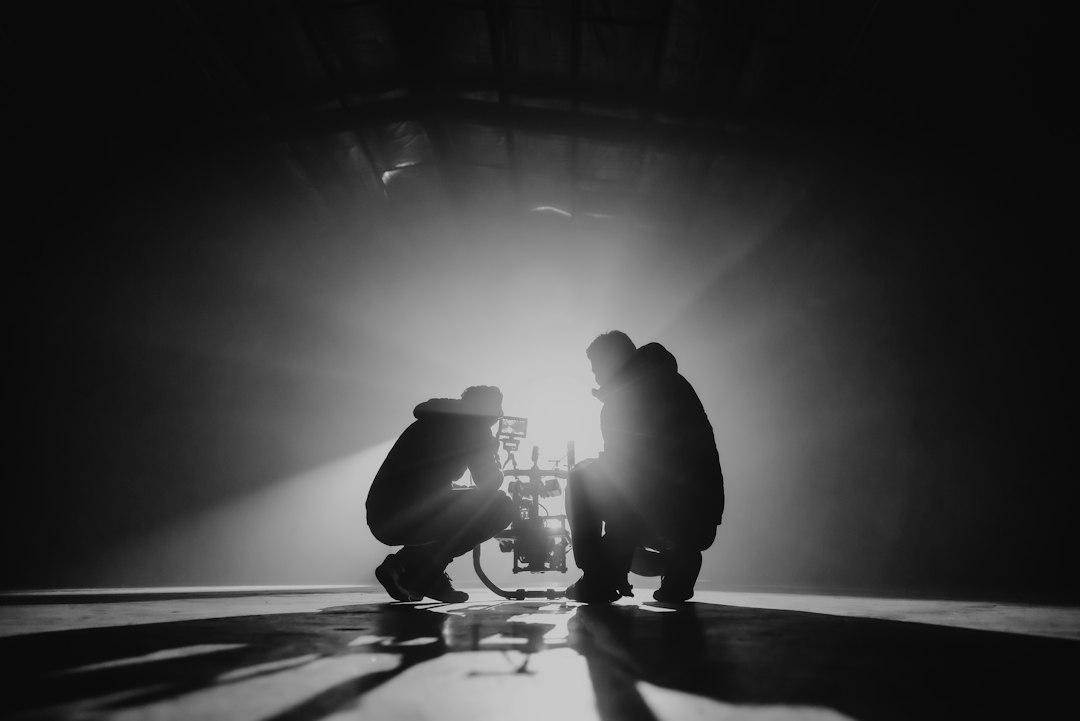
Shooting the Light: Why Cinematographers Frame the Source
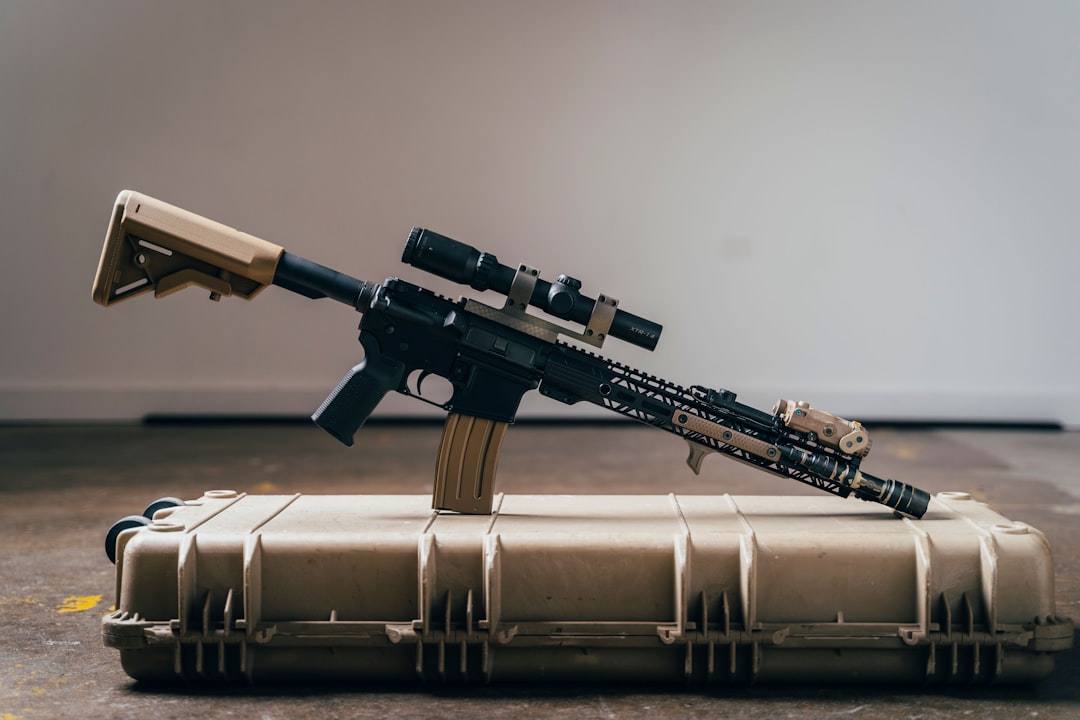
Why Movie Silencers Sound Like Whispers
Why Movie Storms Always Have Lightning Without Thunder
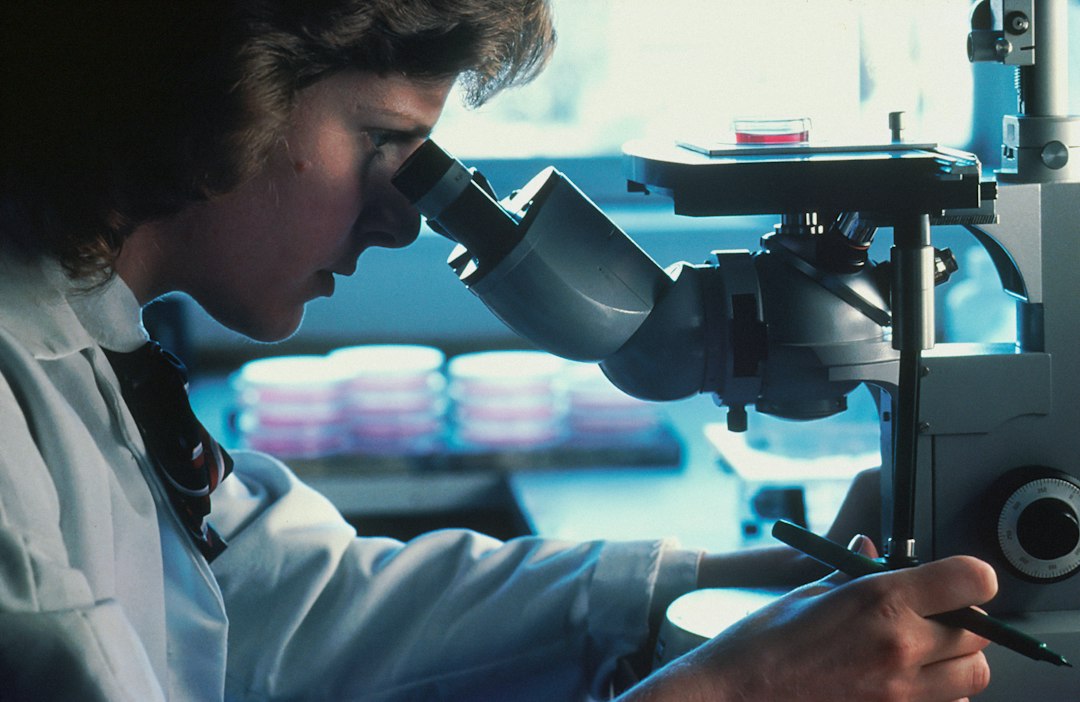
Why Movie Scientists Always Work Alone at Night
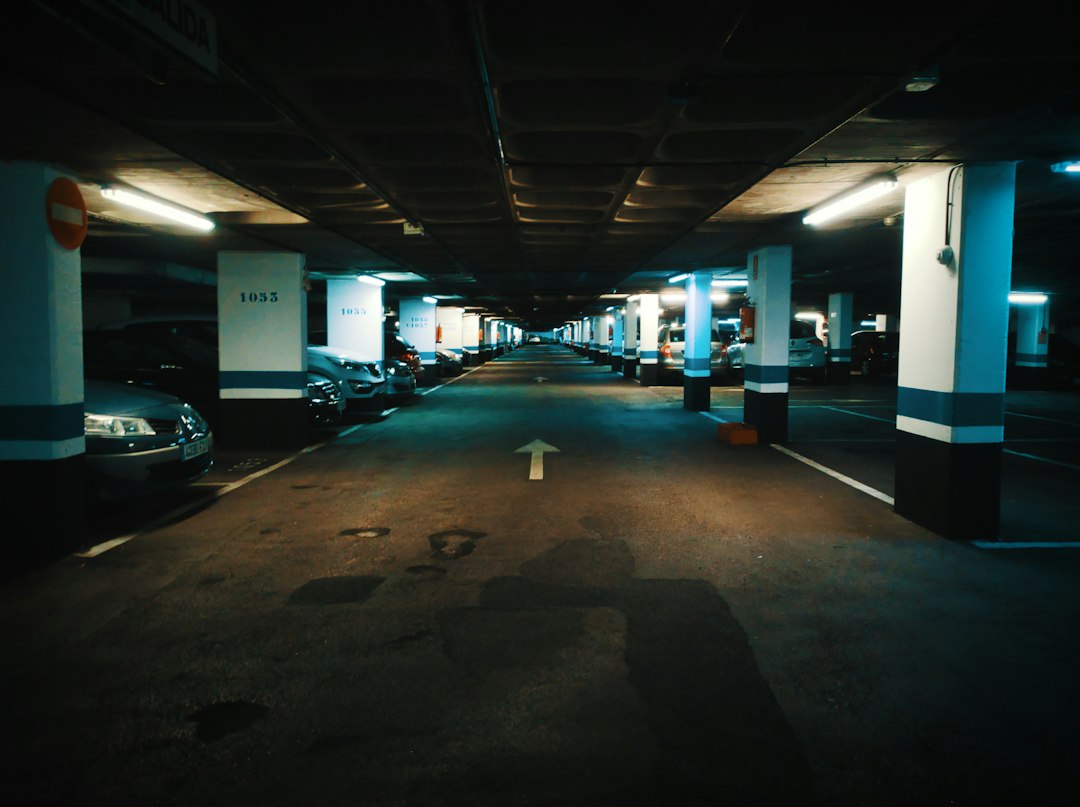
Why Movie Guns Sound Louder Indoors Than Outdoors

Why Movie Mirrors Never Fog Up in Bathroom Scenes
Why Movie Briefings Always Use Wall Projectors

Why Movie Restaurants Always Have White Tablecloths
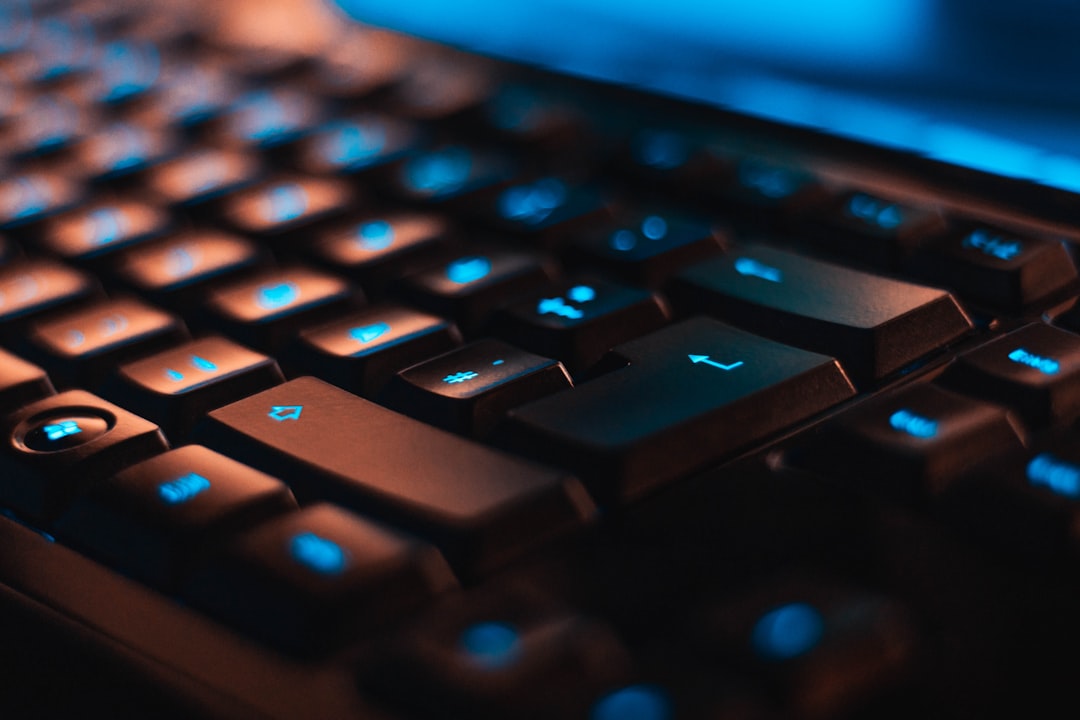
Why Movie Computers Beep With Every Keystroke
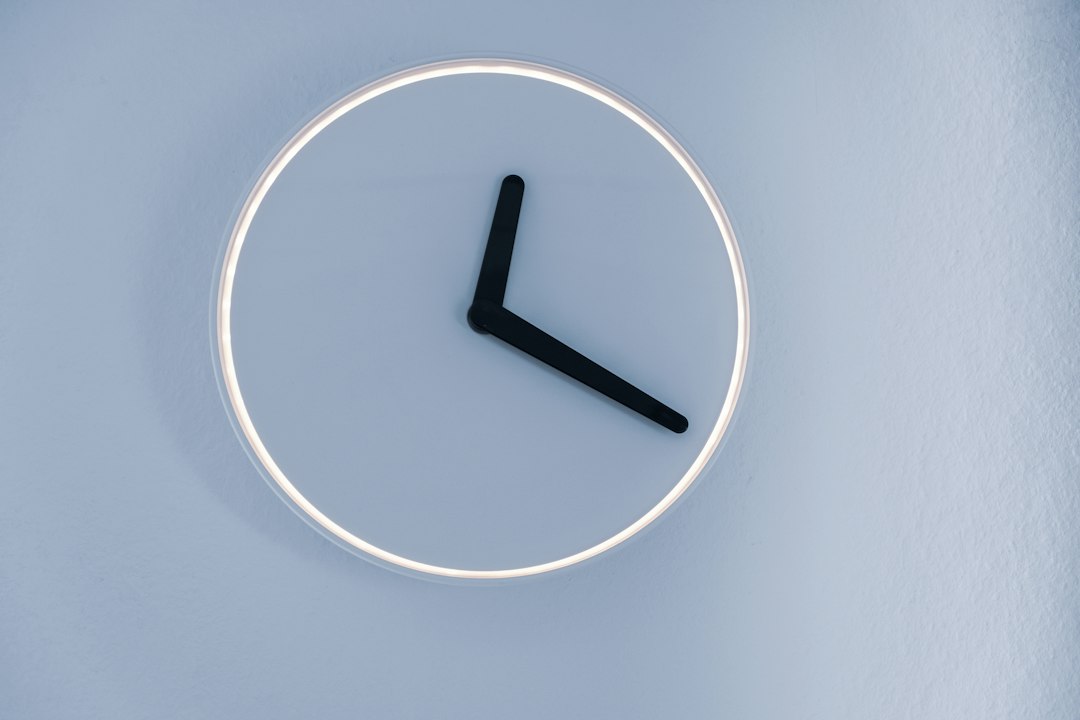
Why Movie Clocks Never Show the Real Time
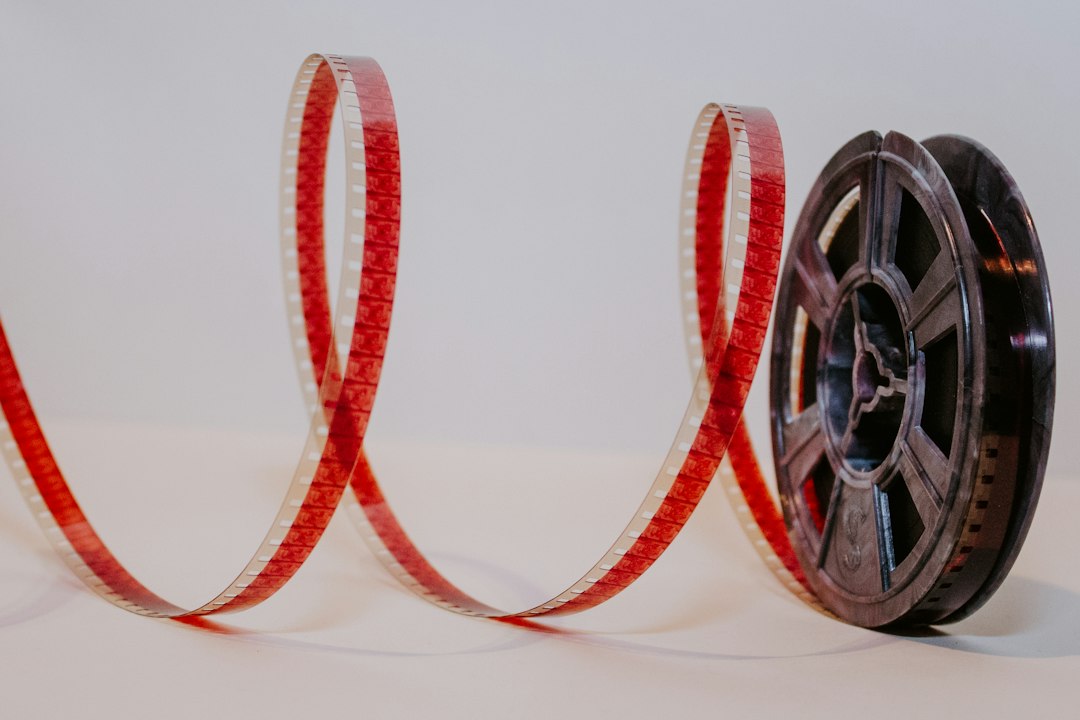
Why Movie Projectionists Thread Film by Hand
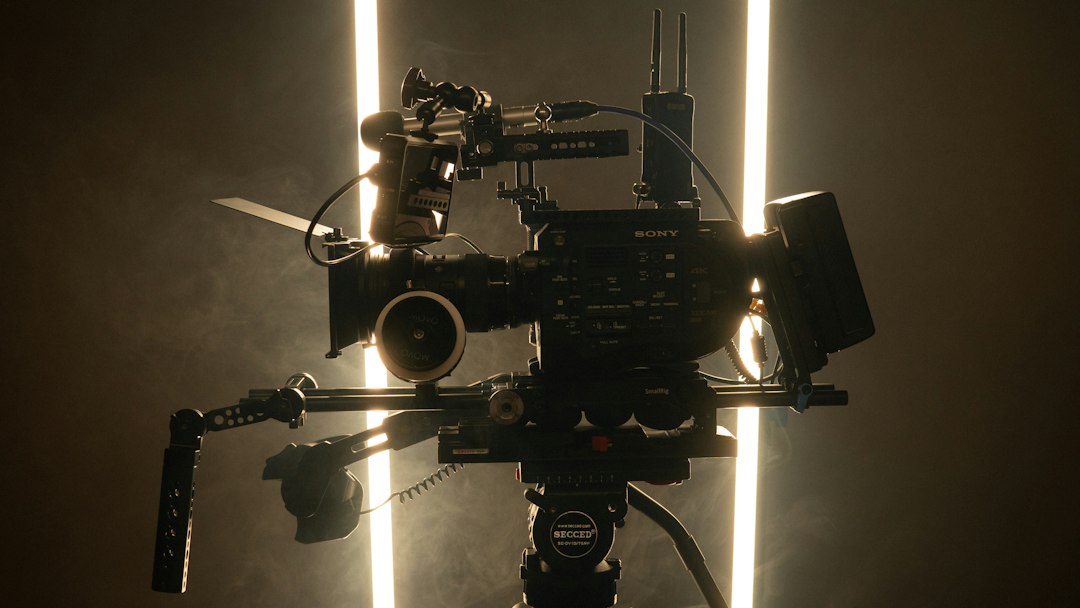
Push-In: The Camera Movement That Reveals What Matters
Why Movie Bartenders Always Polish Glasses
How Foley Artists Create Footsteps That Sound Like Character
Why Movie Diners Always Have Red Vinyl Booths
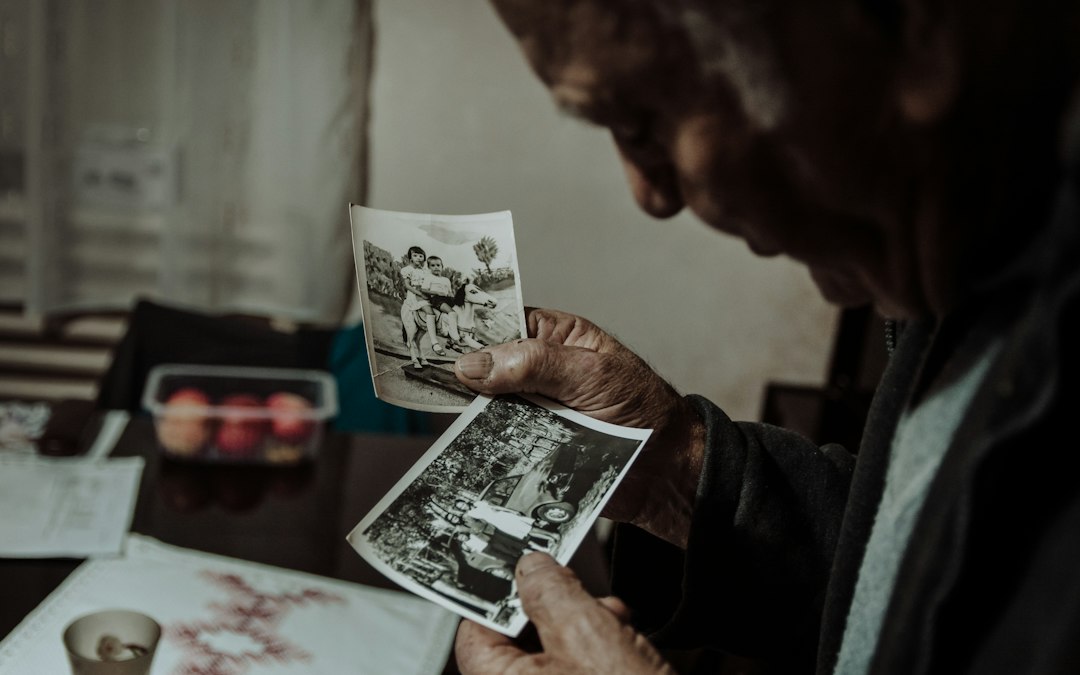
Why Movie Detectives Always Flip Through Photos Instead of Swiping
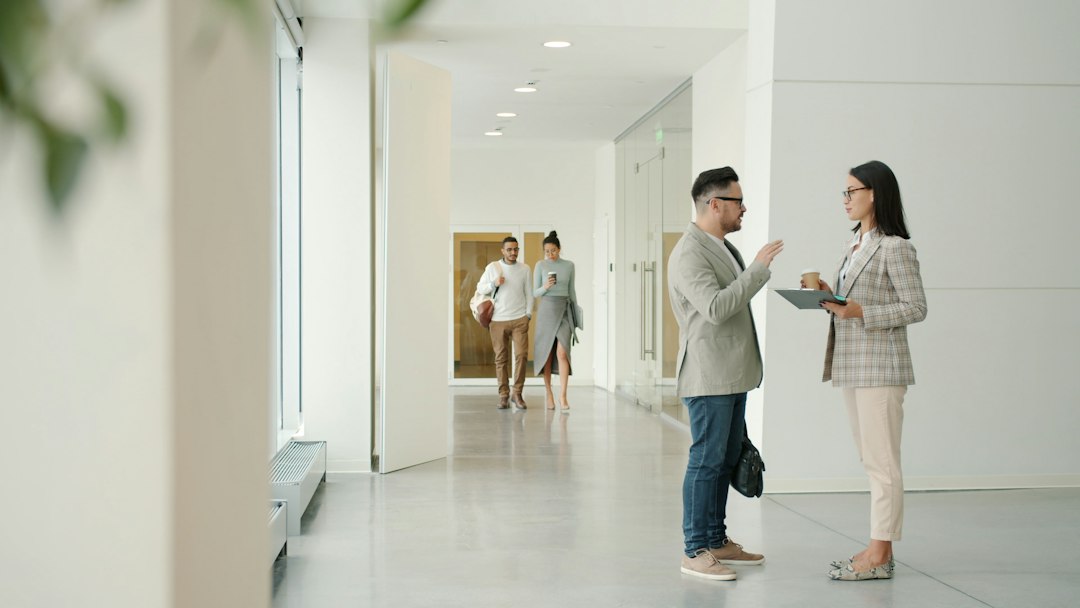
Why Movie Briefings Always Happen While Walking
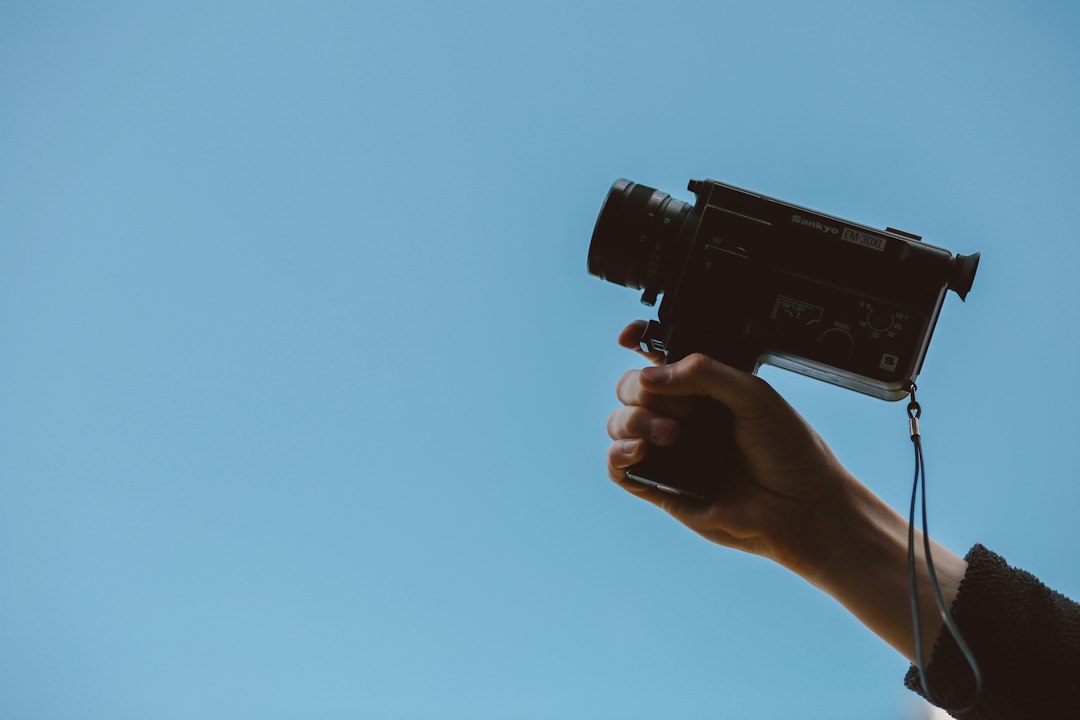
Why Movie Detectives Always Use Film Cameras

Why Movie Witnesses Always Sit Next to the Aisle
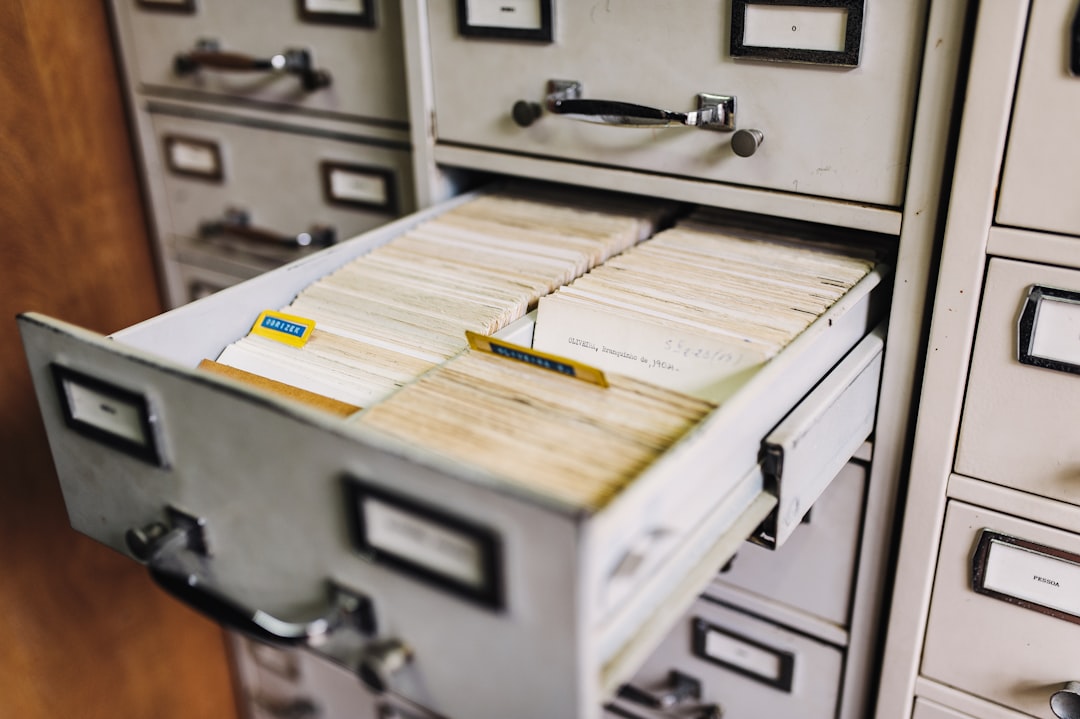
Why Movie Detectives Always Use Filing Cabinets Instead of Computers
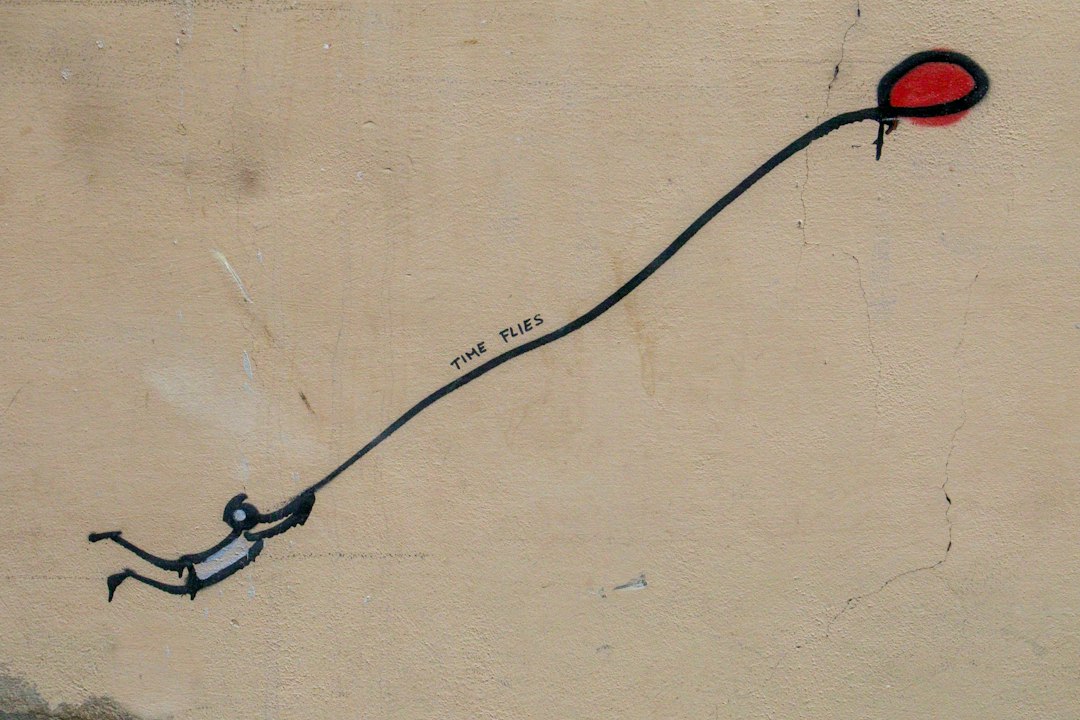
Why Movie Detectives Always Use Cork Boards and Red String
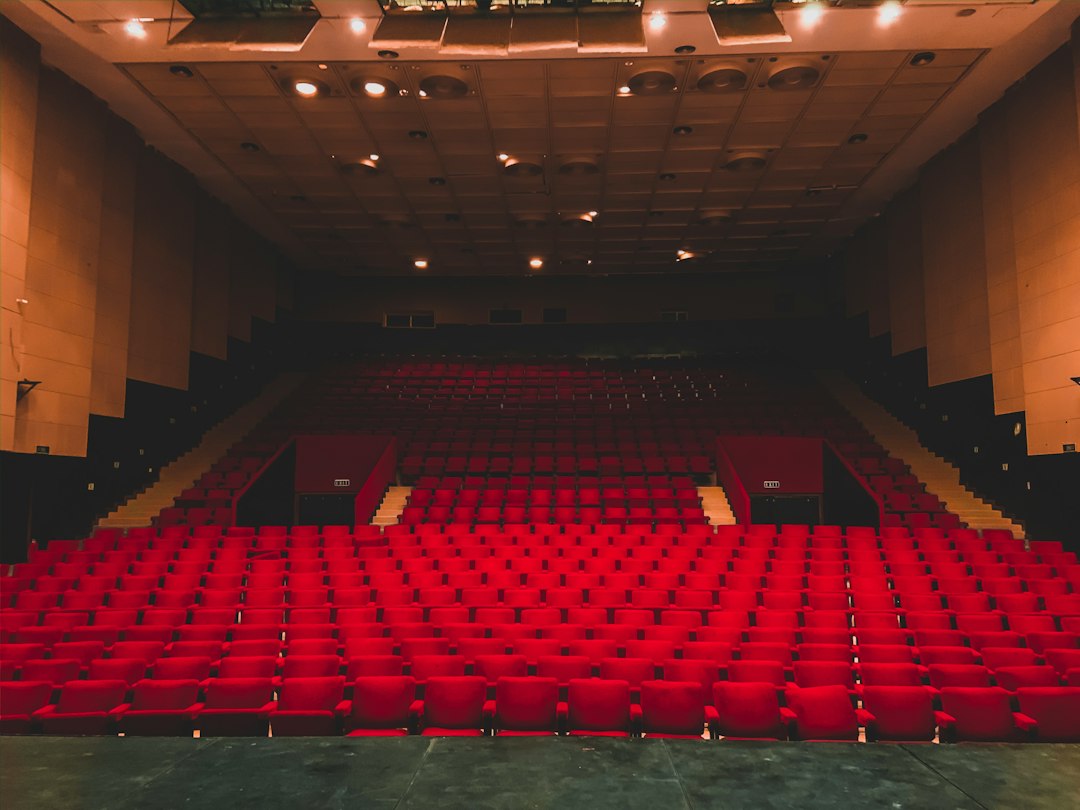
Why Movie Theaters Are Always Empty in Films

Why Movie Characters Never Stumble Over Their Words
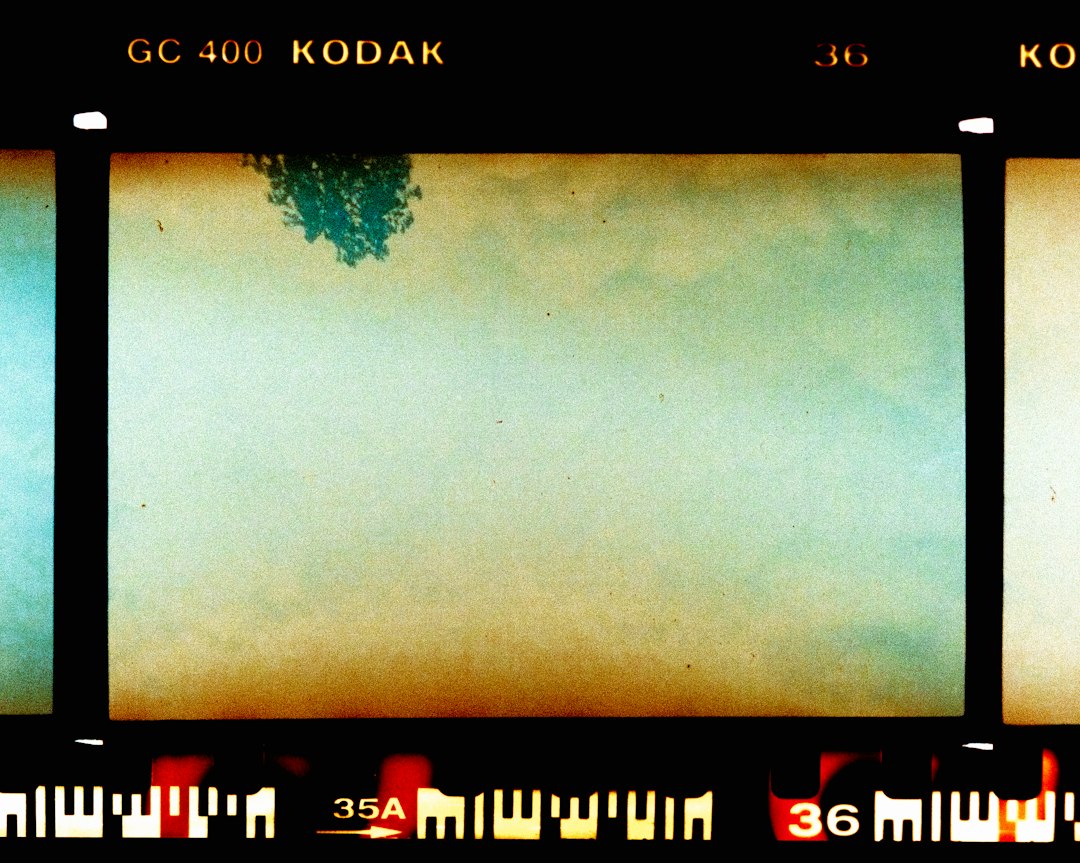
Why Movie Flashbacks Desaturate Color

Why Movie Bathrooms Are Always Spotless
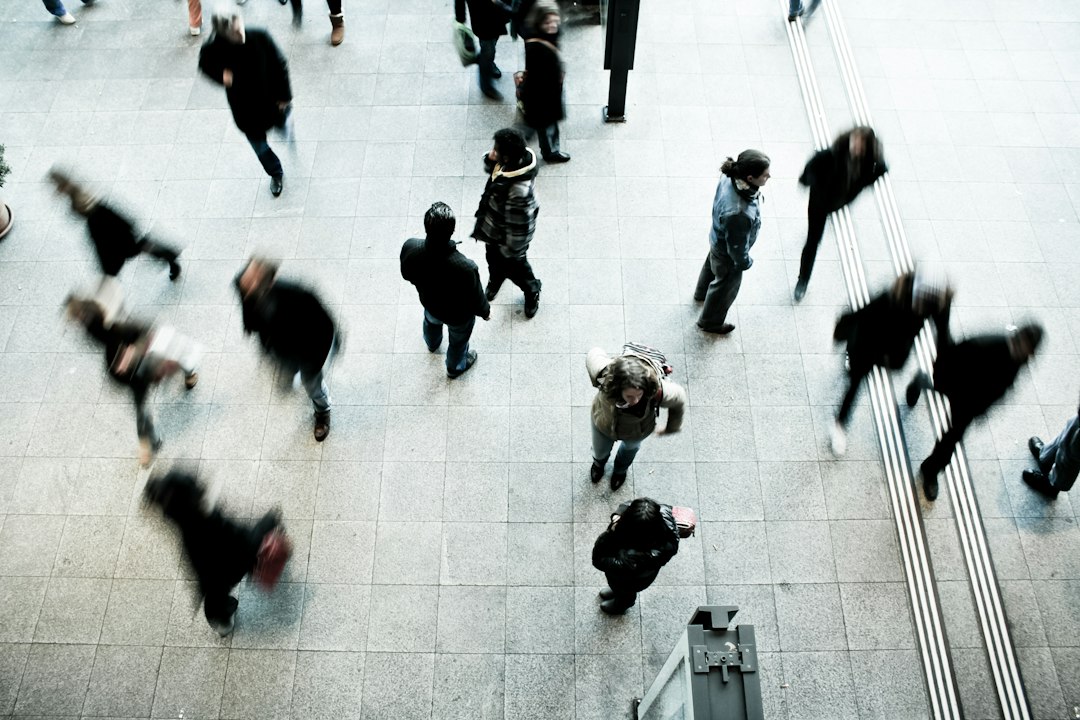
Why Movie Crowds Always Part for the Hero
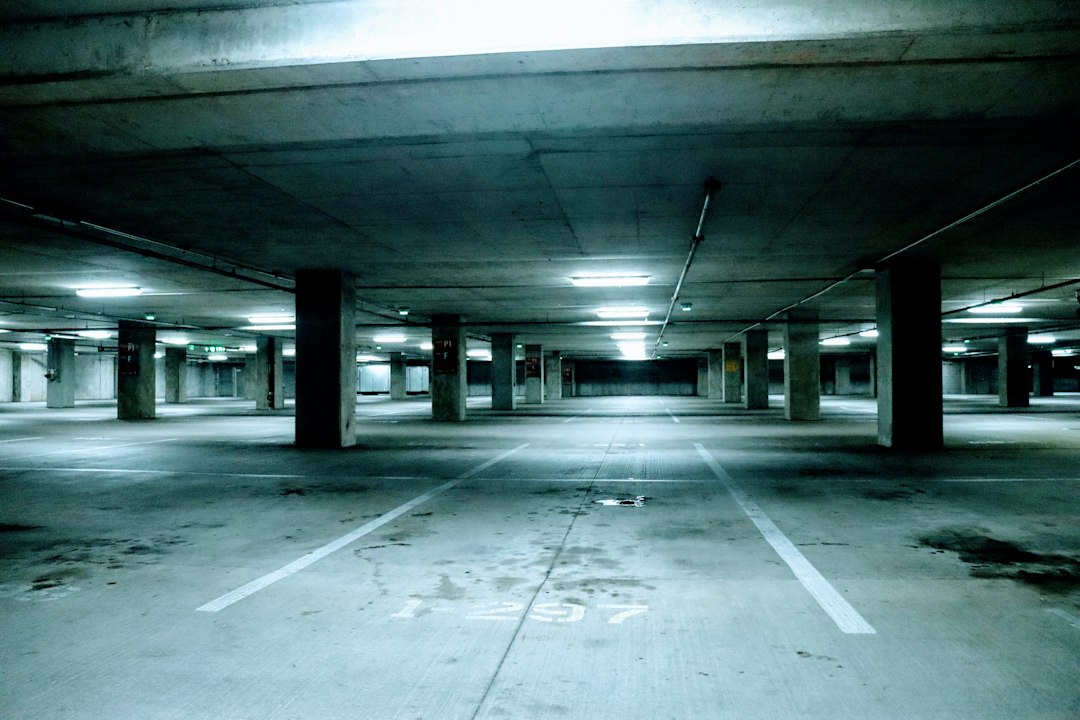
Why Movie Parking Garages Are Always Empty and Echoey
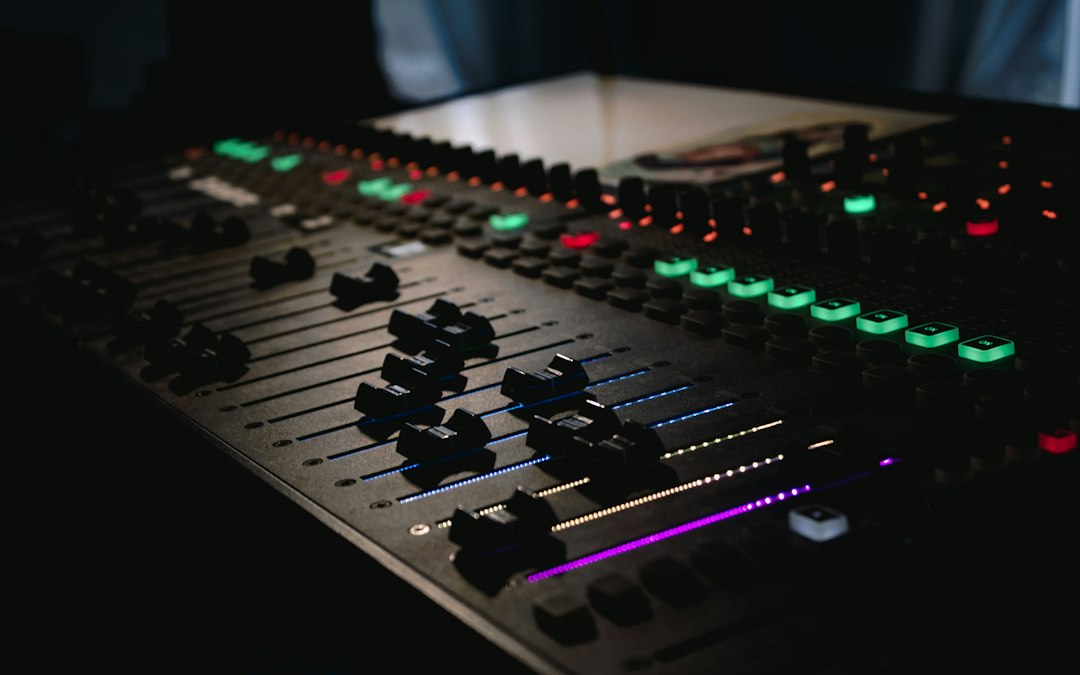
Temp Love: When Editors Get Attached to Placeholder Music
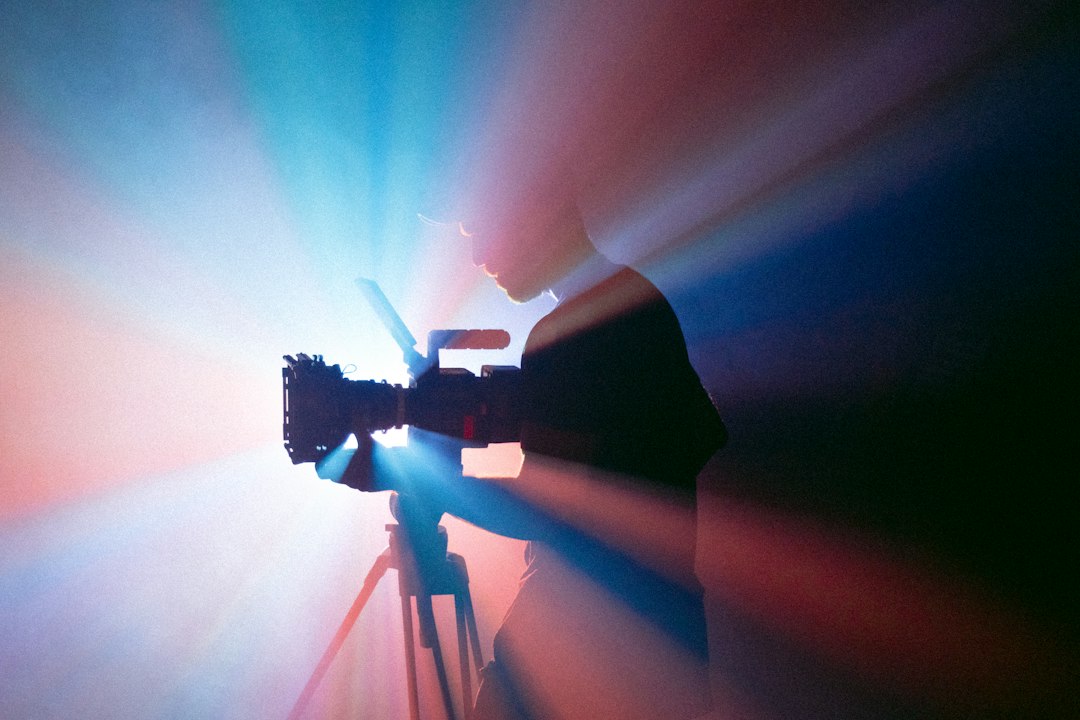
Why Movie Scenes Are Shot Multiple Times from Different Angles
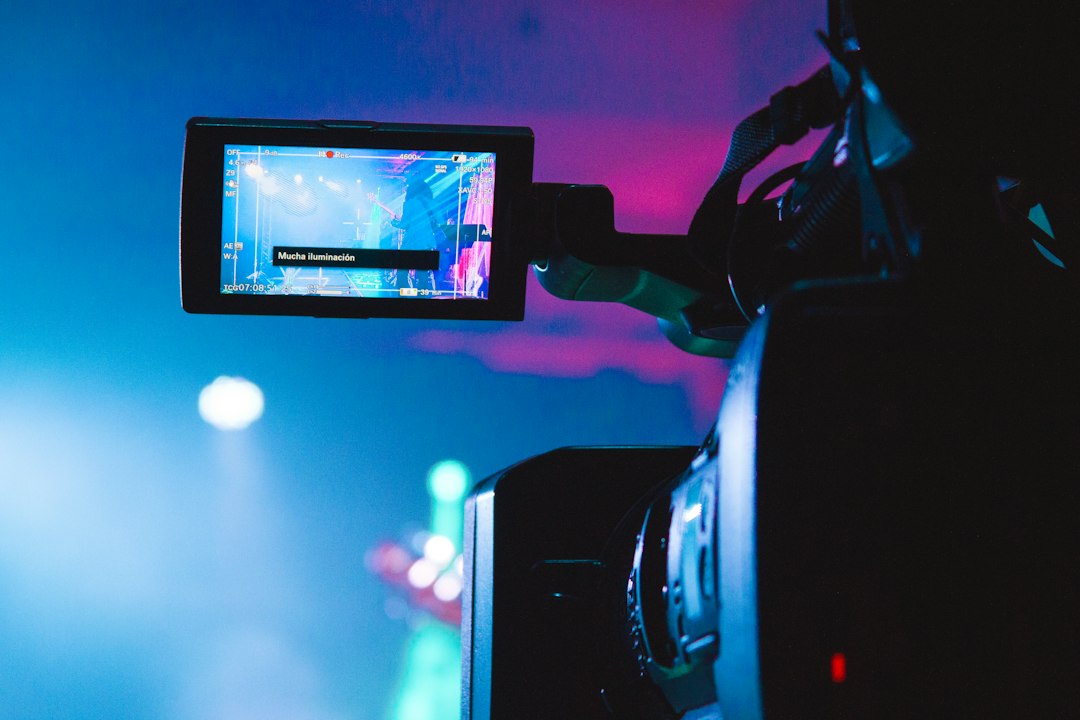
Why Movie Timestamps Are Always Visible in Found Footage
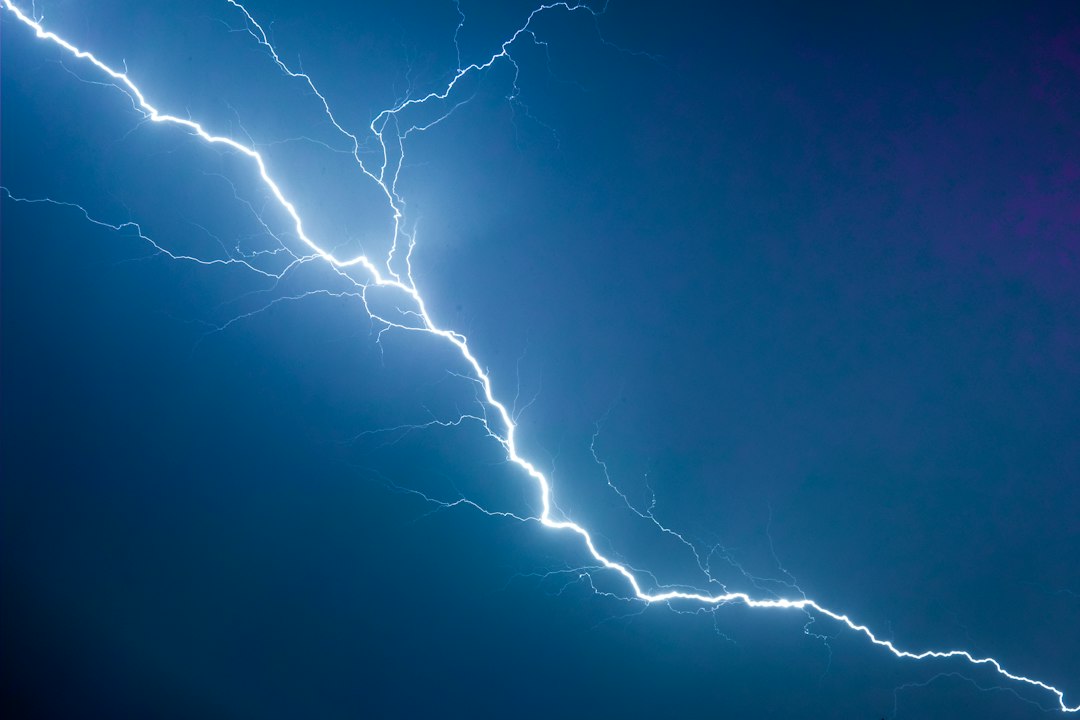
Why Movie Thunderstorms Always Arrive on Cue
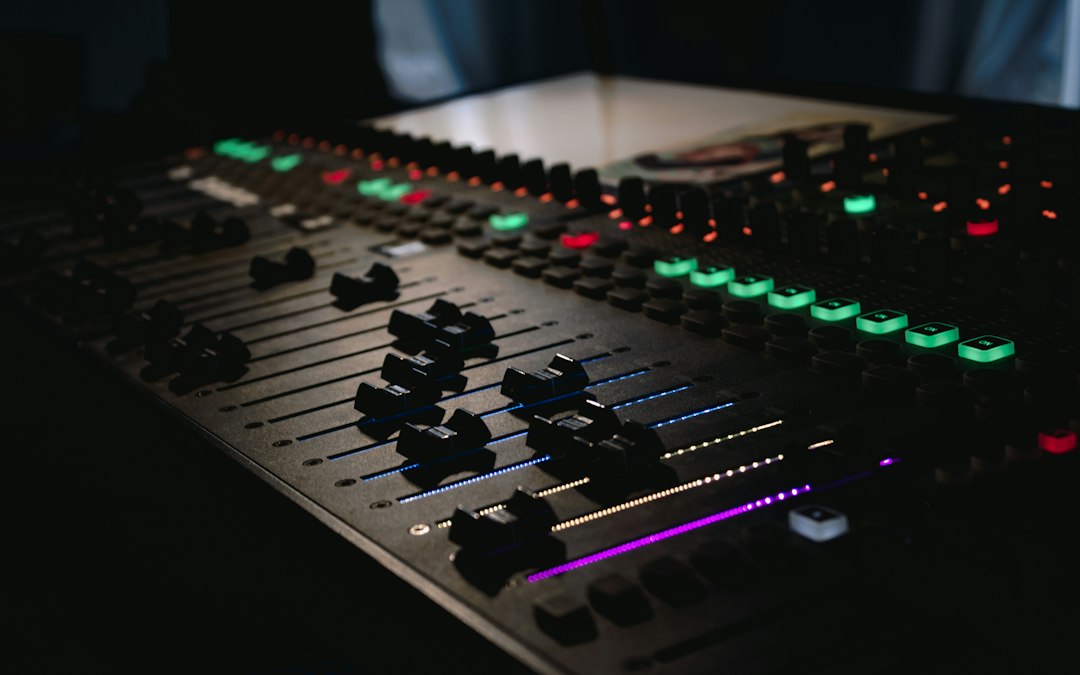
Why Movie Sirens Always Sound the Same: The Secret Life of Stock Sound Effects
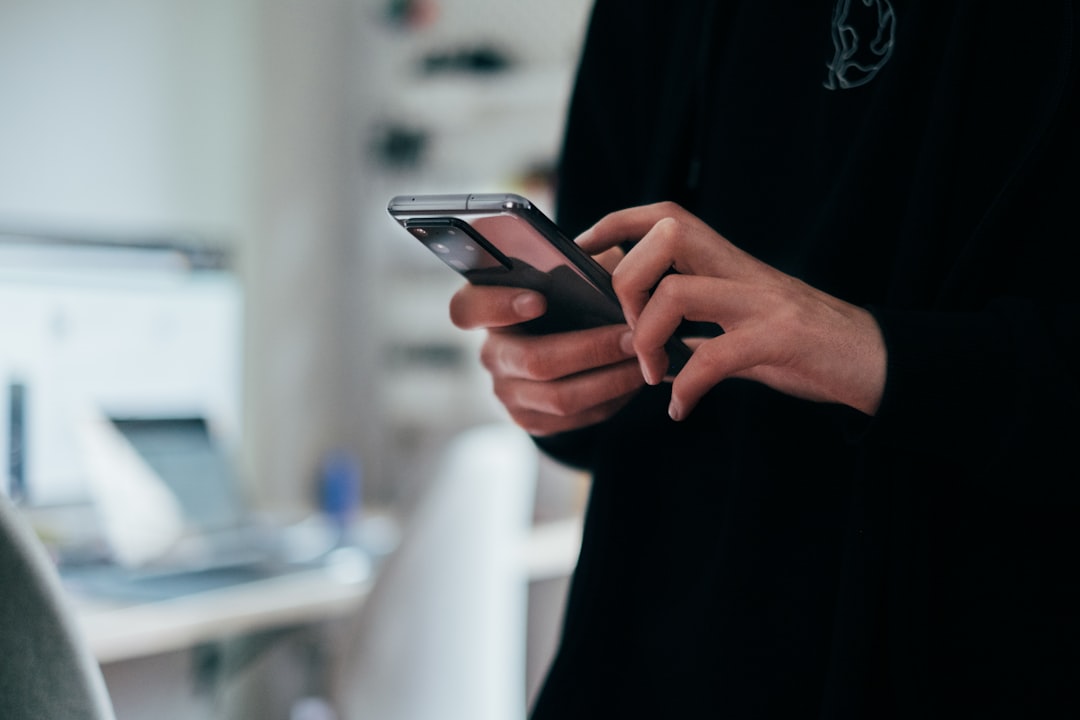
Why Movie Characters Always Hang Up Without Saying Goodbye

Why Movie Mirrors Are Always Perfectly Clean
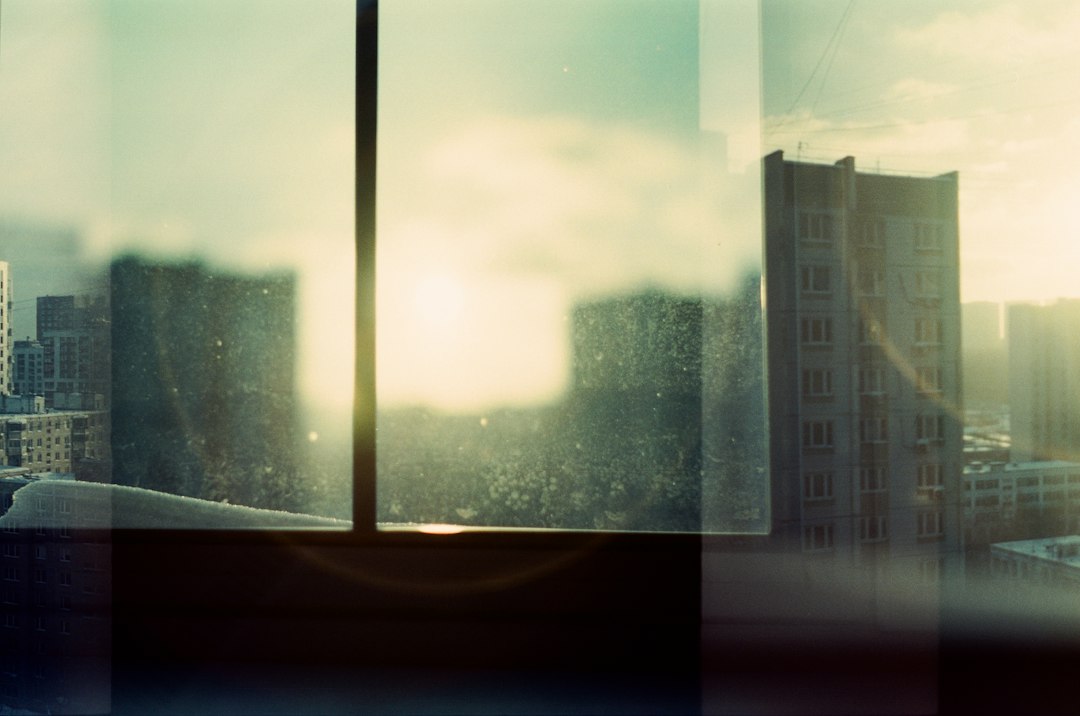
Why Movie Protagonists Always Live on the Top Floor
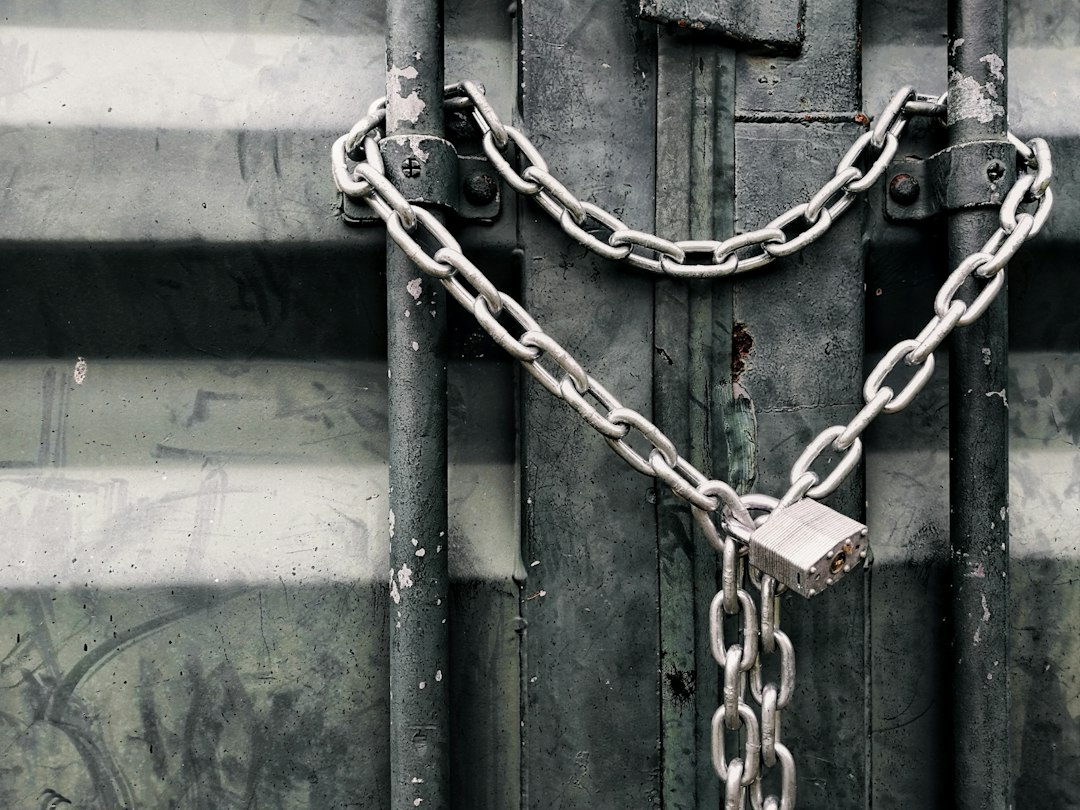
Why Movie Briefcases Are Always Handcuffed to the Wrist
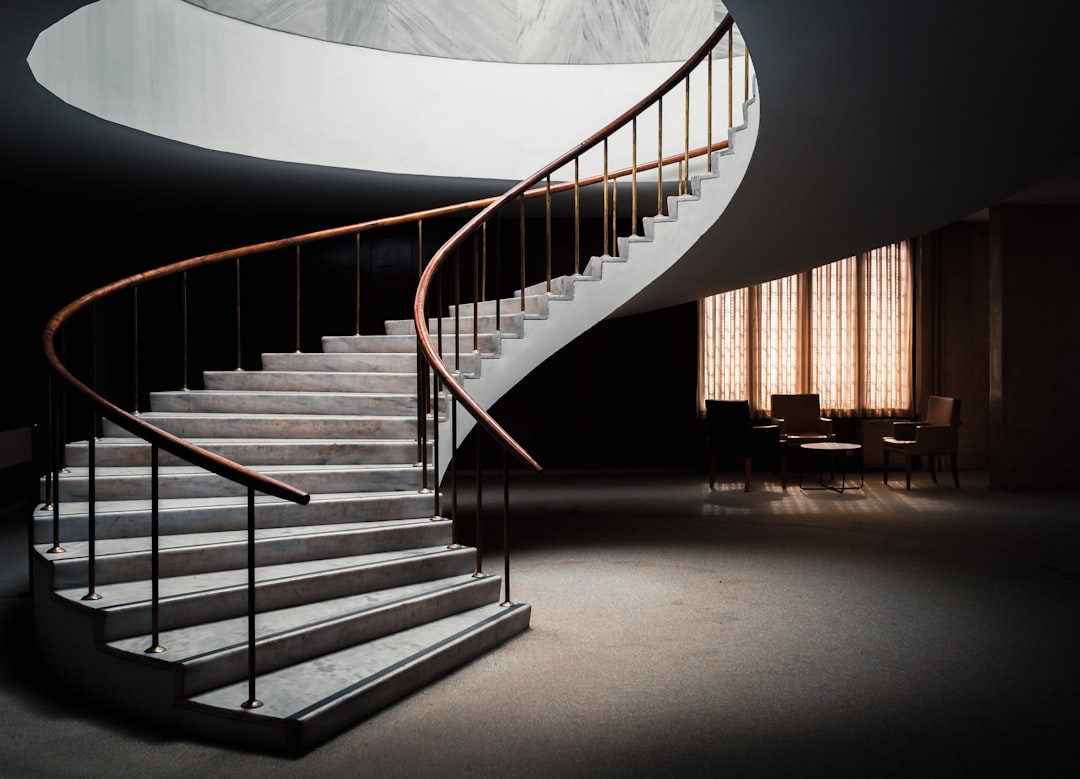
Why Movie Staircases Always Have Dramatic Lighting
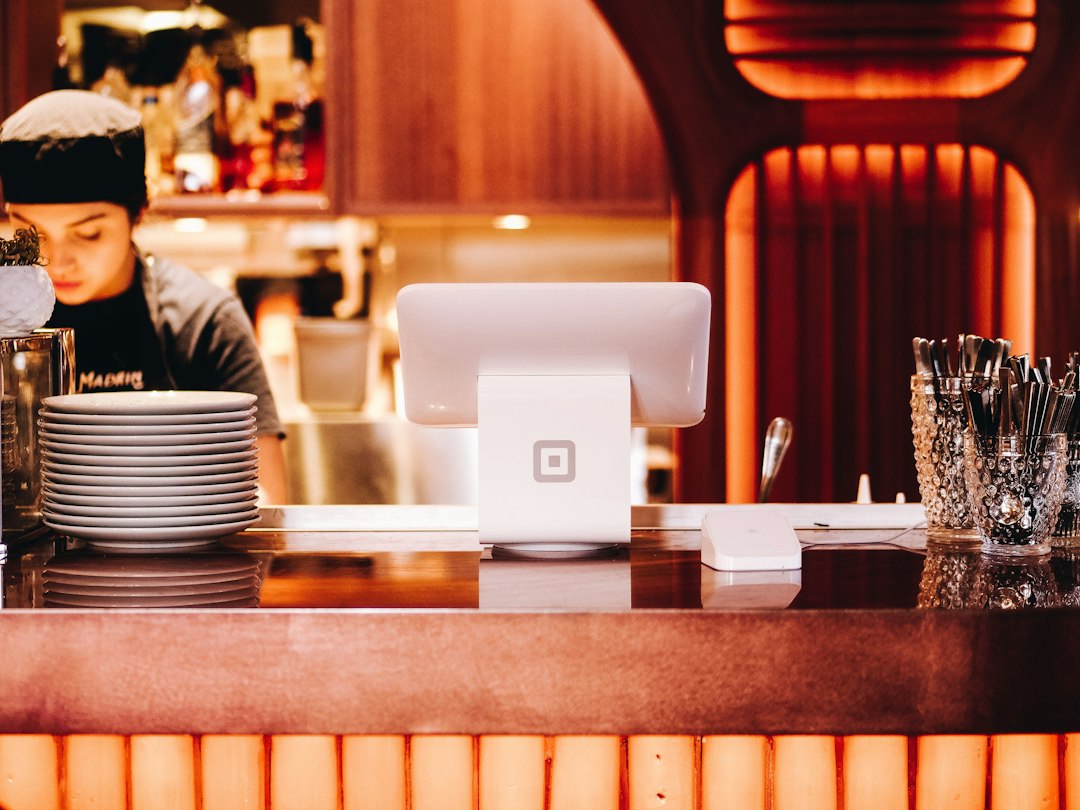
Why Movie Restaurants Never Show the Bill
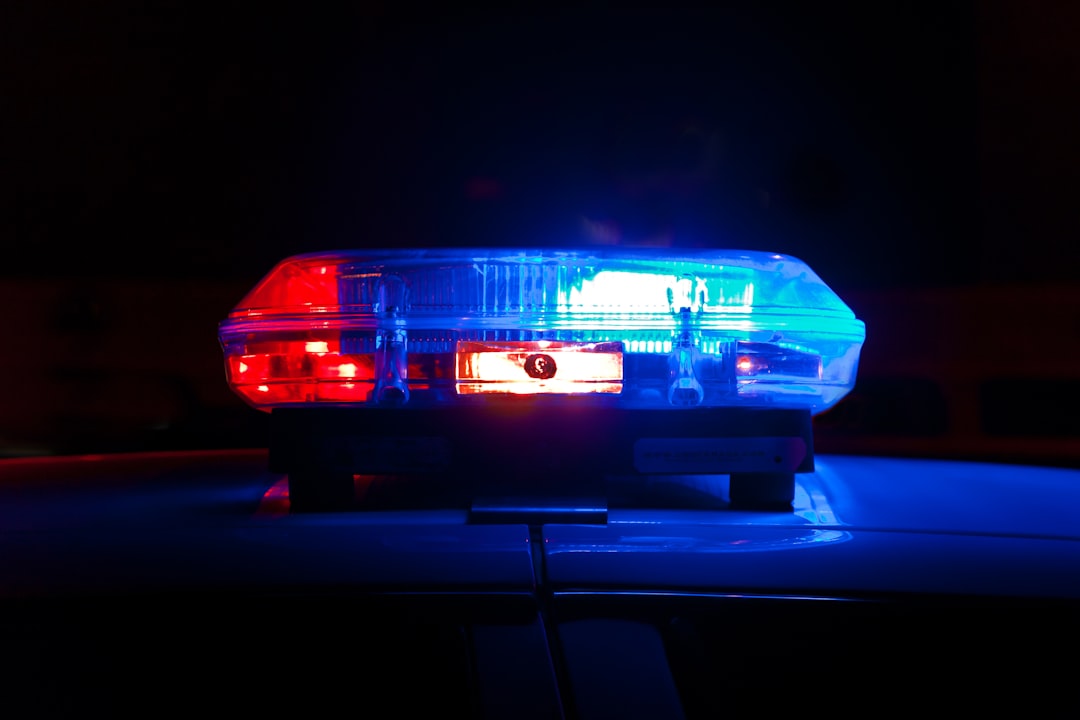
Why Movie Cops Always Arrive Too Late
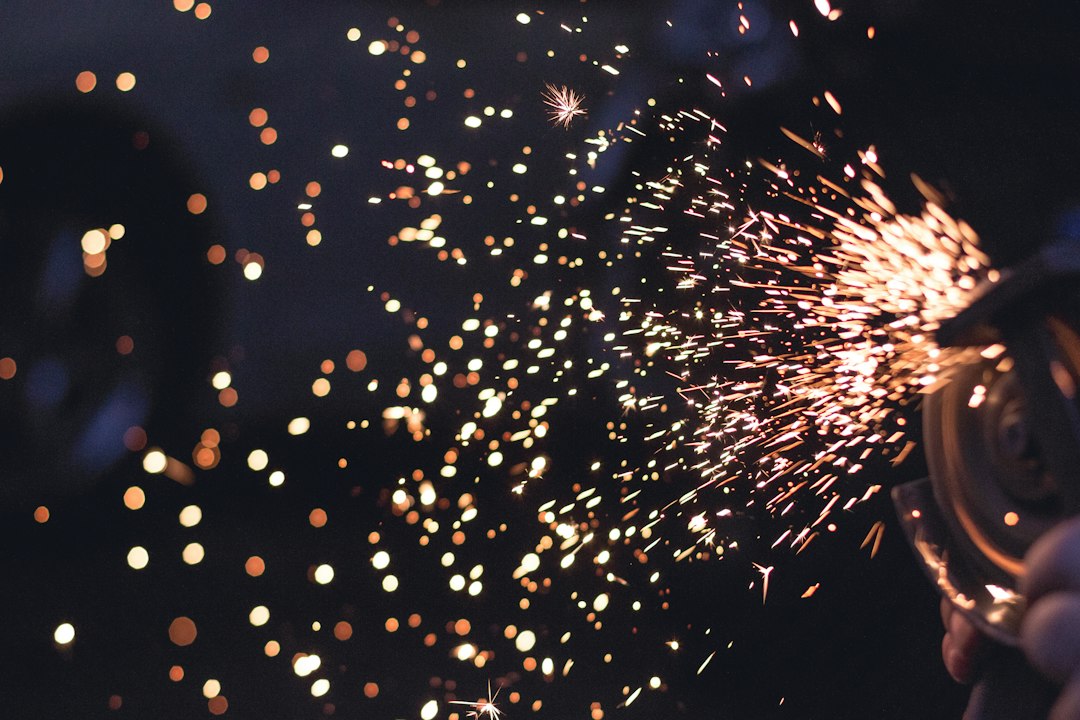
Why Movie Swords Spark When They Clash
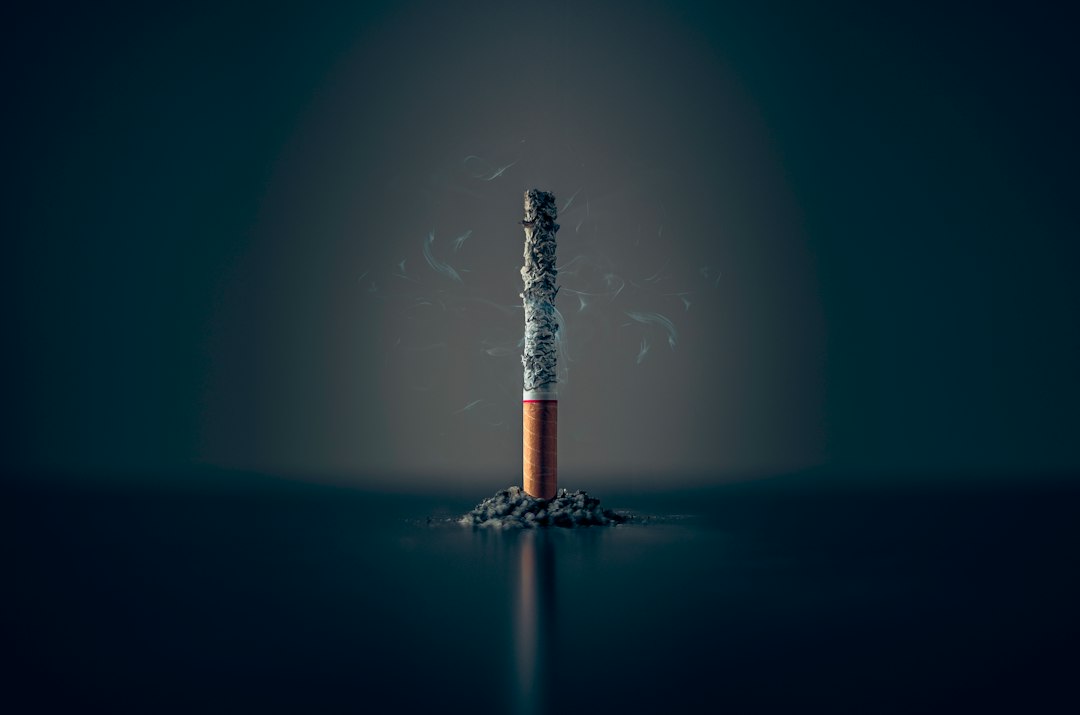
Why Movie Cigarettes Glow So Bright on Screen

Why Movie Doors Always Creak in Horror Films
Why Movie Streetlights Are Always Orange
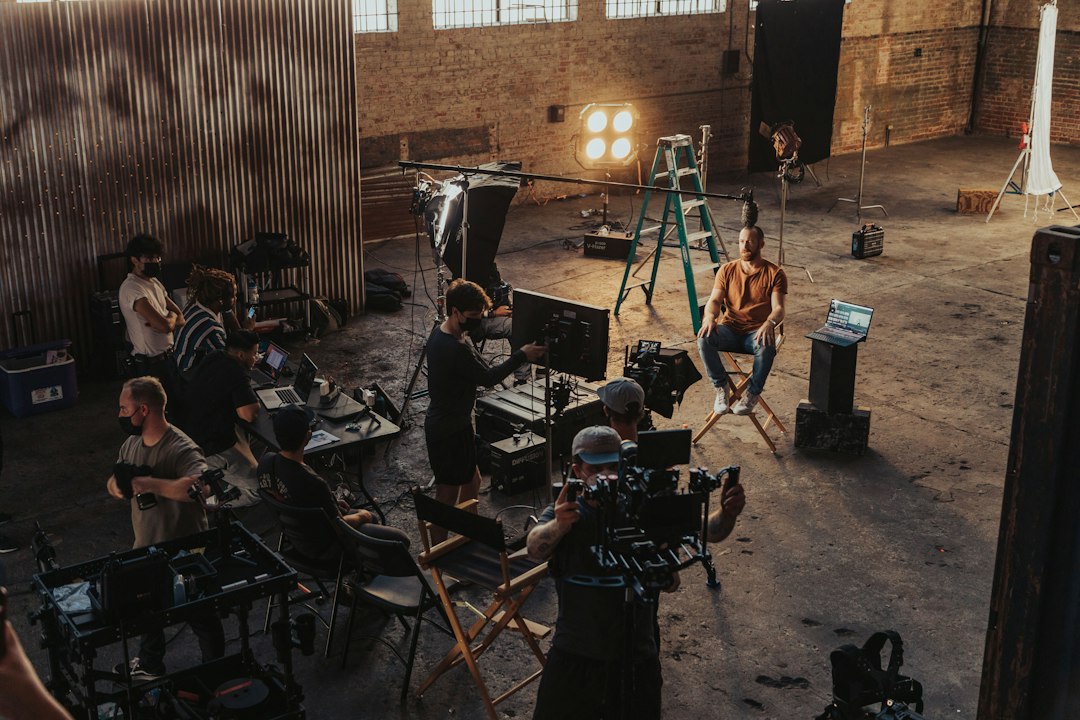
Why Movie Cameras Keep Rolling After "Cut"
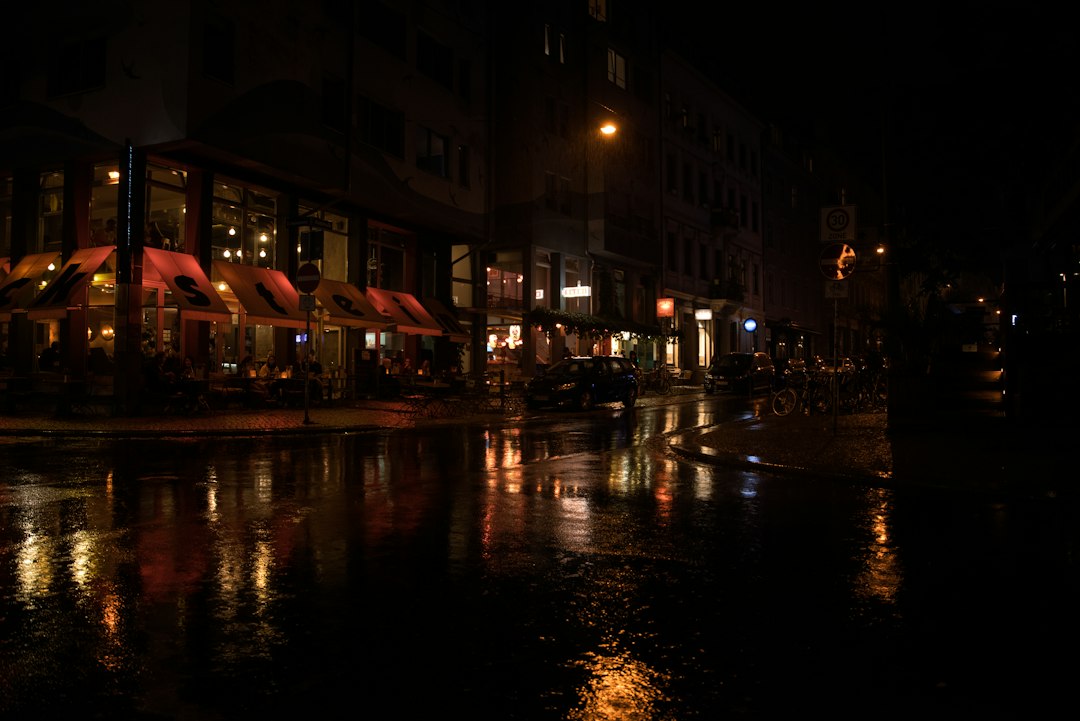
Why Movie Rain Always Falls at Night
Why Movie Courtroom Gavels Are Always Wood
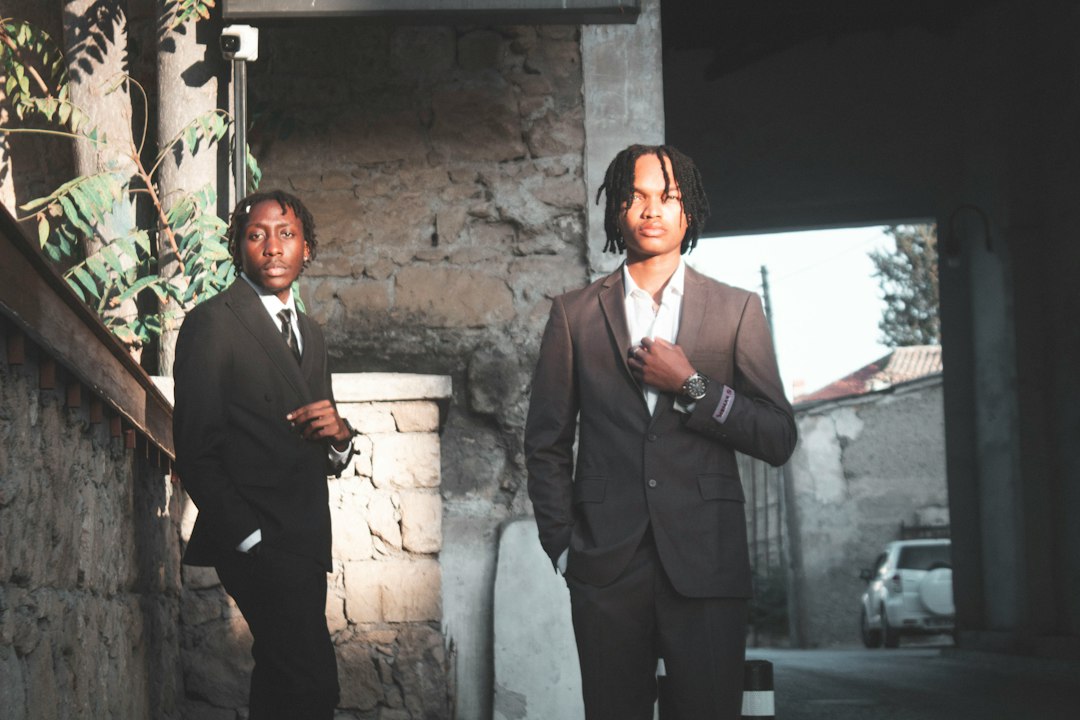
Why Movie Villains Have Better Fashion Sense Than the Heroes
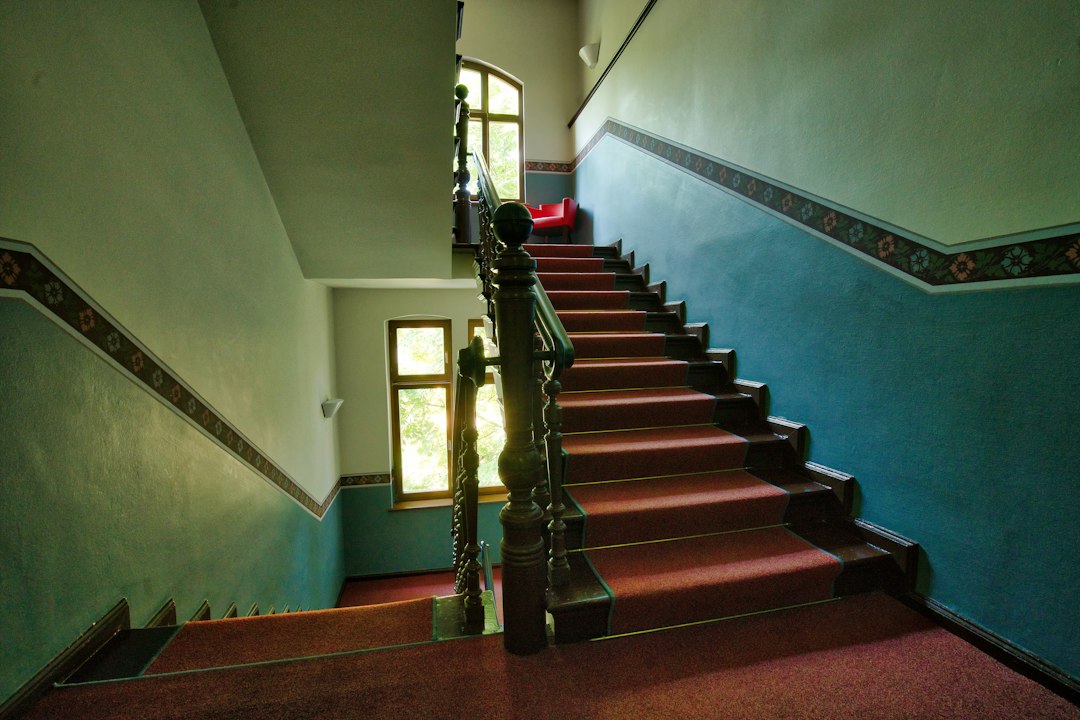
Why Movie Staircases Are Always So Wide
Why Movie Suitcases Are Always Empty
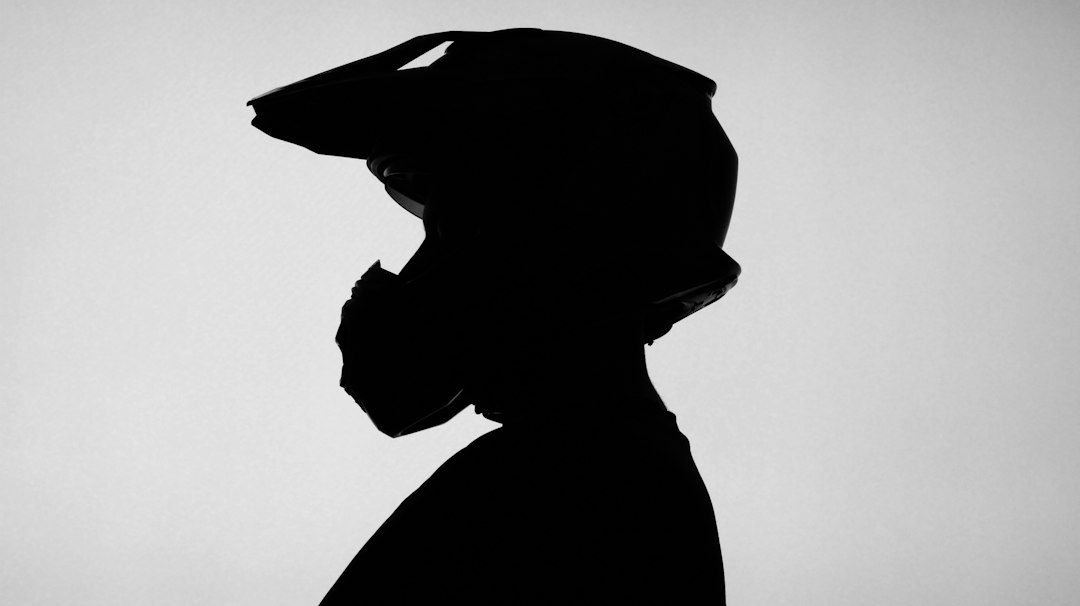
Why Movie Villains Wear Black (and Heroes Don't)
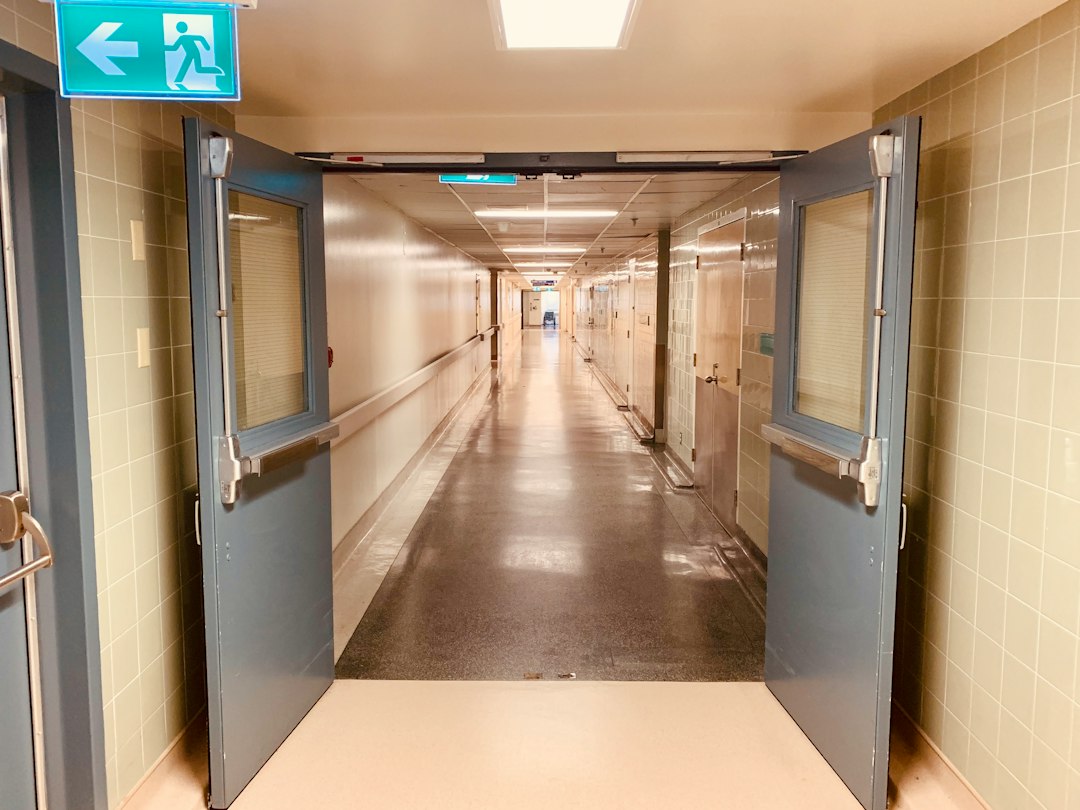
Why Movie Hospitals Always Have Blue-Green Lighting
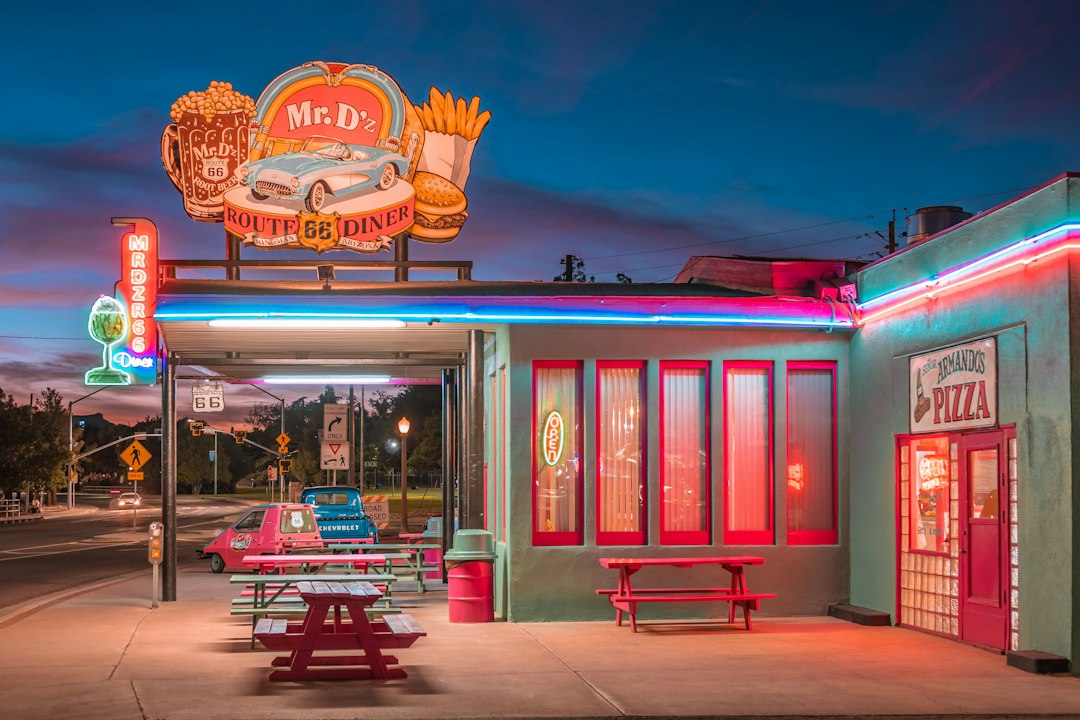
Why Movie Diner Scenes Always Happen at Night
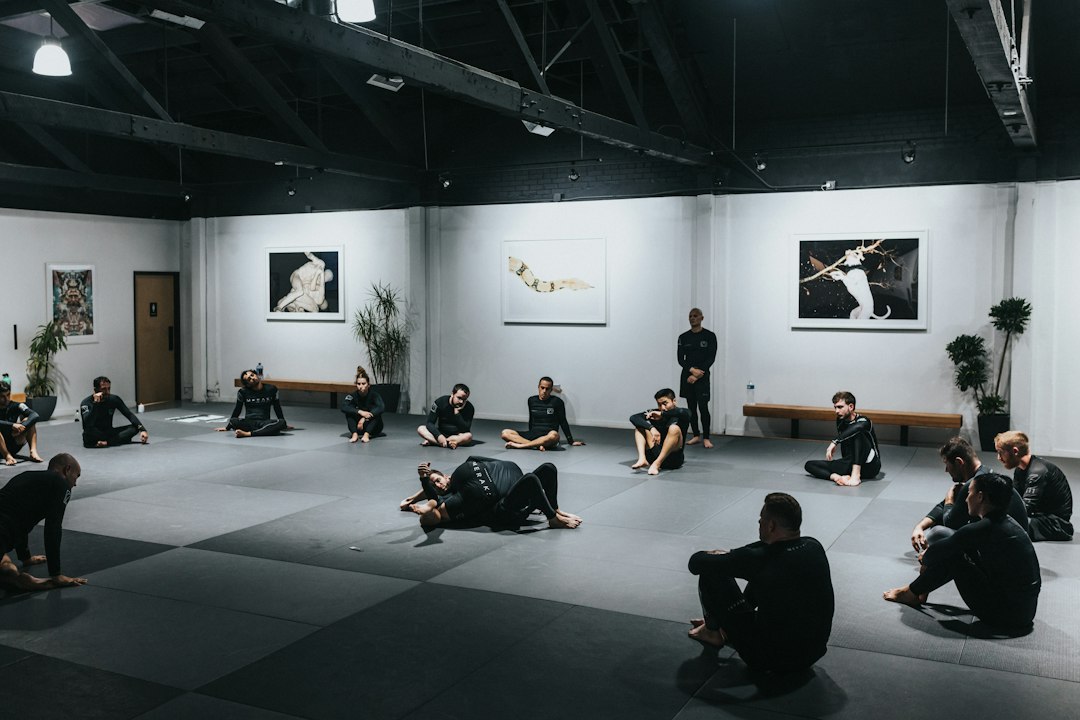
Why Movie Punches Miss by Six Inches
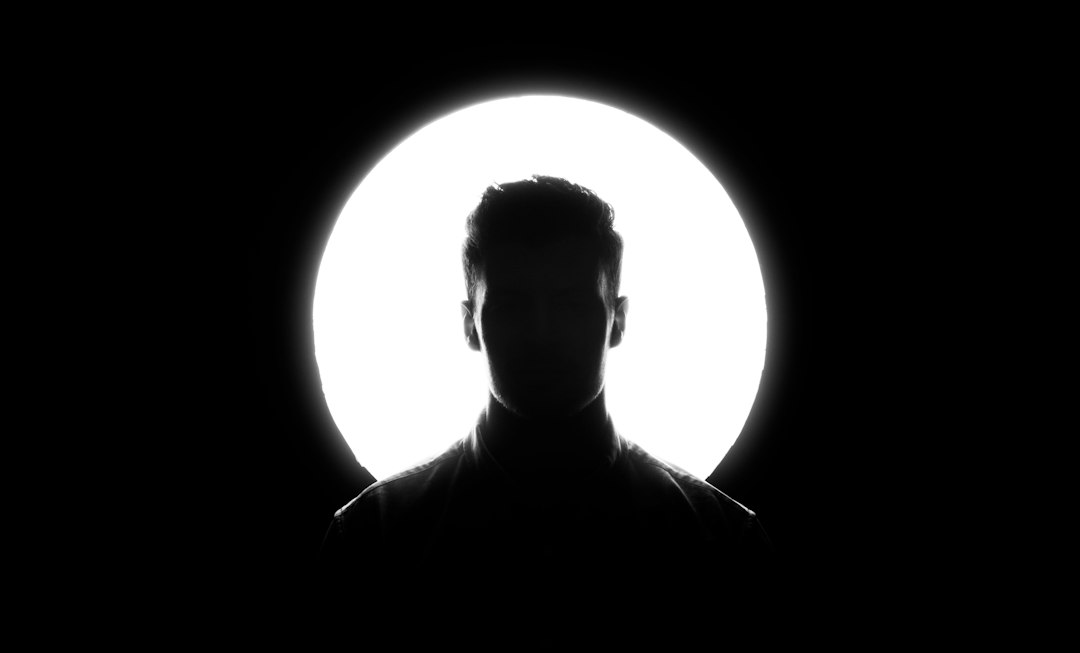
Why Movie Villains Explain Their Plans
Why Movie Elevators Always Have Perfect Lighting
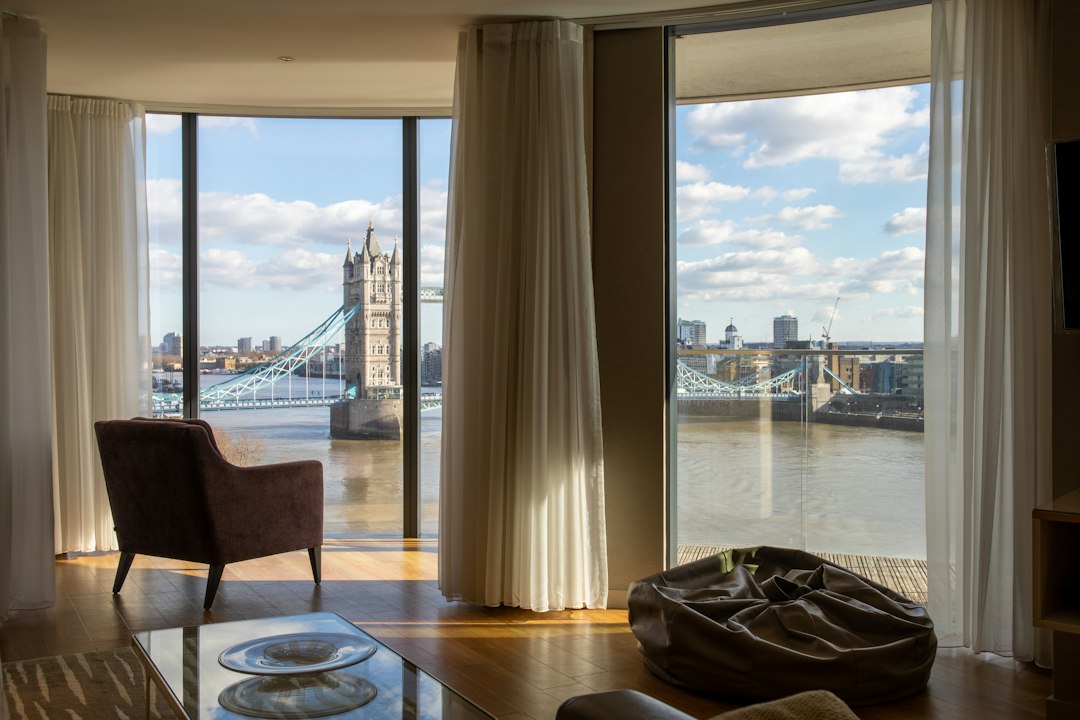
Why Movie Protagonists Live in Corner Apartments
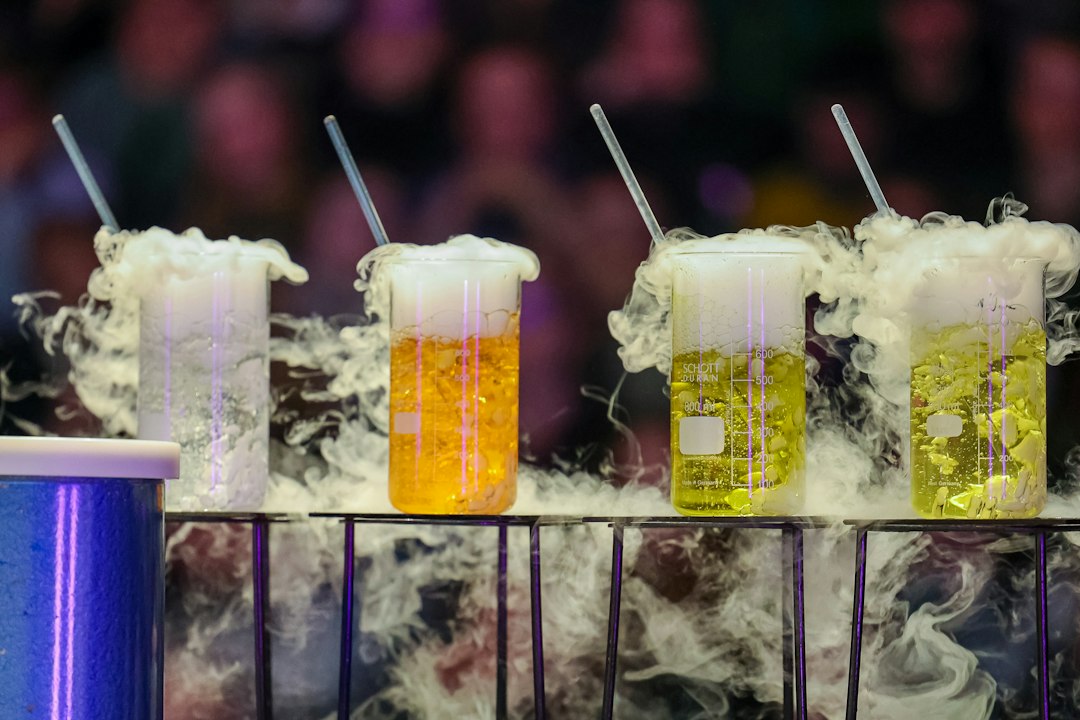
Why Movie Scientists Always Use Beakers and Colored Liquids
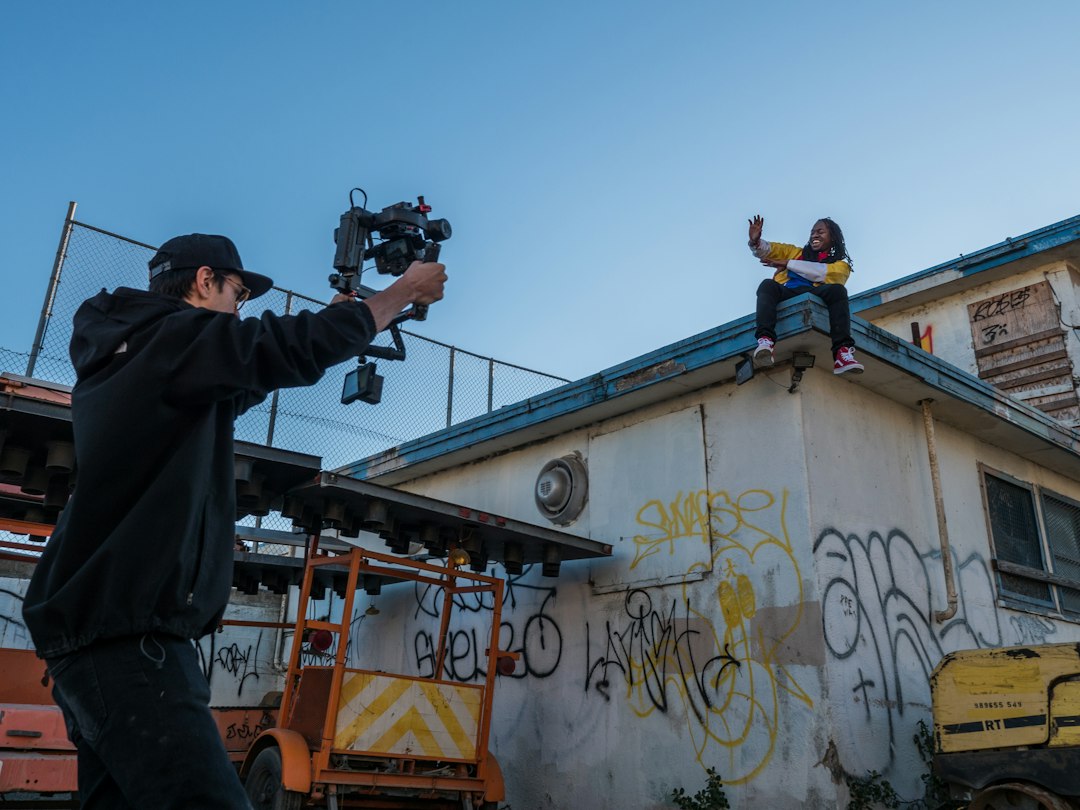
What a Second Unit Actually Does (and Why Every Big Movie Has One)
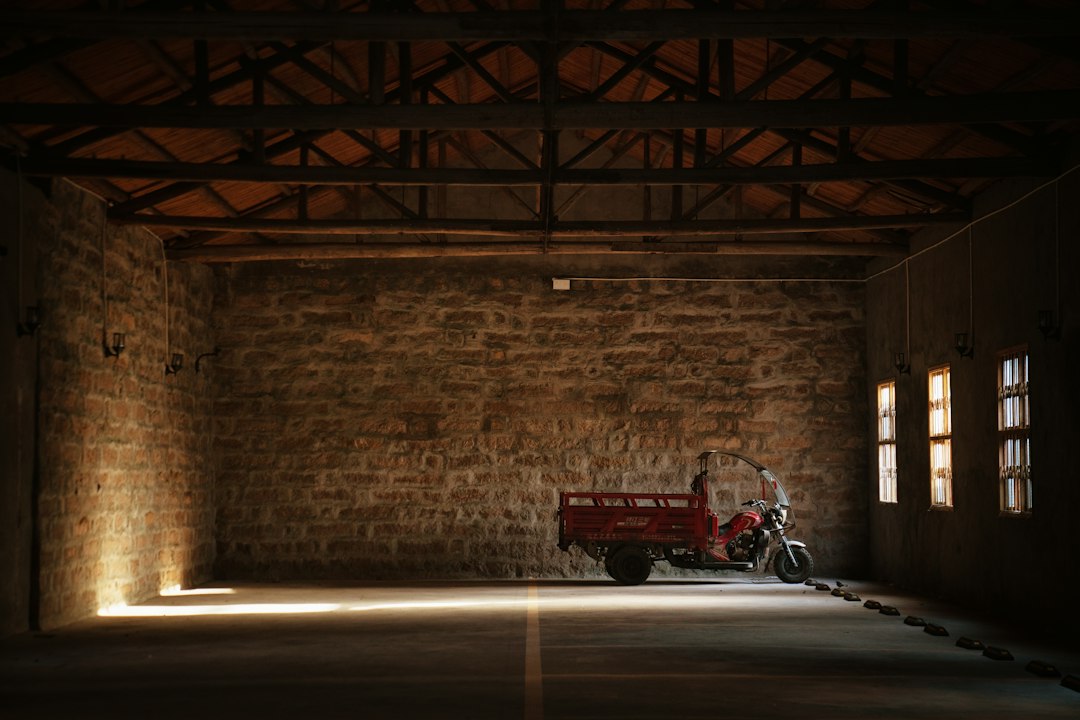
Why Movie Guns Sound Different Indoors vs Outdoors
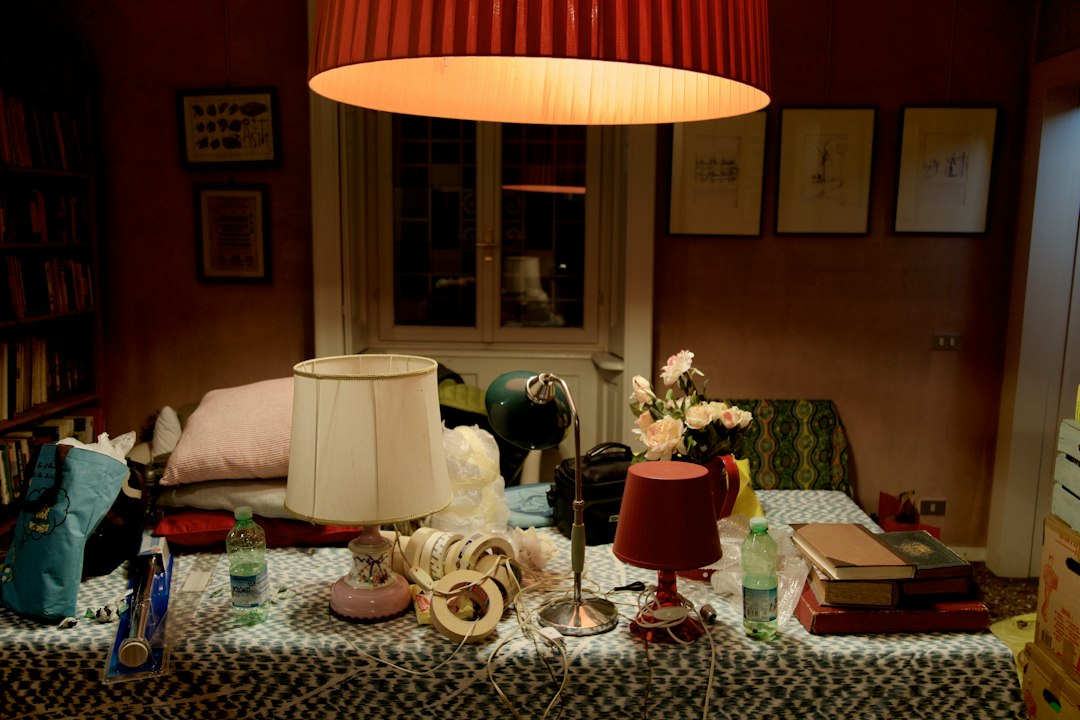
What Is a "Hero Prop," and Why Every Film Needs Several
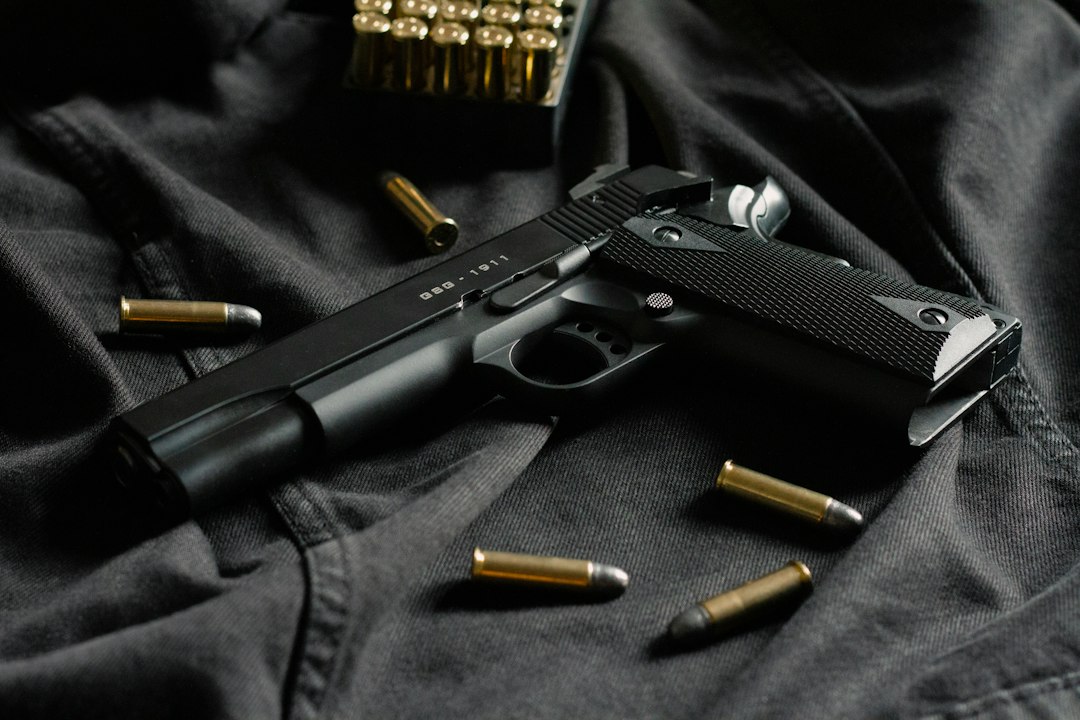
Why Movie Guns Click So Much
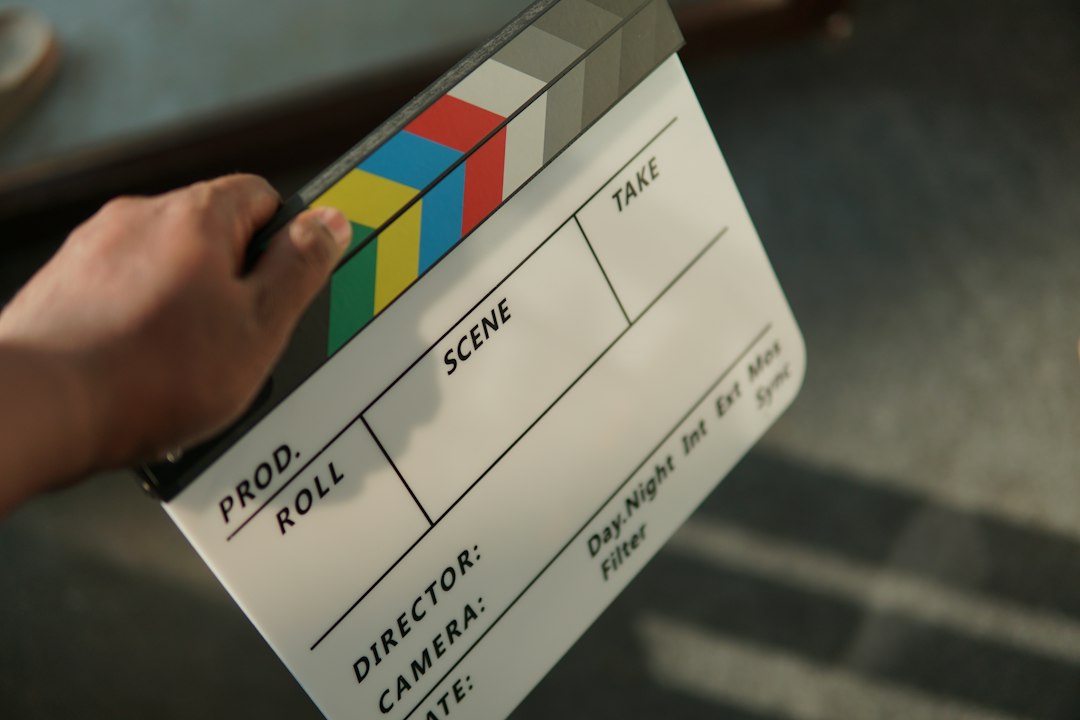
The Color Script: How Films Plan Their Mood Before a Single Frame Is Shot
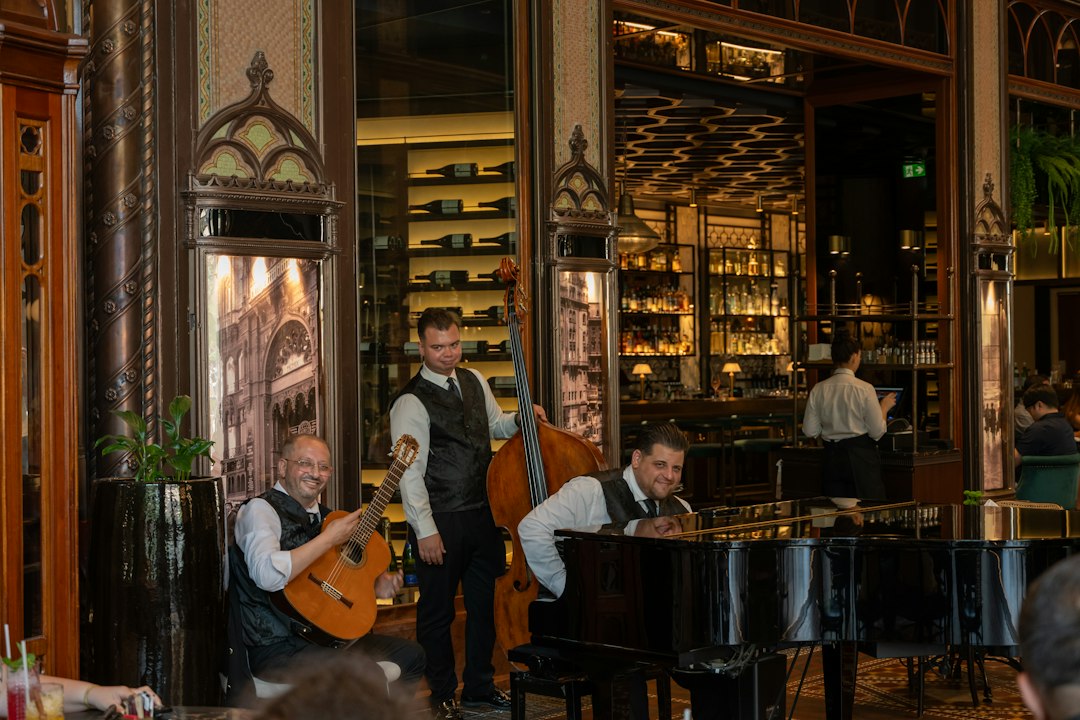
Why Movie Restaurants Always Have Someone Playing Piano
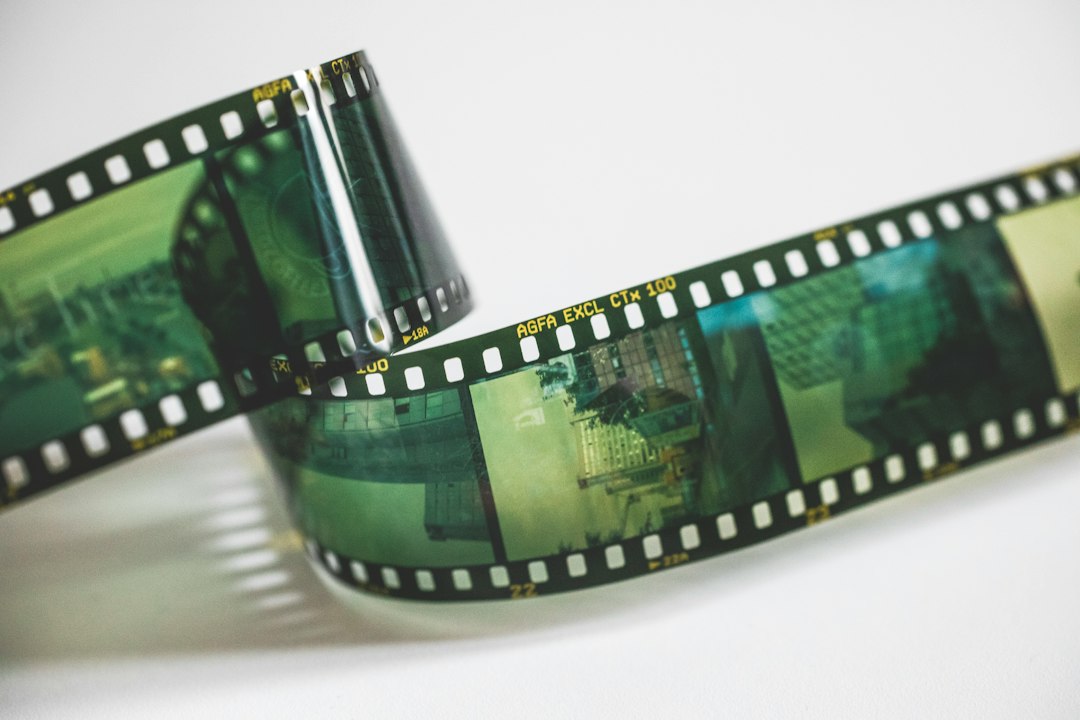
The Dissolve: Why Filmmakers Still Reach for Cinema's Softest Transition
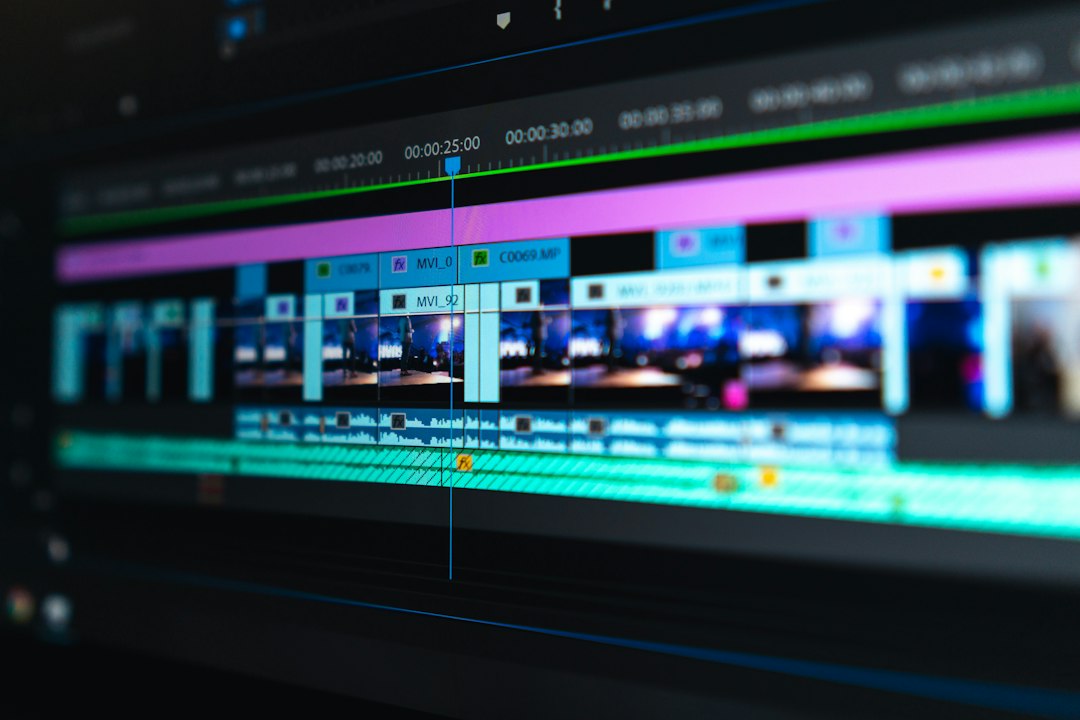
The Art of the Cutaway: Why Movies Look Away at the Perfect Moment
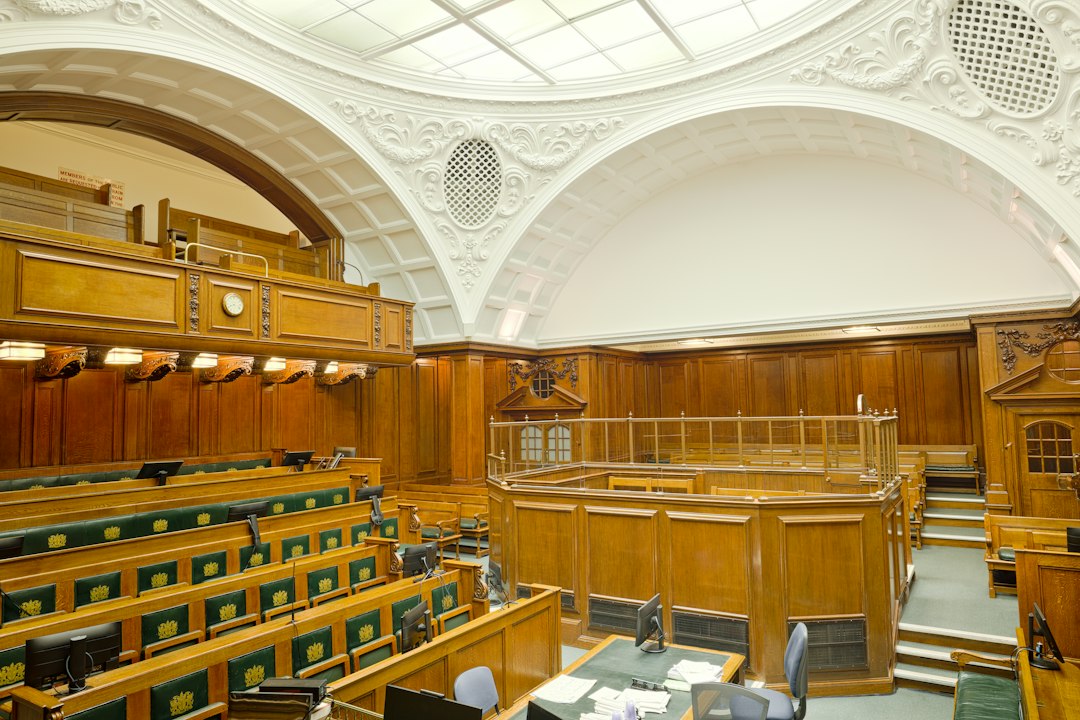
Why Movie Courtrooms Have Wooden Railings
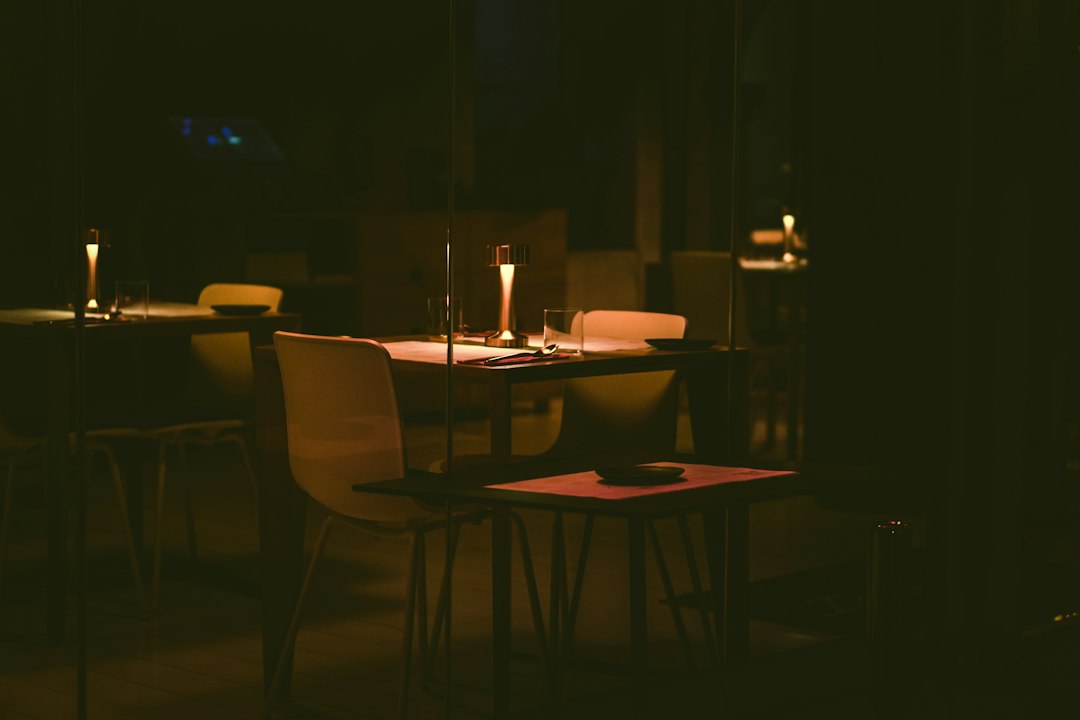
Why Movie Restaurants Are Always Candlelit
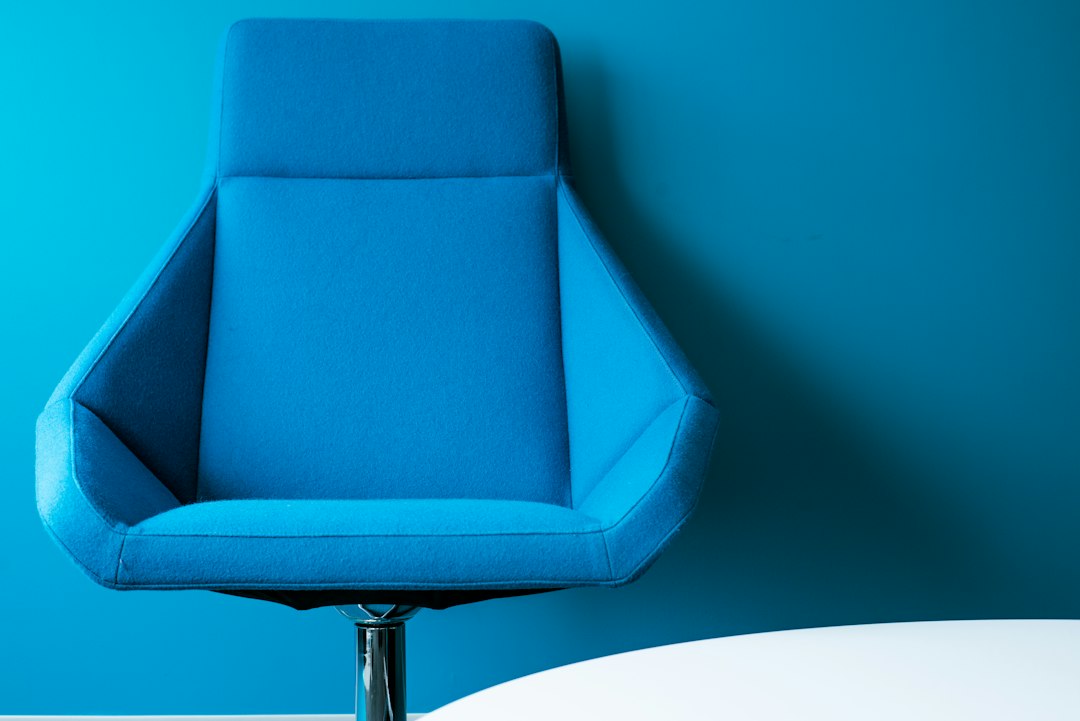
Why Movie Therapists Always Sit in Fancy Chairs
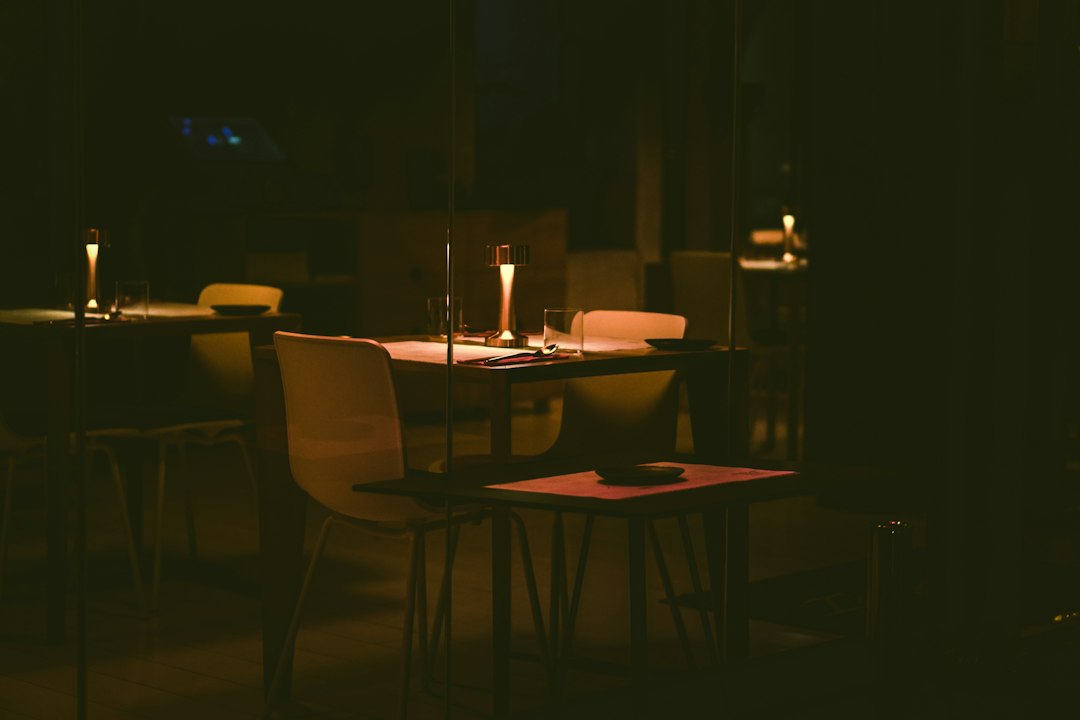
Why Movie Restaurants Are Always Dimly Lit
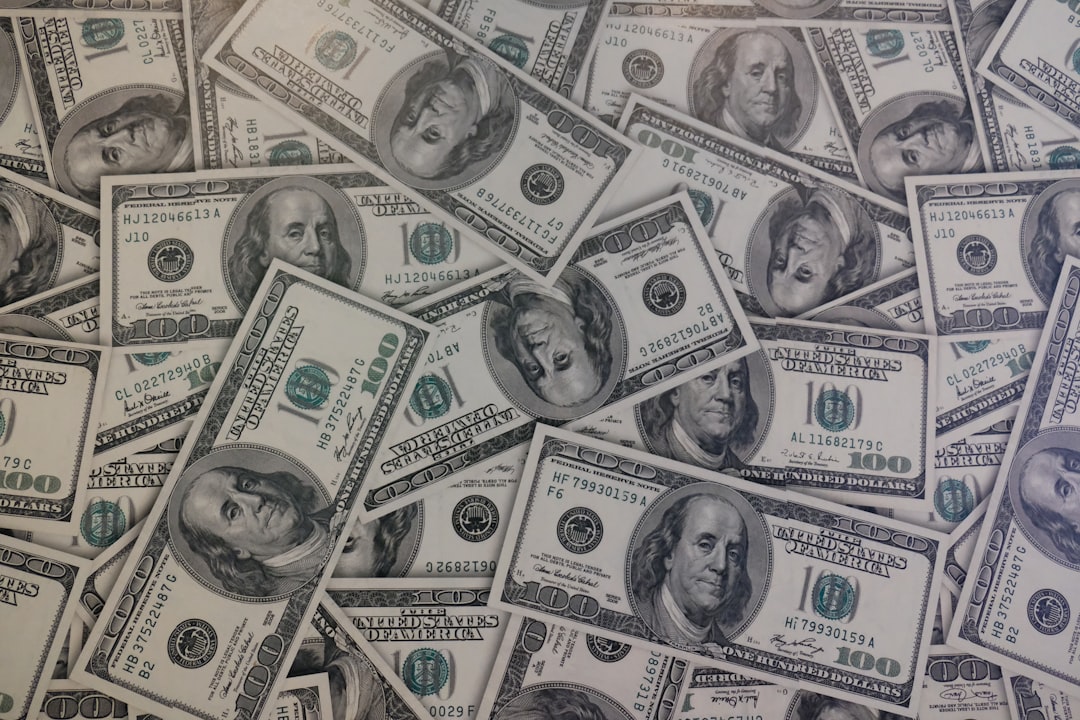
Why Movie Money Looks Fake: Prop Currency and Legal Constraints
Why Movie Detectives Always Work Alone at Night
Why Movie Bombs Always Have Red Digital Timers
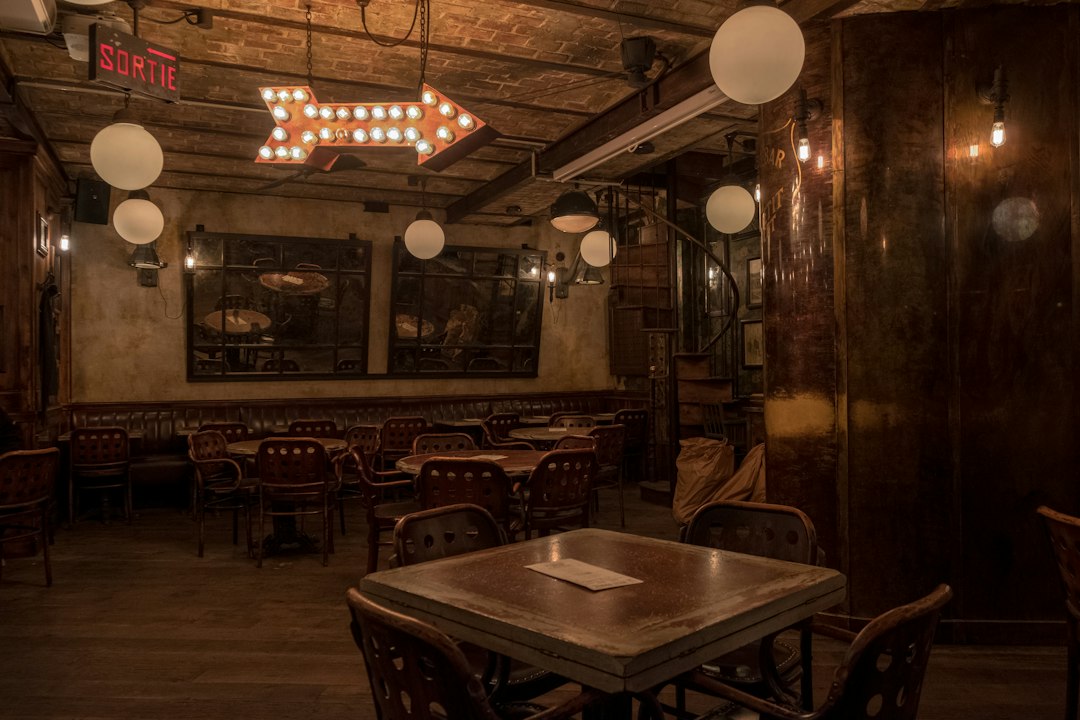
Why Movie Restaurants Are Always Empty

Why Movie Kitchens Always Have the Light On

Why Movie Characters Always Order But Never Eat
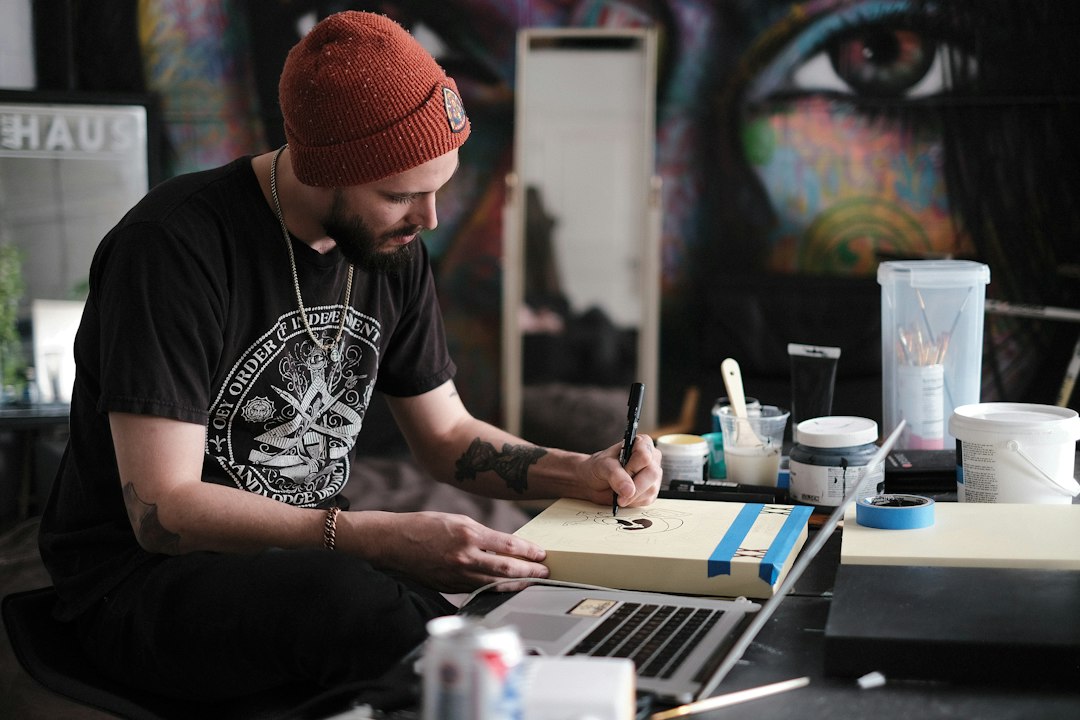
Why Movie Footsteps Sound Nothing Like Real Footsteps
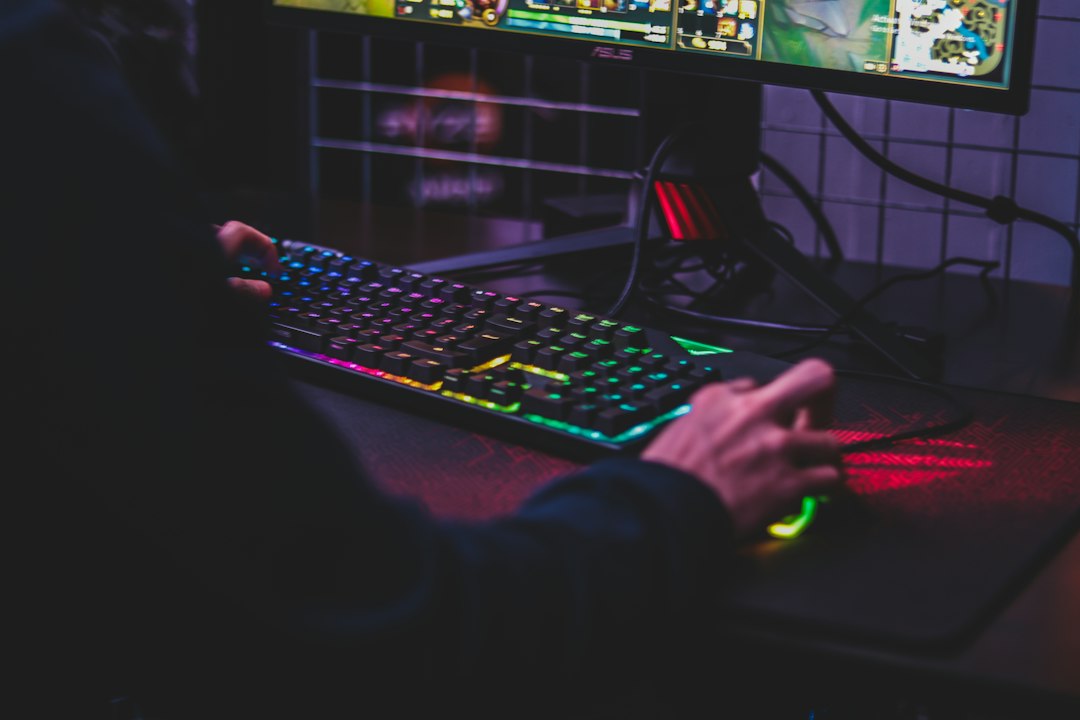
Why Movie Hackers Type So Fast
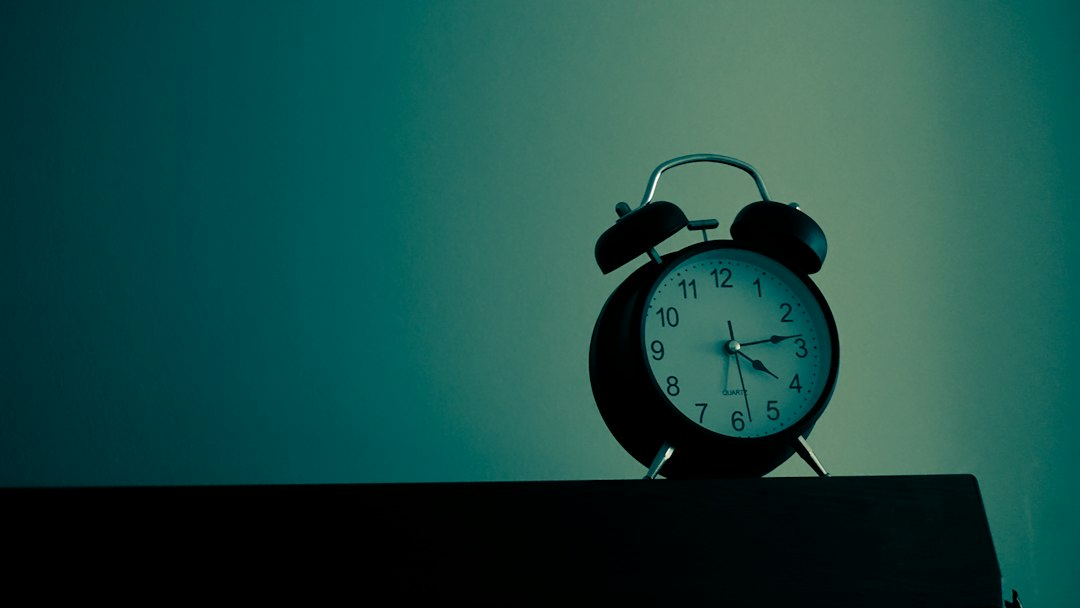
Why Movie Alarm Clocks Always Show 7:00 AM
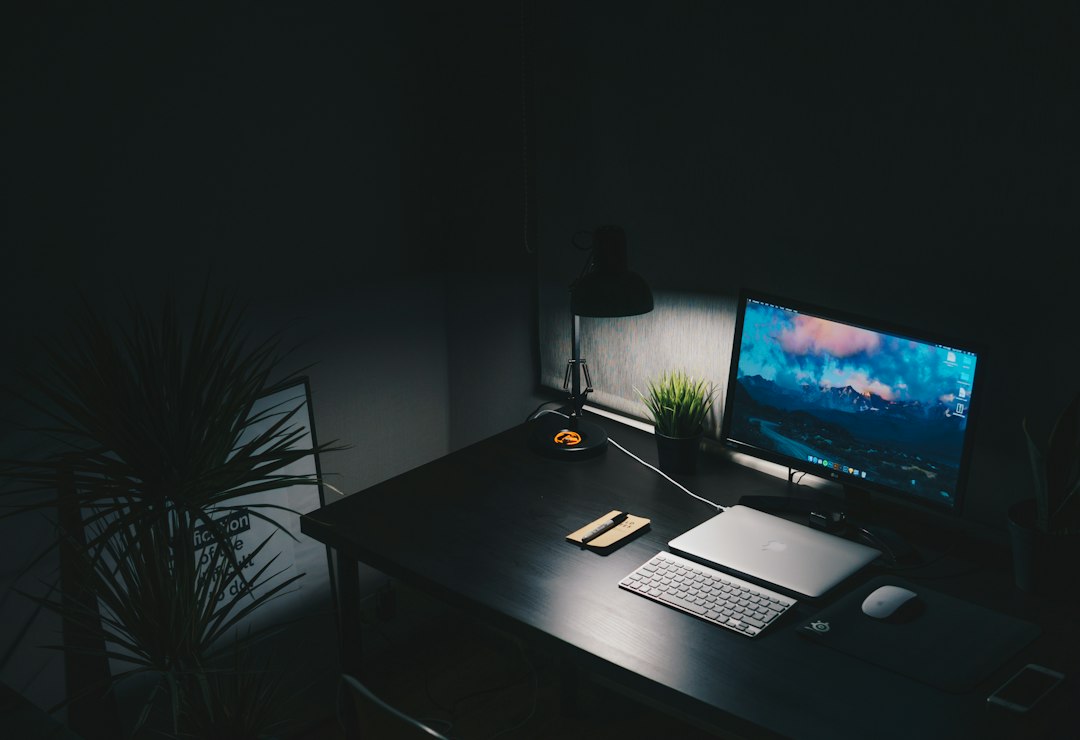
Why Movie Computers Never Sleep

Why Movie Swords Always Ring When Drawn
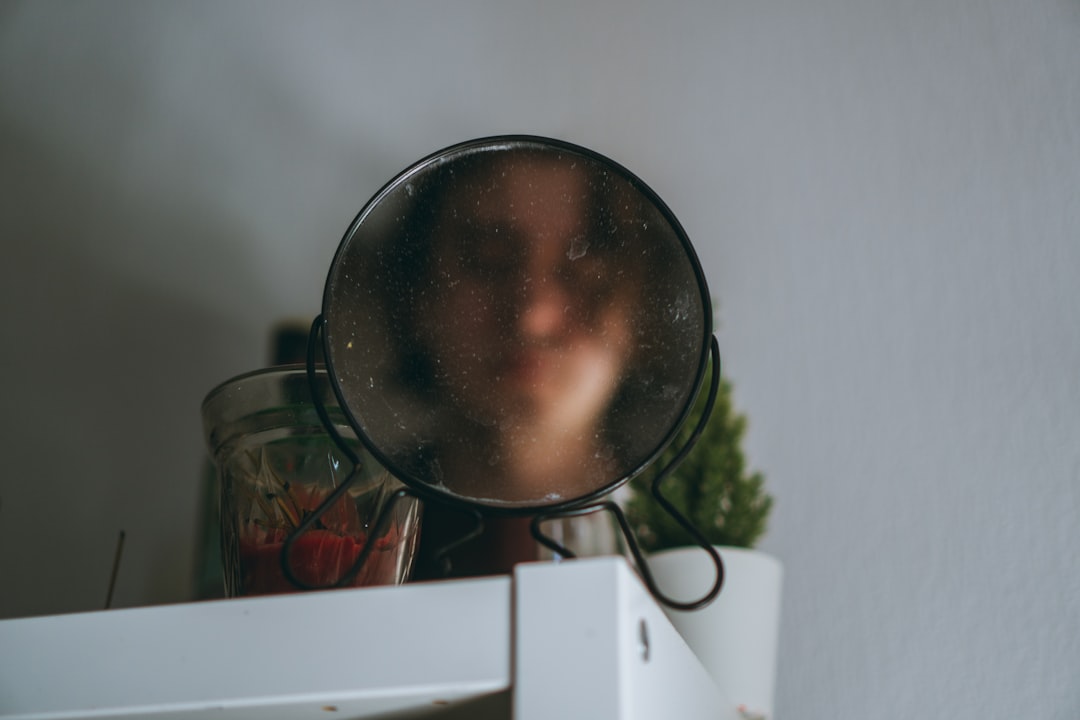
Why Movie Mirrors Rarely Show Camera Reflections

Why Movie Apartments Are Impossibly Large
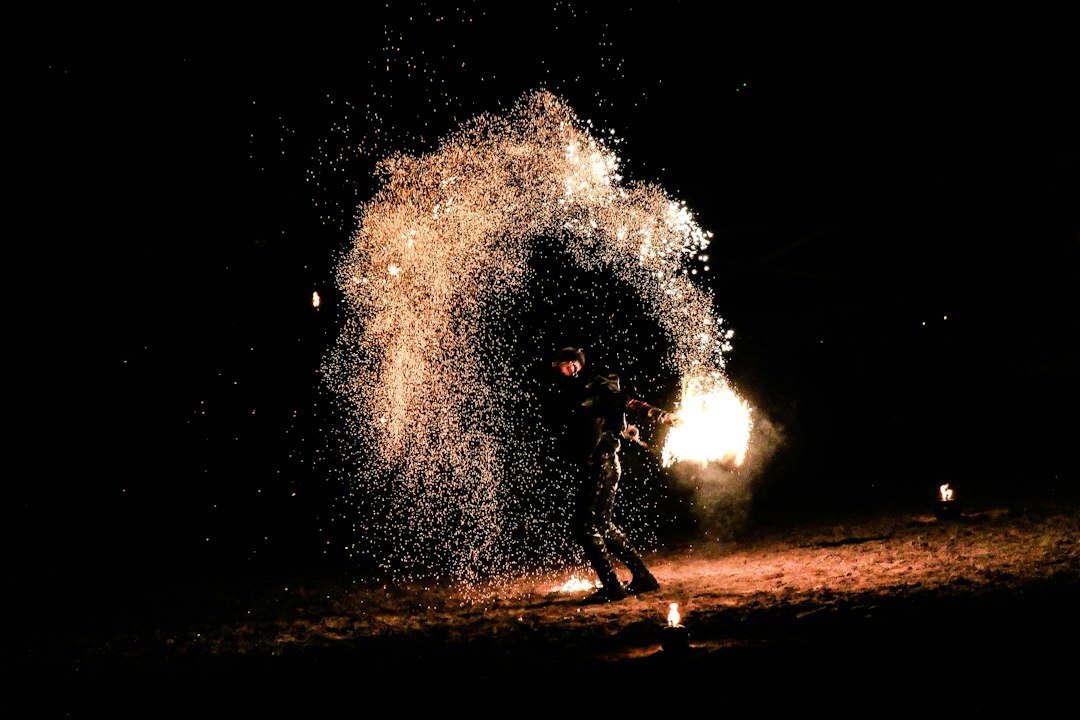
Why Movie Characters Never Look at Explosions
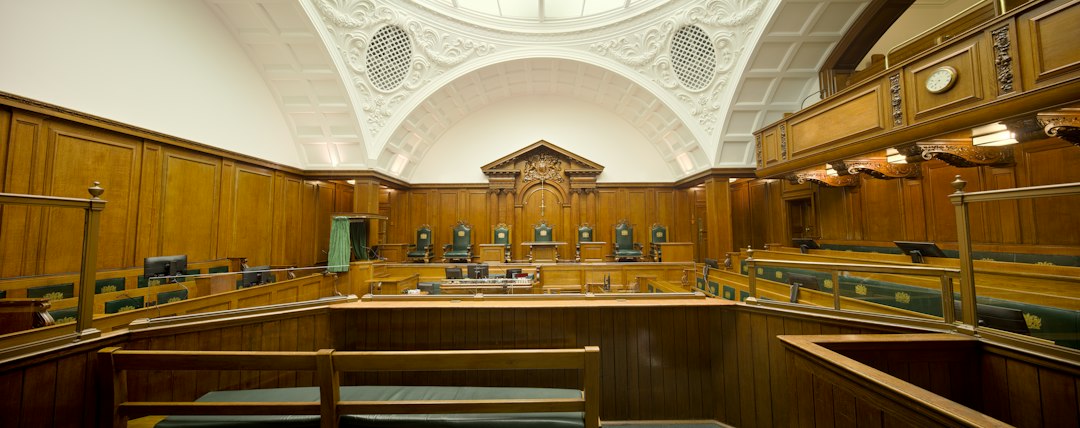
Why Movie Courtrooms Look Nothing Like Real Ones
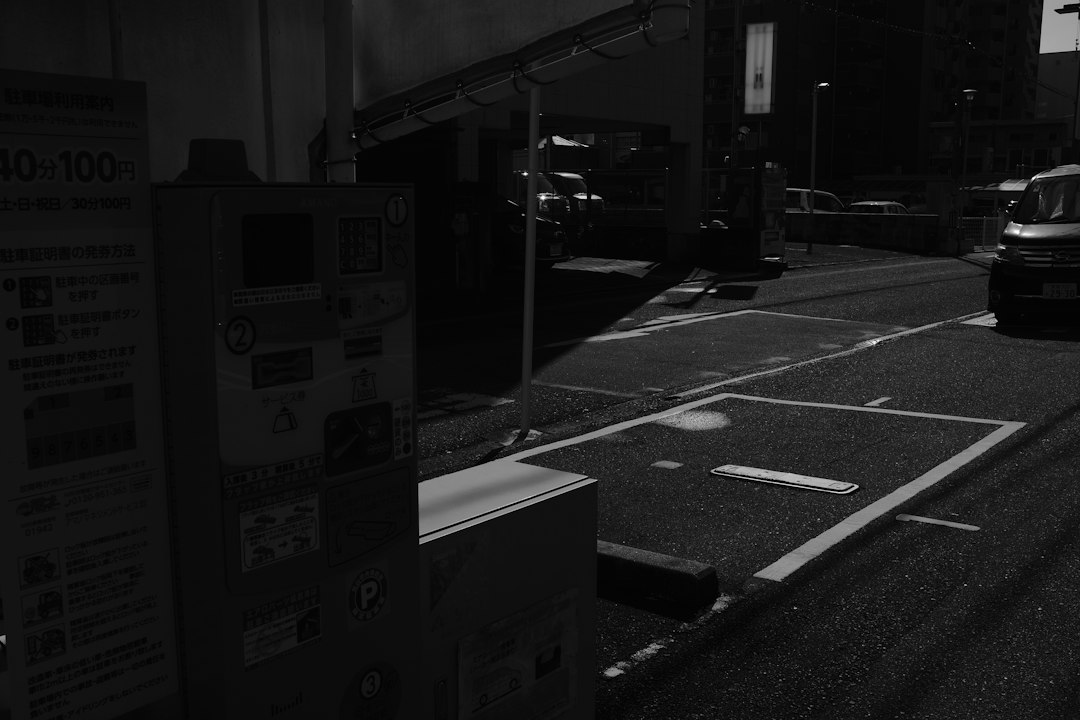
Why Movie Characters Always Find Parking Spots
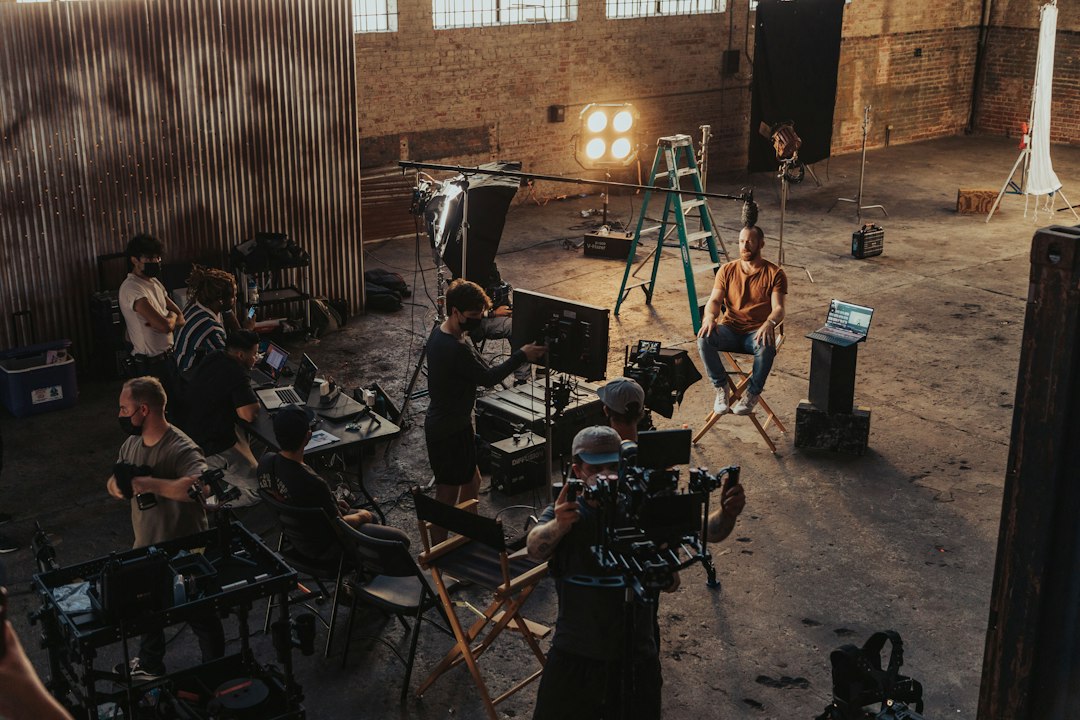
Why Movie Actors Wear Earwigs in Period Films
Why Movie Characters Never Say Goodbye on the Phone
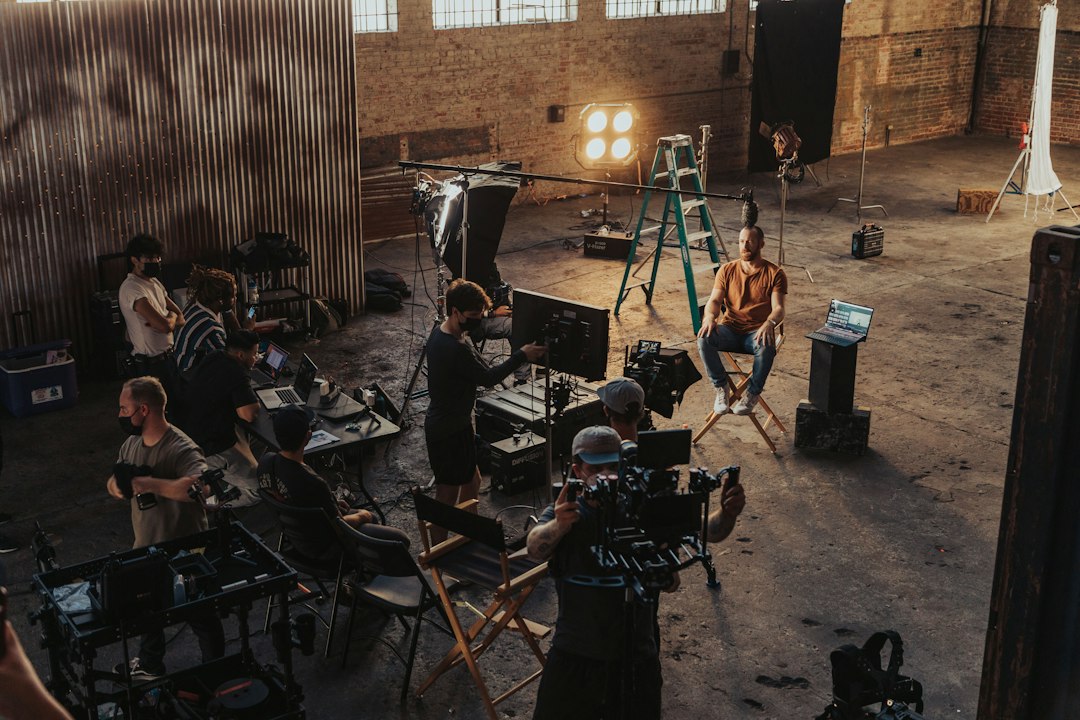
Why Movie Restaurants Are Always Too Loud
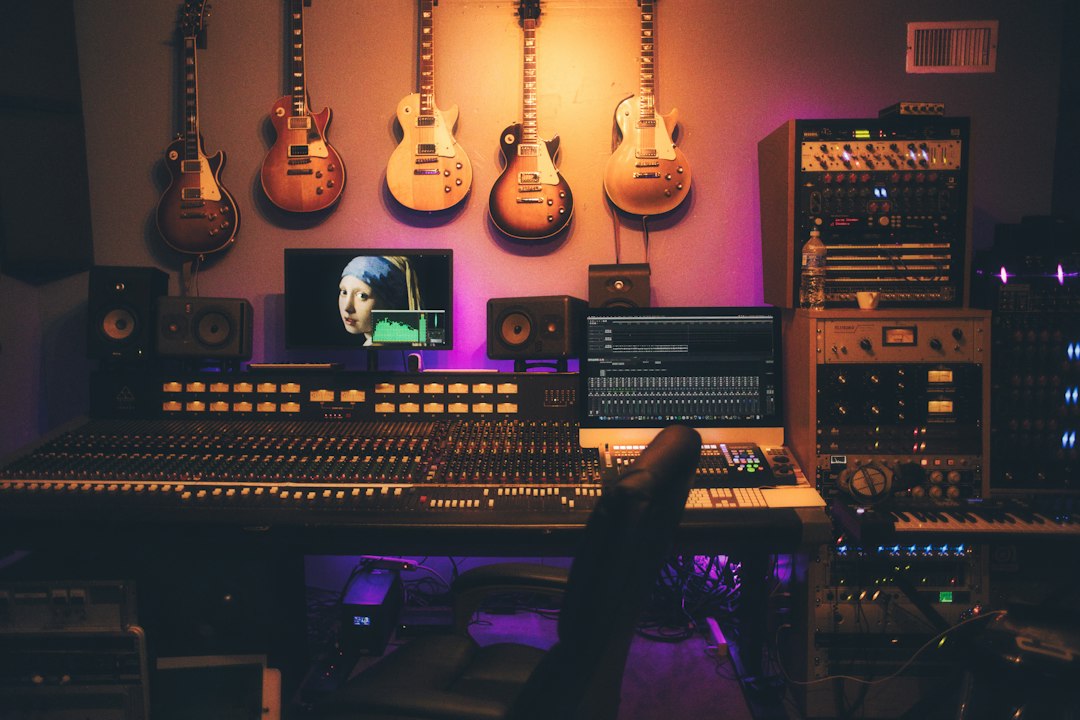
Why Movie Gunshots Sound Different Indoors and Out
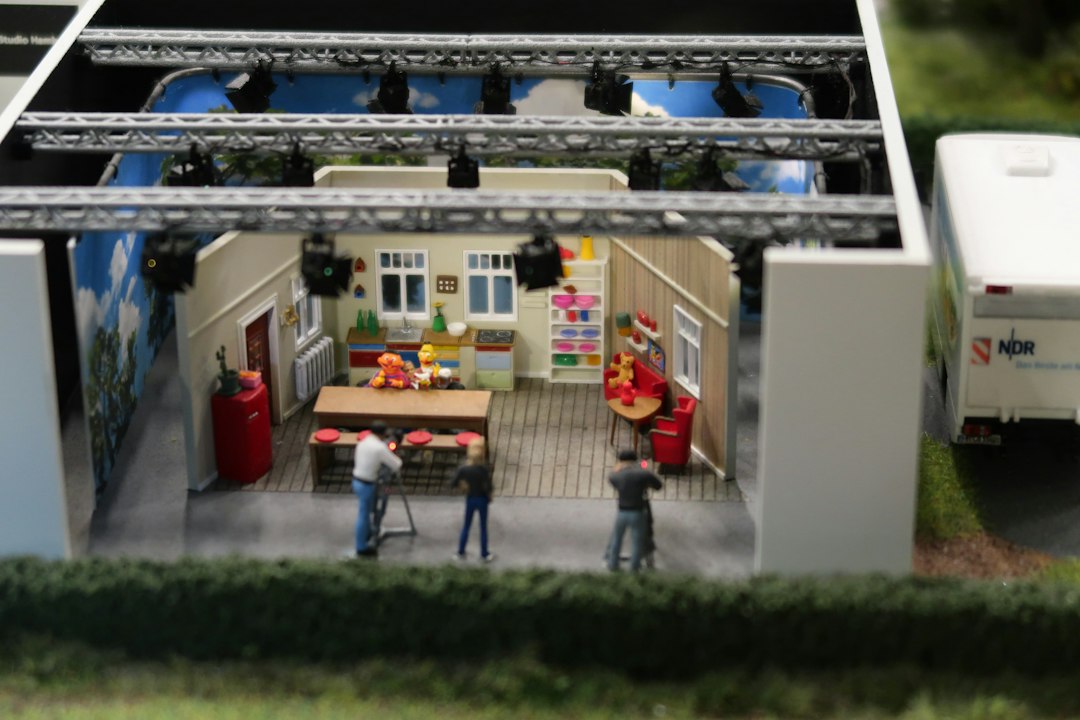
Why Movie Kitchens Are Always Unrealistically Large

Why Movies Show Characters Waking Up So Often
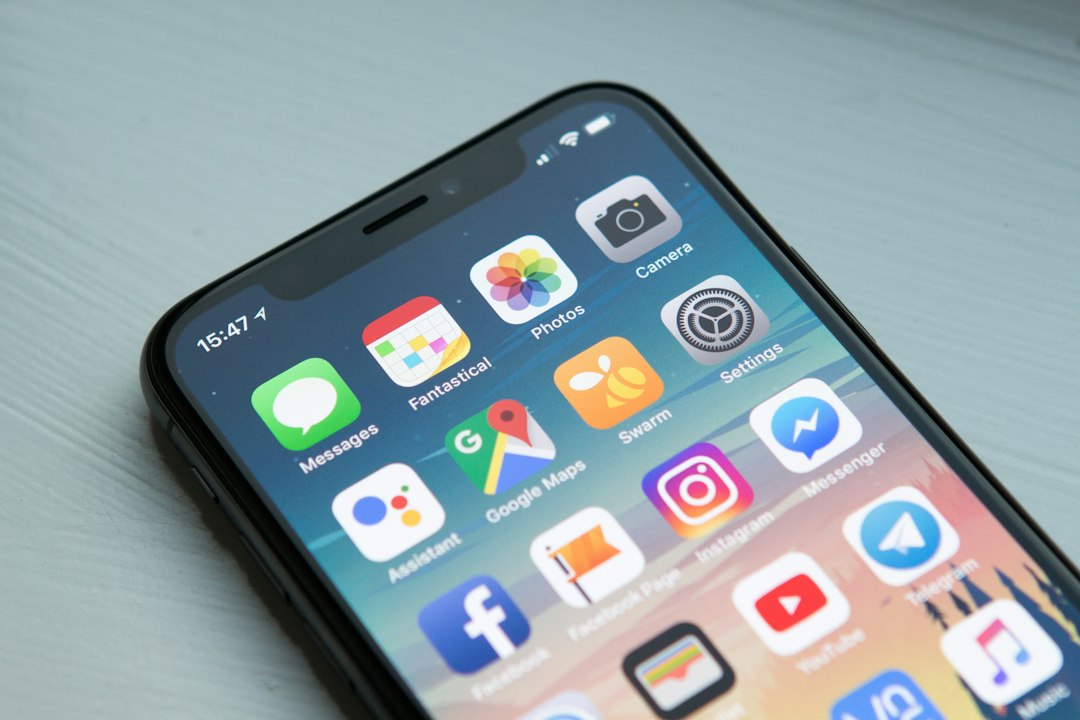
Why Movie Phones Never Show Real UI
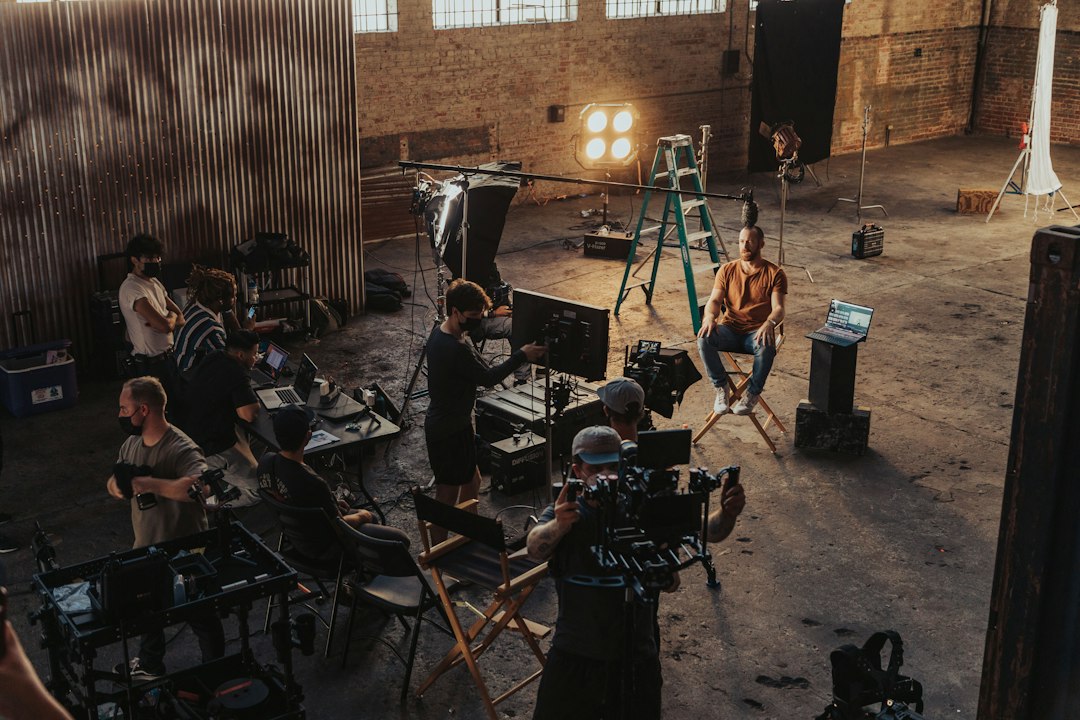
Why Movie Blood Looks Nothing Like Real Blood
Why Movie Fights Sound Nothing Like Real Punches
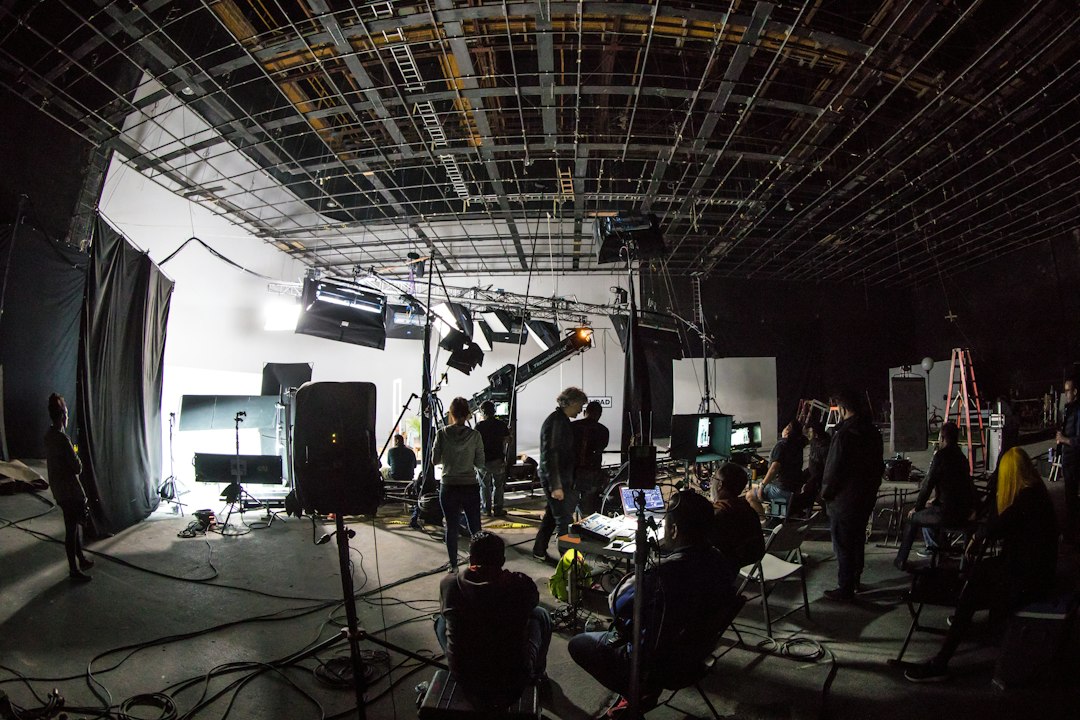
Why Film Actors Rehearse Less Than Stage Actors
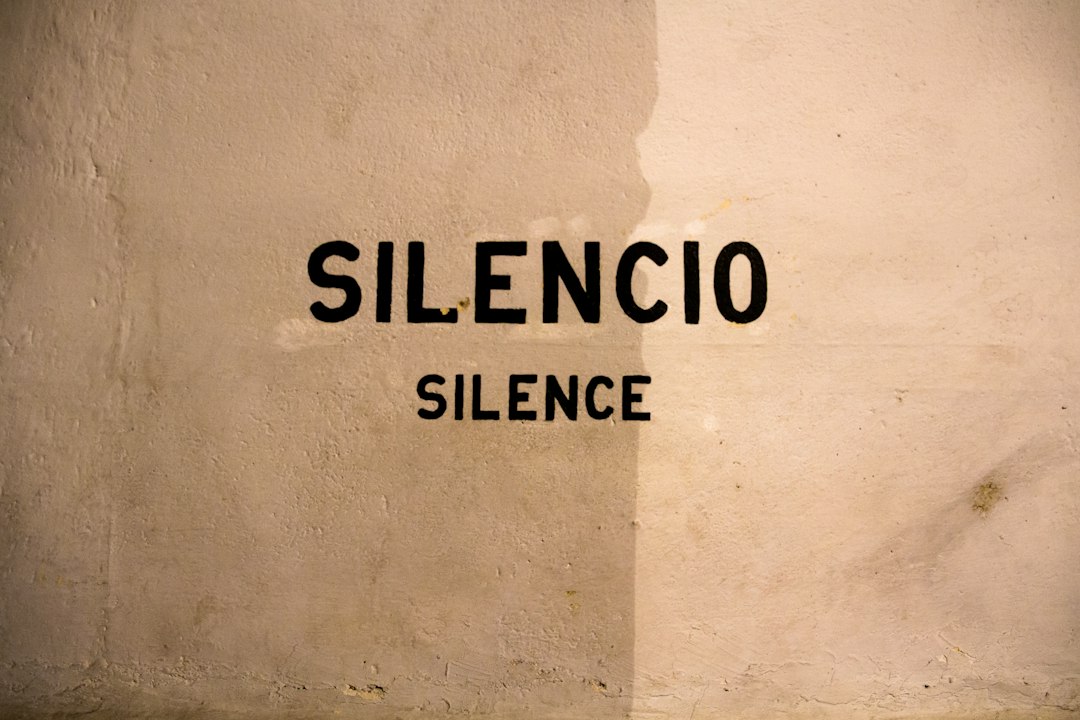
Why Film Sets Go Silent Before Action
The Proscenium Arch: Why Films Frame Scenes Like Stages
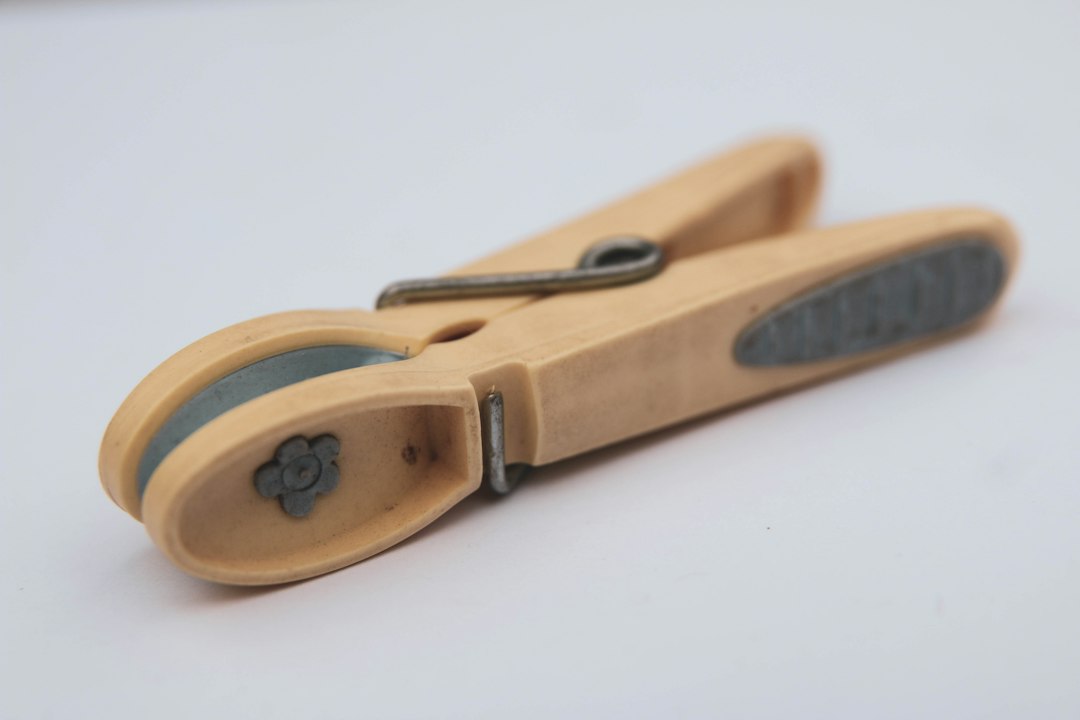
Why Film Sets Use C-47s Instead of Clothespins
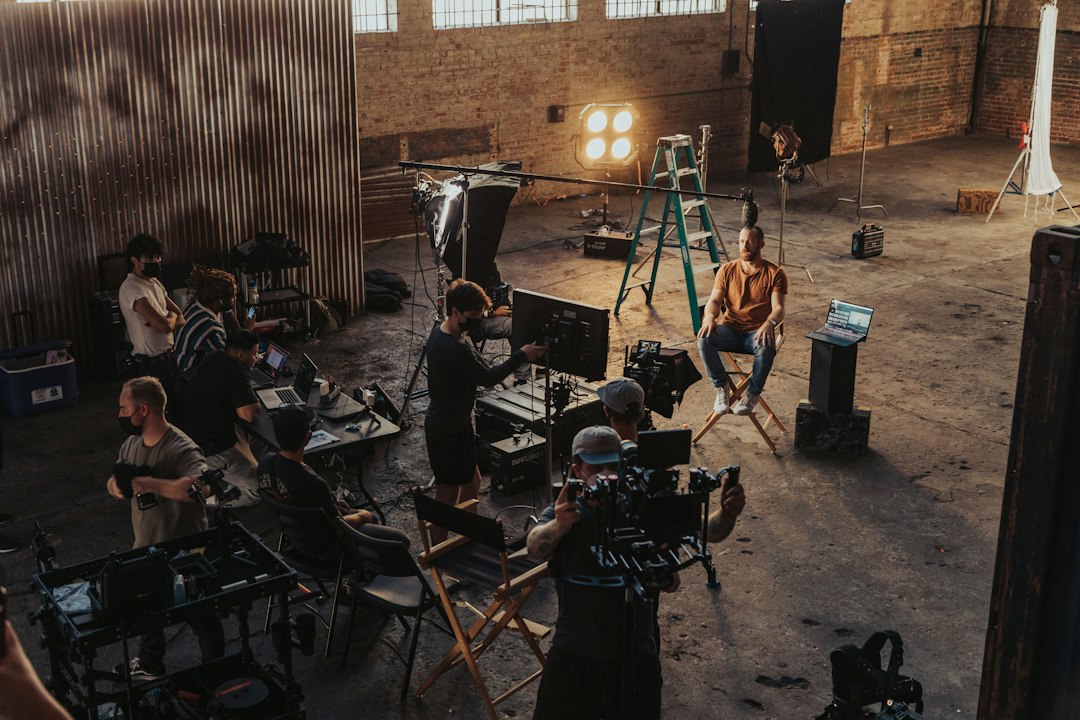
Why Movie Extras Can't Wear Stripes or Busy Patterns
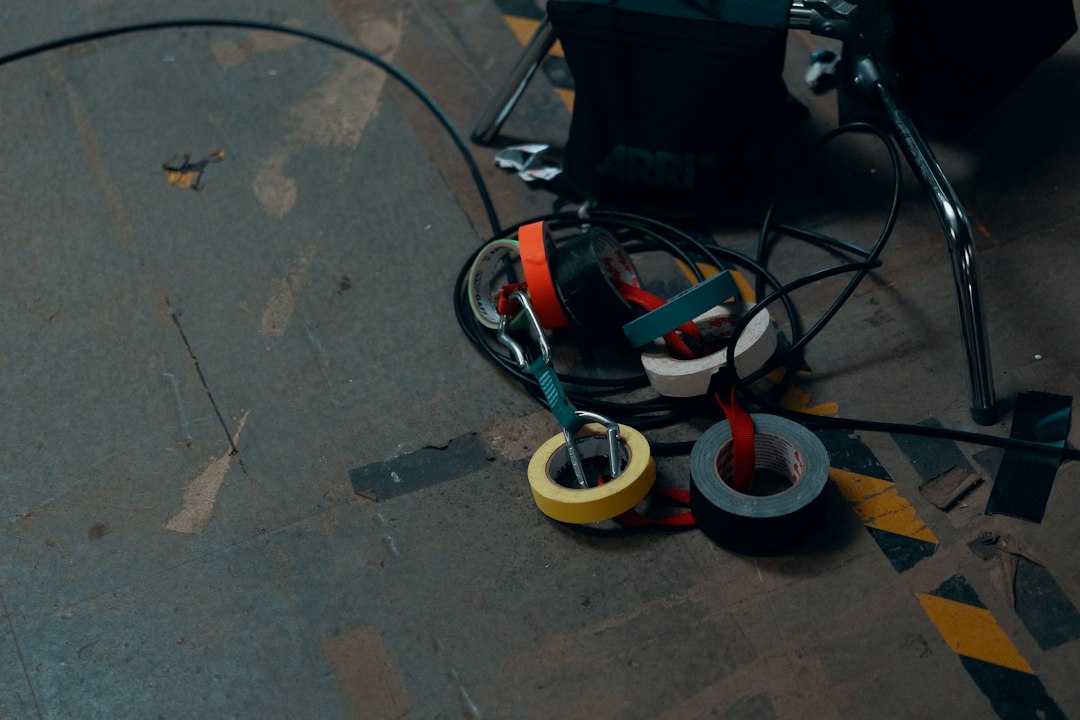
Why Film Sets Use Marks and Tape on the Floor
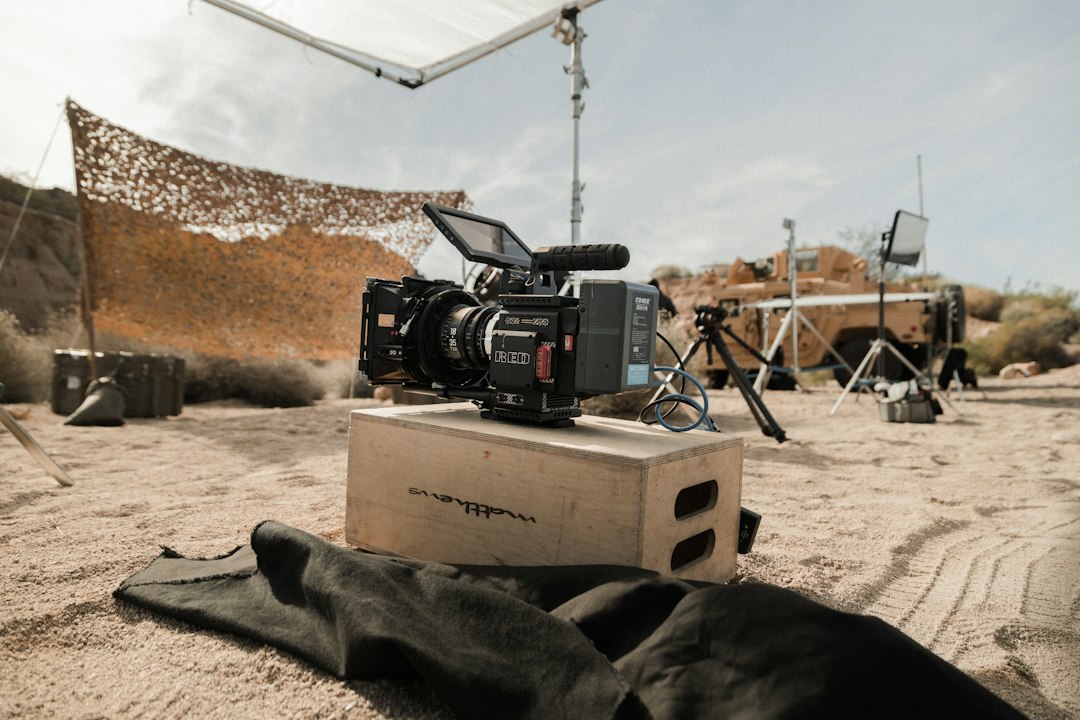
Why Film Sets Use Apple Boxes Instead of Regular Boxes
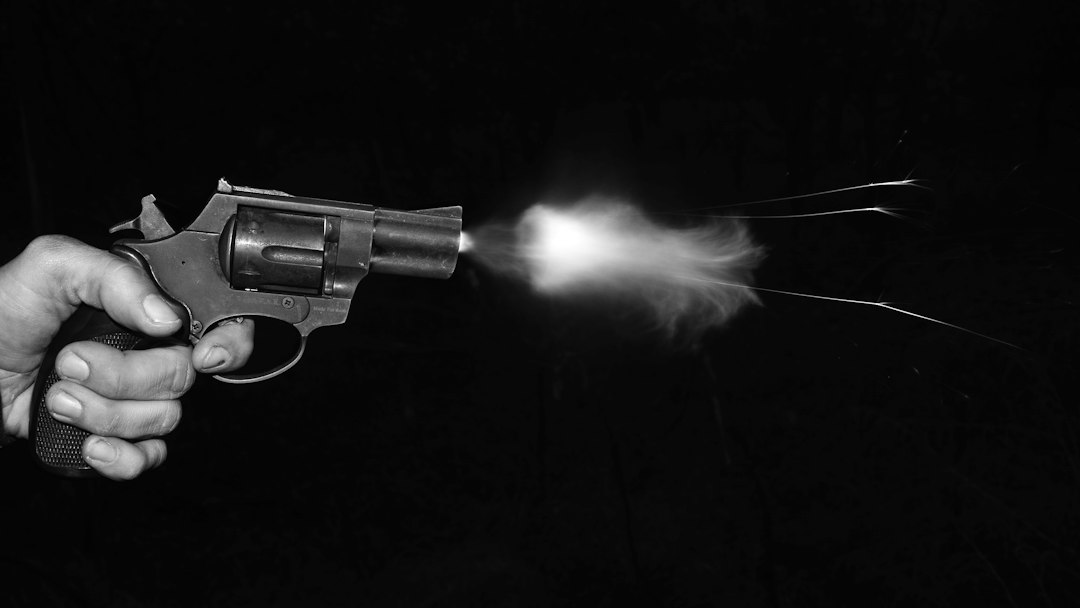
Why Movie Guns Never Run Out of Bullets
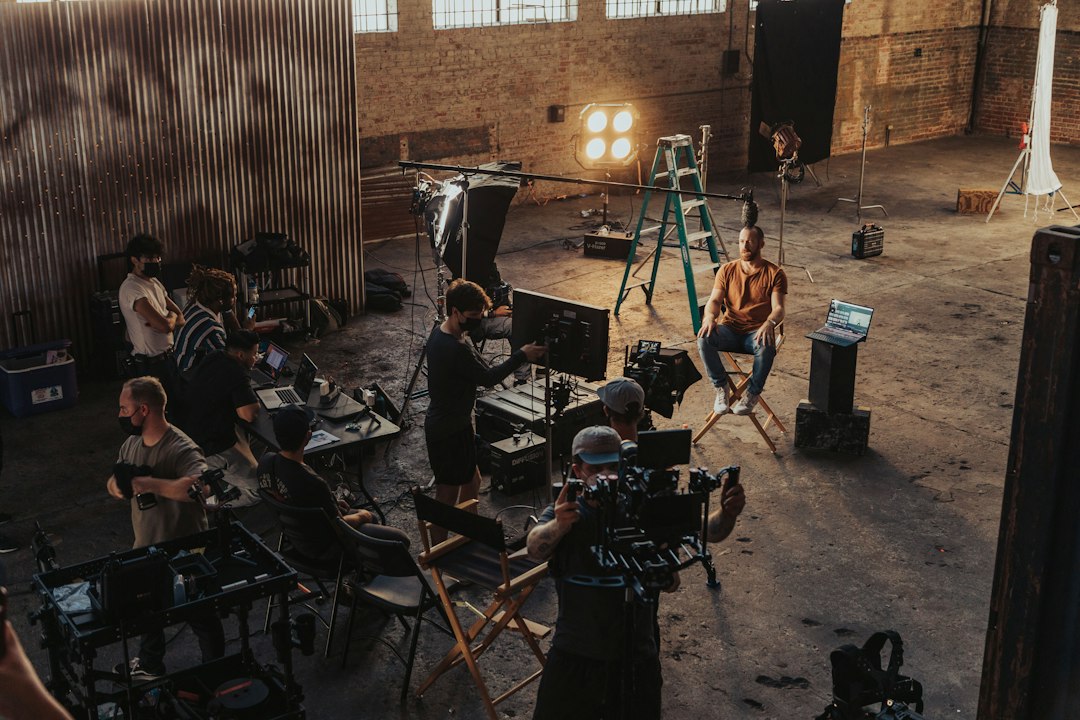
Why Film Crews Call It "Wrapping"
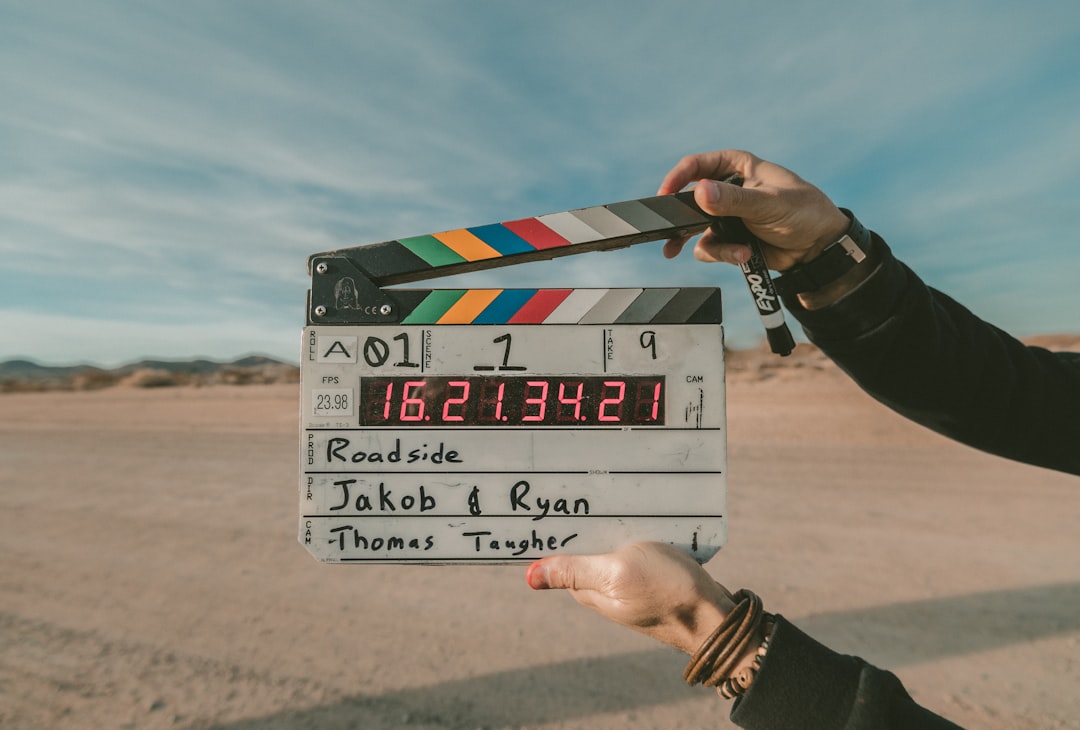
Why Film Sets Say "Rolling" Instead of "Recording"
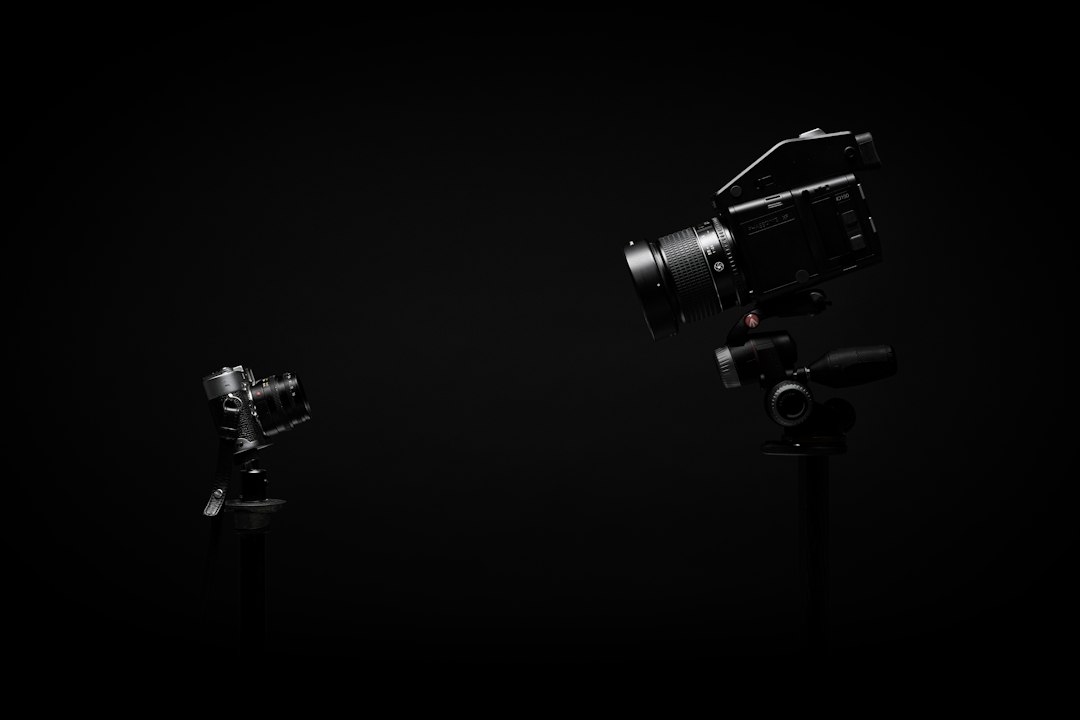
Why Film Cameras Still Shoot at 24 FPS When Digital Can Do Anything
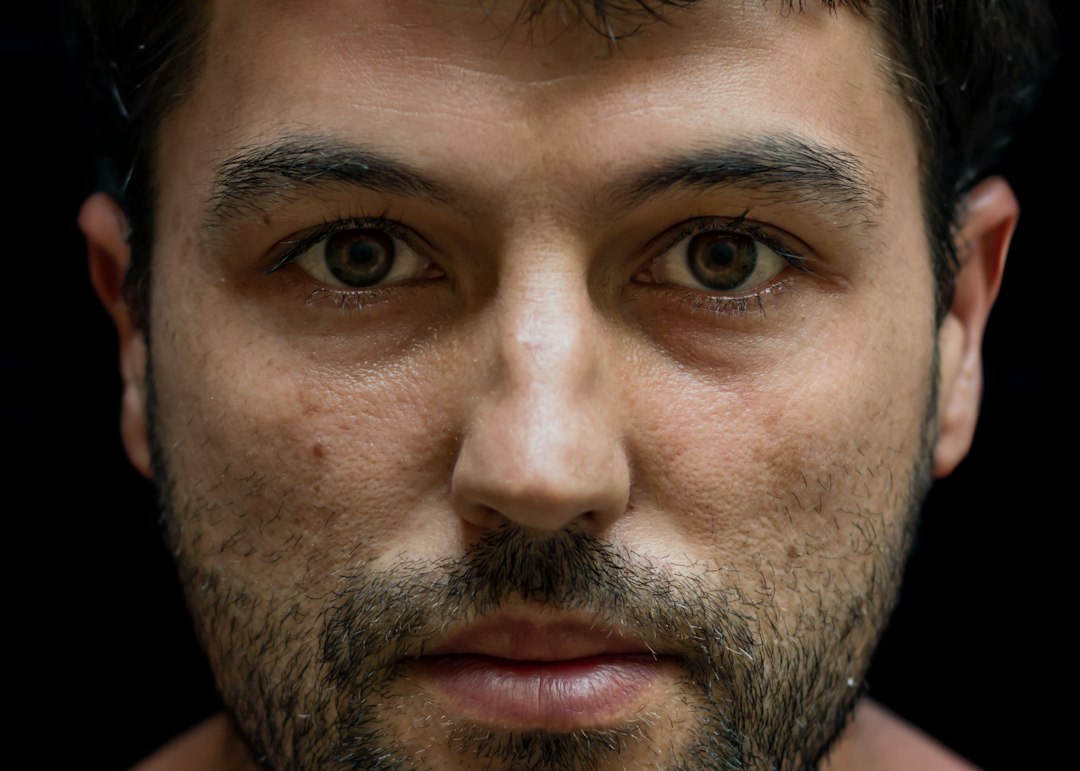
The Eyebrow Game: Why Actors Rehearse Micro-Expressions
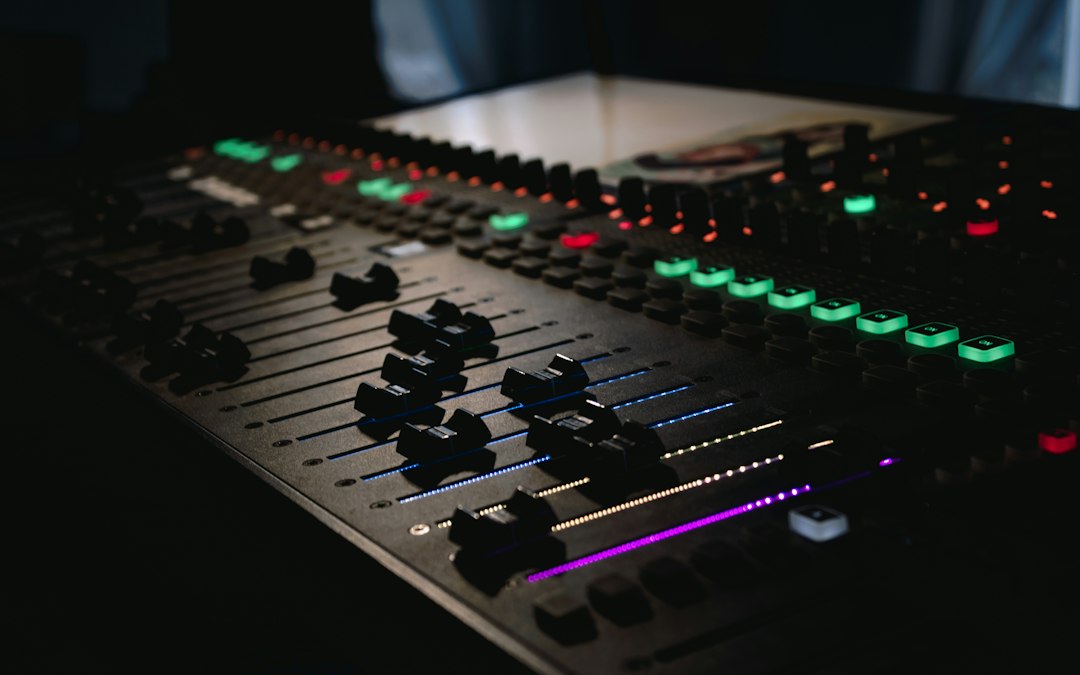
Why Movie Guns Sound Nothing Like Real Guns
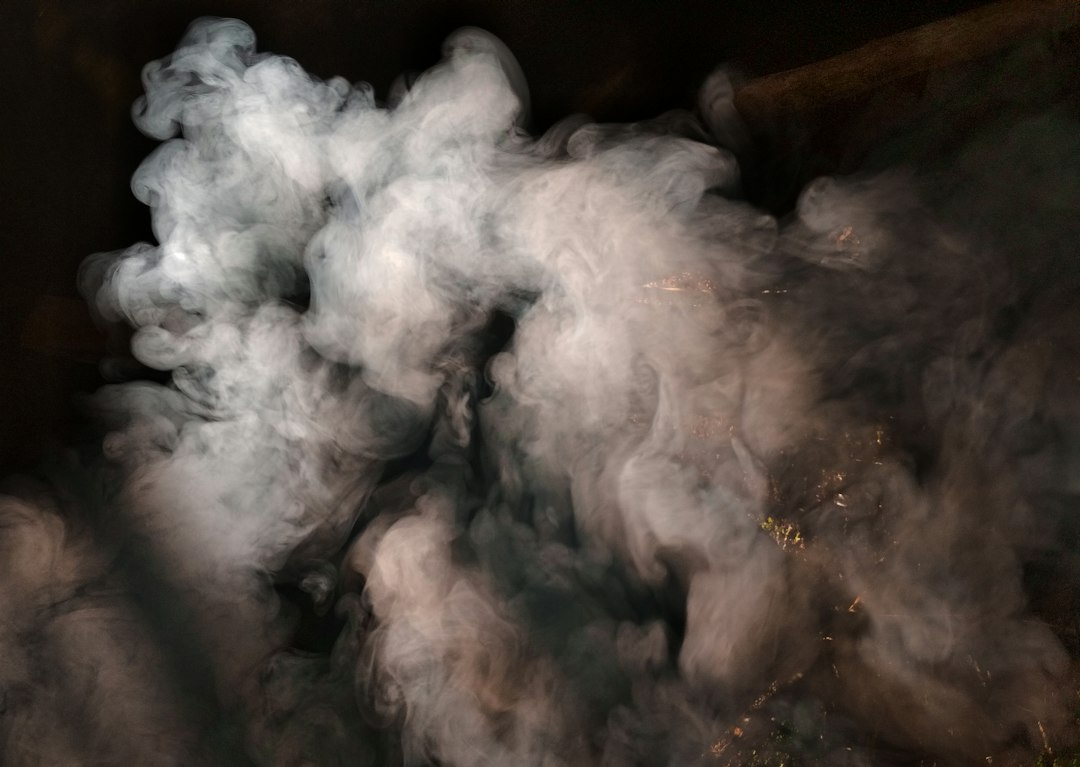
Why Film Sets Use Smoke Machines Constantly
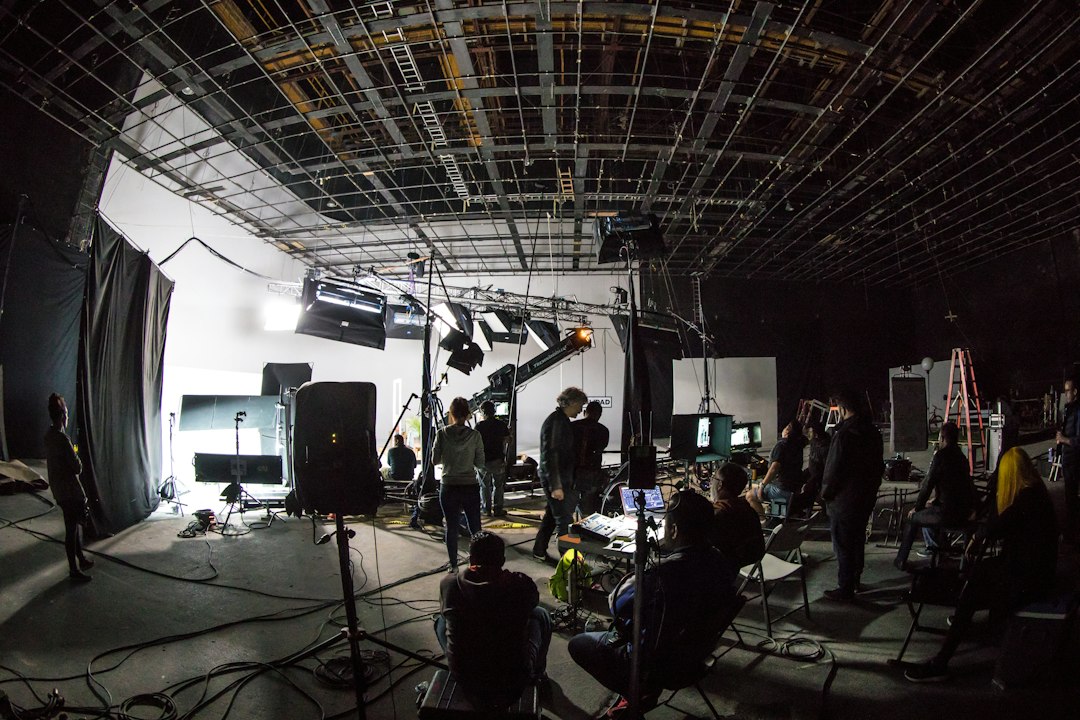
Why Film Sets Use "Peas and Carrots" for Background Dialogue
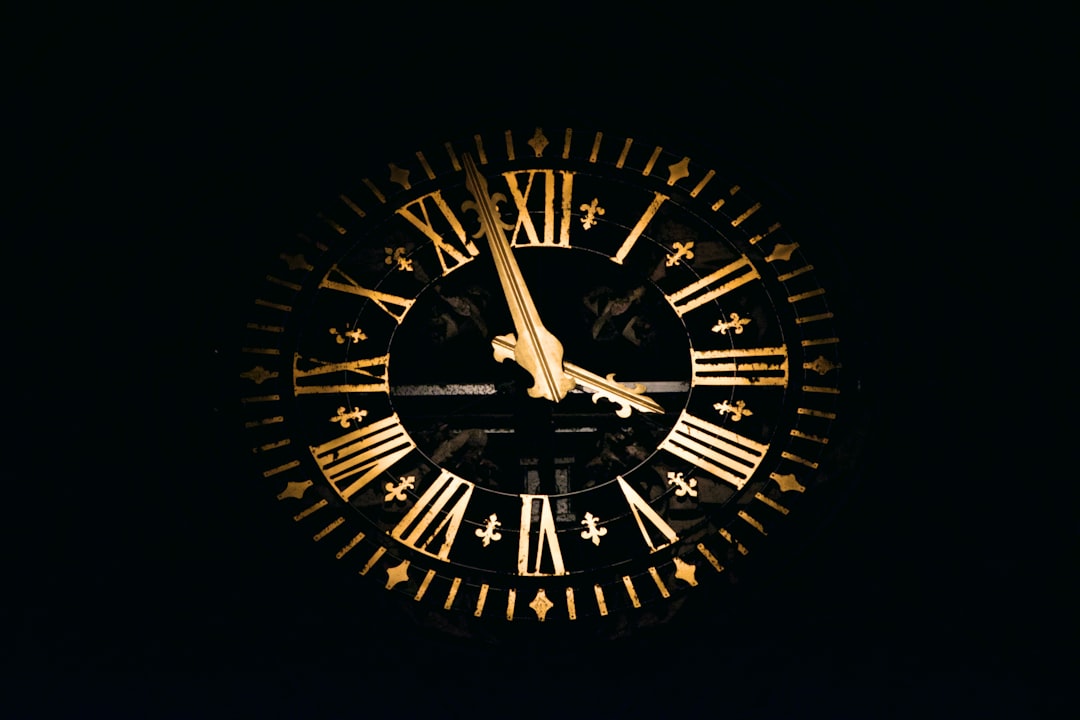
The Ticking Clock: How Films Engineer Urgency
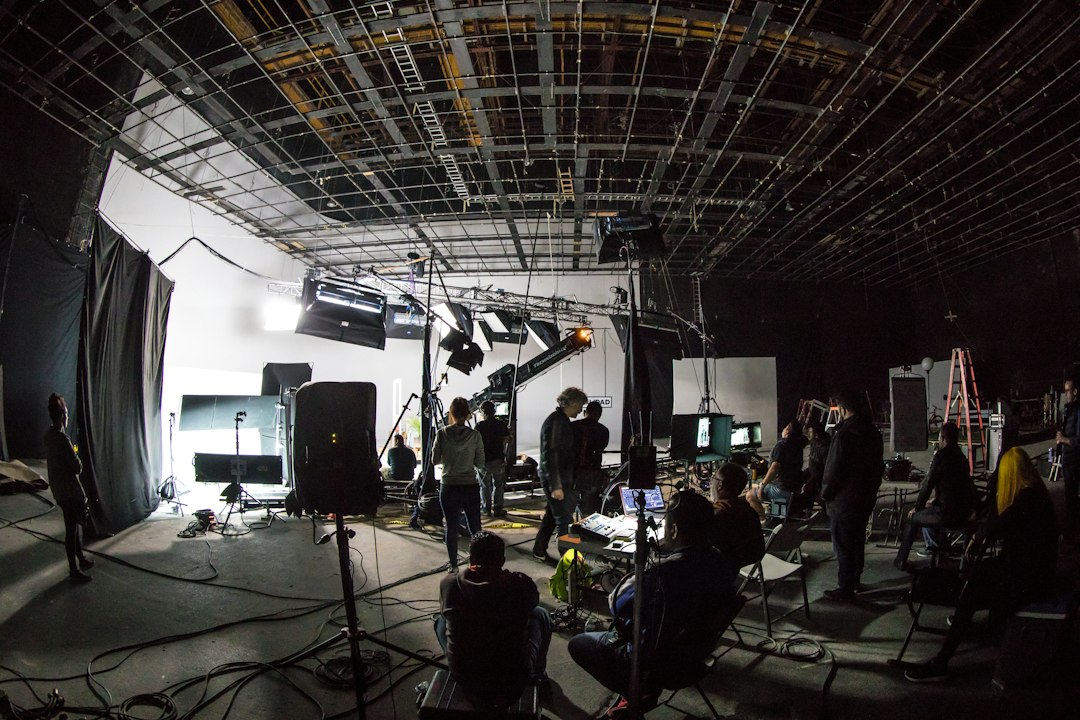
Why Film Sets Use "First Team" and "Second Team"
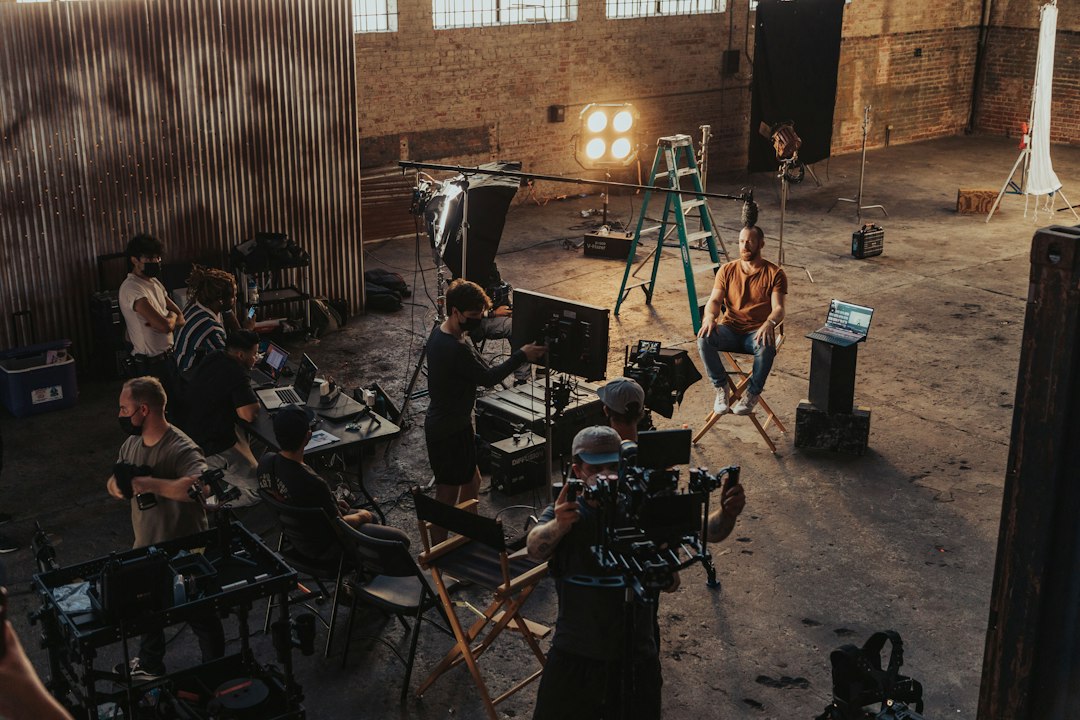
Why Film Sets Use "Last Looks" Before Action
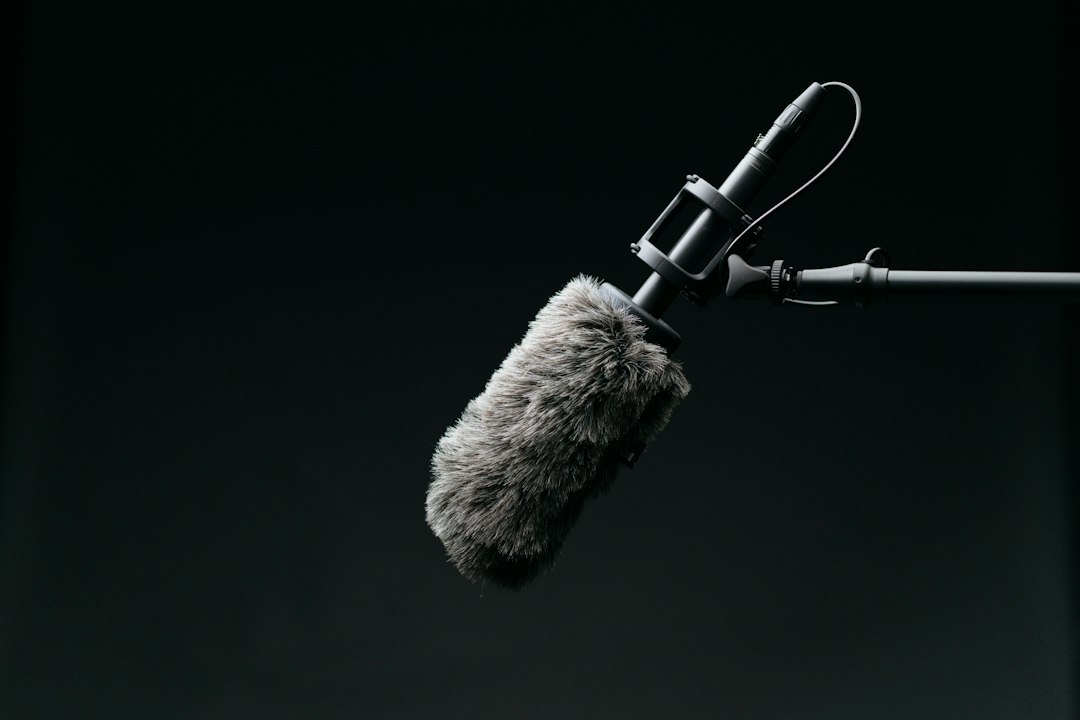
The Room Tone: Why Sets Must Record Silence
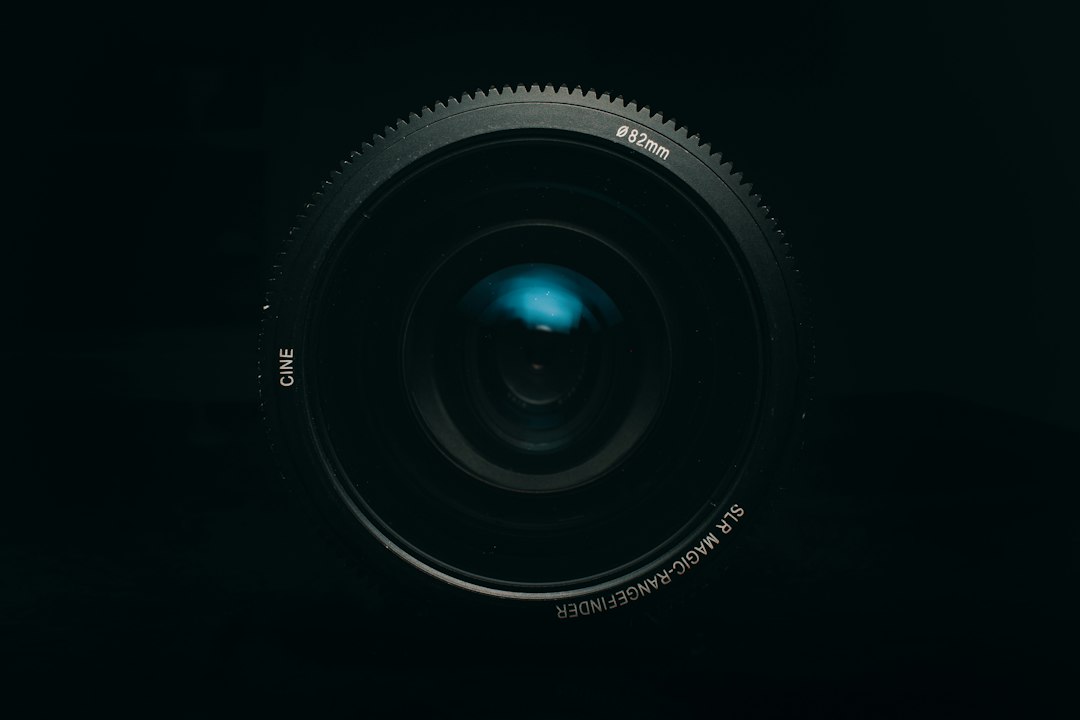
Why Films Add Fake Lens Flares in Post-Production

The Overhead Shot: Cinema's God Perspective
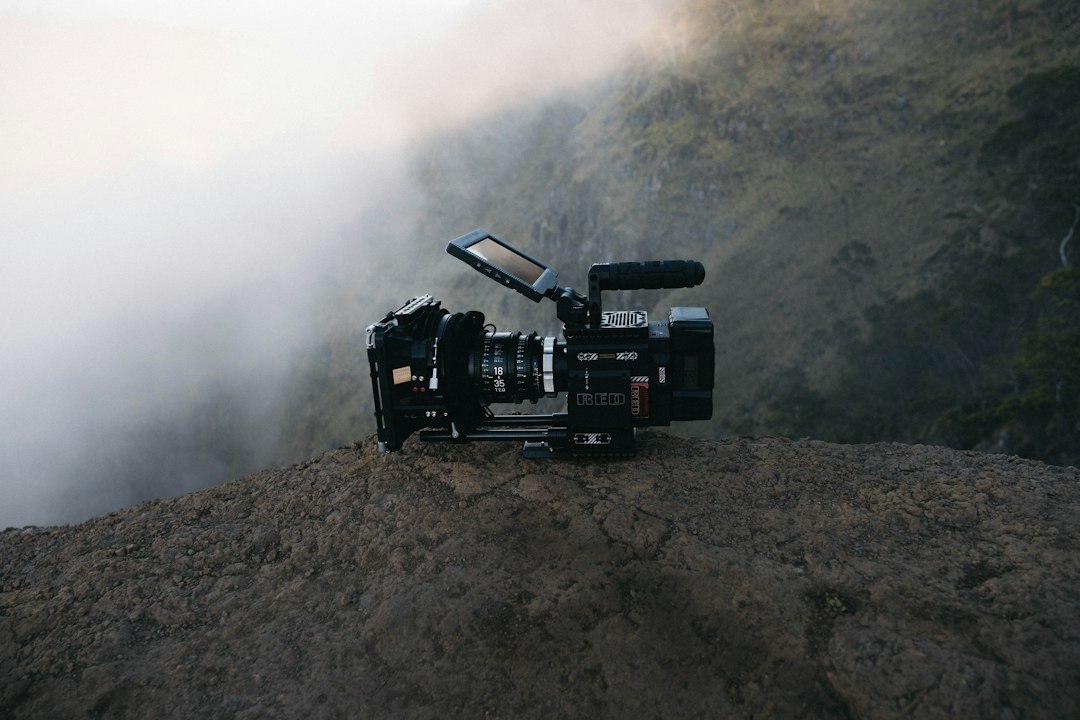
Why Film Sets Use "Checking the Gate"
The 20-Minute Rule: Why Films Front-Load Their Best Moments
The Two-Shot: What Sharing the Frame Actually Means
Negative Space: What the Empty Parts of the Frame Are Doing
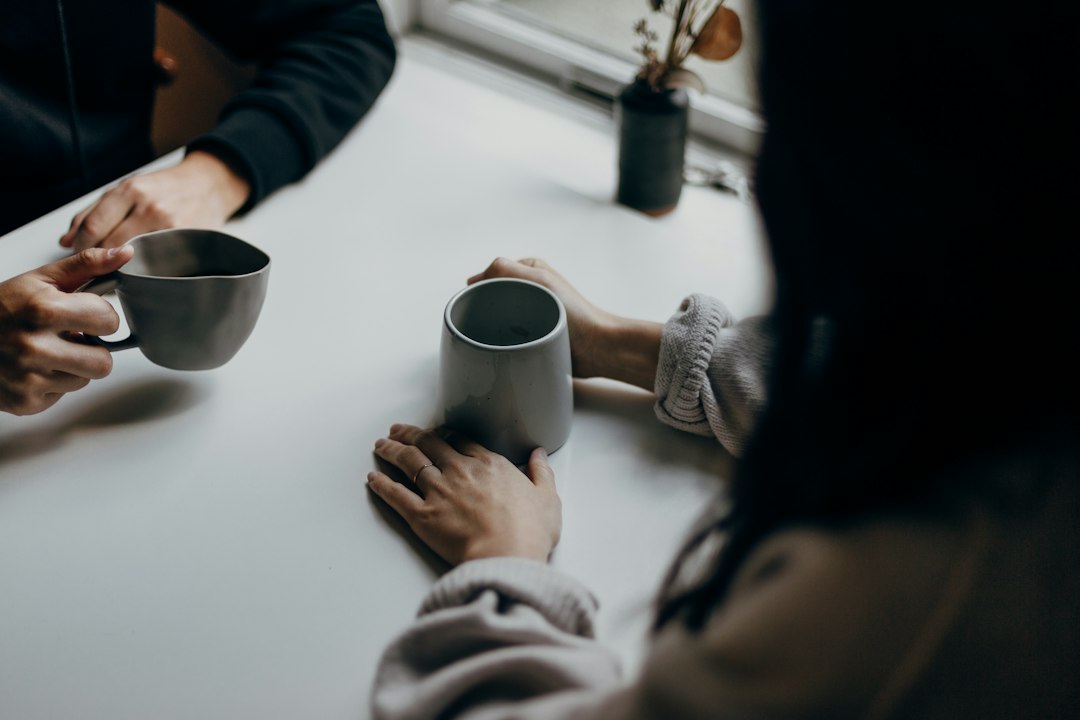
The Art of What Characters Don't Say
Motivated Camera Movement: Why Every Shot Needs a Reason to Move
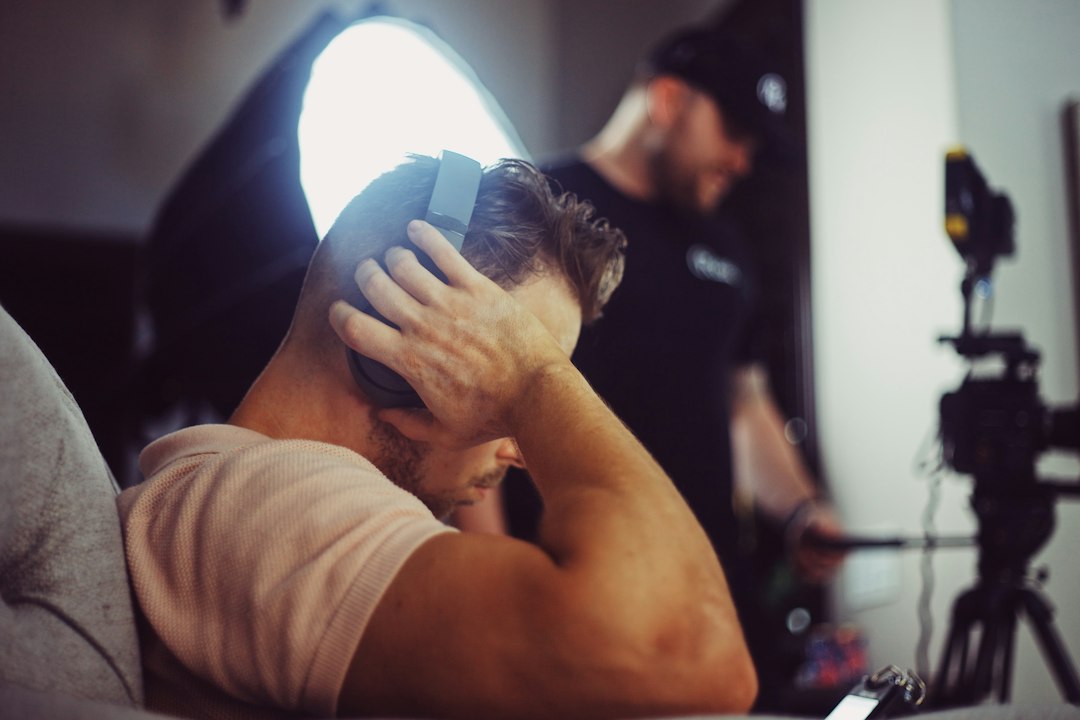
The Reaction Shot: Cinema's Most Human Instrument
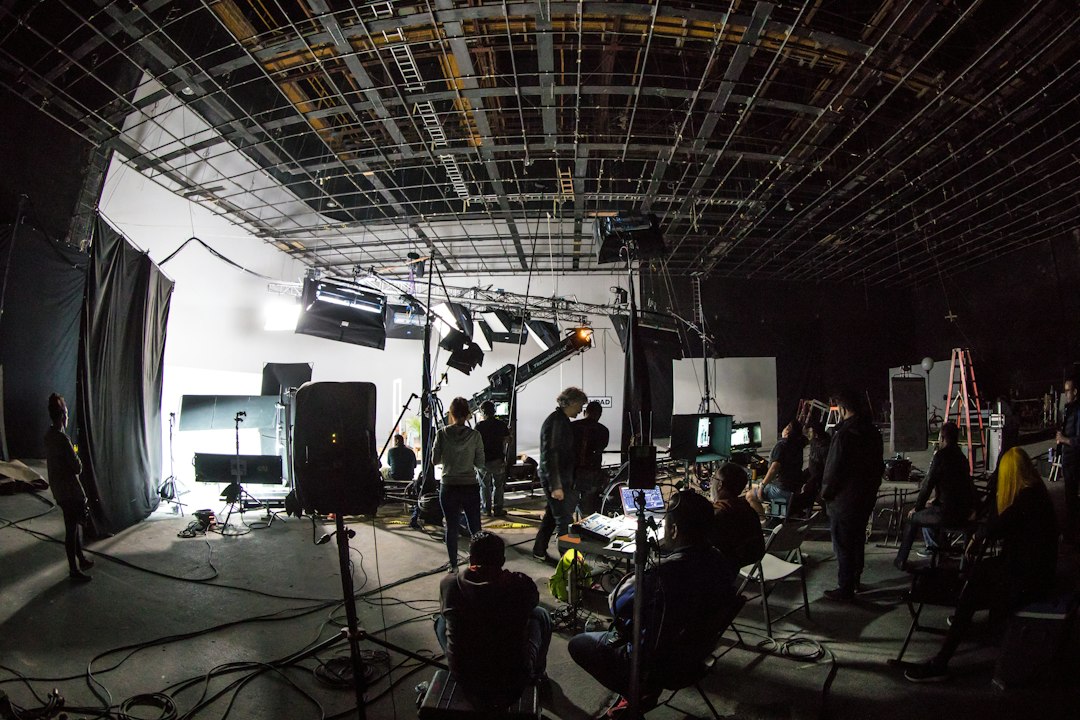
Three-Point Lighting: The Formula Behind Every Well-Lit Film
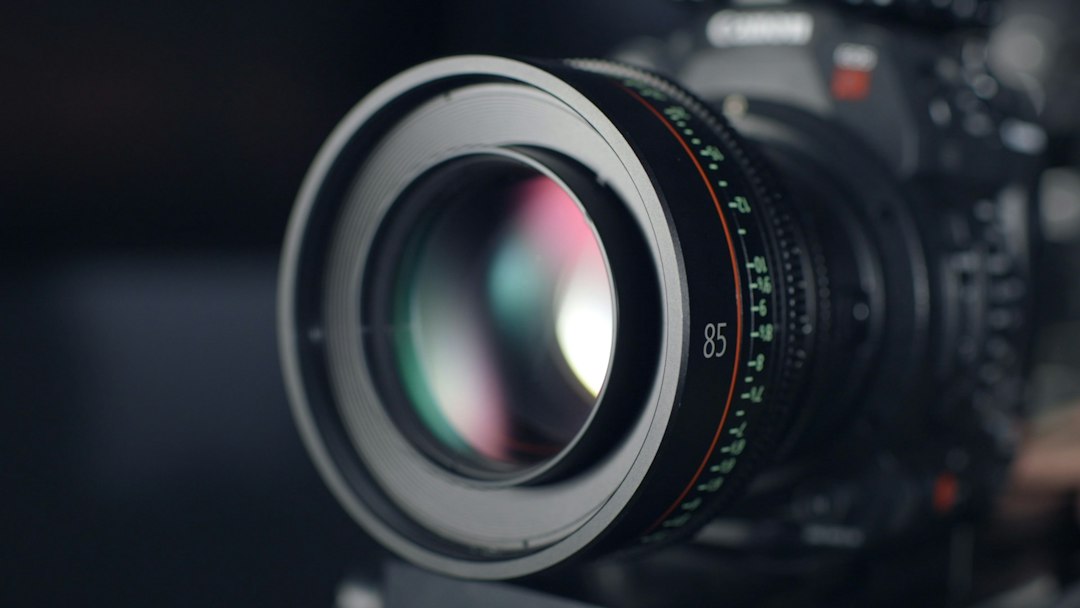
High Angle, Low Angle: How Camera Height Shapes Every Scene
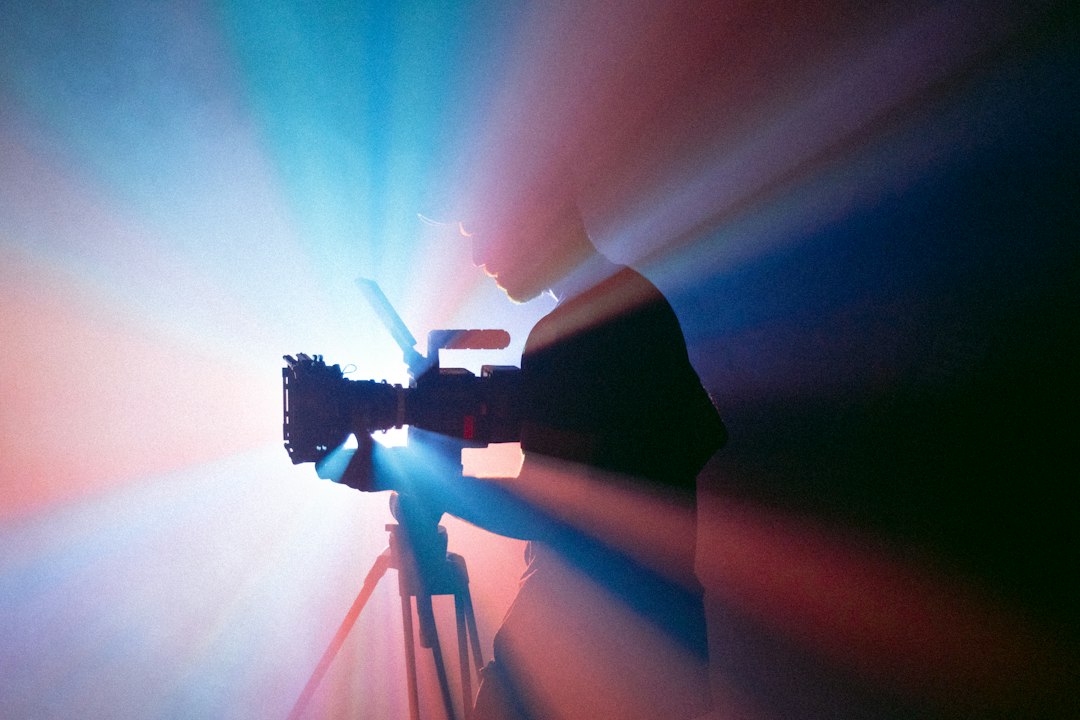
The Oner: Why Filmmakers Build Entire Scenes in a Single Shot
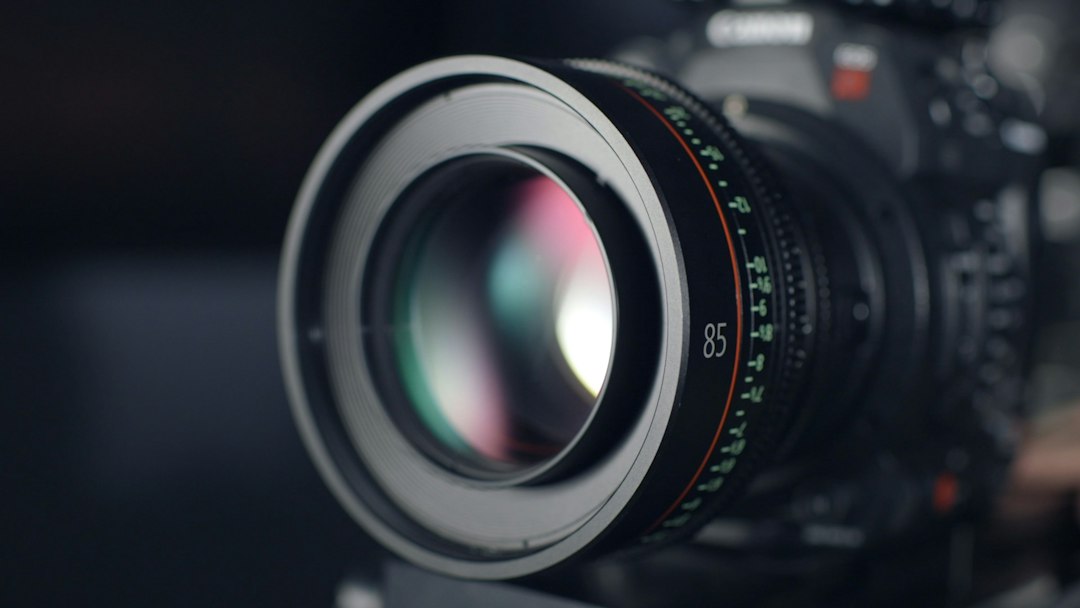
The 5-Second Rule: Why Opening Shots Matter
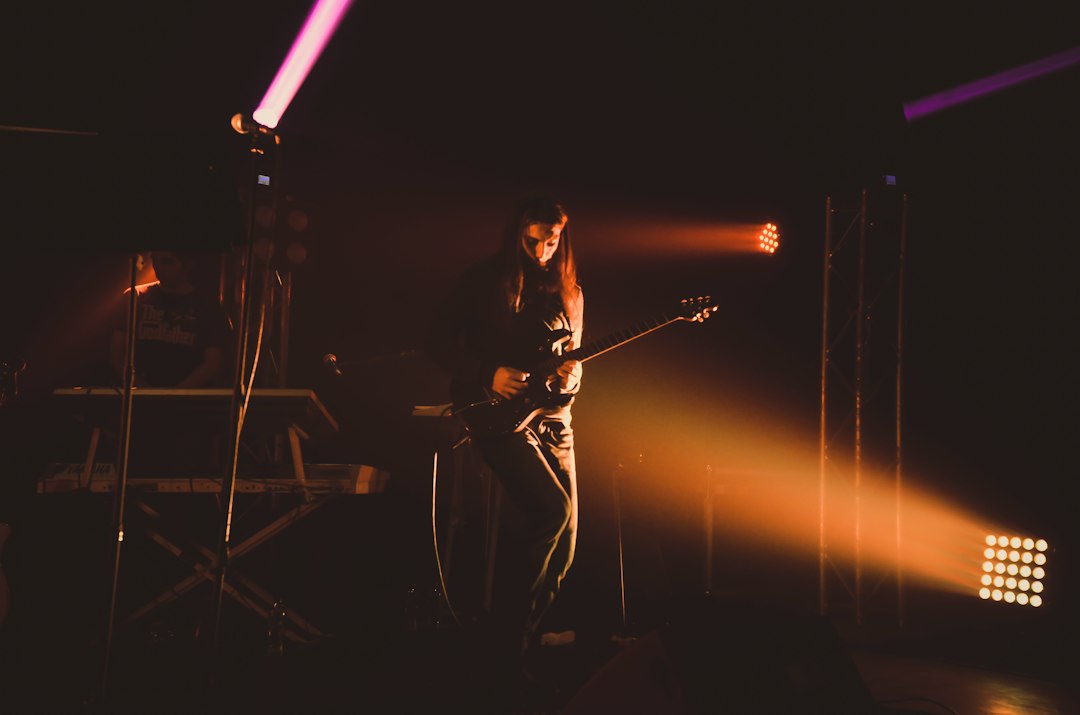
Why Film Sets Use Haze and Atmosphere
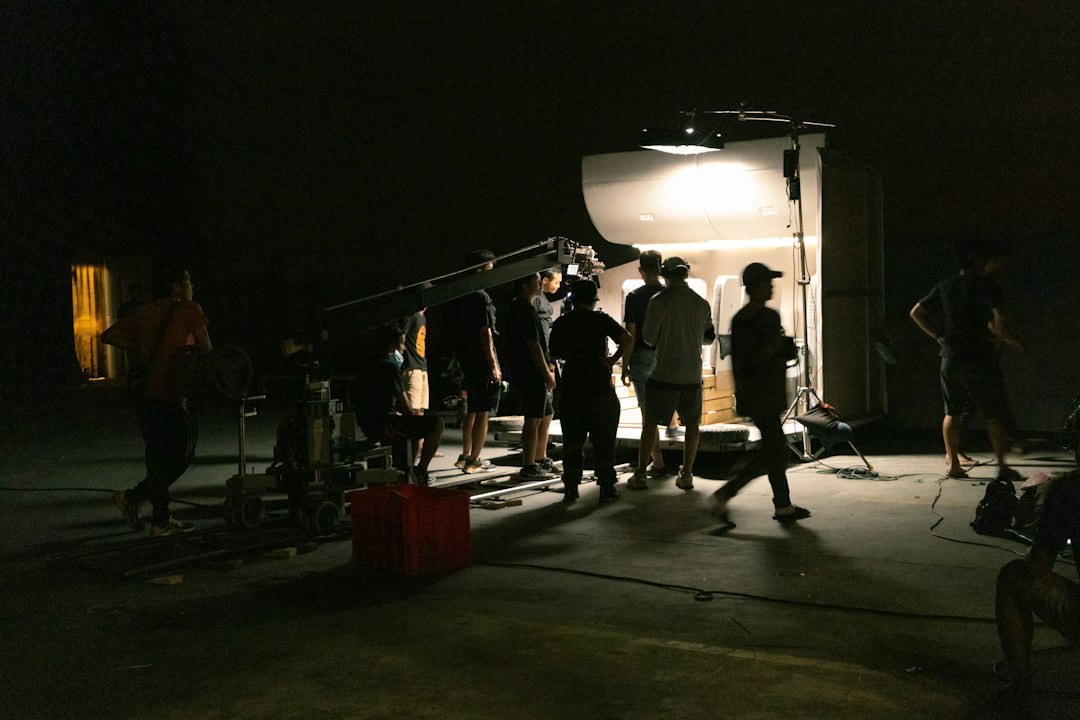
Why Film Sets Use Sandbags Everywhere
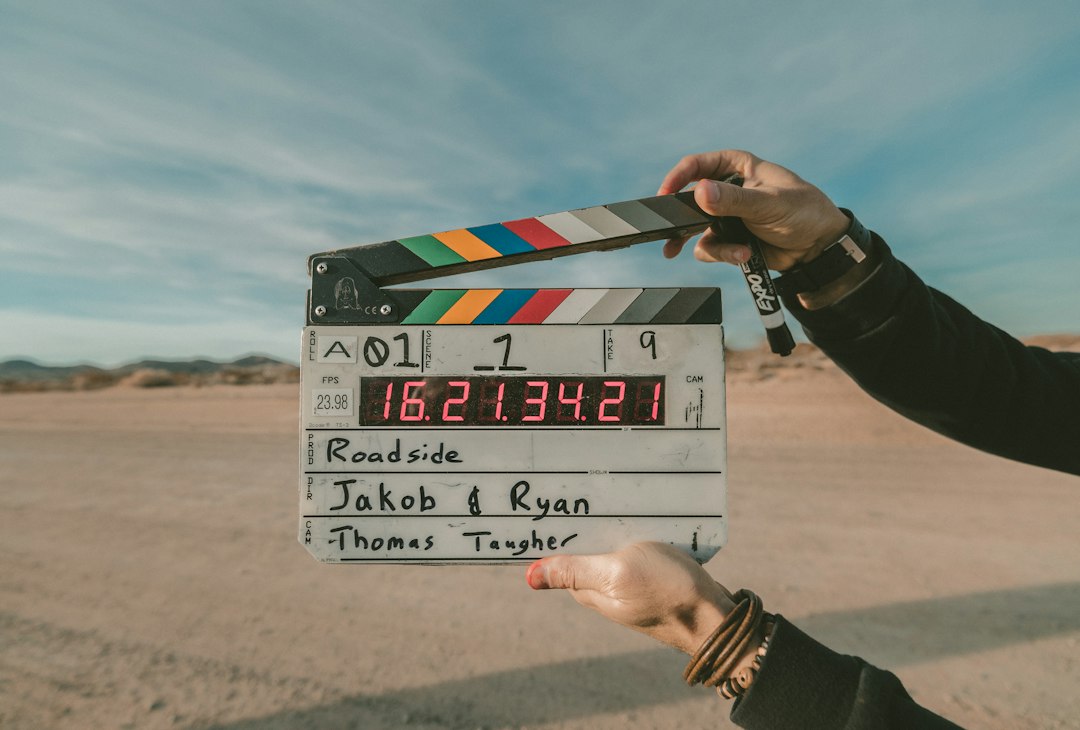
Why Films Are Shot at 24fps but Released at 23.976fps
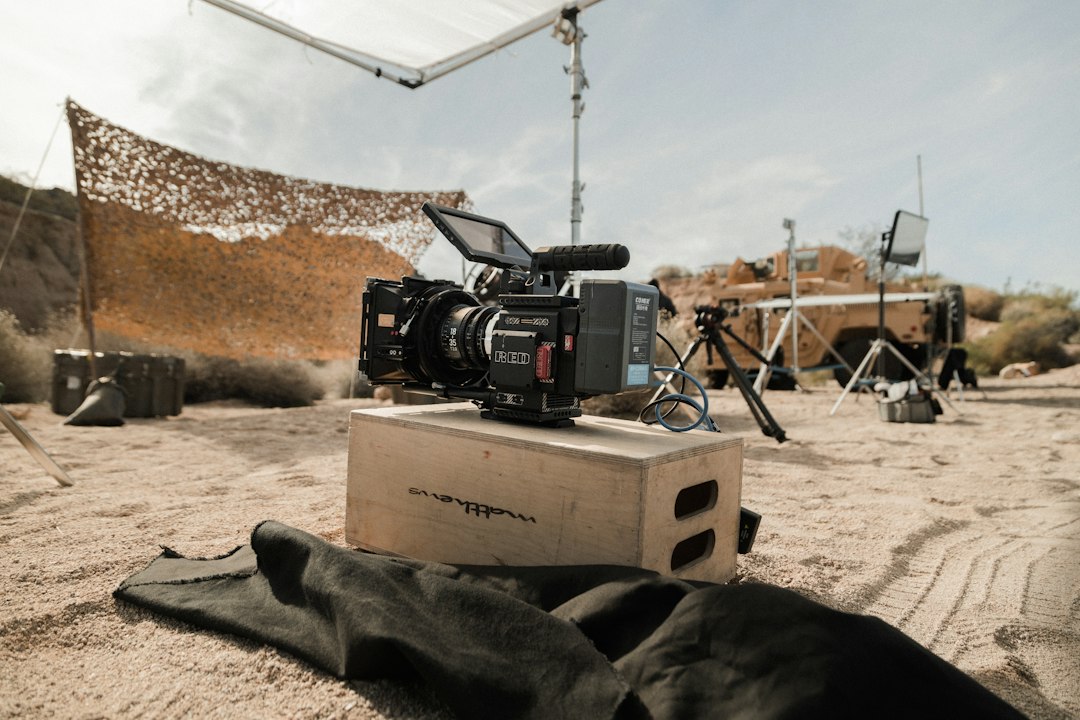
Why Film Sets Use Apple Boxes
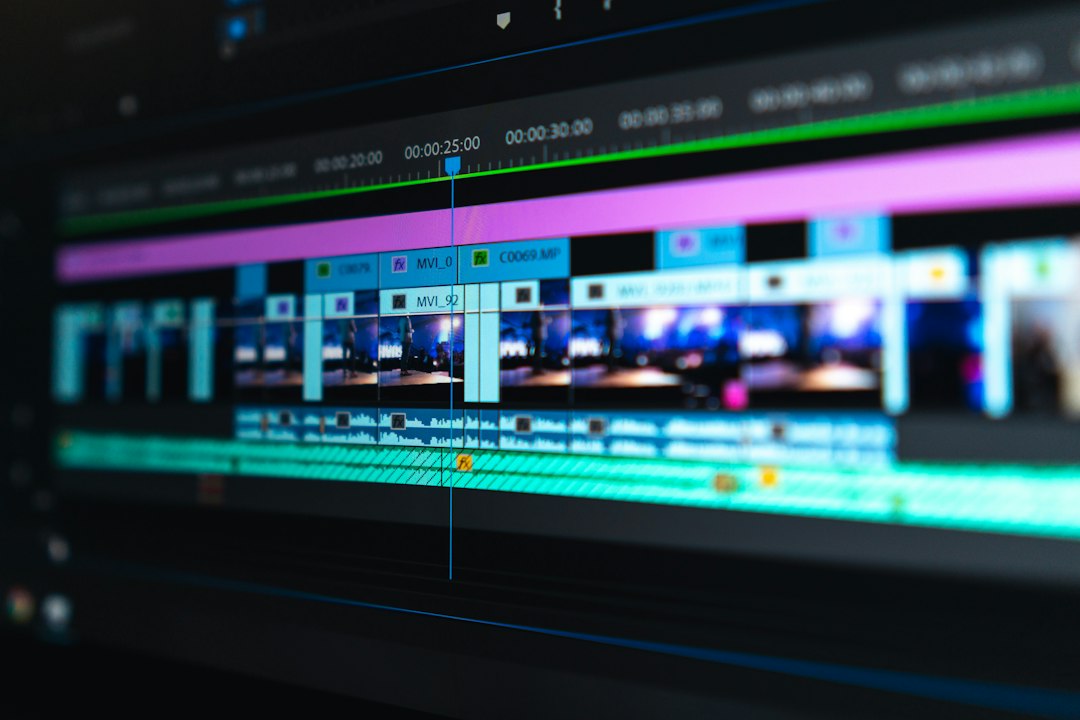
Why Movie Trailers Show the Best Scenes
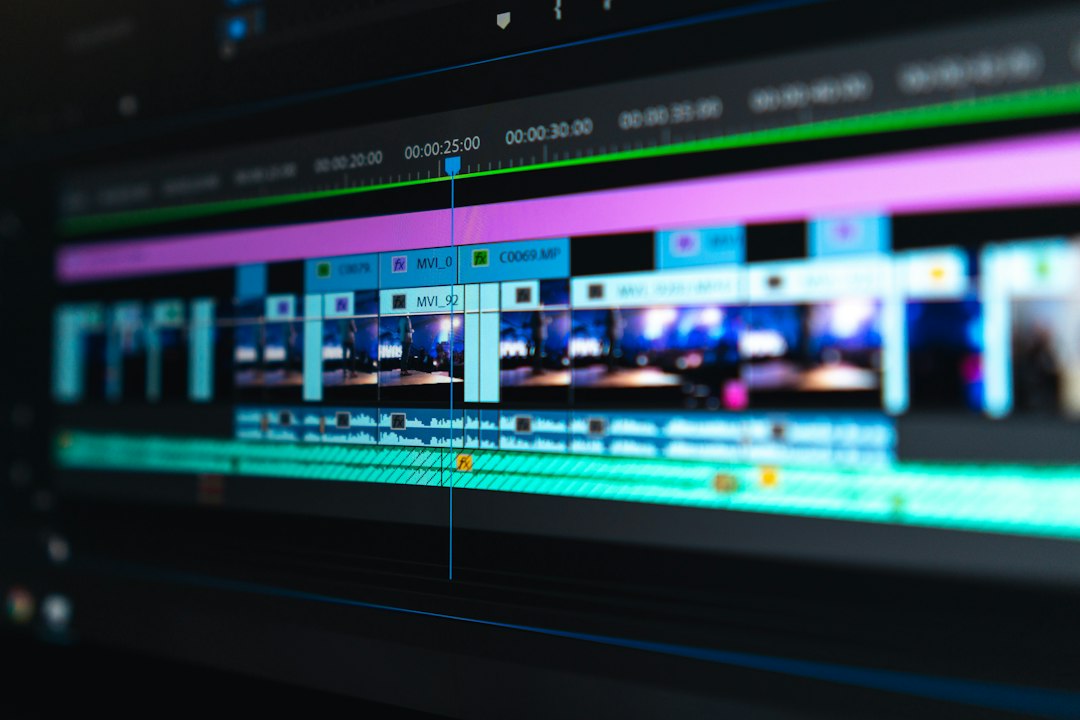
The Invisible Cut: Why We Don't Notice Most Film Edits
The 30-Degree Rule: Why Cuts Need Distance
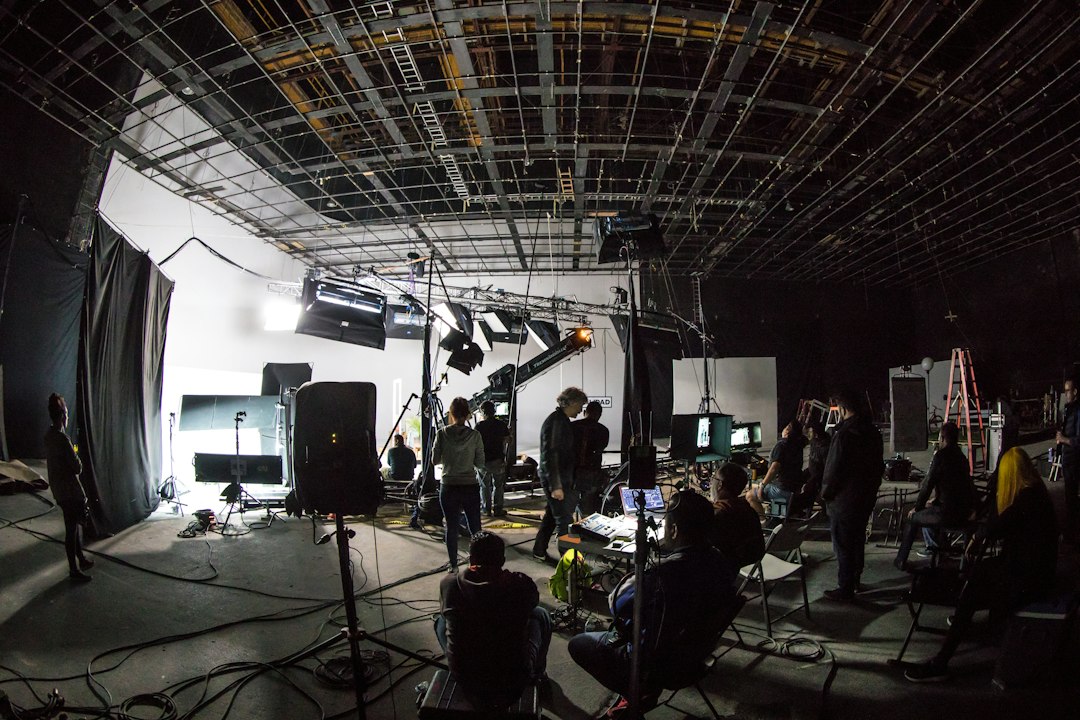
Why Film Sets Use "Martini Shot" and "Abby Singer"
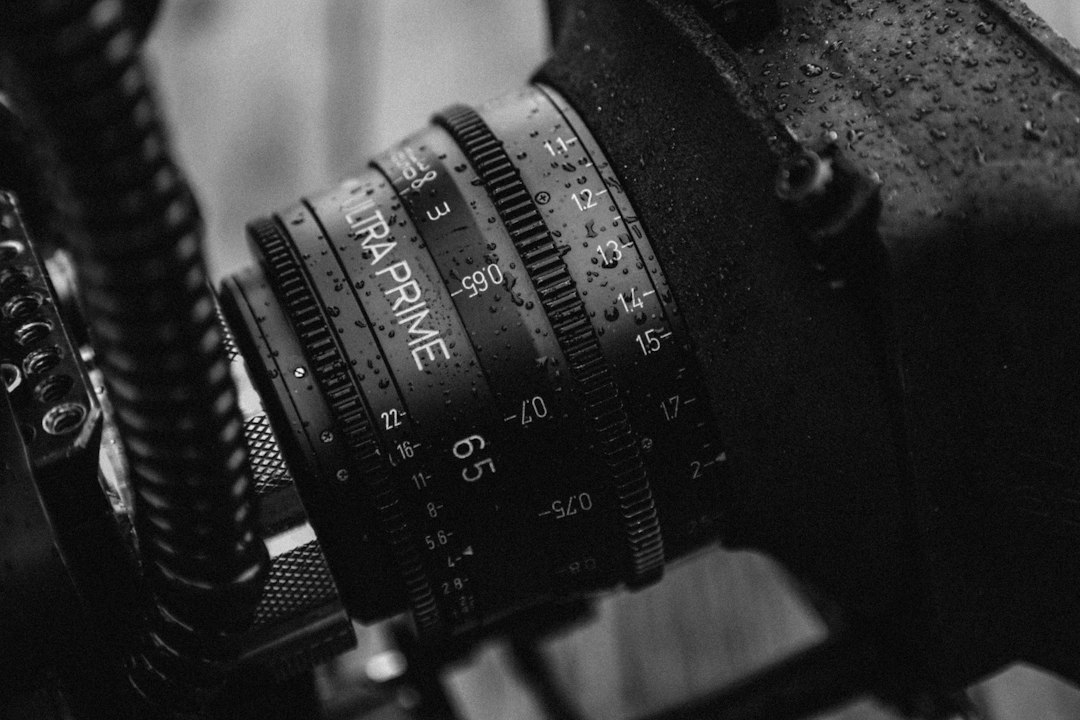
The Eyeline Match: How Films Connect Space and Gaze
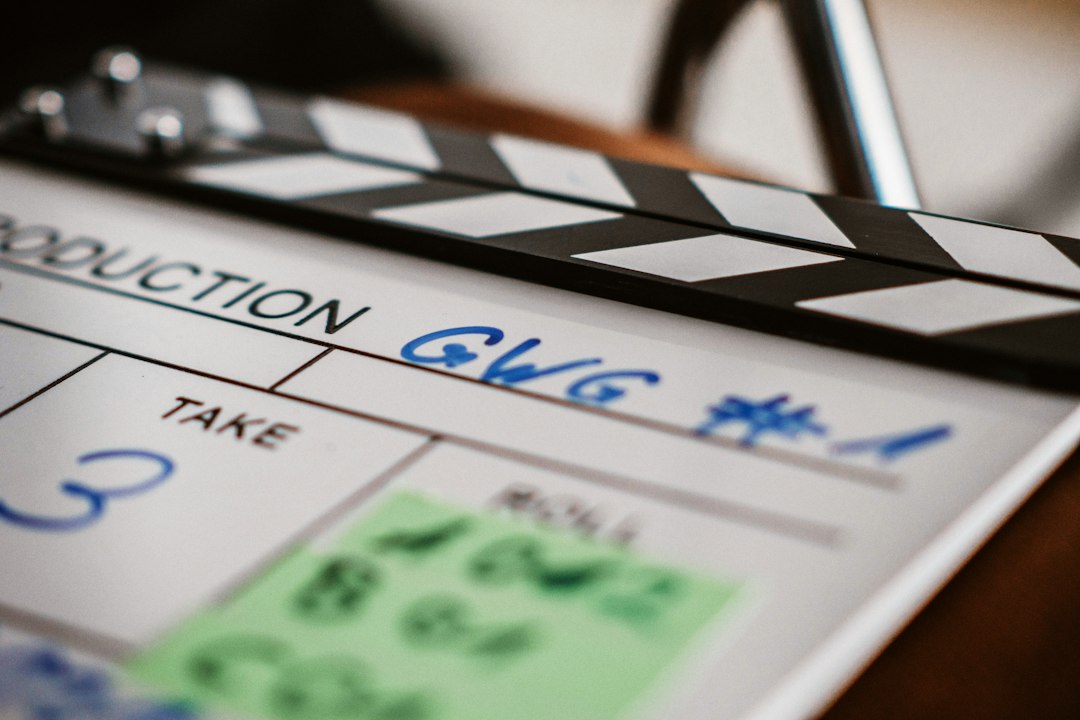
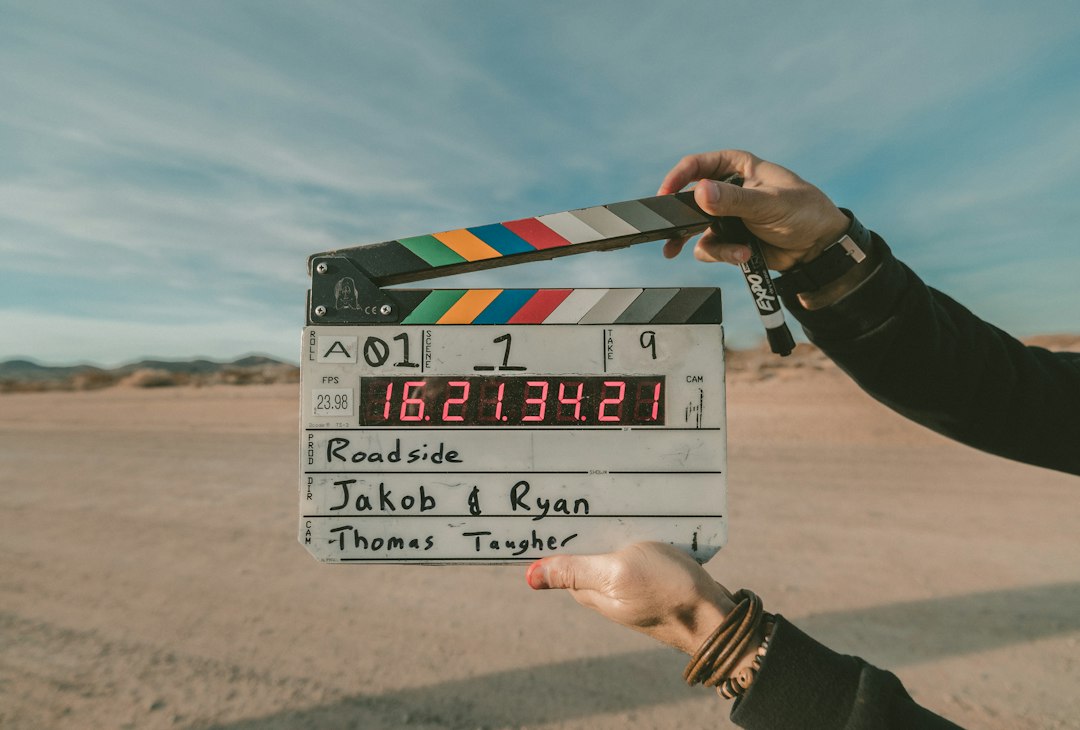
Why Film Sets Use Clapperboards in the Digital Age
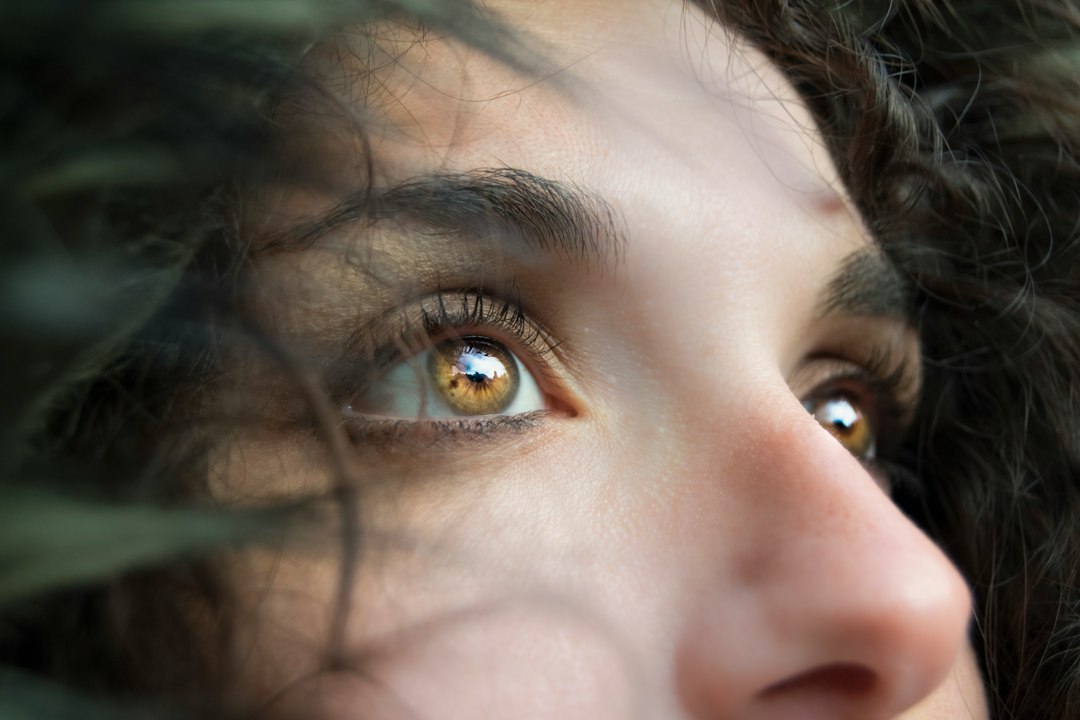
Why Actors Blink Less on Screen
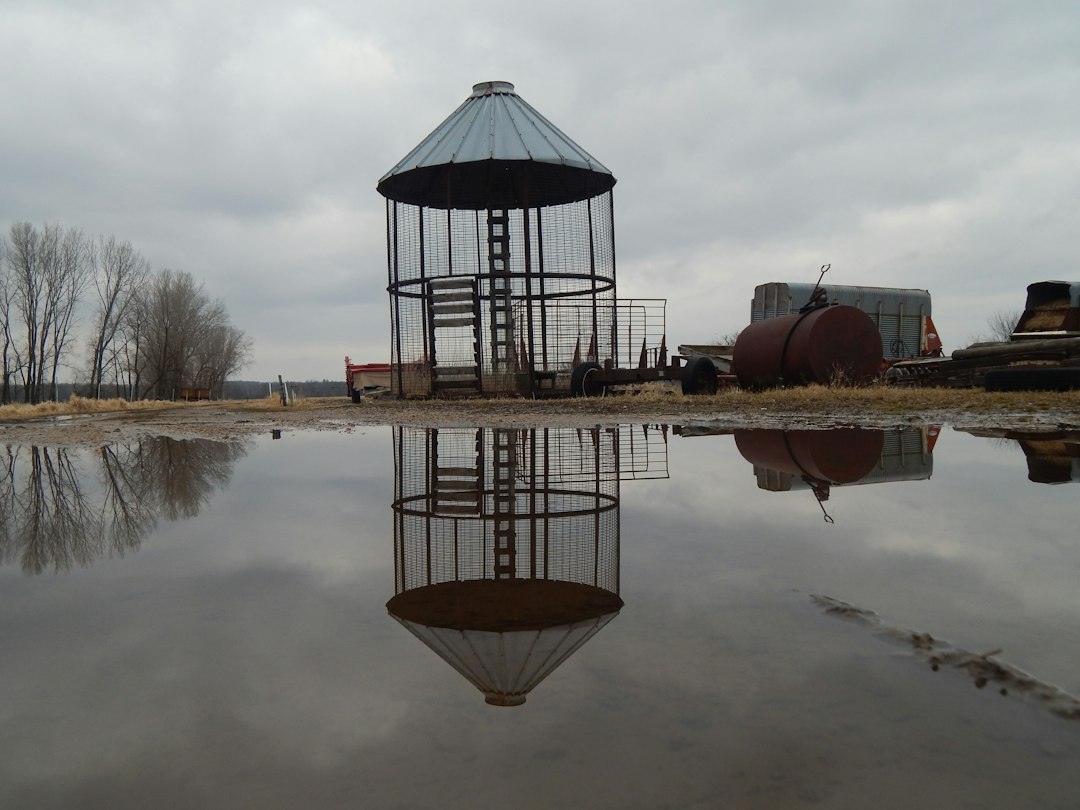
Why Film Sets Use Fake Rain Towers Instead of Waiting for Weather
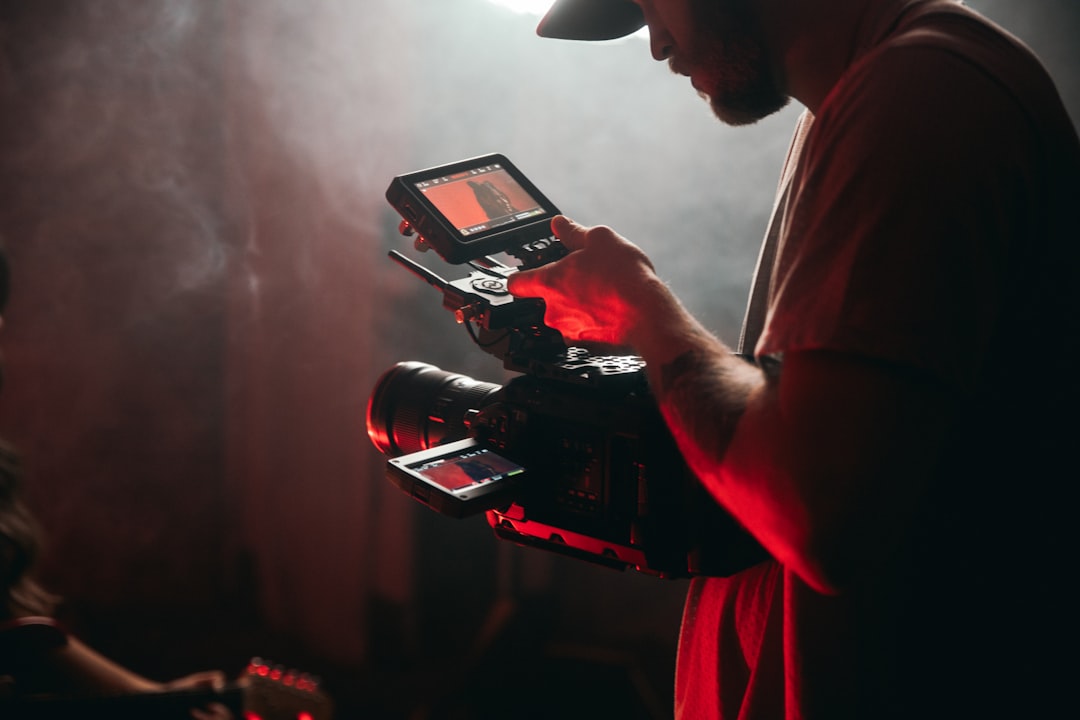
Eye Trace: How Filmmakers Guide Your Gaze
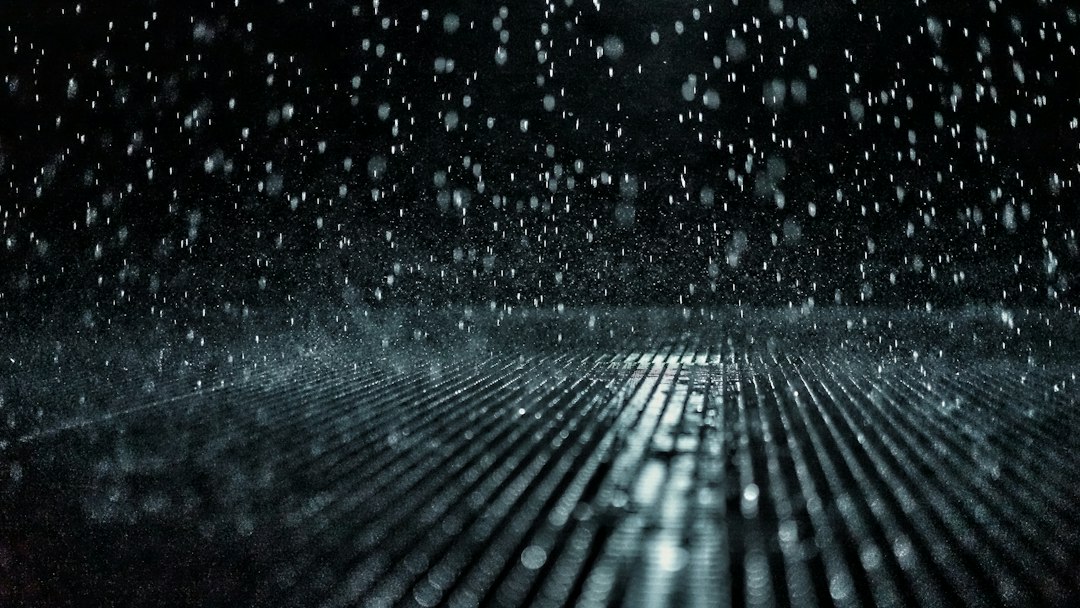
Why Films Use Rain in Emotional Scenes
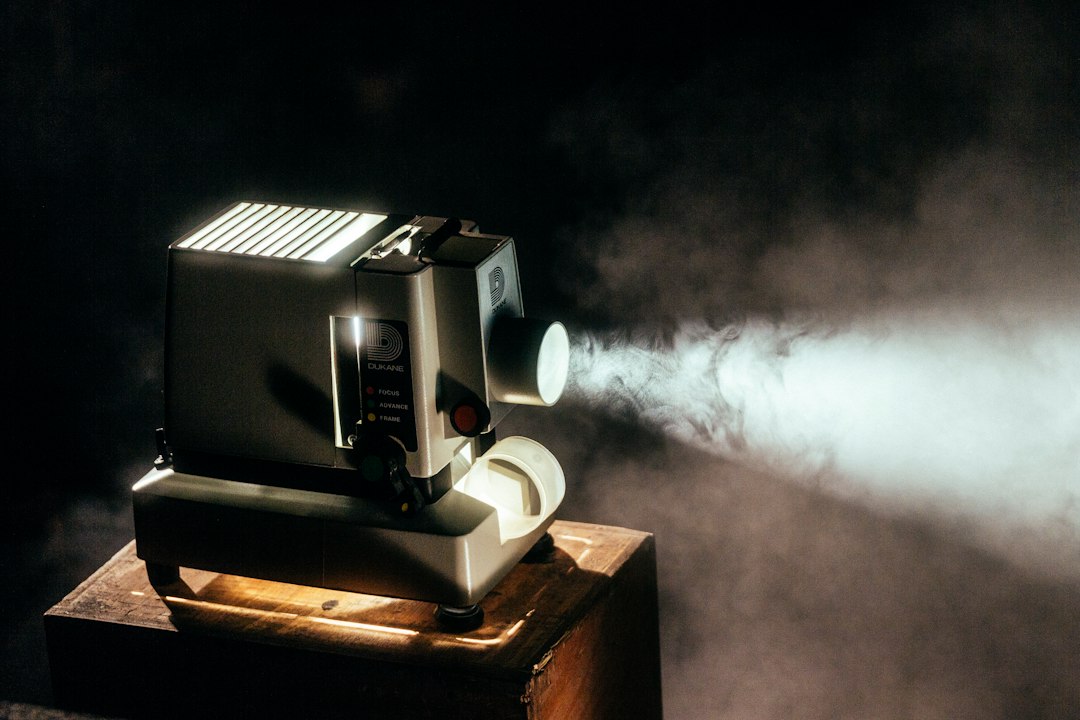
Why Films Are Reframed for Television
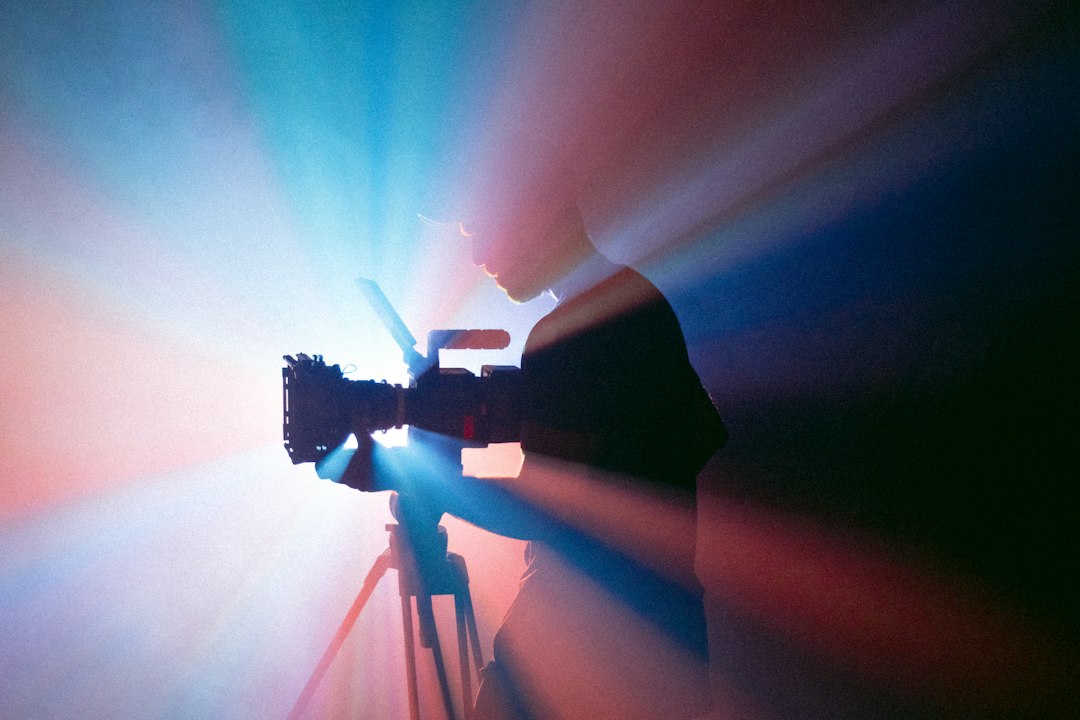
Why Directors Shoot Coverage: The Insurance Policy of Film Production
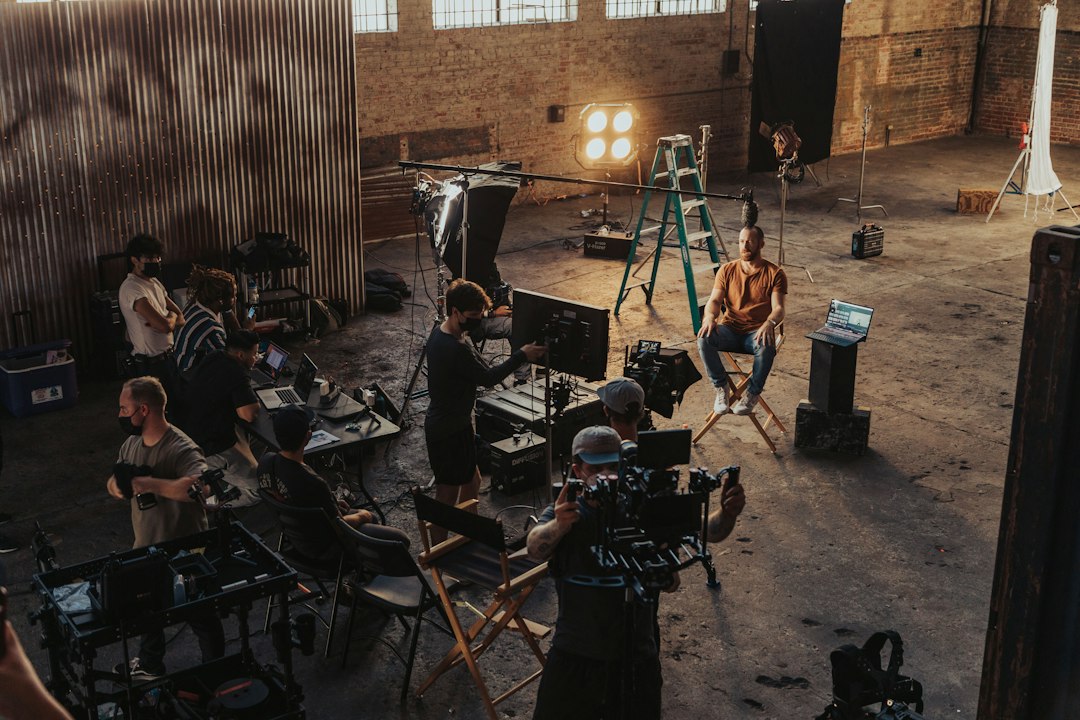
Practical Lighting: Why Filmmakers Use Real Light Sources
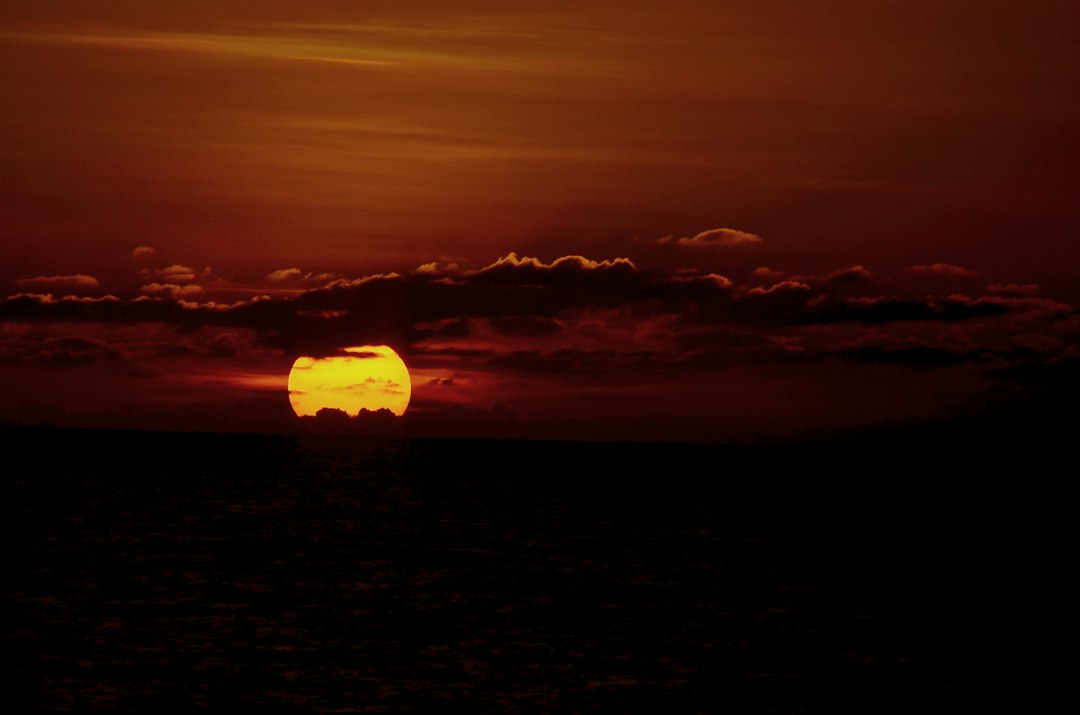
The Magic Hour: Why Cinematographers Chase Golden Hour Light
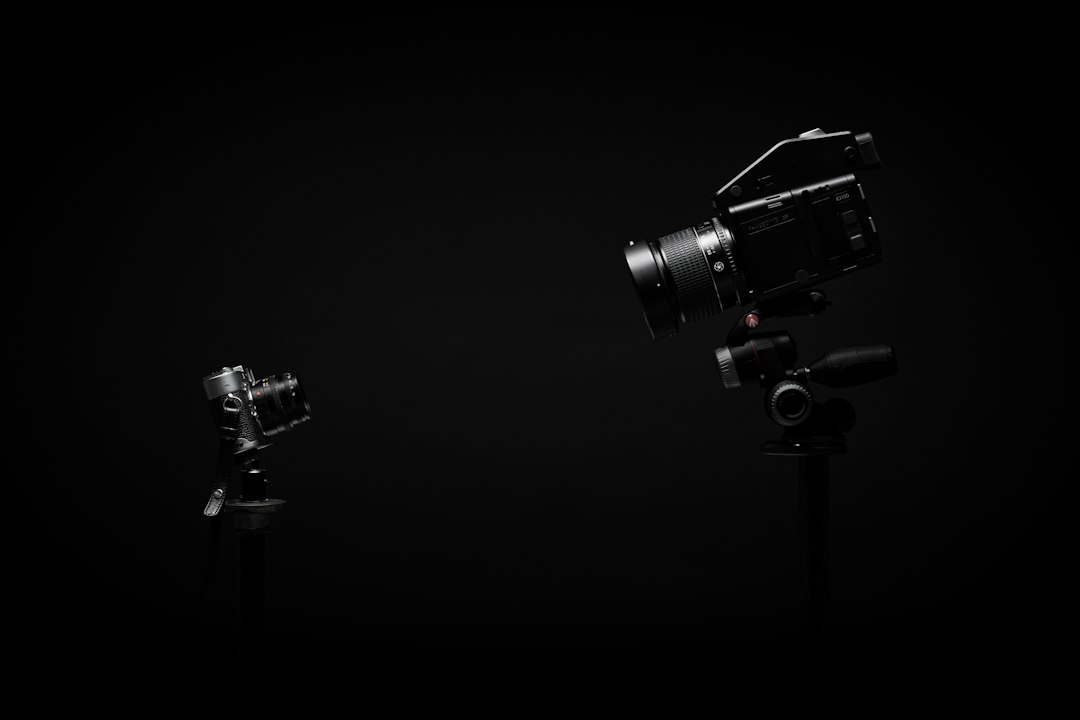
Whip Pan: The High-Energy Transition That Keeps You Moving
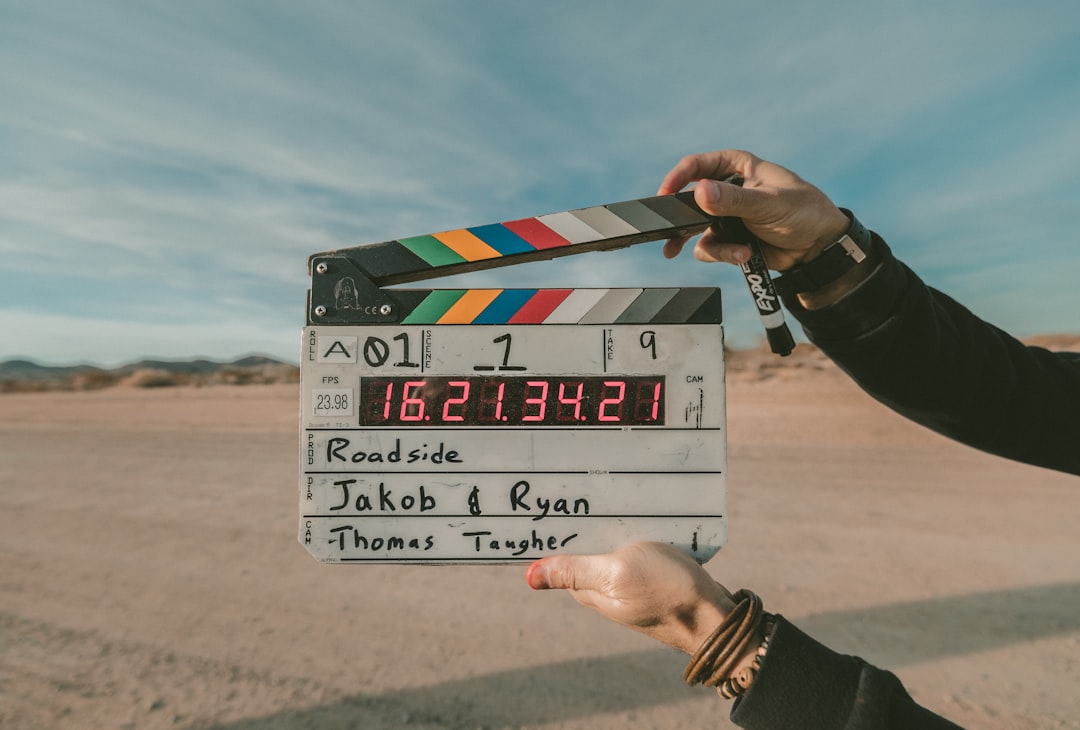
Why Movie Scenes Are Shot Out of Order
The Rule of Thirds: Why Filmmakers Follow It, and When They Don't
Why Almost Every Movie Still Runs on Three Acts
How Costume Design Tells a Story Without a Word
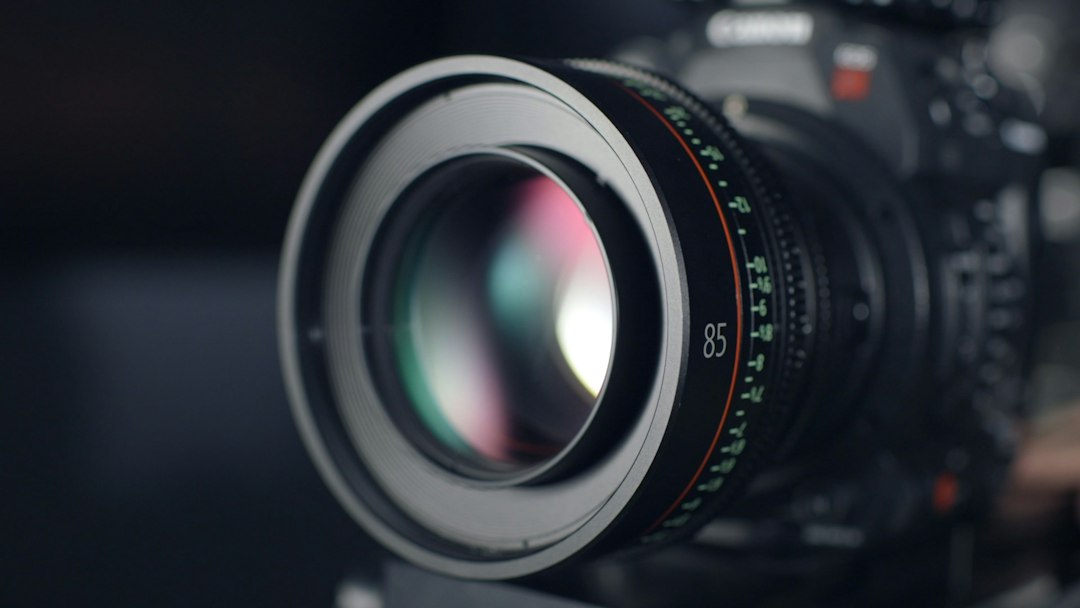
The Split Diopter: How Filmmakers Fake Infinite Focus
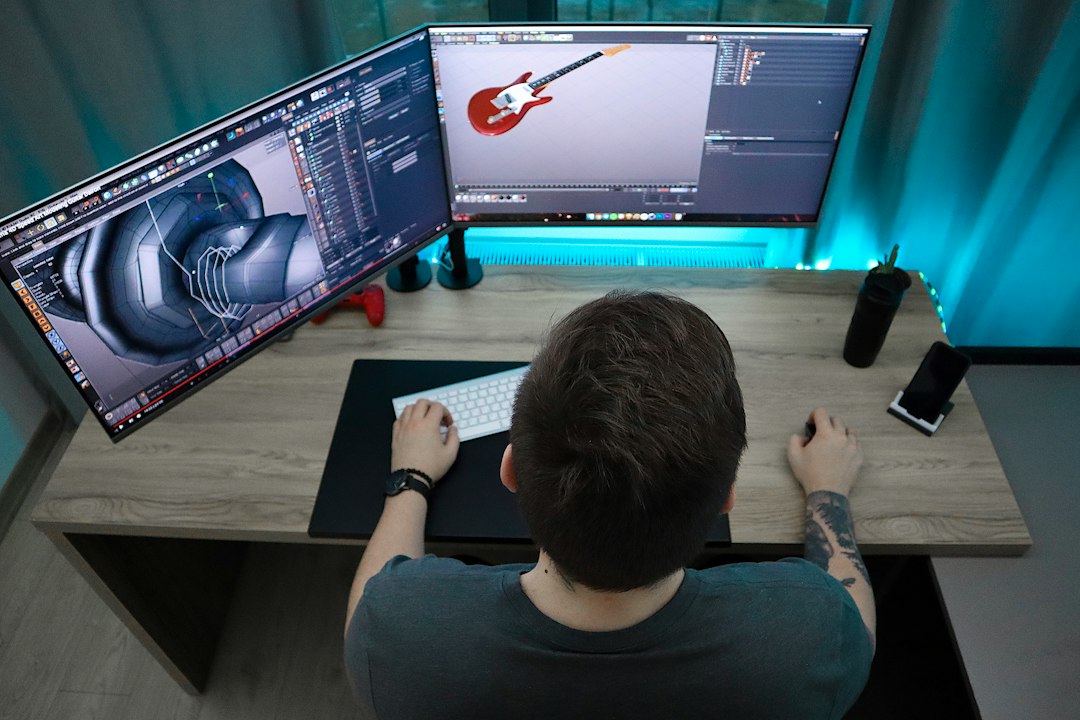
Previsualization: How Filmmakers Rehearse a Movie Before They Shoot It
The Post-Credits Scene: How a Gag Became an Industry Strategy
The Hero's Journey: Why So Many Movies Share the Same Bones
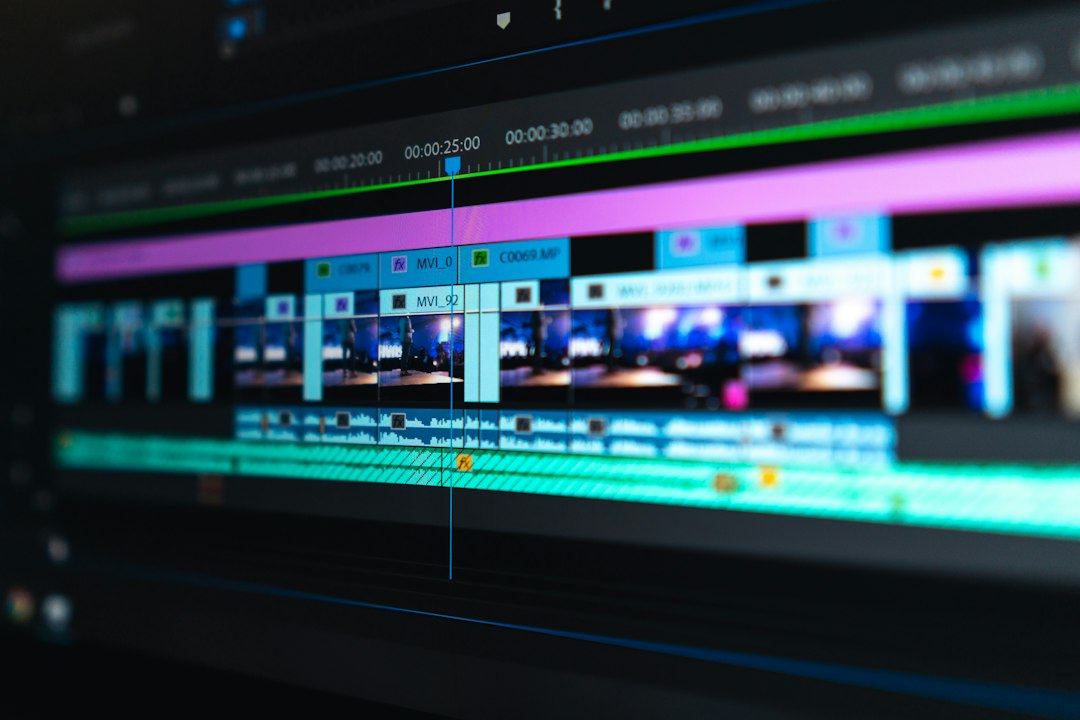
The Montage Sequence: How Movies Compress Time
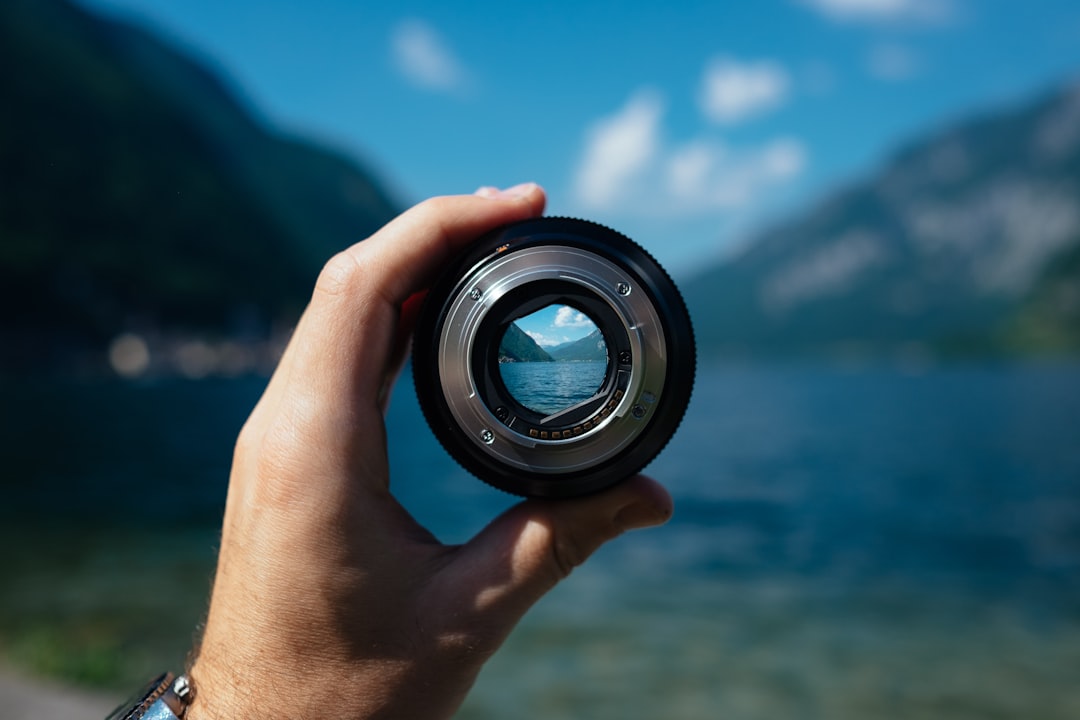
The Rack Focus: How a Single Focus Pull Directs the Eye
The Unreliable Narrator: When Movies Lie to You on Purpose
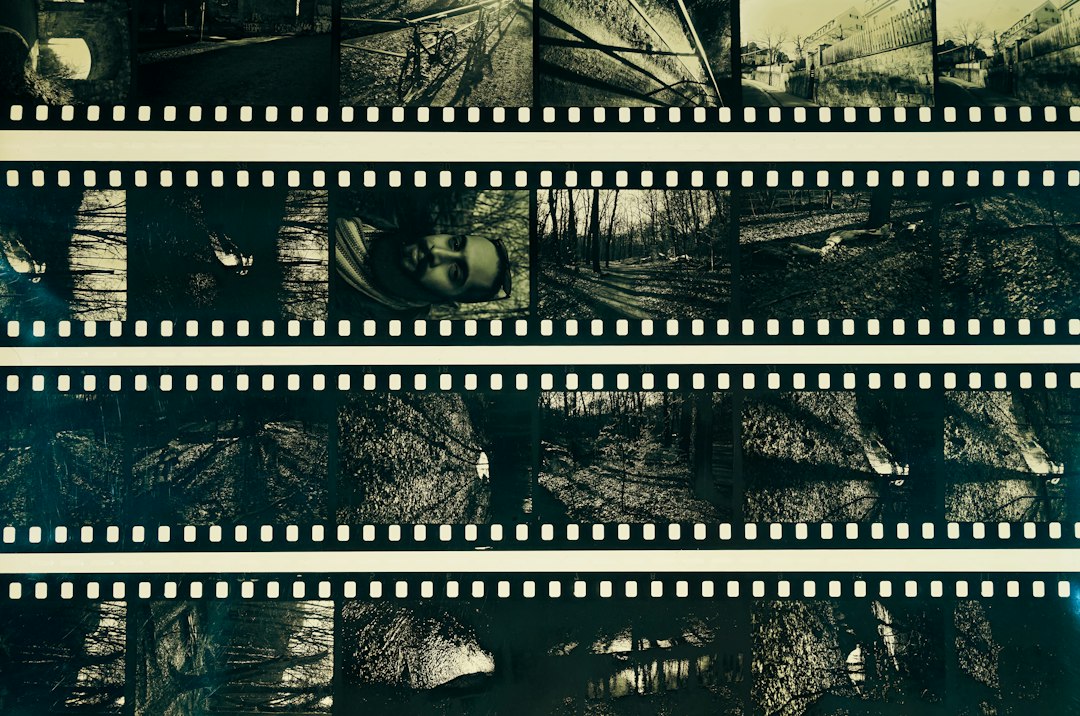
Frozen in Time: Why Filmmakers End on a Freeze Frame
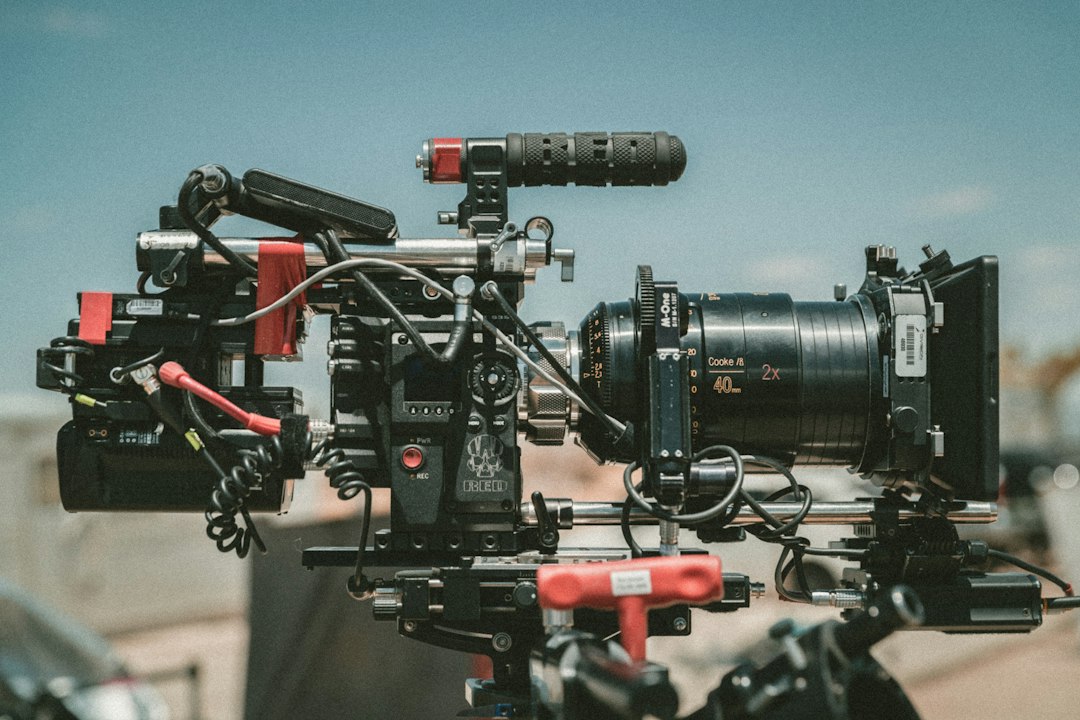
The Steadicam Revolution: How a Stabilizing Rig Changed the Way Movies Move
How Trailers Are Built: The Hidden Editing Rules of Movie Marketing
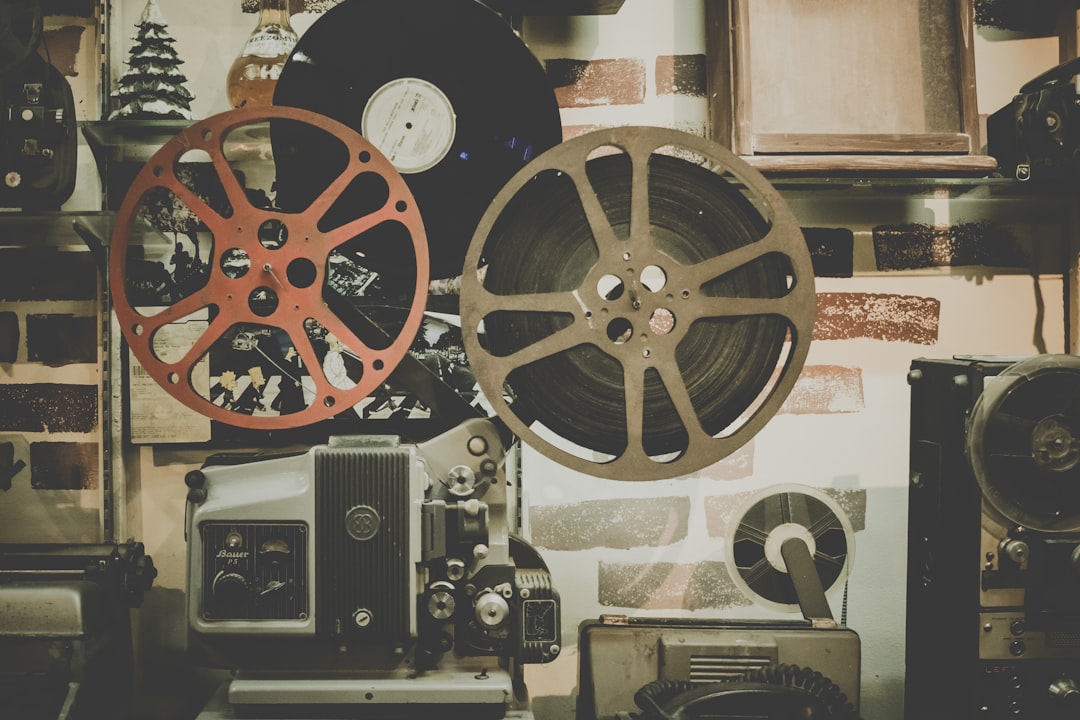
Why Movies Run at 24 Frames Per Second
The Cold Open: Why Some Movies Start Before the Story Starts
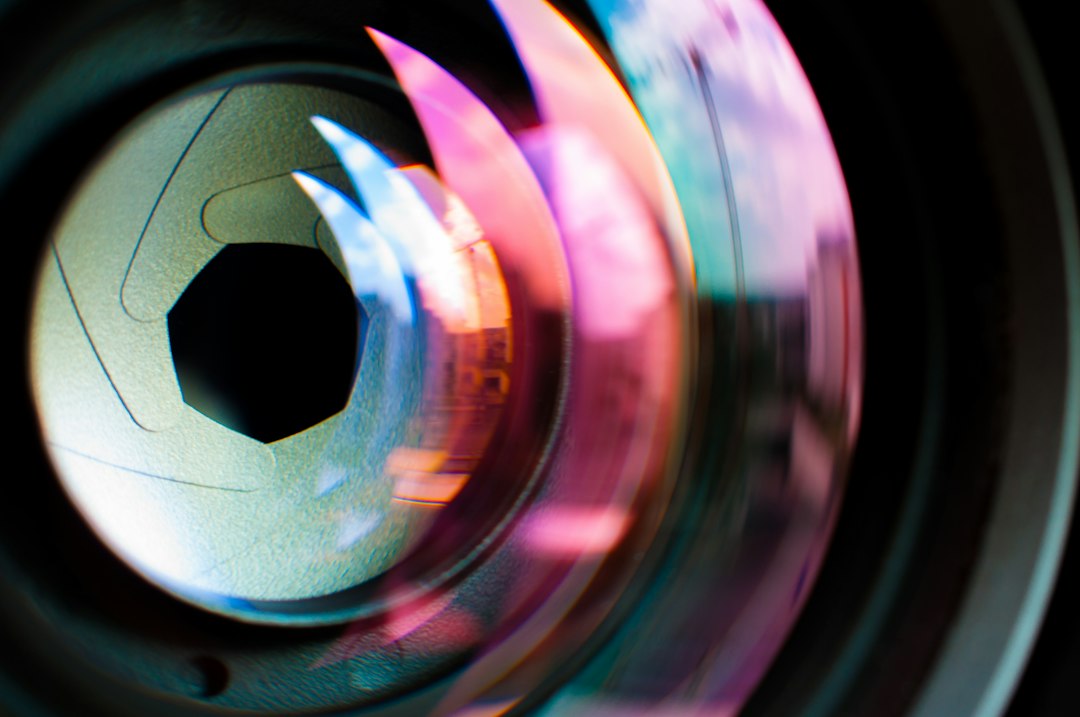
Why Anamorphic Lenses Still Define the Look of "Big" Movies
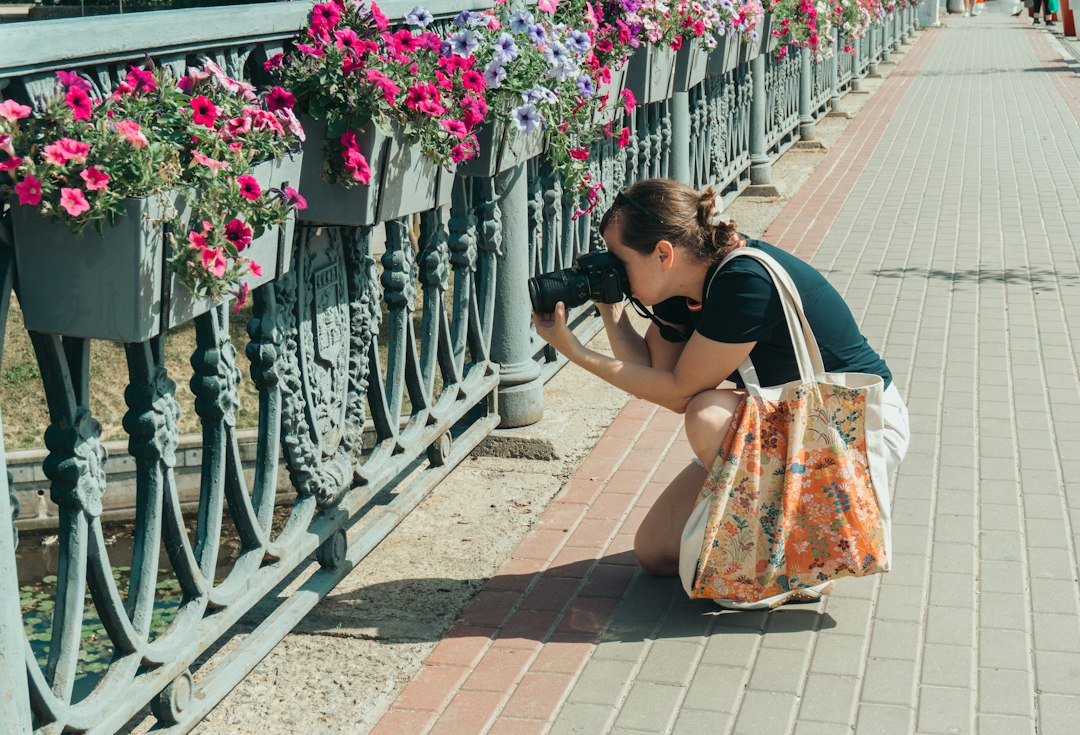
Day for Night: The Art of Faking Darkness in Daylight
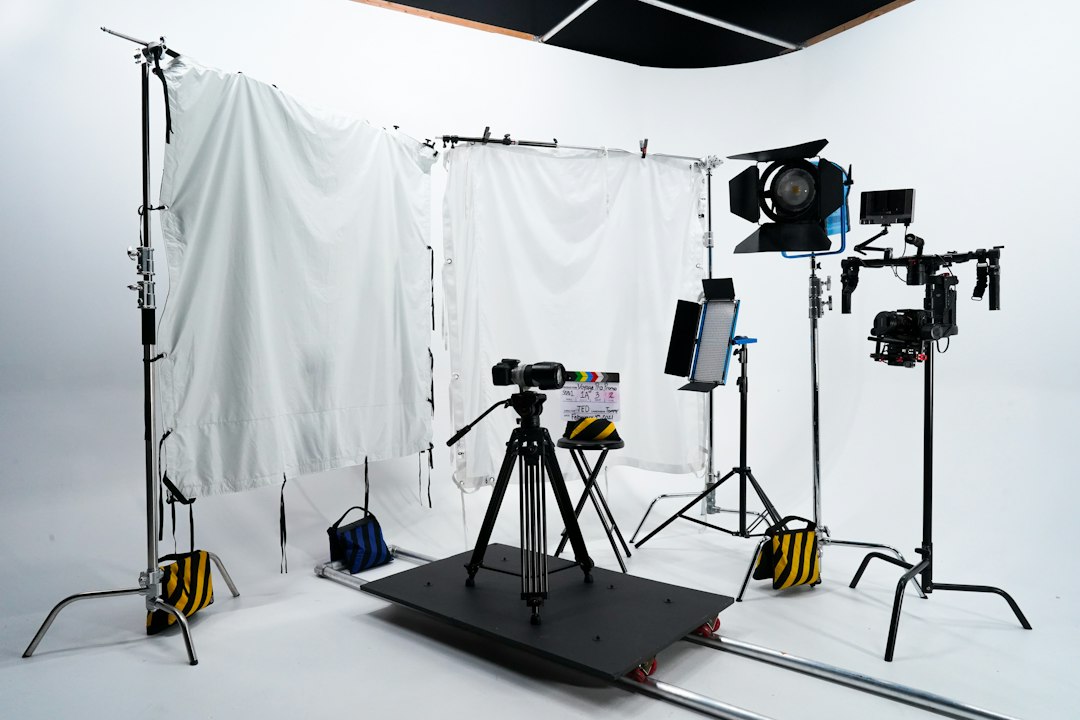
Green Screen and the Rise of the LED Volume: How Virtual Backgrounds Actually Work
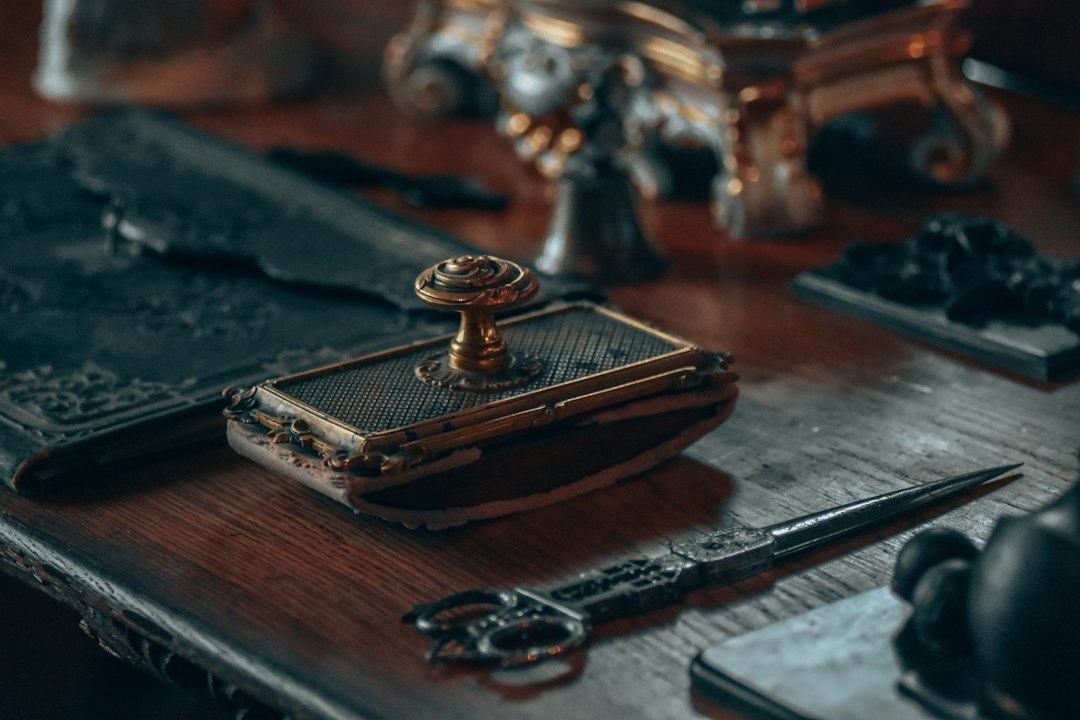
Chekhov's Gun: The Rule That Makes Every Detail Earn Its Place
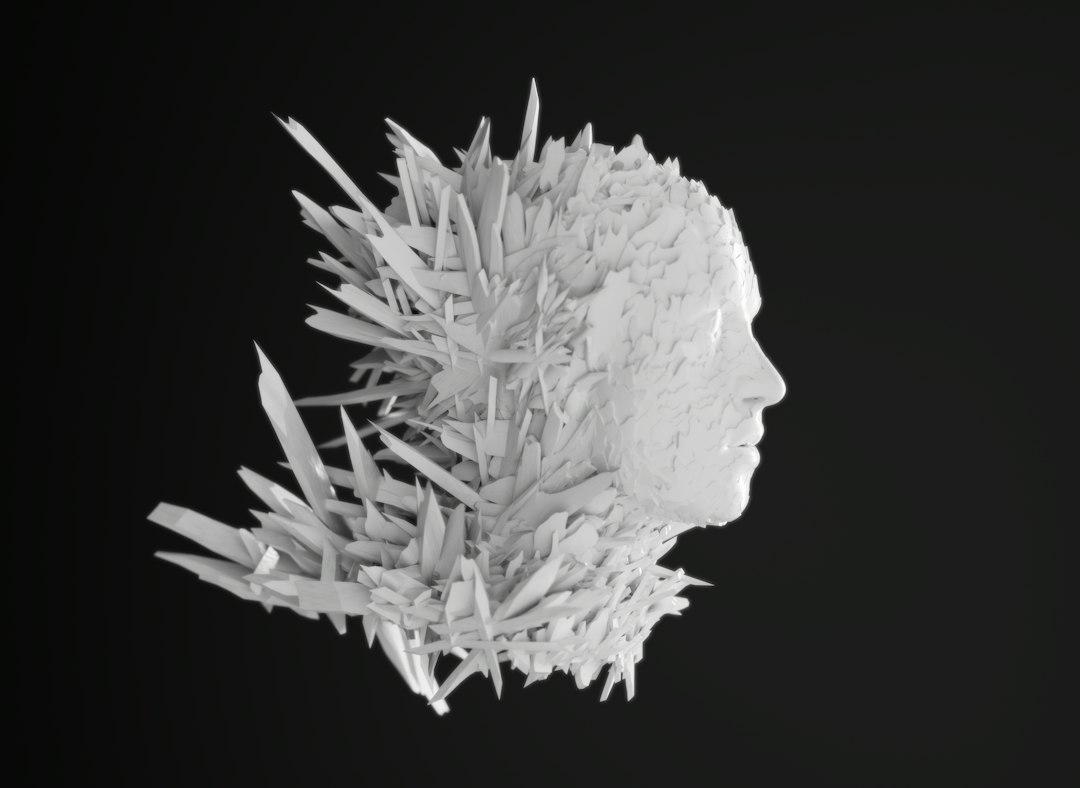
Why CGI Humans Still Creep Us Out: The Uncanny Valley in Film
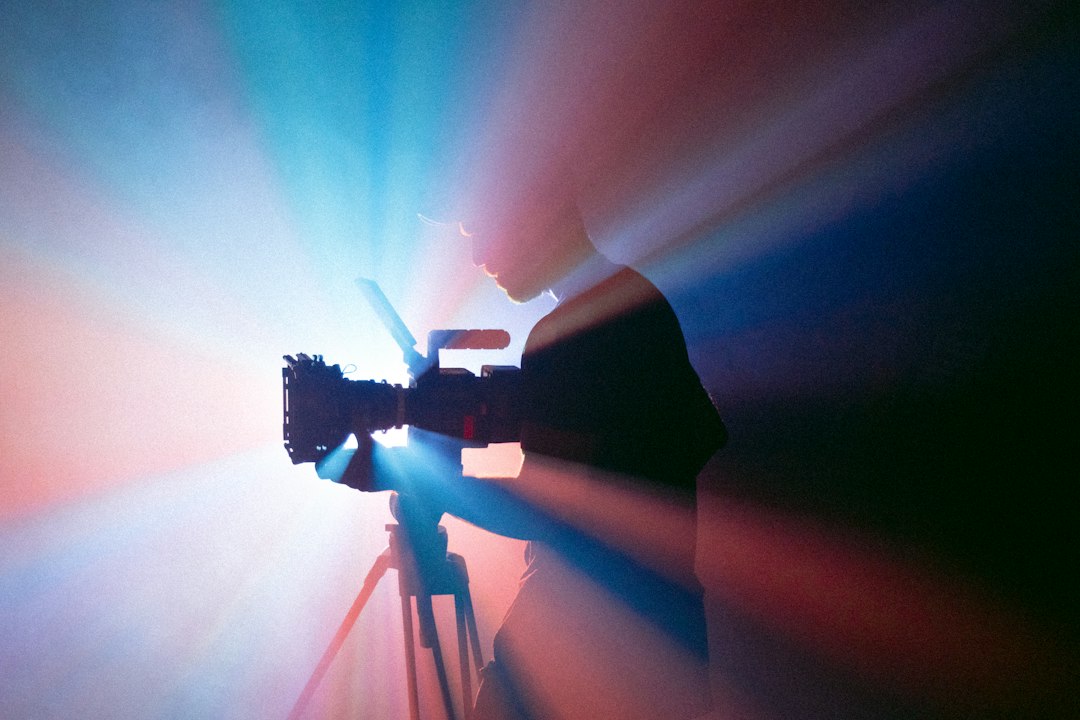
Why Slow Motion Works (and When It Doesn't)
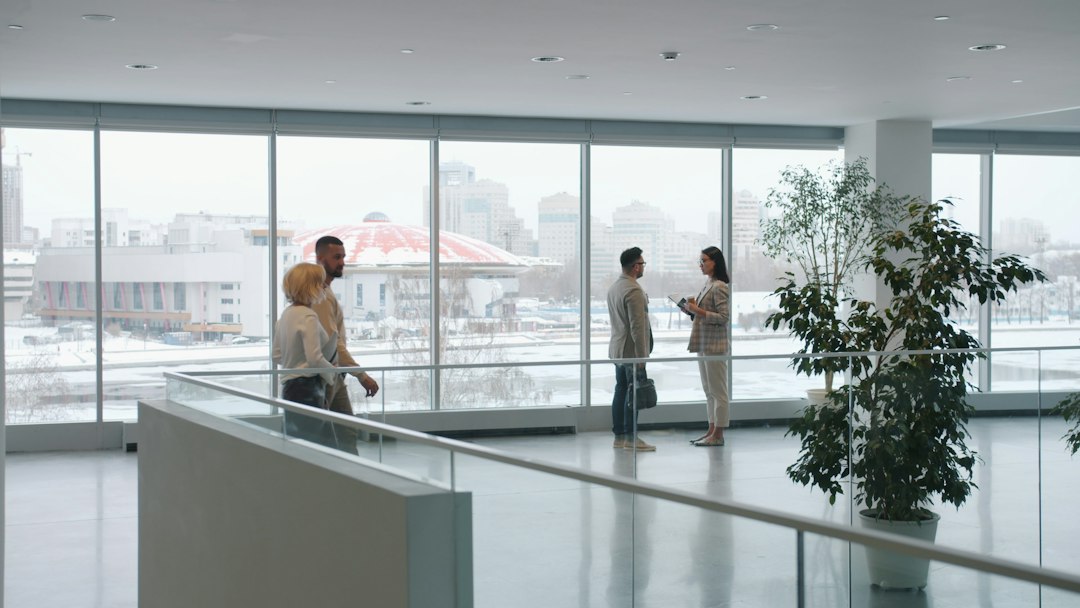
The Walk-and-Talk: Why Movies Put Conversations in Motion

Shot/Reverse Shot: The Grammar of Conversation on Screen
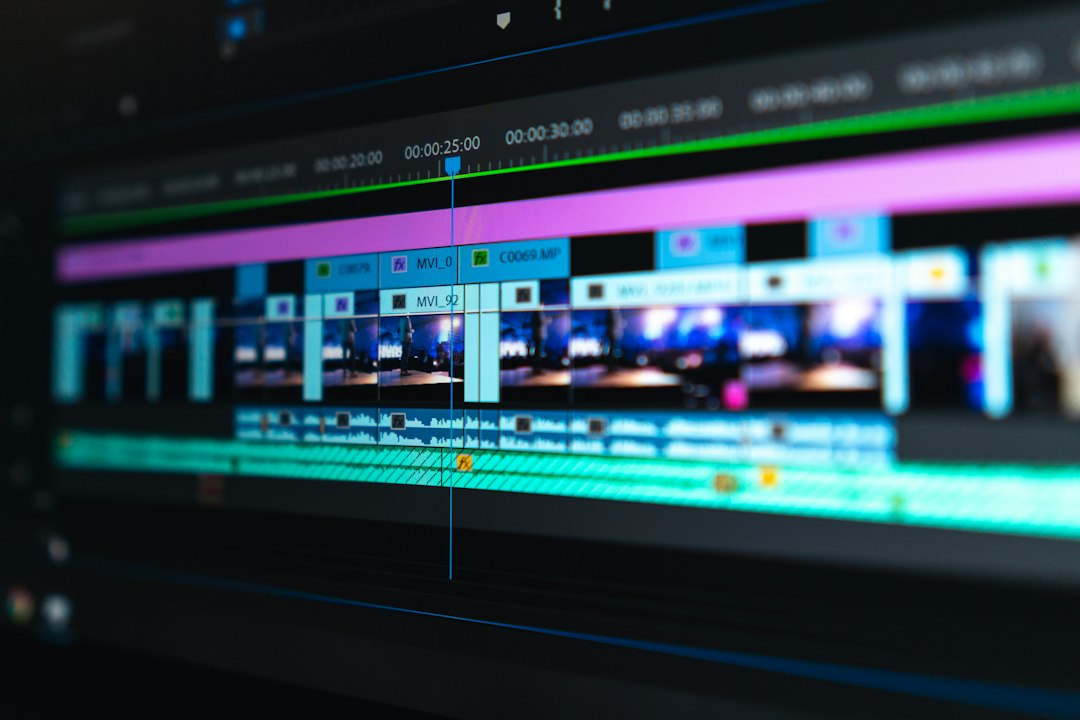
The Jump Cut: Filmmaking's Most Deliberate Mistake
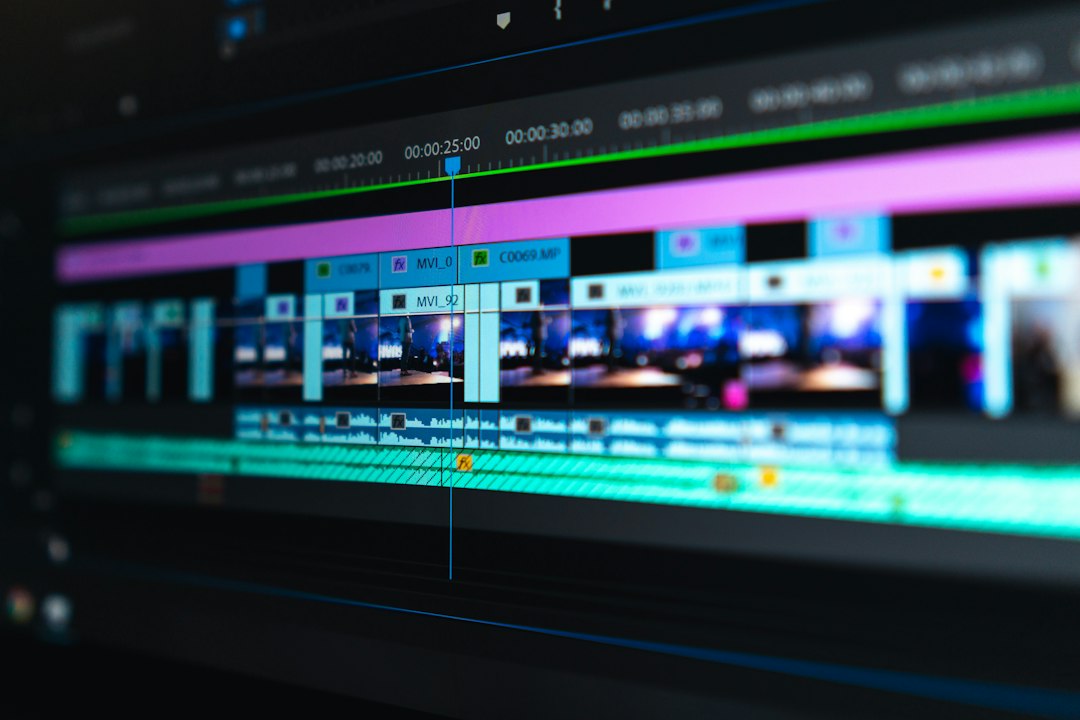
The J-Cut and the L-Cut: How Sound Sneaks Ahead of the Picture
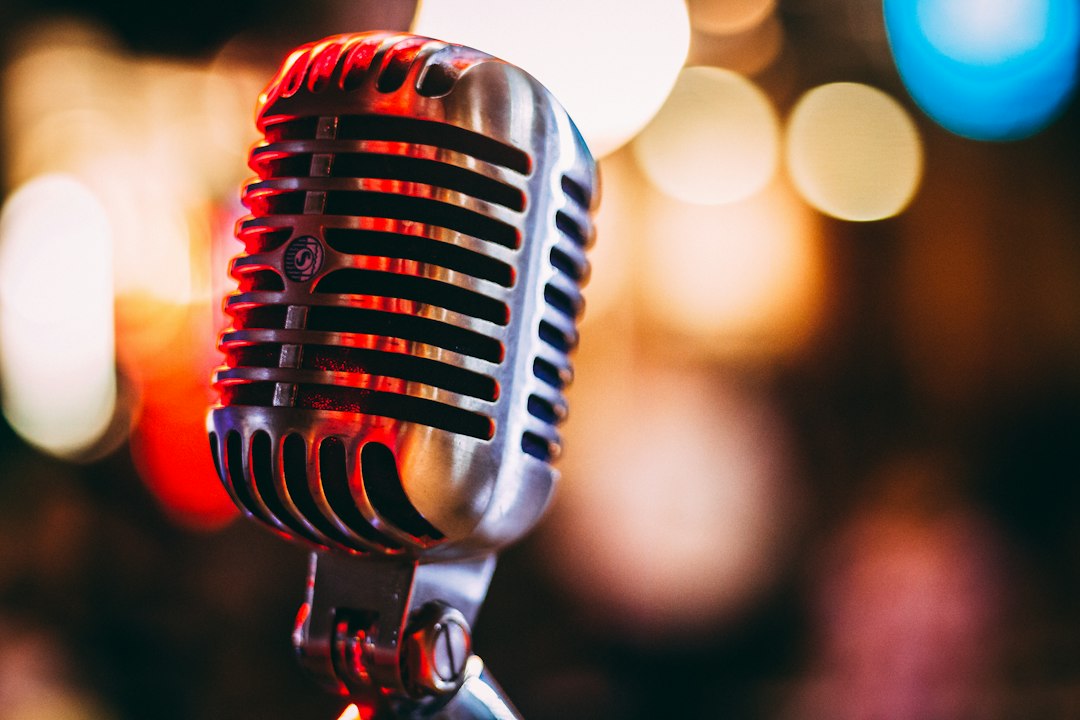
The Wilhelm Scream: How One Stock Sound Became Filmmaking's Longest-Running In-Joke
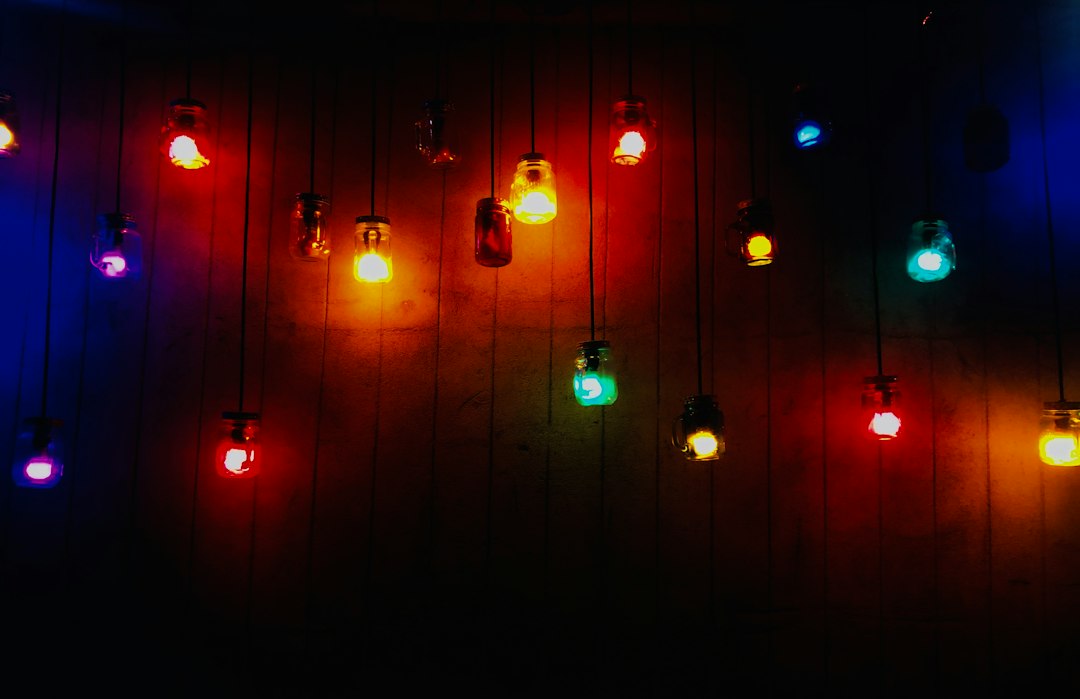
How Color Tells the Story: The Narrative Language of Film Palettes

The Establishing Shot: Place, Power, and What Happens When It's Withheld
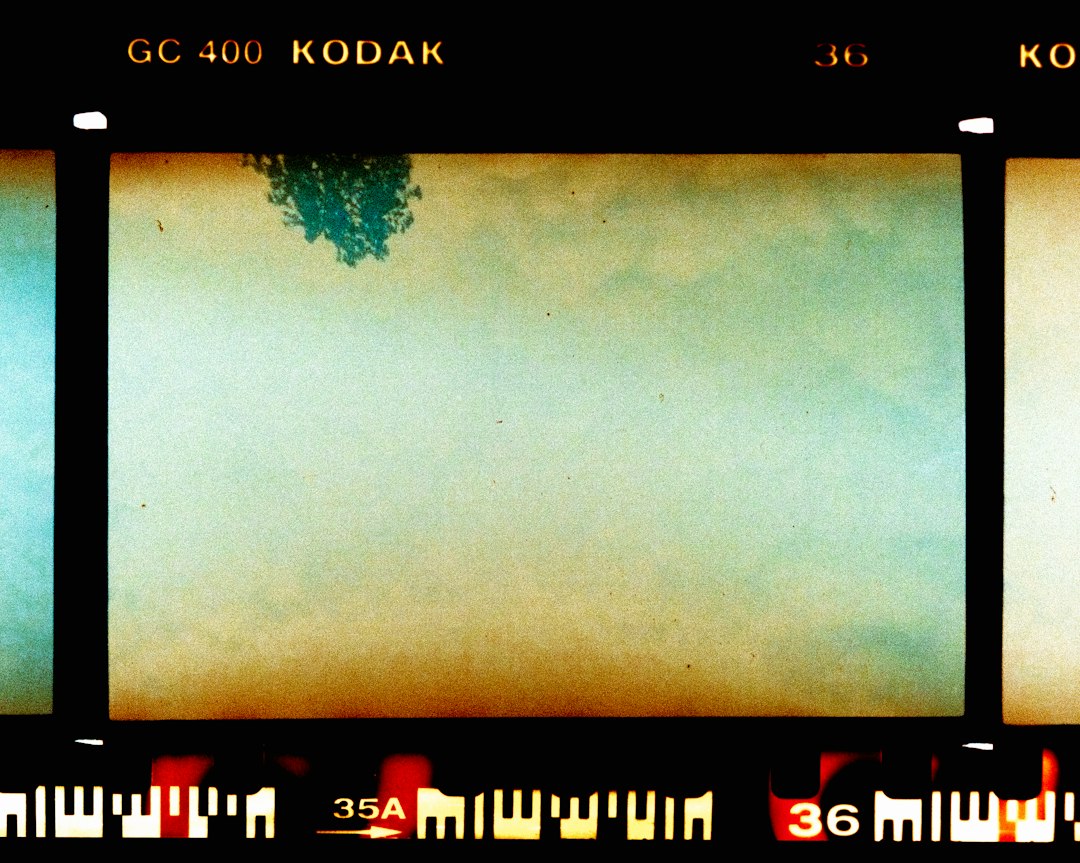
The Lost Art of the Opening Title Sequence
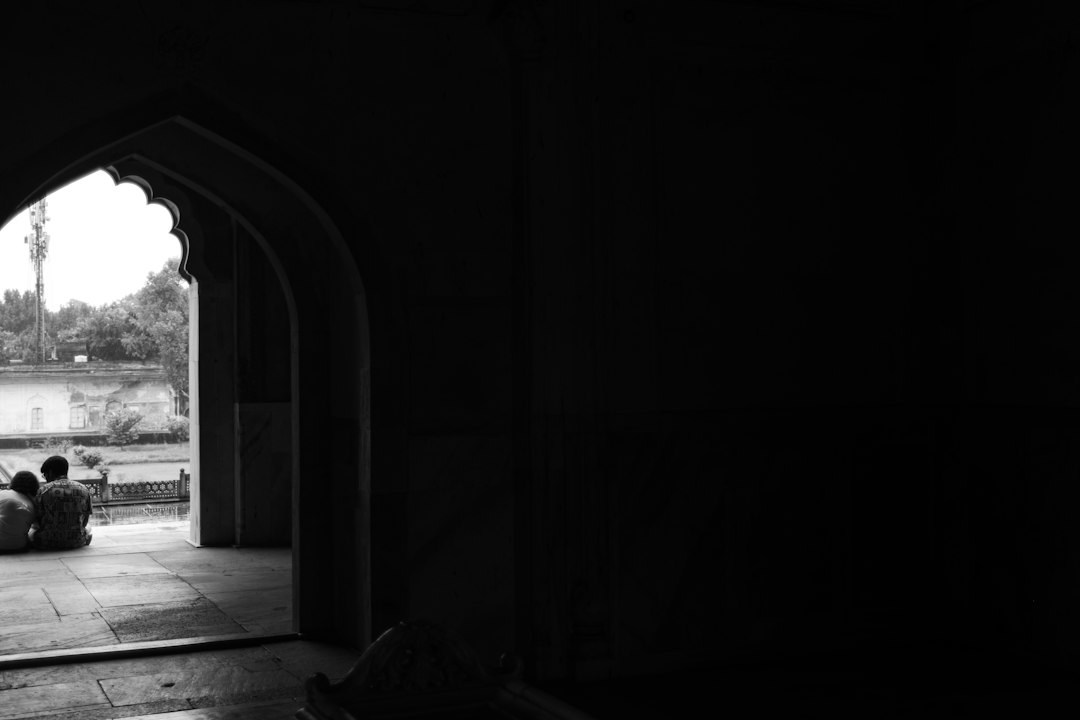
Frame Within a Frame: How Cinema Uses Hidden Borders to Grip Your Attention
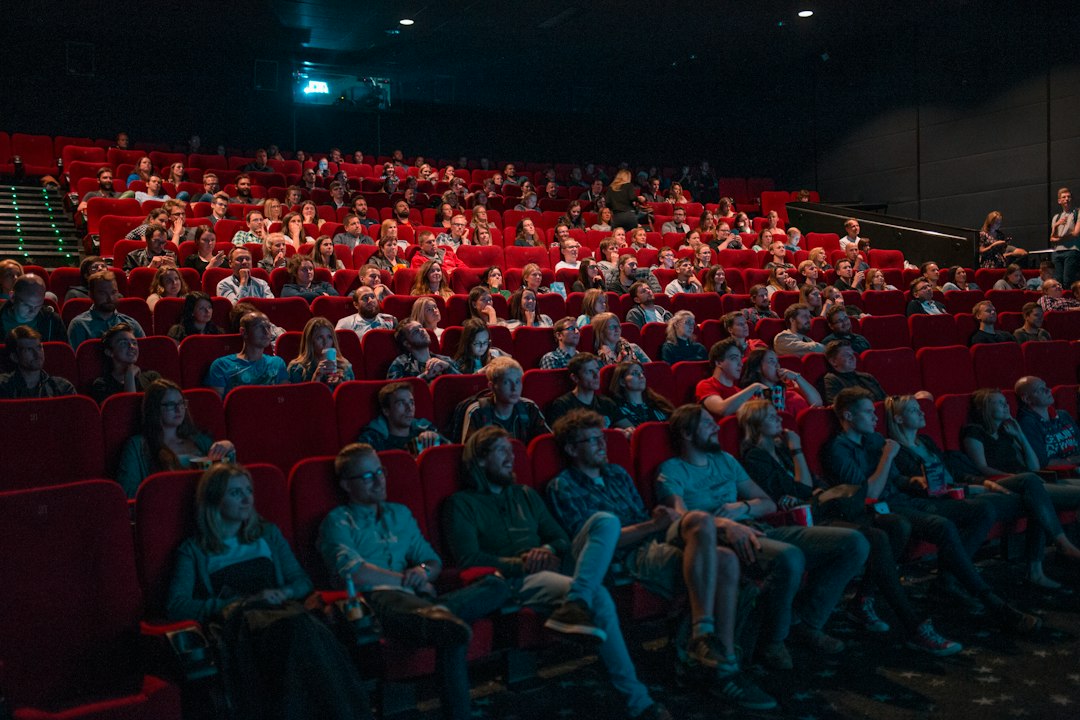
The Fourth Wall Break: Cinema's Most Dangerous Trick
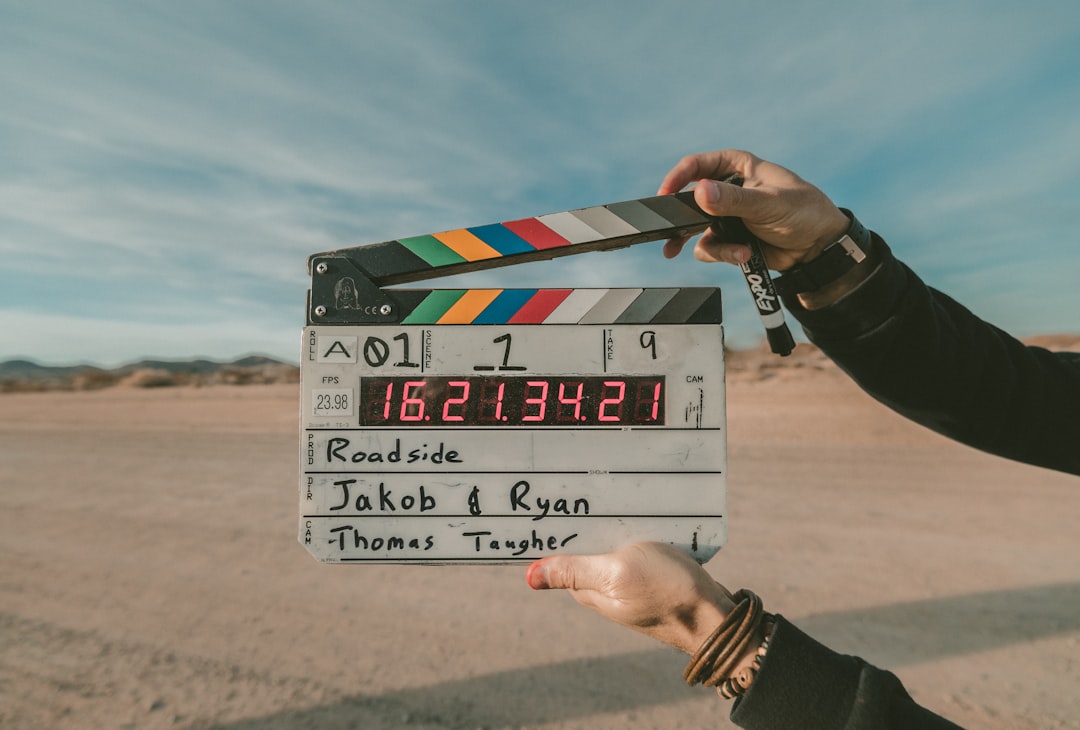
Why Films Break Time: The Logic of Non-Linear Storytelling
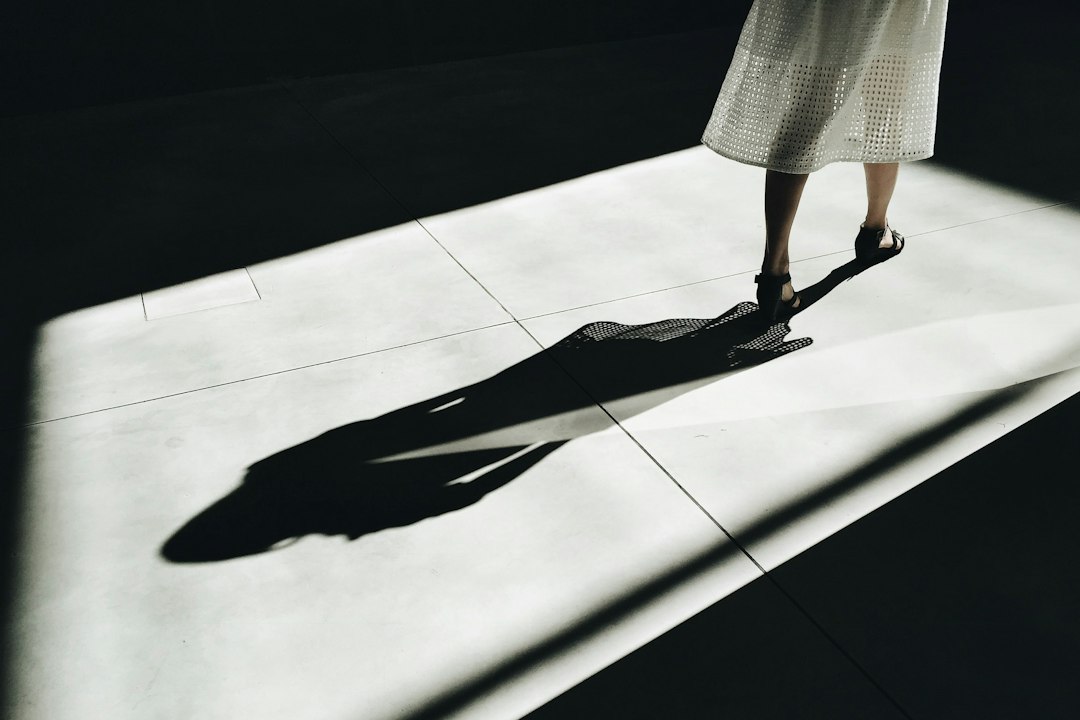
The Language of Shadows: How Filmmakers Use Light and Dark
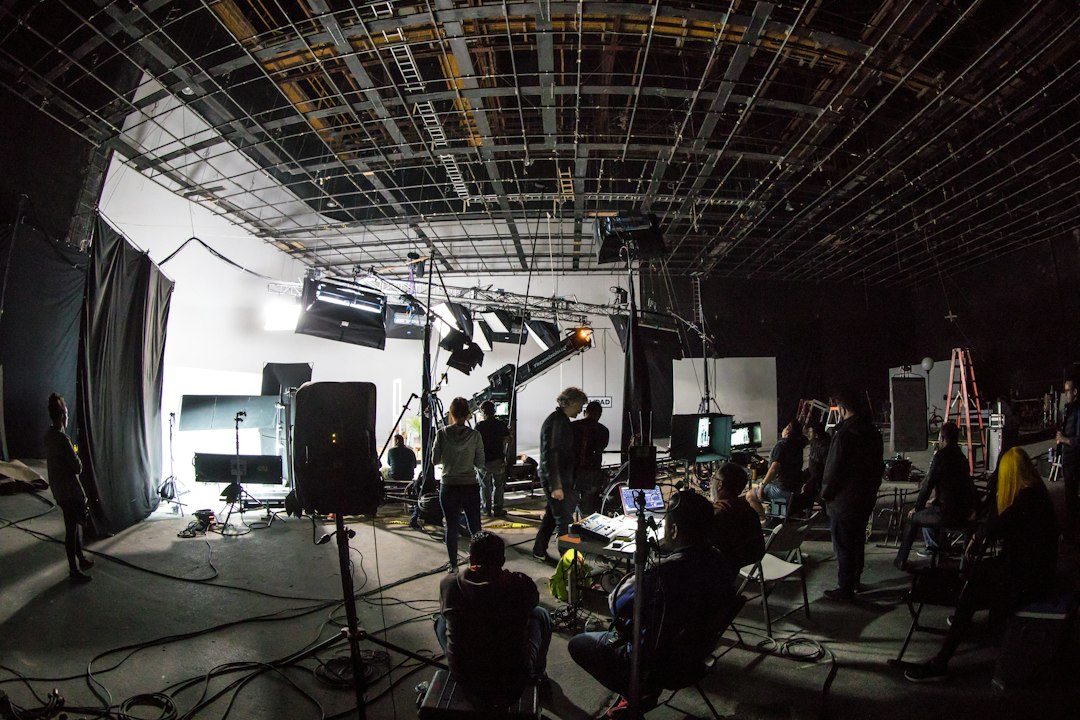
What Mise-en-Scène Actually Means — And Why Every Frame Is an Argument
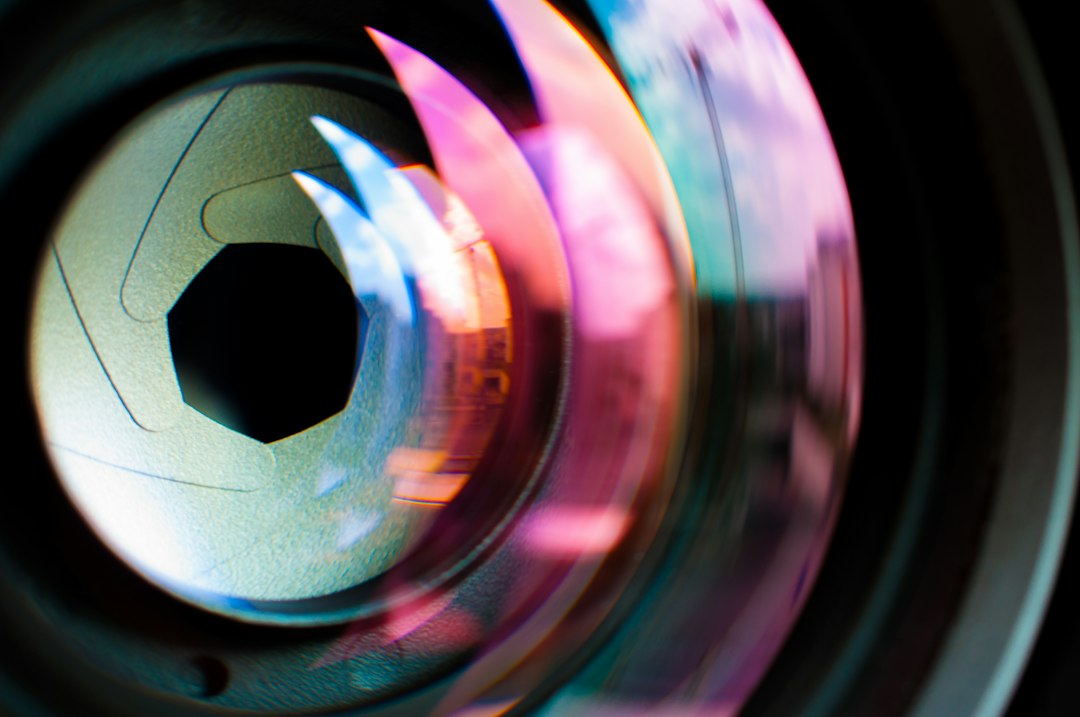
Depth of Field and the Grammar of Attention
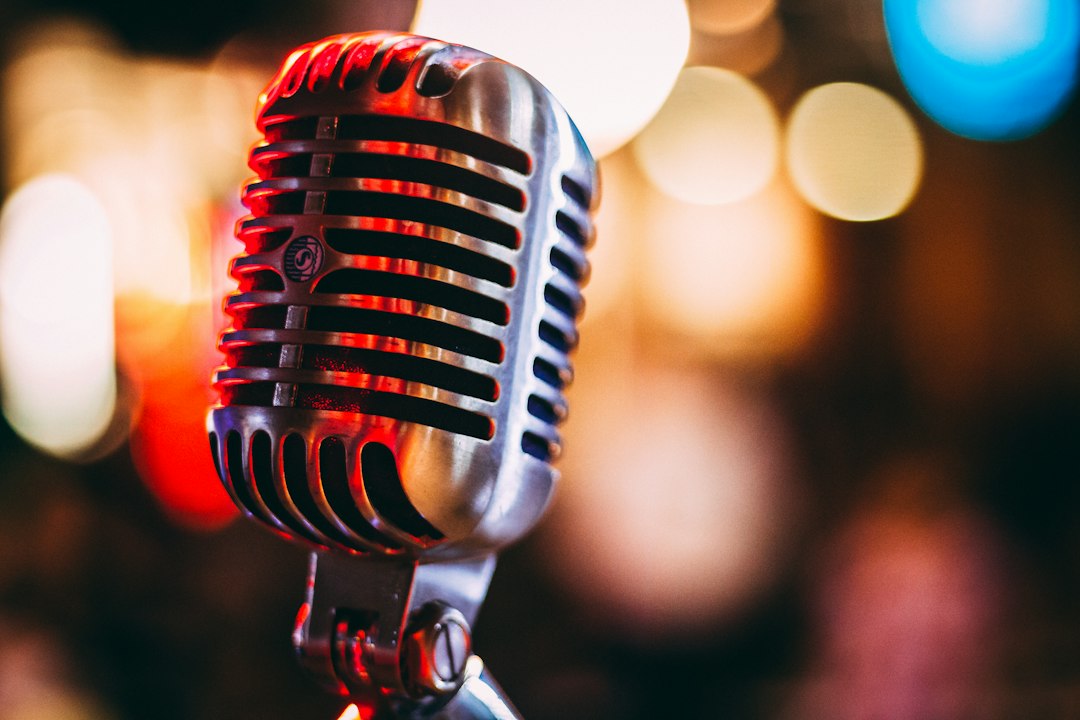
The Case for Voice-Over Narration
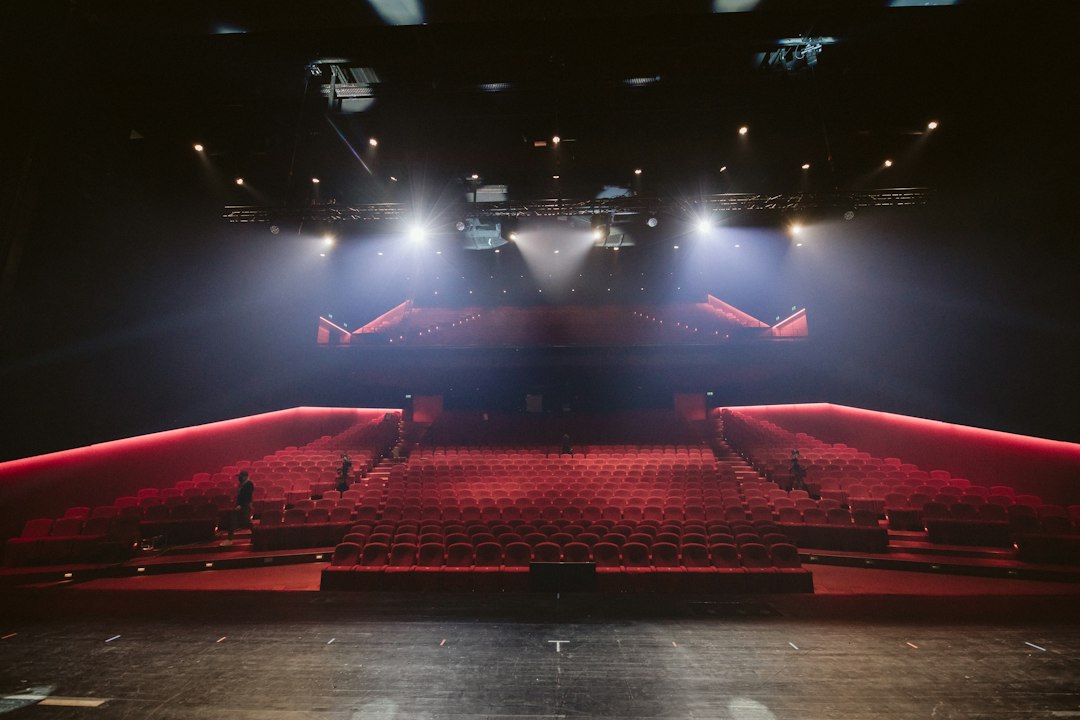
The Loudest Thing in a Movie Can Be Silence
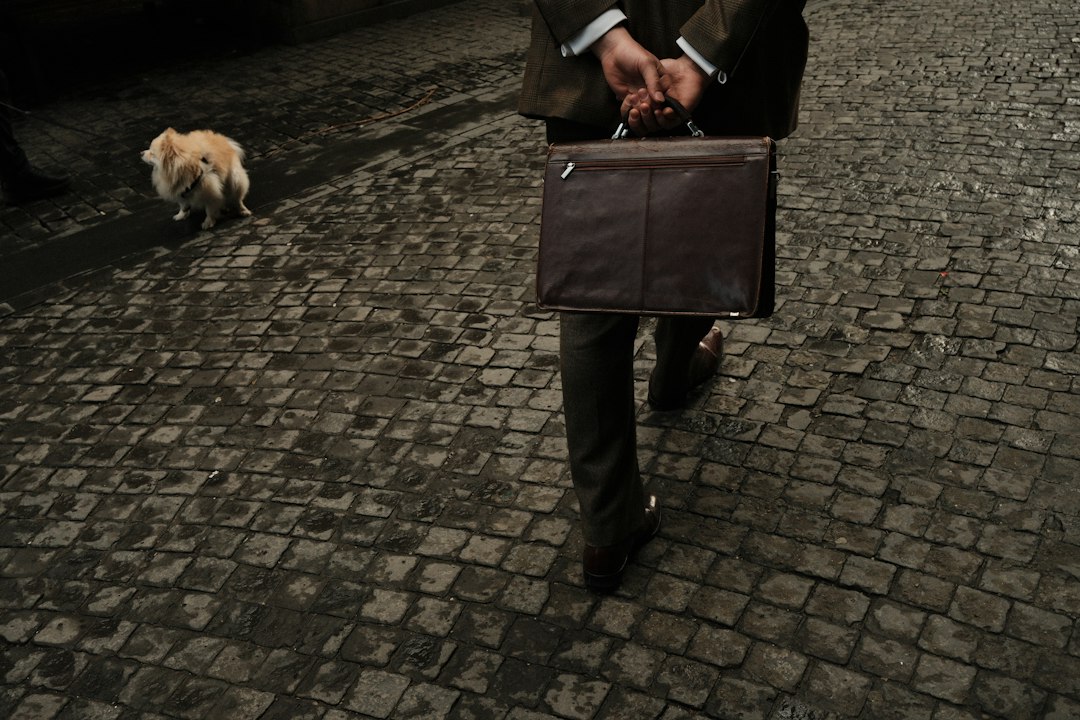
The MacGuffin: Why the Object Everyone Wants Doesn't Actually Matter
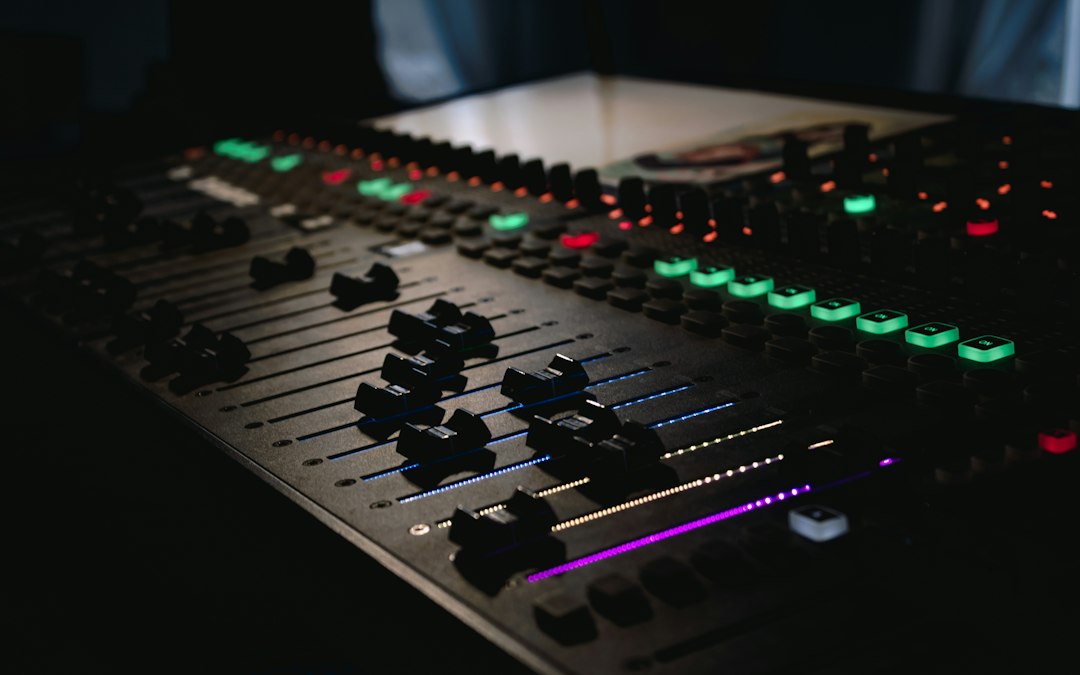
Diegetic vs. Non-Diegetic Sound: What Your Ears Know Before Your Brain Does
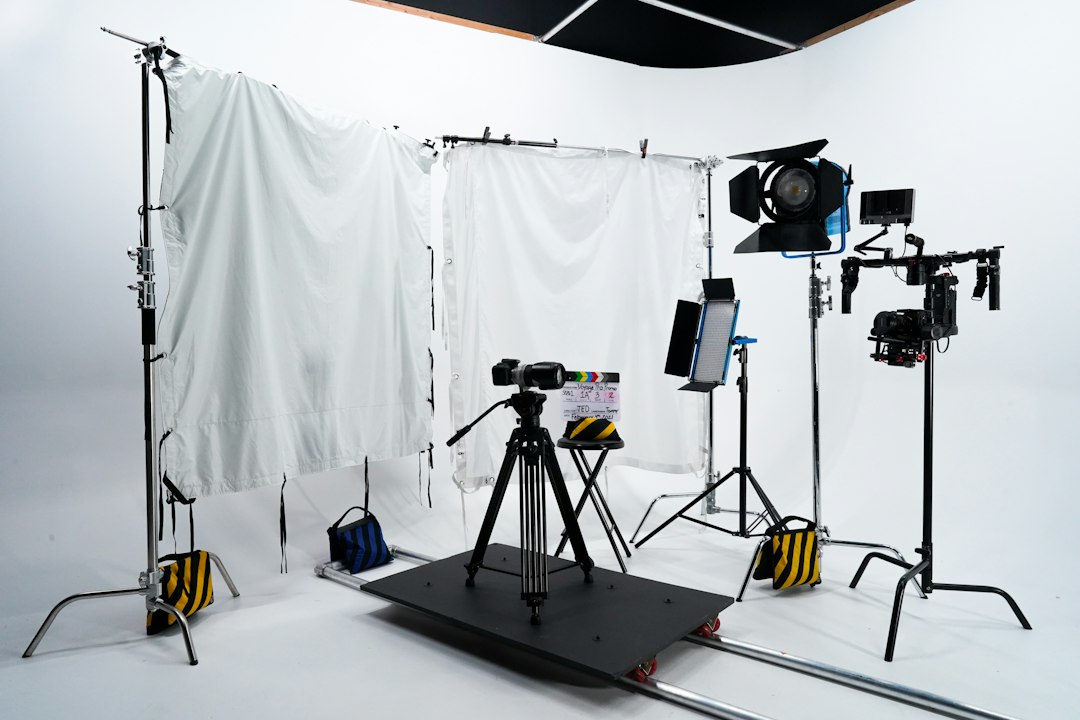
The Dolly Zoom: Cinema's Most Disorienting Illusion
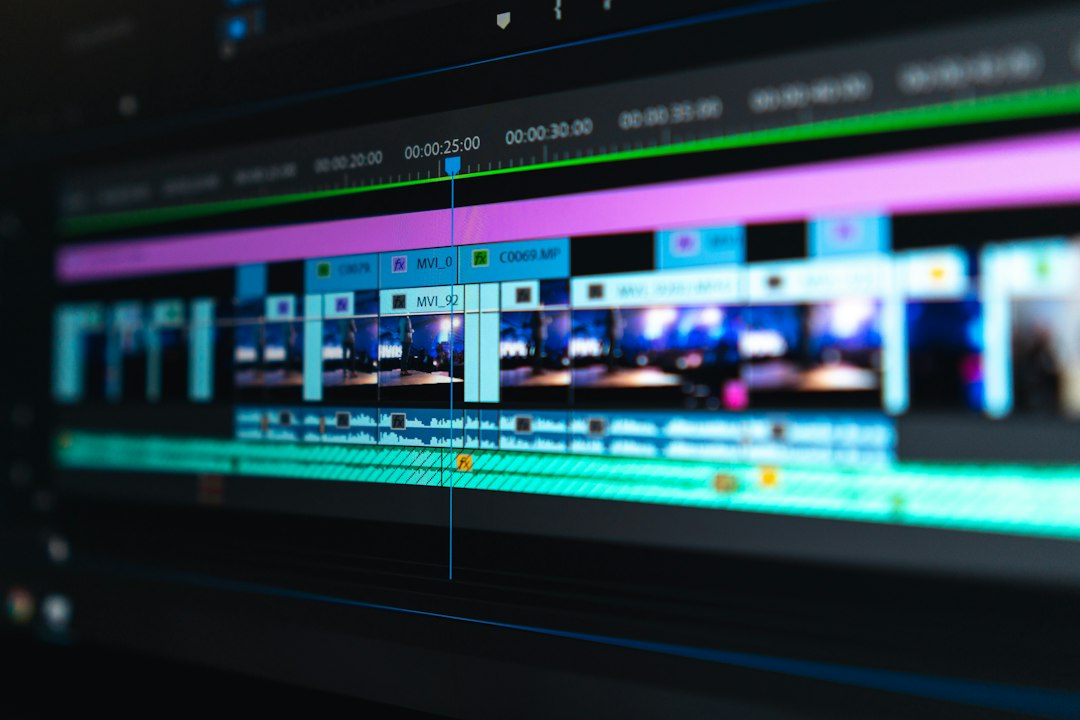
Meanwhile, Elsewhere: How Parallel Editing Builds Suspense
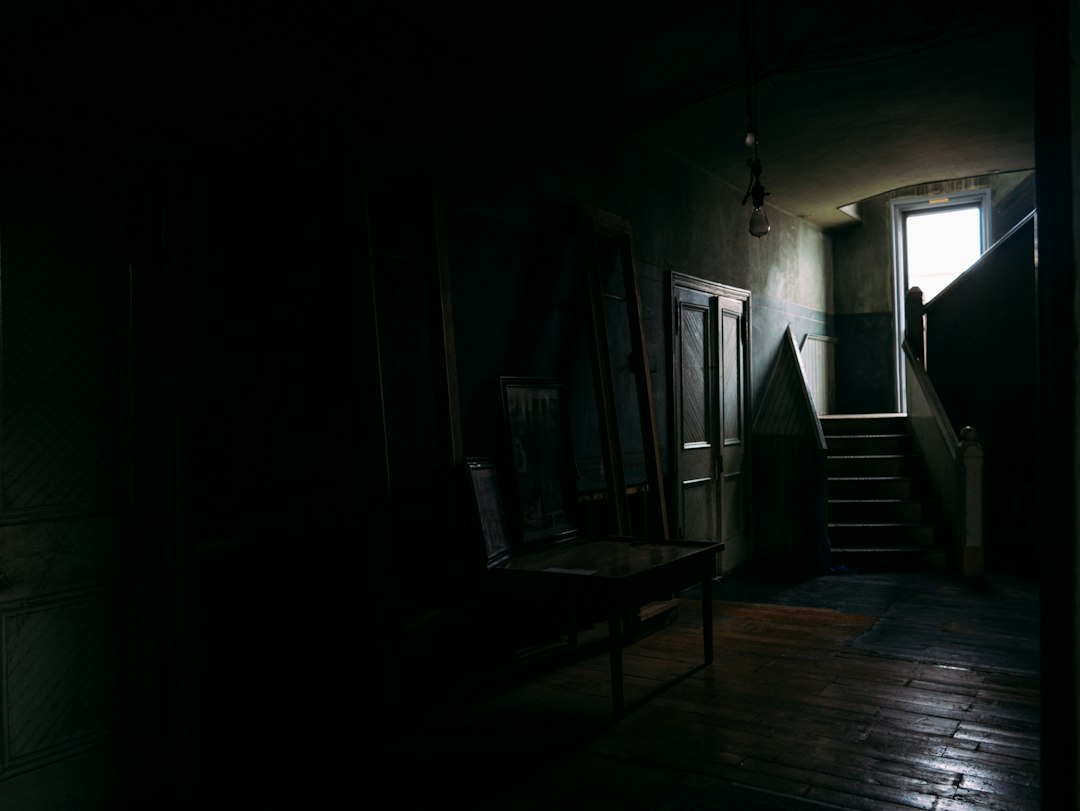
The Anatomy of a Jump Scare

Why Filmmakers Add Grain to Movies That Never Touched Film
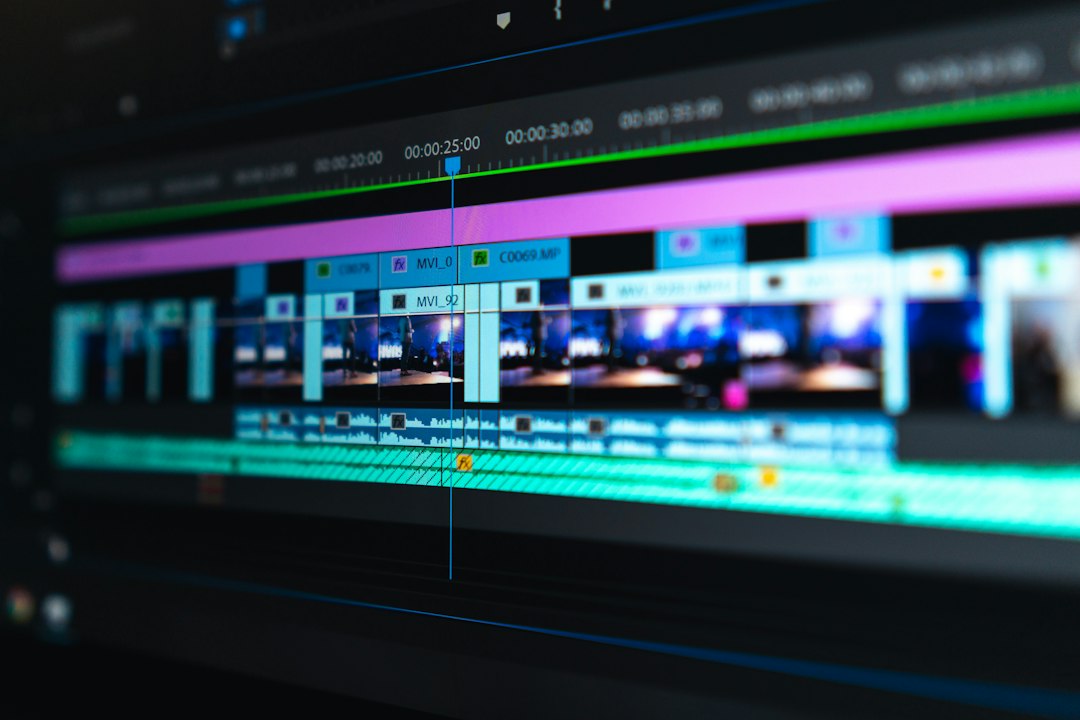
The Match Cut: Why Two Unrelated Shots Can Feel Like One Idea
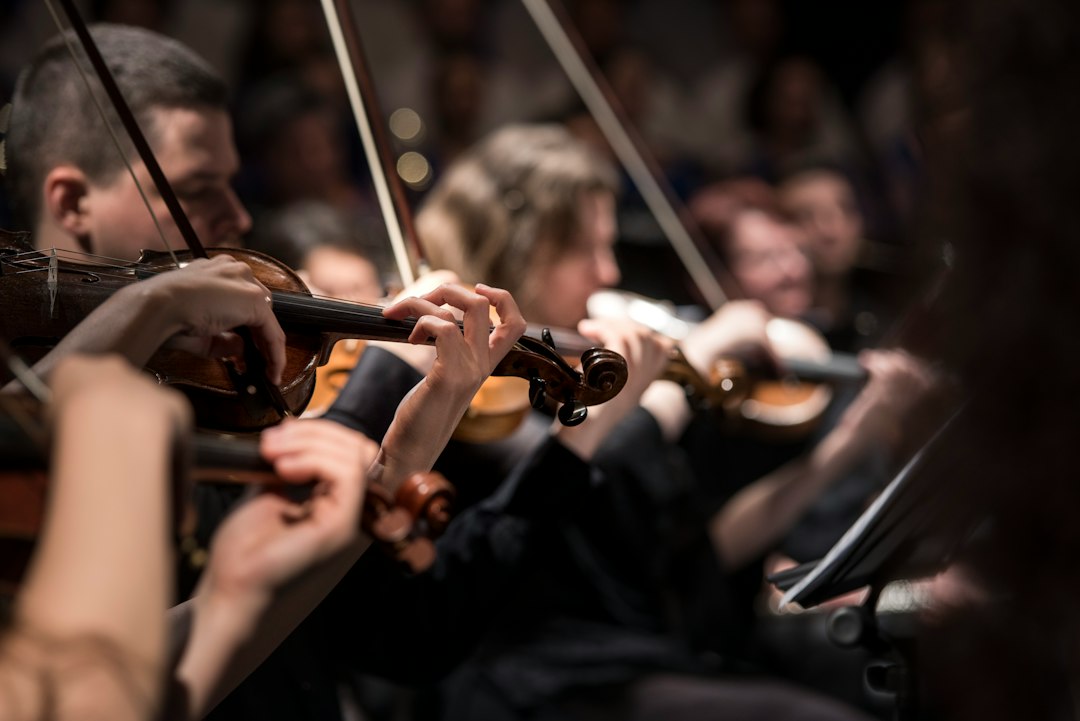
The Leitmotif: How a Few Notes Can Carry a Whole Character
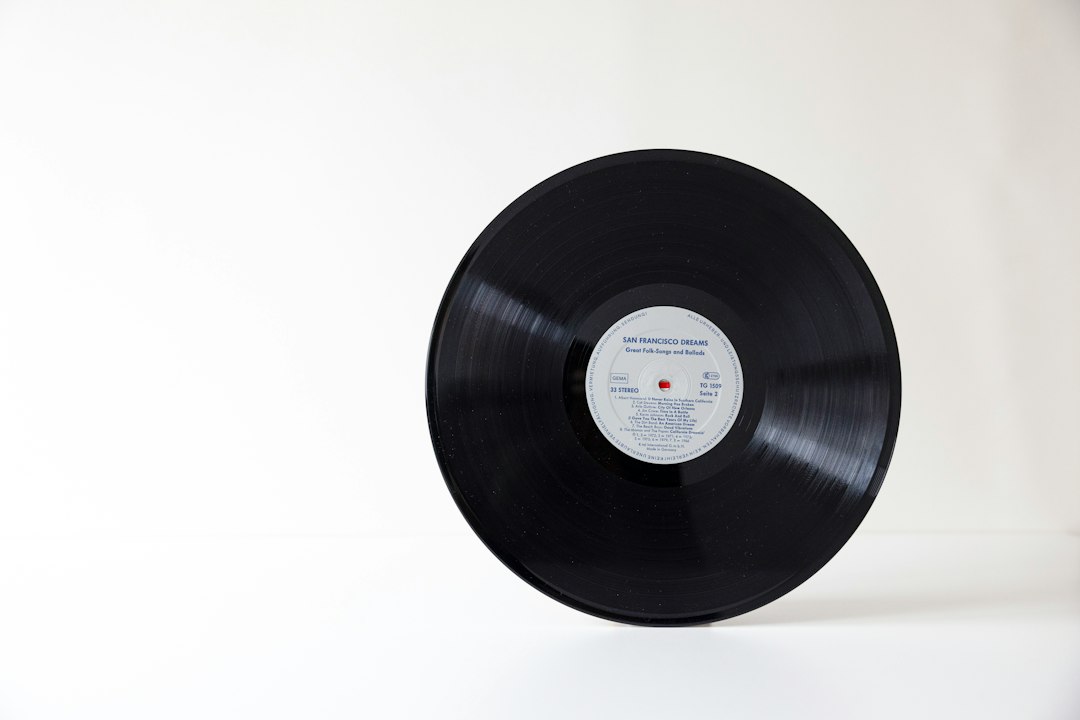
The Needle Drop: Why Filmmakers Reach for a Song Instead of a Score
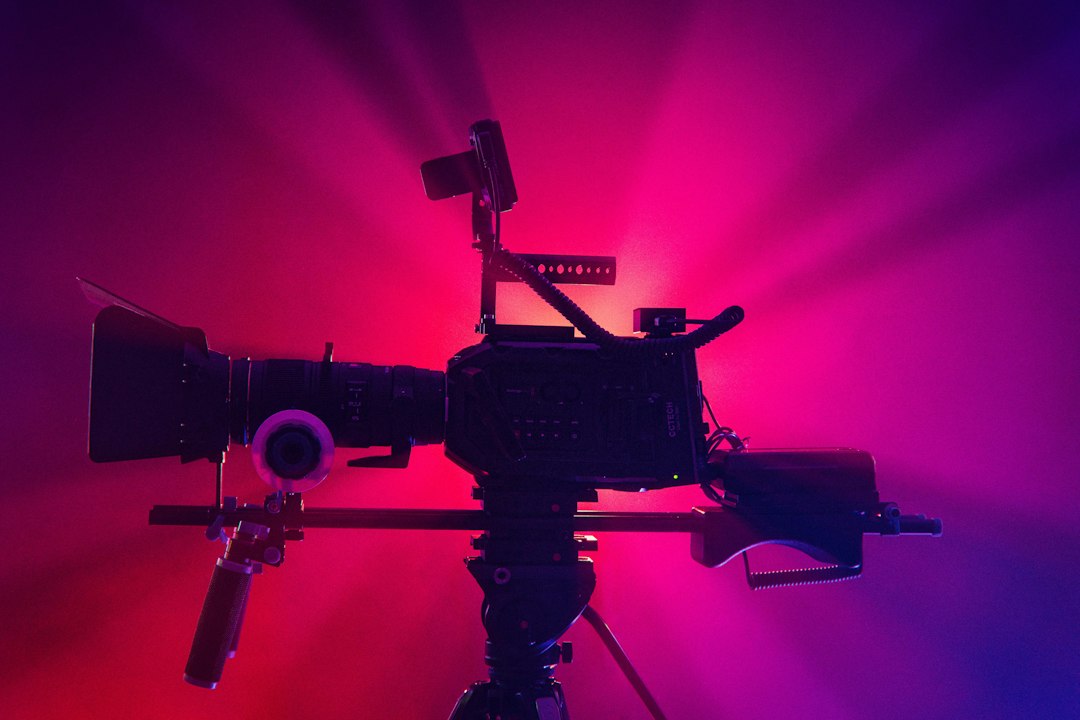
The Dutch Angle: Why a Tilted Frame Makes Us Uneasy
The Secret Life of Movie Dialogue: Why So Much of It Isn't Really There
The 180-Degree Rule: Cinema's Invisible Law of Space
The Kuleshov Effect: How Editing Creates Meaning You Never Filmed
The Psychology of the Close-Up
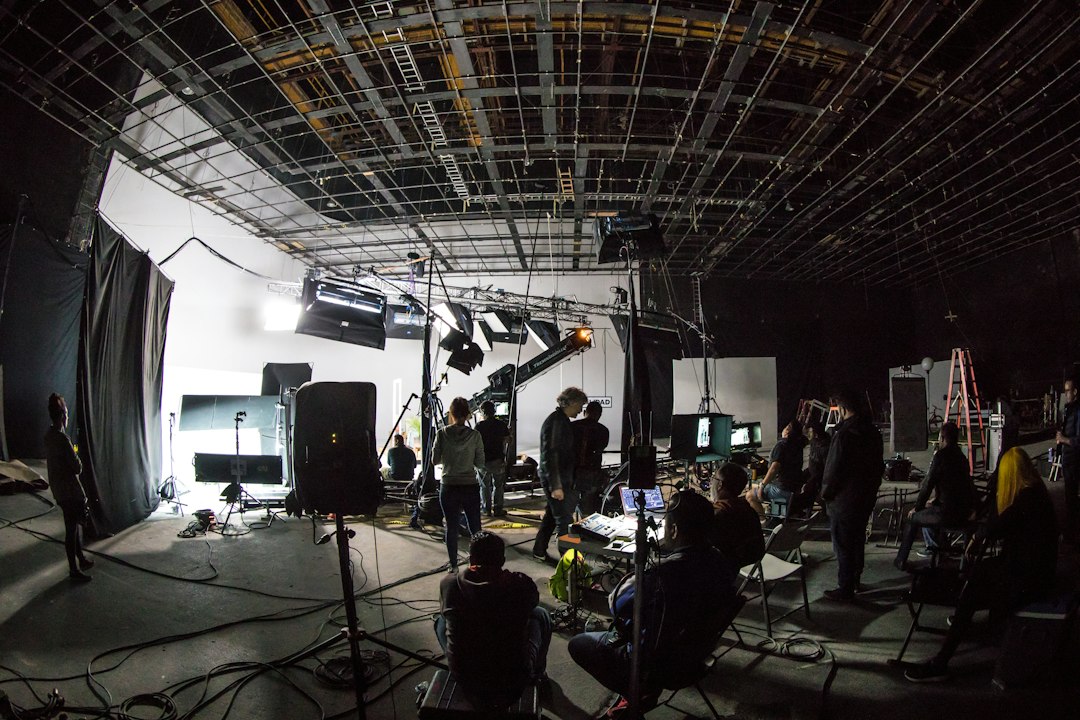
What a Room Reveals: The Hidden Language of Production Design
The Cut Is the Music: How Editing Rhythm Shapes What You Feel
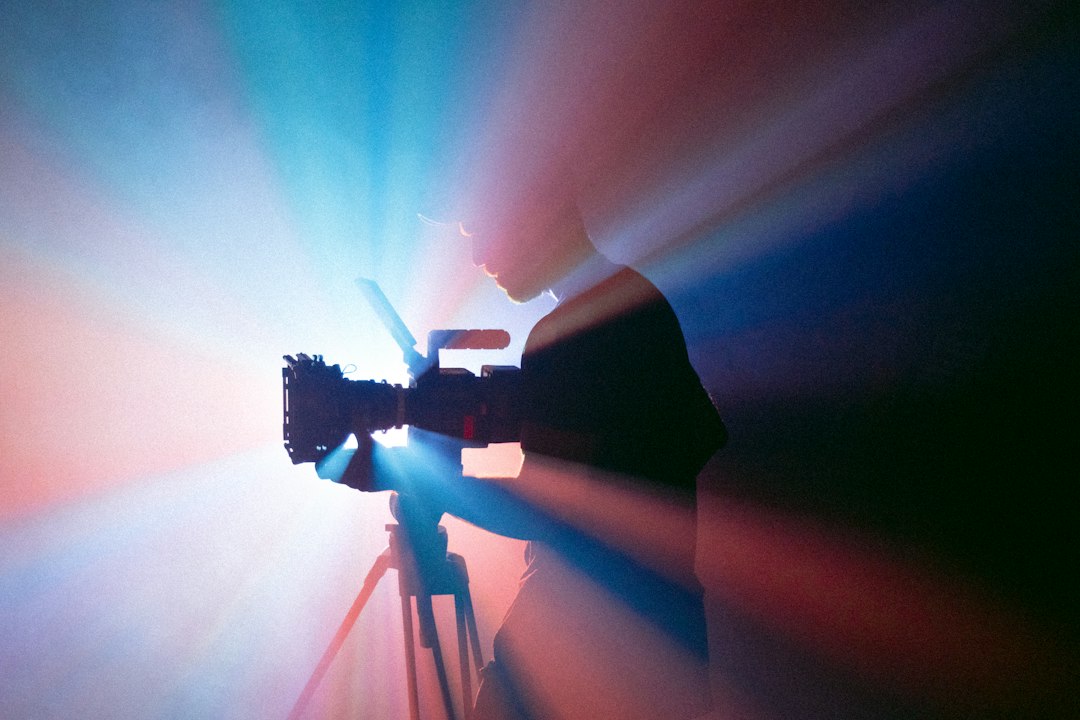
The Long Take: Why Filmmakers Refuse to Cut
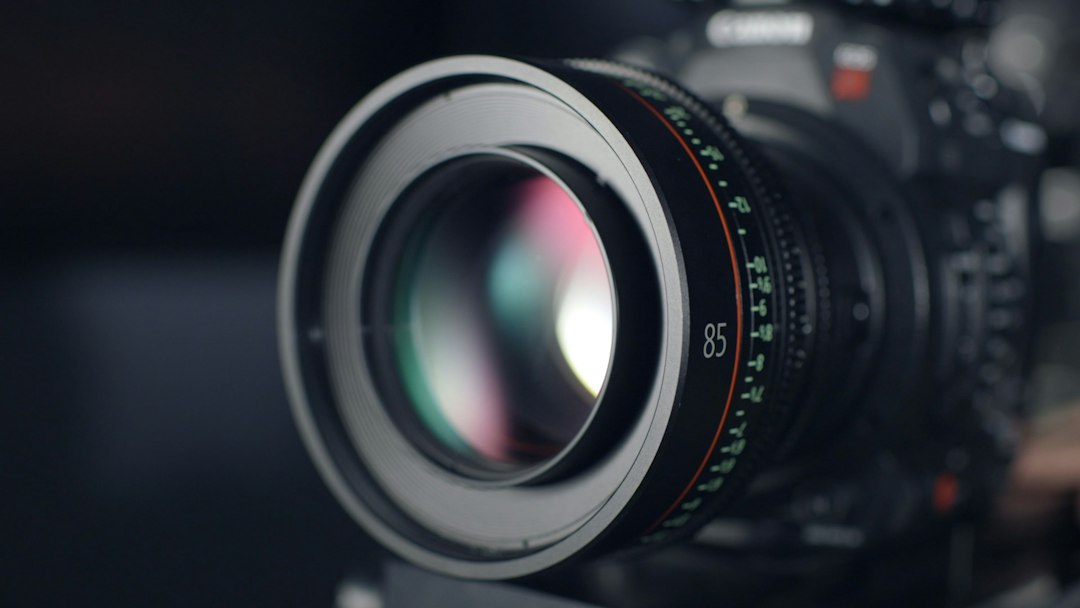
The Hidden Language of Lenses

Why Every Blockbuster Looks Orange and Teal
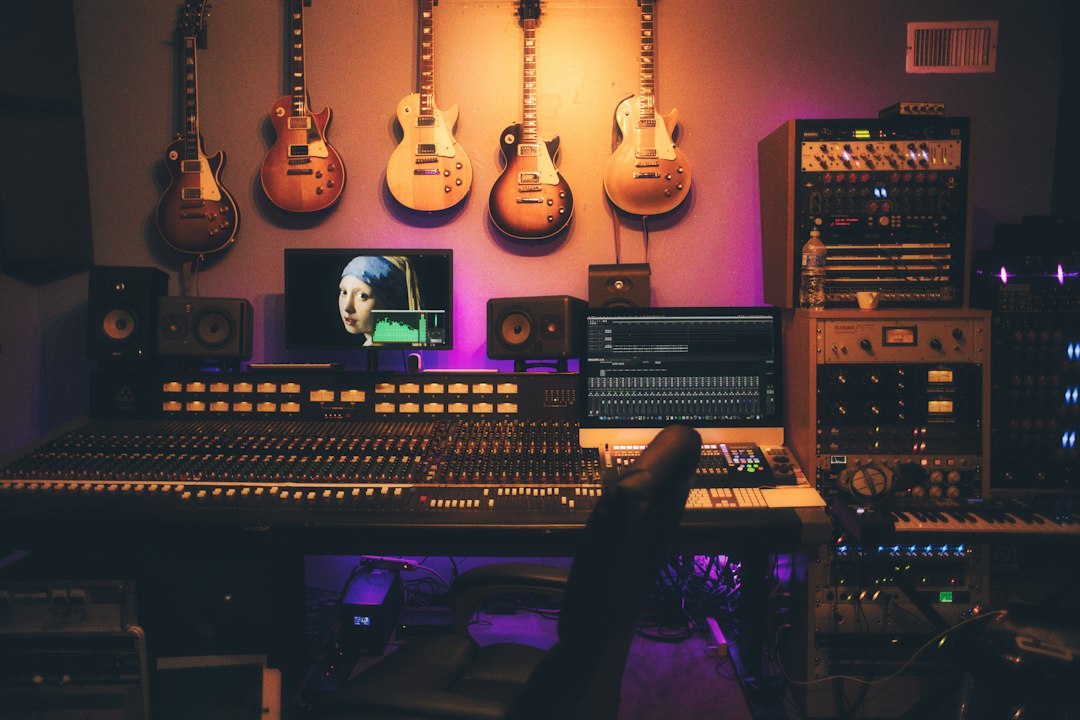
The Temp Track Problem: Why Film Scores Sound the Way They Do
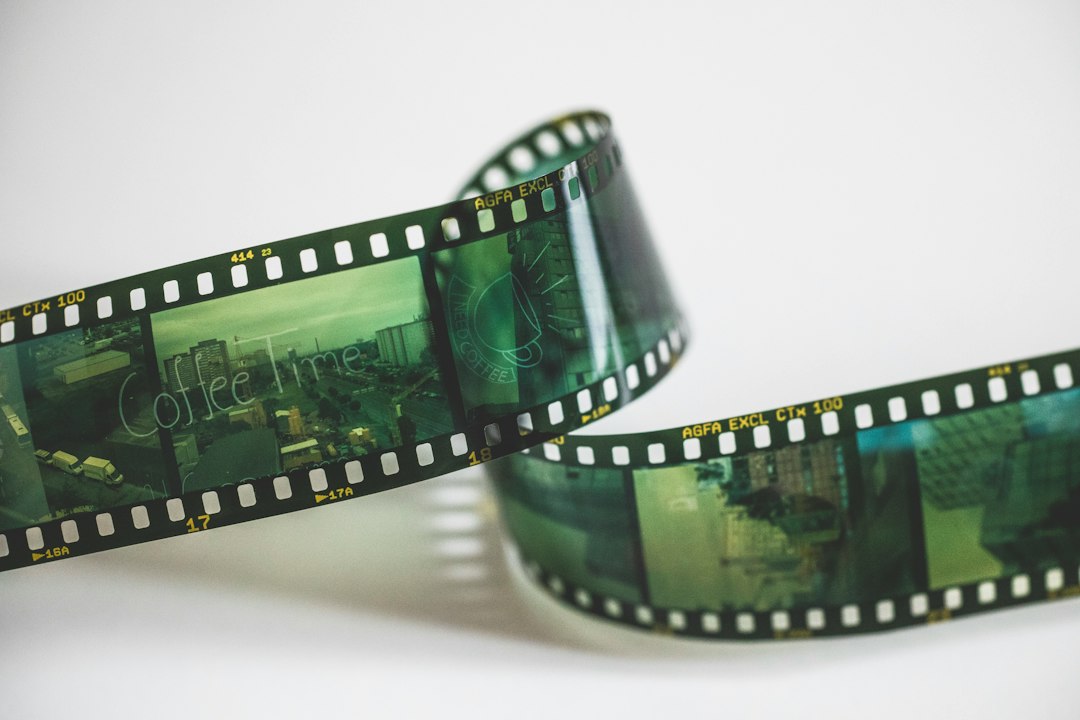
The Invisible Choice: How Aspect Ratio Shapes Every Film You Watch
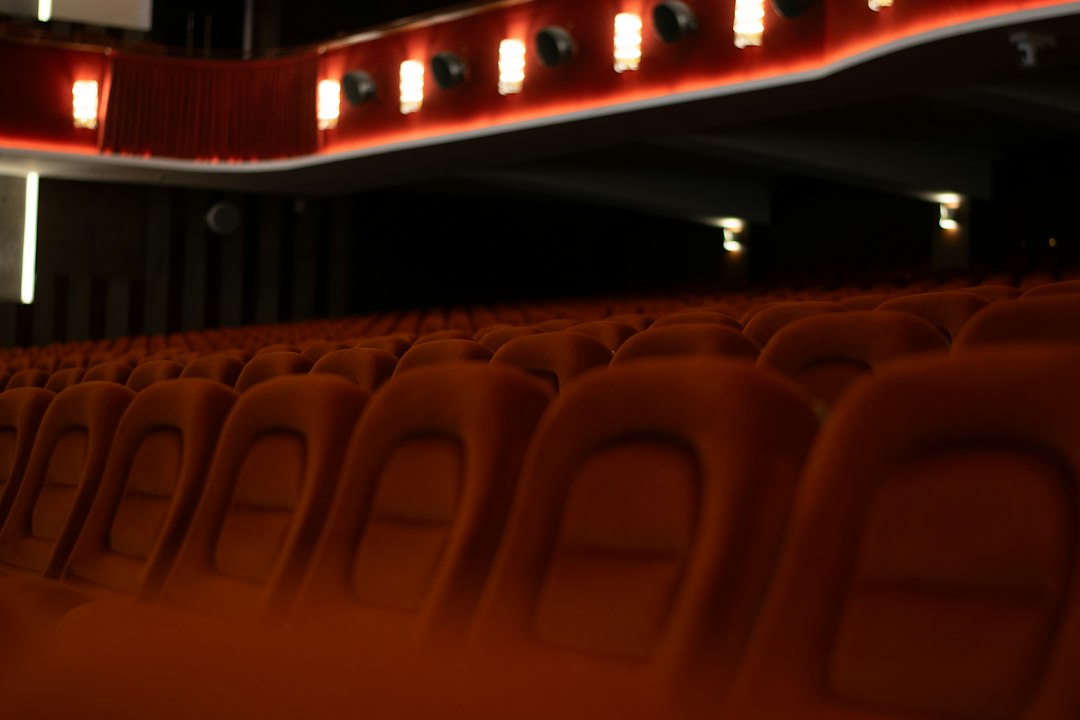
Why So Many Great Films Never Get a Wide Release
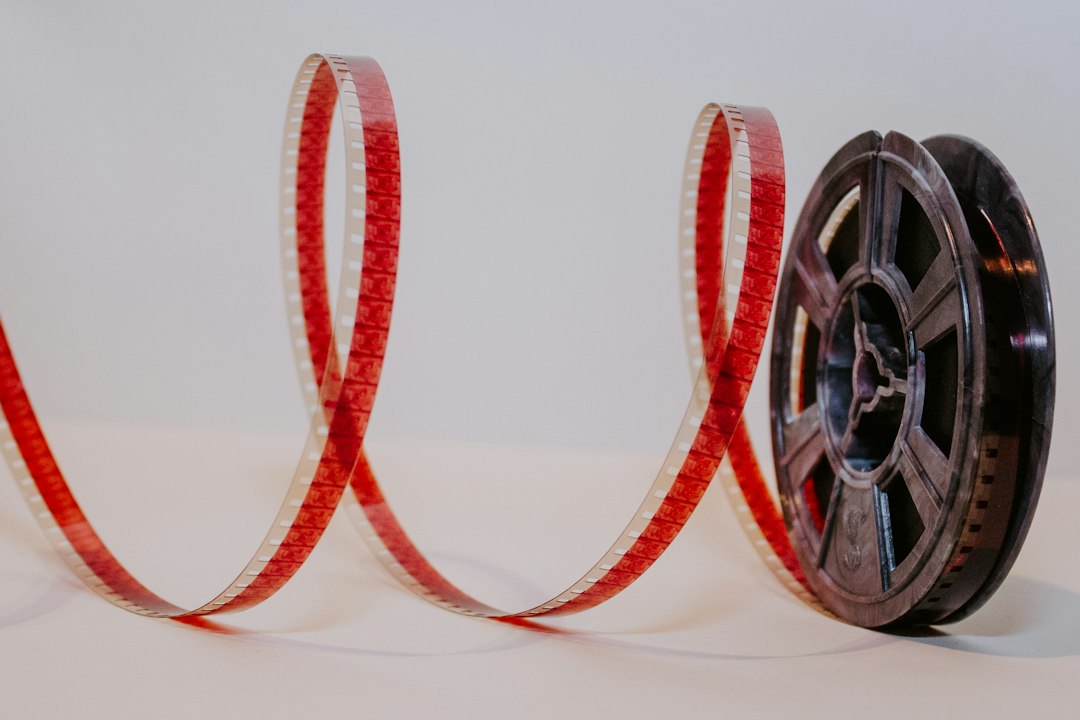
The Rise of the 90-Minute Movie: Is Runtime the New Flex?

How Foley Artists Build the Sounds You Never Notice
The Criterion Effect: How One Label Reshaped Film Culture
Why Practical Effects Are Making a Comeback in the CGI Era