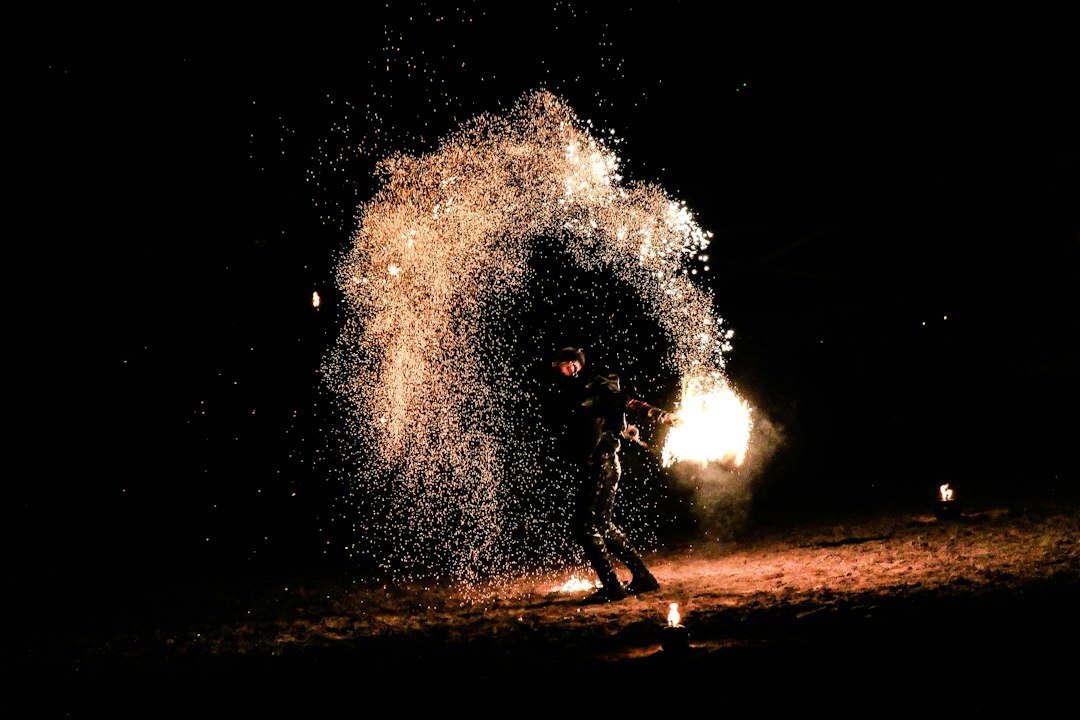
Photo by René DeAnda on Unsplash
Why Movie Characters Never Look at Explosions
The image is etched into cinematic memory: a hero strides toward camera in slow motion while a fireball erupts behind them, never once glancing back. It’s become such a recognizable convention that it spawned parody songs, memes, and knowing winks in action films themselves. But this trope didn’t emerge from nowhere, and its persistence reveals something about how action cinema creates mythic cool.
The Cultural Codification
While characters walked away from danger throughout film history, the modern “cool guys don’t look at explosions” aesthetic crystallized in the 1980s and 1990s action boom. Directors like John Woo, Michael Bay, and the teams behind films like The Rock and Con Air turned the unflinching exit into visual shorthand for unshakeable confidence. The hero who doesn’t flinch at destruction becomes larger than life—a figure so in control that chaos itself is beneath their notice.
The trope gained enough cultural weight that by 2009, The Lonely Island’s “Cool Guys Don’t Look at Explosions” could parody it effectively. The joke worked because audiences instantly recognized the convention, which paradoxically reinforced it. Even films that wink at the cliché still use it, because it delivers an undeniable emotional beat.
The Practical Filmmaking Logic
Behind the mythmaking lies practical craft. When a character walks toward camera while an explosion erupts behind them, the composition keeps both elements in frame simultaneously. The advancing figure creates forward momentum while the expanding fireball provides spectacle—two payoffs in one shot. Turning around would break that visual economy, forcing a cut to show what the character sees.
There’s also a safety consideration layered into the aesthetic. Real pyrotechnic explosions on set generate heat, debris, and concussive force. Actors are positioned at carefully measured distances, often with protective gear hidden under costumes, and they’re blocking away from the blast. Having them turn back toward the explosion would mean either bringing them dangerously close or revealing the actual safe distance through an awkward reverse angle that breaks the illusion of proximity.
The Emotional Geometry
The choice to walk away rather than observe carries psychological weight. Looking back suggests concern, surprise, or second thoughts—all emotions that undercut the hero’s command of the situation. The forward gaze implies the explosion was inevitable, controlled, or simply irrelevant to what matters next. It’s a visual assertion of agency: the hero caused this or survived it, and either way, they’re already moving on.
This geometry inverts our natural human curiosity. In reality, explosions draw every eye. The refusal to look becomes a stylized gesture of mastery, a way to signal that the character operates by different rules than the audience would. It’s the cinematic equivalent of a mic drop—impact through studied indifference.
When Breaking the Rule Works
Smart filmmakers know when to violate the convention for effect. A character who does turn to watch the explosion can signal doubt, horror at what they’ve done, or the realization that something went wrong. The moment gains power precisely because it breaks the expected pattern. Similarly, comedies often have characters look back with inappropriate satisfaction or boyish glee, using the subversion to undermine faux-heroic posturing.
The trope endures because it’s both visually efficient and emotionally legible. It compresses confidence, danger, and forward momentum into a single image that requires no dialogue. Whether played straight or ironically, the walk-away has become part of action cinema’s visual grammar—a gesture every viewer understands, even if they’ve never stopped to ask why it works.