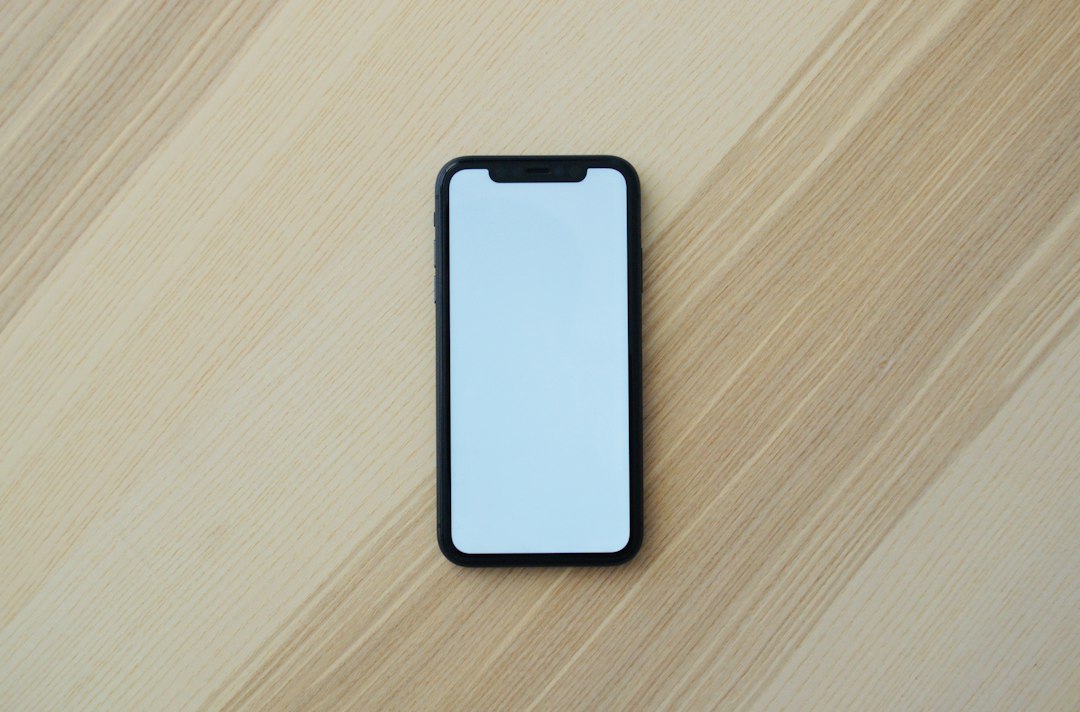
Photo by Vojtech Bruzek on Unsplash
Why Movie Phones Never Show Real Brands
Every time a character pulls out a phone in a film or TV show, something feels slightly off. The interface might look familiar but not quite right. The logo on the back is carefully hidden. The operating system has icons that don’t match any real device you’ve ever used. This isn’t accidental—it’s one of the most carefully managed visual elements in modern production.
The Legal and Financial Calculus
Showing a real phone brand without permission creates legal exposure. While filming someone using an iPhone in public falls under fair use, featuring one prominently in a scripted scene can imply endorsement. Studios avoid this risk by either securing official product placement deals or obscuring branding entirely.
Product placement deals solve the problem but introduce creative constraints. Apple famously provides devices to productions but maintains guidelines about how they’re used.Villains don’t use iPhones. Devices must be shown in a positive context. These restrictions shape storytelling in subtle ways, so many filmmakers simply avoid the entanglement.
Practical Masking Techniques
The simplest solution is framing. Shoot from angles that hide the logo. Keep the phone face-up on the table. Film over the shoulder so only the screen is visible. Camera operators and script supervisors track this on set, flagging shots where branding might slip through.
When the phone must be visible, production designers apply neutral cases or black tape over logos. In post-production, VFX teams can paint out branding frame by frame, though this adds cost. For hero shots where the phone is prominent, productions commission custom dummy devices that resemble modern smartphones without copying any specific design.
Fake Operating Systems
The bigger challenge is the screen itself. Audiences recognize iOS and Android instantly. Showing a real interface without permission carries the same legal risk as showing the hardware logo, so productions create fake OS overlays.
These fictional interfaces must look plausible without being identifiable. They borrow visual language from real systems—grid layouts, rounded icons, swipe gestures—but avoid distinctive elements like the iPhone’s bottom dock or Android’s notification shade. The result occupies an uncanny middle ground: functional enough to read as a phone, generic enough to avoid infringement.
Some productions go further and create fully branded fictional phones. This works best in speculative or futuristic settings where anachronism isn’t an issue. The approach gives complete creative control but requires more design work up front.
Why It Matters to the Story
Phone branding isn’t just a legal concern—it’s a temporal anchor. A recognizable device dates the film instantly. An iPhone 6 marks a scene as mid-2010s. A BlackBerry signals the late 2000s. Avoiding specific models gives the film a longer shelf life, keeping it from feeling locked to a particular year.
There’s also an audience immersion factor. Real branding can pull viewers out of the story, especially in high-stakes or emotional scenes. A generic phone becomes invisible, letting the content of the call or text carry the moment without distraction.
The Rare Exceptions
Some films embrace product placement as part of their aesthetic. Prestige dramas and contemporary thrillers sometimes feature iPhones prominently, signaling realism and modernity. The Apple logo becomes shorthand for a character’s taste or economic status.
Other productions use branding for period accuracy. A film set in 2007 might show an original iPhone to establish when the story takes place. In these cases, the device is a historical artifact rather than a commercial endorsement, and rights clearance works differently.
But for most productions, the safest and cheapest route remains the same: shoot around it, cover it, or fake it. The next time you watch a film, notice how rarely you see a phone logo or a recognizable home screen. It’s everywhere and nowhere at once.