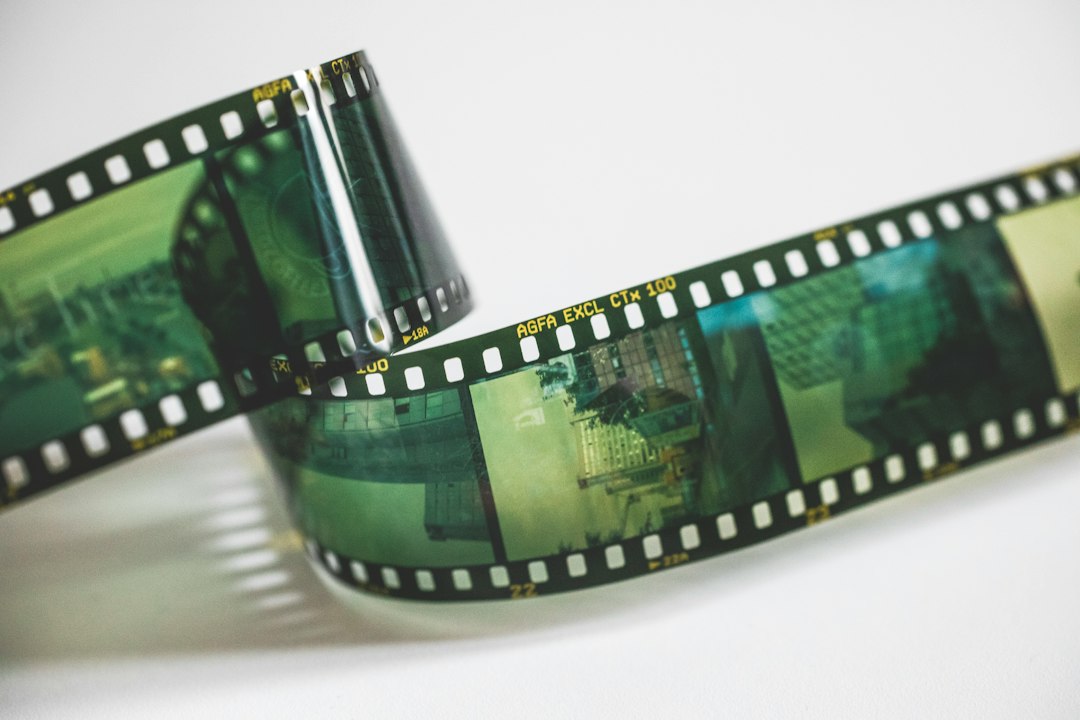
Photo by Markus Spiske on Unsplash
The Dissolve: Why Filmmakers Still Reach for Cinema's Softest Transition
What a Dissolve Actually Is
A dissolve is a transition where one shot gradually fades out while the next fades in, so for a moment both images sit on screen together, blended. It’s different from a cut, which is instant, and different from a fade, which goes to and from black. A dissolve connects two shots directly to each other, and for a beat, you’re looking at both at once.
That overlap is the whole point. A cut asks your brain to jump. A dissolve asks it to linger, to hold two images in mind simultaneously and find the relationship between them.
Older Than Sound Itself
Dissolves predate synchronized dialogue by decades. Early filmmakers achieved them in-camera, using double exposure: winding the film back and shooting a second image over the first, with the aperture opening on one as it closed on the other. It was fussy, unforgiving work, since there was no way to preview the blend until the footage came back from the lab.
Once optical printers became standard, dissolves moved into post-production, where an editor could dial in the exact length and timing without gambling the negative. That shift is part of why dissolves became so associated with a certain classical Hollywood elegance. They required a level of craftsmanship and lab time that a straight cut didn’t, and audiences absorbed that polish as part of the studio-era visual vocabulary.
A Way to Move Through Time
The dissolve’s main narrative job has always been compressing time or distance without disorienting the viewer. A character’s face dissolves into a calendar page, into a train window, into an older version of the same face. It signals “time has passed” or “we’ve moved somewhere else” more gently than a hard cut, which reads as “now” even when the story wants “later.”
Montage sequences leaned on this constantly. A string of dissolves could compress a training regimen, a courtship, or a season into a minute of screen time, because the overlap itself communicates continuity. You’re not leaving one moment behind so much as watching it hand off to the next.
Falling Out of Fashion
By the time faster-paced editing took over mainstream film and television, the dissolve started to feel like a period piece in itself. Hard cuts got faster, montage sequences got choppier, and the soft blend of a dissolve read as slow, even sentimental, next to the propulsive rhythm audiences had gotten used to. It became shorthand for soap operas and dream sequences, a technique directors reached for ironically or nostalgically rather than as a default tool.
Nonlinear editing systems didn’t help its reputation either, since dissolves were suddenly so easy to apply that they could look like a default transition slapped on to smooth over a rough cut, rather than a deliberate choice.
The Quiet Comeback
That ease of use eventually became an advantage again. Digital tools let editors control the exact curve and duration of a dissolve down to the frame, which means the technique can be precise instead of decorative. Contemporary films and prestige television still use dissolves deliberately, often to link two images that share a shape, a color, or an emotional beat, letting the audience feel the connection rather than having it spelled out.
The Meaning Lives in the Overlap
What makes a dissolve worth using isn’t nostalgia, it’s that brief moment where two images coexist. That overlap can suggest memory, premonition, or a thematic rhyme between scenes in a way a cut simply can’t, because a cut has no in-between. The dissolve is the rare transition that creates a third image, however briefly, out of the two it’s connecting. That’s a tool worth keeping around, even in an editing culture built on speed.