Photo by Gil Ribeiro on Unsplash
Why Movie Detectives Always Work Alone at Night
The cinematic detective follows a predictable pattern: they return to the crime scene after hours, sift through evidence in a dimly lit apartment, or stake out a location in the dead of night—always alone. This trope appears so frequently across decades of film that it feels intrinsic to the detective genre itself. But the reasons have less to do with investigative logic and everything to do with what works on screen.
Isolation Creates Vulnerability
A detective working alone is a detective in danger. The moment they dismiss their partner, ignore protocol, or pursue a lead solo, the audience understands the stakes have shifted. Film grammar trains viewers to recognize isolation as vulnerability. A crowded police station full of backup offers no dramatic tension. A detective alone in a warehouse at 2 AM, flashlight cutting through darkness, creates it instantly.
This isolation also forces characters to externalize their thought process. A detective with a partner can talk through theories, debate next steps, and reveal information through dialogue. A solo detective must use other tools: voice-over narration, talking to themselves, or physical behavior that telegraphs their reasoning. The solitary investigation becomes a window into how the character thinks.
Night Equals Moral Ambiguity
Darkness does visual work that daylight cannot. When a detective operates at night, they move outside official channels and normal working hours. They’re off the clock, off the record, and often off the books entirely. Night becomes a visual shorthand for operating in moral gray zones—bending rules, pursuing hunches without authorization, or following instincts that can’t be justified in a report.
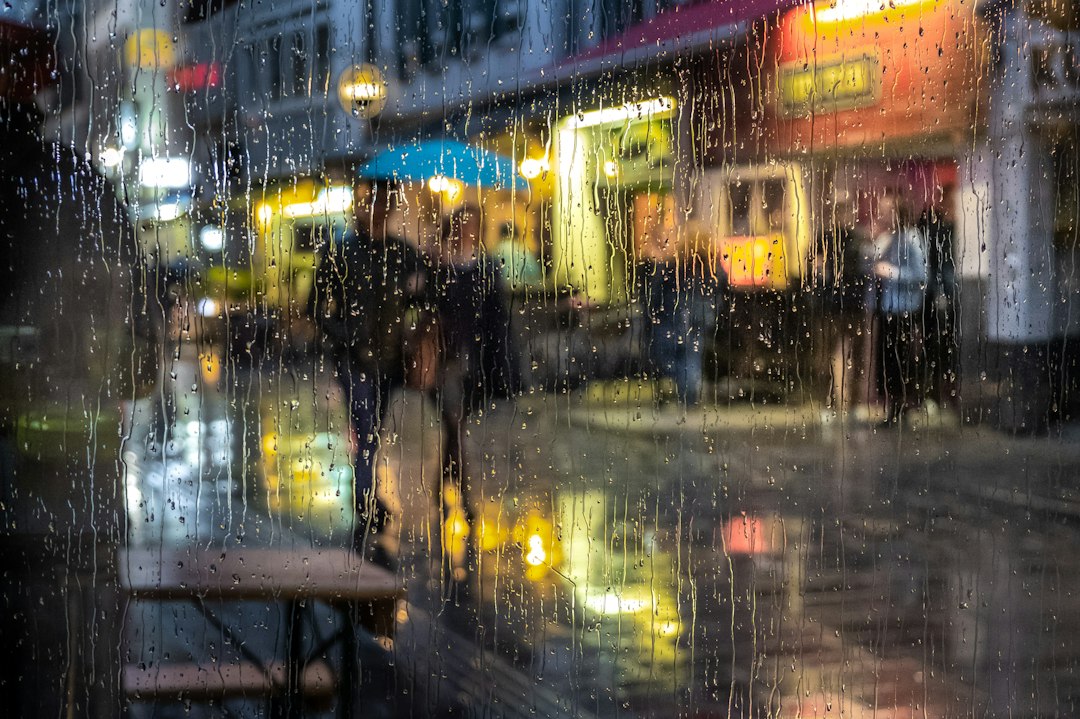
Cinematographers love night for practical reasons too. Controlled lighting creates mood, atmosphere, and focus. A detective’s face lit by a single desk lamp or the glow of evidence photos offers far more visual drama than fluorescent office lighting. Rain-slicked streets, neon reflections, and isolated pools of streetlight give night scenes a texture that reinforces the detective’s emotional state: searching, alone, chasing something just out of reach.
Breaking Procedure Builds Character
Real detectives work in teams, follow chains of command, and operate during business hours for legal and safety reasons. Film detectives who ignore all of this signal something essential about their character. They’re obsessed, driven, or damaged enough to prioritize the case over their own wellbeing. The solo nighttime investigation becomes a visual manifestation of obsession.
This also allows films to sidestep the procedural reality of detective work, which involves paperwork, warrants, coordination with other agencies, and bureaucratic delays. None of that makes for compelling cinema. A detective who works alone at night can move at narrative speed, following leads immediately and reaching conclusions without committee approval.
The Audience Becomes the Partner
When a detective works alone, the audience fills the empty space. We become their only witness, their confidant, their second pair of eyes. This creates intimacy. We’re not watching from the outside as one character explains things to another—we’re directly alongside the protagonist, experiencing their discoveries in real time.
This technique also allows filmmakers to control information flow precisely. A detective explaining their theory to a partner gives away information. A detective piecing together clues silently lets the audience work alongside them, reaching conclusions at the same moment or racing ahead to see if they’re right.
Convention Becomes Expectation
After decades of films showing detectives this way, the image has become self-reinforcing. Audiences expect to see the obsessed investigator hunched over case files at 3 AM, or returning alone to the scene after everyone else has gone home. The trope signals “serious detective” so effectively that departing from it risks feeling less authentic to the genre, even though it’s less authentic to actual police work.
The solo nighttime investigation isn’t realism—it’s visual storytelling distilled to its most effective form. It isolates the protagonist, raises stakes, creates atmosphere, and builds character through behavior rather than exposition. Real detectives might work in teams under bright lights, but cinema has always understood that darkness and solitude make better drama.