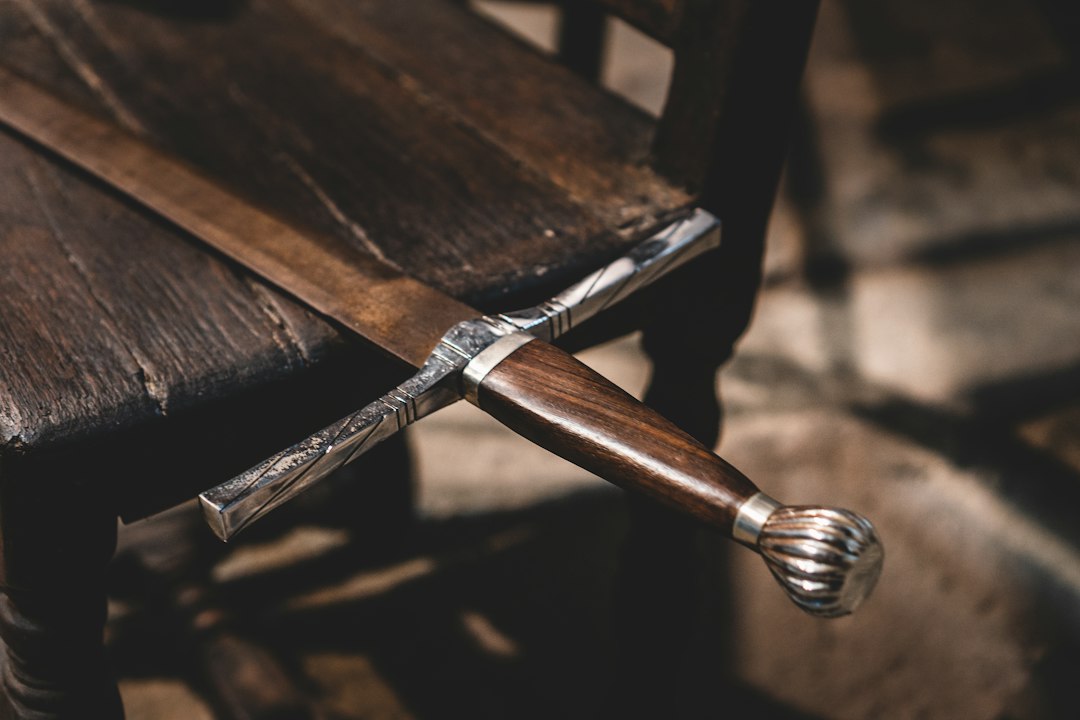
Photo by Jonathan Kemper on Unsplash
Why Movie Swords Weigh Half as Much as Real Ones
The swords clashing onscreen look heavy, brutal, meant to kill. The actors wielding them move with visible effort, muscles straining as steel meets steel. But those weapons typically weigh between one and two pounds—roughly half what their historical counterparts would have weighed, and built from entirely different materials for entirely different purposes.
Aluminum and Rubber, Not Steel
Most hero swords in film production are made from aluminum, with some crafted from high-density foam, rubber, or even wood depending on the specific demands of a scene. An authentic medieval longsword weighed between three and four pounds. A film sword of the same size rarely exceeds two pounds, and stunt versions can weigh significantly less.
The reason is straightforward: actors perform the same choreographed sequence dozens of times across multiple takes and camera angles. A fight that lasts thirty seconds onscreen might require eight hours of shooting. Real sword weight causes fatigue, increases injury risk, and degrades performance quality as the day wears on. Lighter weapons let actors maintain speed, precision, and energy throughout an entire shooting schedule.
Blunted Edges and Flexible Tips
Film swords don’t just weigh less—they’re also deliberately blunt and flexible. Edges are rounded or entirely dull. Tips flex or compress on impact rather than piercing. Some productions use swords with retractable tips for specific stabbing shots, where the blade appears to penetrate but actually collapses into the handle.
This design serves multiple functions. Safety is paramount when actors are swinging metal objects at each other’s heads. But flexibility also prevents the swords from ringing or vibrating in ways that would be difficult to control. A rigid steel blade struck at speed produces unpredictable harmonics and sustains that can complicate sound design. Aluminum and composite materials dampen vibration, giving sound designers a cleaner slate to work from.
The Sound You Hear Isn’t the Sword You See
The metallic clash, the sharp ring, the whistle of a blade cutting air—none of those sounds come from the swords themselves. Foley artists create sword sounds in post-production, often using entirely different objects. Real swords, even when they do make contact, don’t produce the dramatic sounds audiences expect. Film swords, being lighter and duller, produce even less satisfying audio.
This disconnect between image and sound gives filmmakers more control. The weight of a sword can be conveyed through sound design, actor performance, and visual effects rather than through the actual mass of the prop. A two-pound aluminum sword can look and sound like an eight-pound claymore if the actor moves correctly and the audio team does their work.
When Productions Use Real Steel
Some films do use actual steel swords, particularly for close-up shots where the blade needs to catch light in specific ways or display authentic surface textures. These hero props are still modified—edges dulled, tips blunted, balance adjusted—but they offer visual qualities that aluminum can’t replicate.
Productions typically maintain multiple versions of each sword: steel versions for beauty shots, aluminum versions for general choreography, and ultra-light stunt versions for wide shots or particularly demanding sequences. The camera cuts between them seamlessly, and audiences never notice the substitution.
The Actor’s Performance Sells the Weight
Ultimately, the perceived weight of a movie sword lives in how the actor handles it. Proper technique means moving as if the weapon has heft—letting momentum carry the blade through its arc, using both hands to control a supposedly heavy longsword, showing strain during prolonged combat. Choreographers train actors to respect the weight that isn’t there, creating the illusion through performance rather than actual physics.
The paradox of film swords is that they work better precisely because they’re not real. They protect actors, maintain consistency across long shooting days, and give filmmakers the flexibility to create the violence they need without the danger that would come with authentic weapons. The movie sword is its own category of object—not a weapon, but a tool for crafting the idea of a weapon.