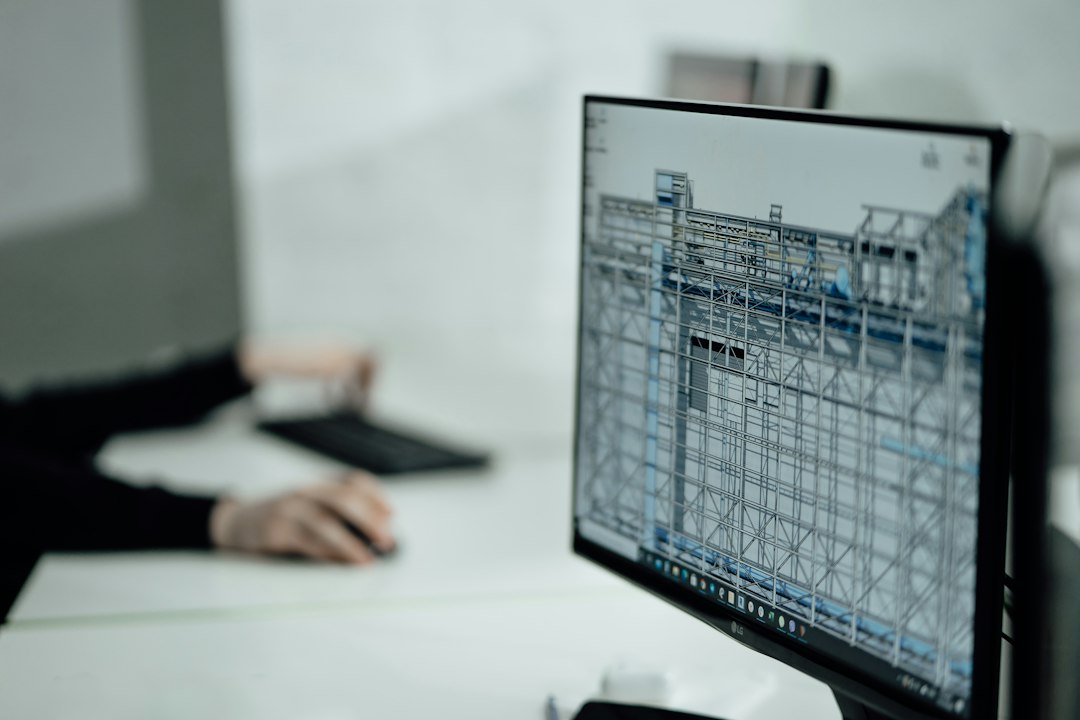
Photo by Evgeniy Surzhan on Unsplash
Why Movie Architects Always Use Physical Models
In almost every film featuring an architect character, the same visual shorthand appears: a workspace littered with physical scale models, white foam core buildings, tiny trees, and miniature furniture. The architect leans over these models with precision tools, adjusting details under dramatic desk lamps. It’s a compelling image, but it’s also decades out of step with how most architects actually work today.
The Reality of Modern Architecture
Real-world architecture shifted almost entirely to digital workflows in the 1990s and 2000s. Contemporary architects spend their days in CAD software, BIM platforms like Revit, and 3D modeling programs. Physical models still exist in the profession—especially for client presentations and design competitions—but they’re usually outsourced to specialized model shops or produced by junior staff, not by the lead architect hunched over a desk with an X-Acto knife at midnight.
Yet films continue to show architects as hands-on model builders. The image persists across genres and decades, from romantic dramas to thrillers, creating a visual language that prioritizes cinematic clarity over documentary accuracy.
Why Physical Models Work on Screen
The choice comes down to visual storytelling. A character staring at a computer screen offers almost no information to the audience. We can’t read the software interface from across a room, and the work itself—clicking, scrolling, adjusting parameters—looks identical whether the character is designing a museum or checking email. There’s no visual texture, no physicality, no way for the camera to reveal progress or creative struggle.
Physical models solve all of these problems instantly. The camera can move around the miniature building, showing it from multiple angles. The audience understands the scale, the design intent, and the architect’s vision without a single line of exposition. When a character adjusts a tiny wall or repositions a model tree, we see decision-making in action. The model becomes a tangible manifestation of thought.
Craft, Control, and Character
Physical models also communicate something deeper about the architect as a character type: precision, control, patience, and a relationship with physical materials. An architect building a model by hand reads as meticulous and artistic. The workspace itself—drafting tables, rolls of translucent paper, containers of balsa wood and styrene—creates a visual environment that feels creative and intentional.
This aesthetic extends beyond architecture. Films often show designers, inventors, and engineers working with physical prototypes and analog tools because these objects photograph well and communicate expertise. A clockmaker’s workbench crowded with tiny gears tells a richer story than someone running a CAD/CAM simulation.
Nostalgia for a Tangible Profession
There’s also a nostalgic element. The image of the architect as model-builder connects to an earlier era of the profession, one that feels more romantic and artisanal. It evokes the great modernist architects—Frank Lloyd Wright, Le Corbusier, Mies van der Rohe—who worked before digital tools existed. The physical model suggests a purer connection between idea and form, unmediated by software.
Cinema has always been selective about which professional realities it depicts. Lawyers rarely spend screen time reviewing documents, doctors don’t fill out insurance paperwork, and architects don’t troubleshoot software bugs or sit through zoning board meetings. Instead, films choose the version of work that best serves the story and the frame.
The Model as Metaphor
In narrative terms, the architectural model often functions as more than set dressing. It becomes a metaphor for the character’s inner life—their ambitions, their relationships, their need for control. A model under construction suggests a work in progress; a completed model might be destroyed in a moment of frustration or revelation. The physical object gives the story something to act upon.
The persistence of this trope isn’t about accuracy. It’s about choosing the version of reality that works best on screen, where every object in the frame needs to communicate quickly and clearly. The architect’s model does exactly that, which is why it remains a fixture of cinematic storytelling long after the profession moved on.