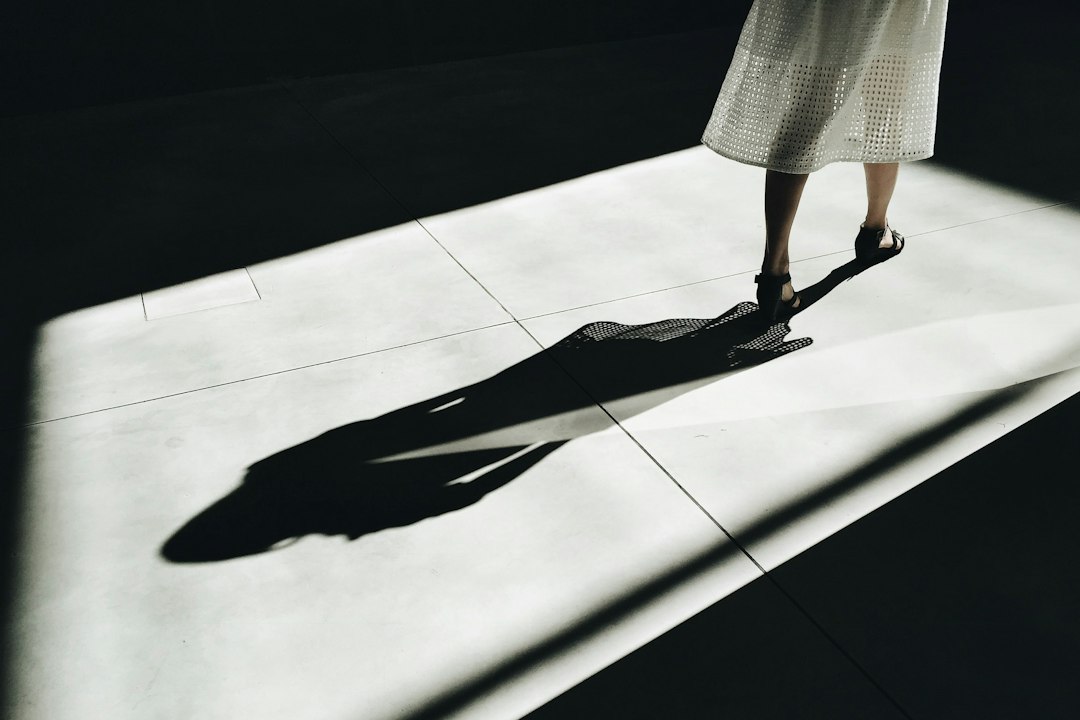
Photo by Martino Pietropoli on Unsplash
The Language of Shadows: How Filmmakers Use Light and Dark
Chiaroscuro — from the Italian for “light-dark” — is one of cinema’s oldest expressive tools, borrowed from painting long before film existed. Caravaggio and Rembrandt understood that placing a figure half in shadow fundamentally changes how we read them. Cinema inherited that understanding and spent a century refining it.
At its most basic, chiaroscuro means using strong contrast between lit and unlit areas of the frame — not just illuminating a scene, but sculpting it with darkness. The key creative decision isn’t where to put the lights. It’s where to let the shadows fall.
From Canvas to Camera
German Expressionist filmmakers in the silent era were among the first to systematically use shadow as a storytelling instrument. Working on heavily stylized sets with distorted angles, they used extreme lighting contrast to externalize psychological states. The shadows weren’t just atmospheric — they were the architecture of dread, mapped onto the walls and floors and faces of the frame.
Film noir absorbed these techniques in the 1940s and made them canonical. Venetian blind shadows raking across a detective’s face, a femme fatale half-dissolved in darkness, a villain whose eyes stay unlit no matter the camera angle — these became a visual grammar for moral ambiguity. The convention that has accumulated around these images is real, but it isn’t the only thing making them work.
The deeper reason chiaroscuro registers so strongly isn’t learned. We evolved to be wary of what we can’t fully see. Darkness signals concealment, the unknown, potential threat. A film that keeps things literally shadowed triggers the same low-grade alertness as actual obscurity. The brain starts to respond before the story has made any explicit argument.
What the Shadows Are Saying
Chiaroscuro doesn’t only signal danger — it encodes moral complexity. A character who moves between light and shadow across a film can be tracking their own internal conflict. The classic split-face composition, one eye lit and one swallowed by dark, is doing the work that a speech about inner turmoil might otherwise have to carry. The frame is making the statement before any dialogue can.
High-key lighting — flat, even, low-contrast illumination — communicates the opposite: safety, transparency, the ordinary. Romantic comedies and family films tend toward it. Horror and crime films avoid it, or deploy it strategically in moments of false security before something goes wrong. The contrast between modes can mark a genre shift as clearly as a music cue. When a film moves from bright exterior spaces into a barely lit interior, the light change is already telling us what kind of scene we’re about to be in.
The Practical Craft Behind It
Creating convincing chiaroscuro requires active restraint. The instinct in any production is to keep adding light until the image looks clean and well-exposed. Cinematographers working in this tradition have to resist that pull and deliberately protect the shadows — deciding which areas of the frame stay dark, and holding that decision through the shoot.
This has become more complicated in the digital era. Modern cameras have enormous latitude to recover shadow detail, and color correction in post can undo what was carefully built on set. A cinematographer might compose a frame around a meaningful dark corner, only to have it brightened during the grade because someone wanted to “show more detail.” Preserving intentional darkness requires clear creative alignment between the director of photography, the colorist, and the director — the shadows have to be protected all the way through the pipeline.
Why It Still Works
After a century of cinema, audiences are fluent in visual convention. We recognize what a shadowy figure in a doorway means. And yet chiaroscuro keeps landing, because its effect is only partly a matter of learned film language. The discomfort that genuine darkness creates in the frame is prior to cinema. The medium didn’t invent that reflex — it just found a way to channel it.
The best uses go beyond atmosphere. Light and shadow can establish hierarchy between characters sharing a frame, chart a moral trajectory across a film, or reveal what a scene is actually about beneath its surface action. Used well, it isn’t decoration. It’s argument — made in the oldest visual language human beings have.