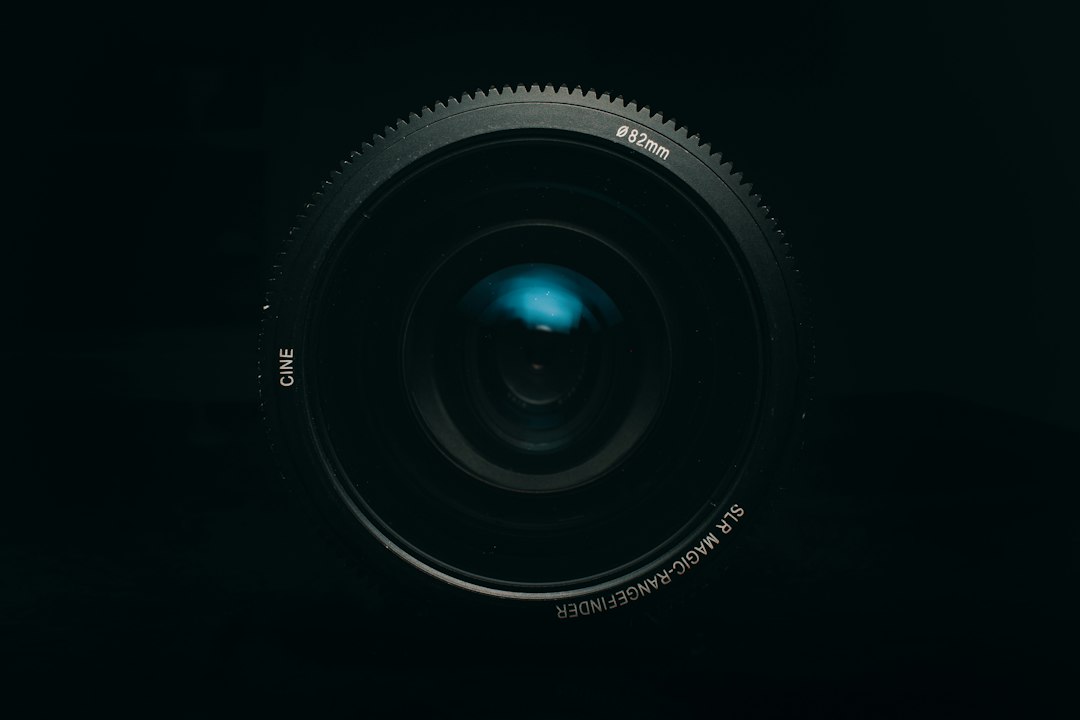
Photo by Marcos Paulo Prado on Unsplash
Why Films Add Fake Lens Flares in Post-Production
Lens flare—those bright streaks, hexagonal spots, and glowing halos that appear when a strong light source hits the camera lens—used to be something cinematographers fought to eliminate. Flags, mattebox shades, and careful blocking existed specifically to keep direct light from striking the glass. Yet modern films routinely add lens flares in post-production, long after the camera has been packed away. The artifact that was once a technical flaw has become a deliberate aesthetic choice.
The Physics Behind the Artifact
Lens flare occurs when non-image-forming light scatters inside the lens assembly. Light bounces between glass elements and internal surfaces, creating visible artifacts: bright streaks along the optical axis, polygonal shapes that mirror the aperture blades, and an overall haziness that reduces contrast. The effect intensifies with zoom lenses, which have more elements for light to ricochet through, and diminishes with prime lenses and modern multi-coating technology that suppresses internal reflections.
Traditionally, flare was considered a mistake. It lowered image quality, washed out detail, and signaled that the camera crew hadn’t properly controlled the frame. Rental houses kept lenses pristine precisely to minimize it.
How Flare Became a Feature
The shift began with handheld documentary aesthetics and evolved through digital filmmaking. As audiences grew accustomed to the raw, immediate feeling of uncontrolled light in reality television and documentary work, fictional narratives started borrowing the visual language. Flare became shorthand for authenticity, for being present in a bright, real environment rather than a controlled studio.
Science fiction accelerated the trend. Films set in space or high-tech environments used flare to evoke the intensity of artificial light and the optical complexity of futuristic imaging systems. The bright, clean streaks suggested advanced technology rather than documentary realism, but the principle was the same: flare made the image feel less polished, more visceral.
Adding Flare in Post
Most contemporary lens flare is applied digitally. Compositing artists use libraries of photographed or procedurally generated flare elements—cataloged by lens type, aperture setting, and light angle—and layer them over finished footage. The artist matches the position of practical light sources in the frame, adjusting opacity, color temperature, and bloom to integrate the effect naturally.
Software tools offer granular control: hexagonal bokeh patterns for anamorphic lenses, horizontal streaks for spherical glass, even specific emulations of vintage optics. This approach offers flexibility that practical flare cannot. If a flare obscures an actor’s face, it can be dialed back. If a scene needs more visual energy, intensity can be pushed without reshooting.
Why Filmmakers Choose It
Flare serves multiple functions. It reinforces the reality of bright light sources—sunlight, explosions, headlights—by showing the camera’s optical struggle to contain them. It adds dynamism to static compositions, creating movement and color as characters or the camera shift position relative to light. And it provides textural variety, breaking up clean digital images that might otherwise feel too sterile.
The choice also reflects audience expectations. Viewers raised on decades of flare-heavy cinematography now read its absence as unnaturally controlled. A sunset without flare can feel less like a real sunset and more like a set. The artifact has become part of the visual grammar of contemporary filmmaking.
The Risk of Overuse
Like any stylistic tool, lens flare can be overused. When it appears without a motivated light source, or when it dominates the frame instead of accenting it, the effect draws attention to itself rather than serving the story. The line between visceral and distracting is narrow, and digital tools make it easy to cross.
The best use of lens flare remains invisible in intent—not unnoticed, but justified. The audience registers the brightness of a light source, the intensity of a moment, without stopping to consider whether the flare was captured in-camera or added later. When it works, it feels like a natural consequence of the world on screen. When it doesn’t, it feels like an effect in search of a purpose.