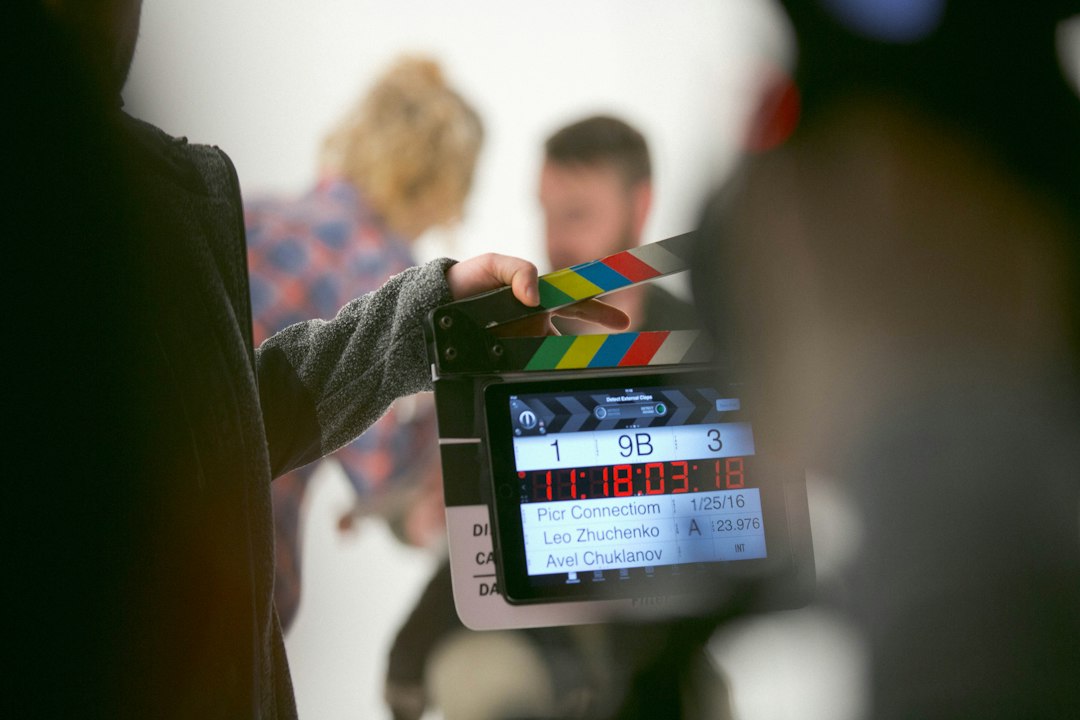
Photo by Avel Chuklanov on Unsplash
Why Movie Actors Pause Before Answering Questions
Watch any well-acted film scene and you’ll notice something subtle: characters don’t answer questions immediately. Someone asks “Where were you last night?” and there’s a beat—half a second, sometimes two—before the reply comes. That micro-pause feels completely natural on screen, but it’s a deliberate craft choice that separates film acting from almost every other performance medium.
The Naturalism Problem
Real conversations are messy. We hesitate, we process, we search for words. Stage actors, by contrast, are trained to keep dialogue moving—a theatrical scene that drags loses the back row, and a half-second pause in a 1,200-seat house reads as forgotten lines. But film is shot in close-up, often just a few feet from the lens, and the camera catches every micro-expression. An actor who snaps back with their line too quickly looks rehearsed, like they knew the question was coming. Because, of course, they did.
The pause creates the illusion of spontaneous thought. It lets the audience believe the character is formulating an answer in real time rather than reciting a script. Directors and editors often build entire emotional beats into these silences—doubt, fear, calculation, or relief can all register in the space before someone speaks.
Coverage and the Reactor Close-Up
This technique becomes even more important because of how scenes are shot. In a typical dialogue exchange, the camera captures each actor separately: a shot of the person asking the question, then a reverse shot of the person answering. During coverage, the actor delivering the response has full control over their timing, and a well-placed pause gives the editor room to cut away to the other character’s reaction. The question hangs in the air, we see the questioner’s face tighten or soften, and then we cut back to the reply.
If the answer came instantly, the editor would have no breathing room. The scene would feel rushed, mechanical. The pause is a gift to the edit.
Subtext Lives in the Gap
Pausing before a line also loads it with subtext. A character who answers immediately seems confident or unrehearsed; a character who hesitates might be lying, weighing their words, or struggling with emotion. The delay itself communicates information before a single word is spoken.
This is why screenplay formatting includes parenthetical beats and why directors often whisper “take your time” during takes. The gap between question and answer is where the audience reads intention, and skilled actors manipulate that gap like a musical rest. Too long and it becomes melodrama; too short and it becomes a table read.
Why Theater Actors Struggle with This
Actors trained primarily on stage often have to unlearn their instinct to keep pace. A theatrical rhythm prioritizes momentum and projection, while a film rhythm prioritizes thought and reaction. Early takes from stage veterans sometimes feel too crisp, too ready. It takes conscious adjustment to slow down, to let the silence do its work, to trust that the camera is close enough to catch a flicker of doubt before the mouth even opens.
The result, when done well, is dialogue that doesn’t sound like dialogue at all. It sounds like two people actually talking, thinking, and responding in the moment—even though every word, every pause, was mapped in advance.