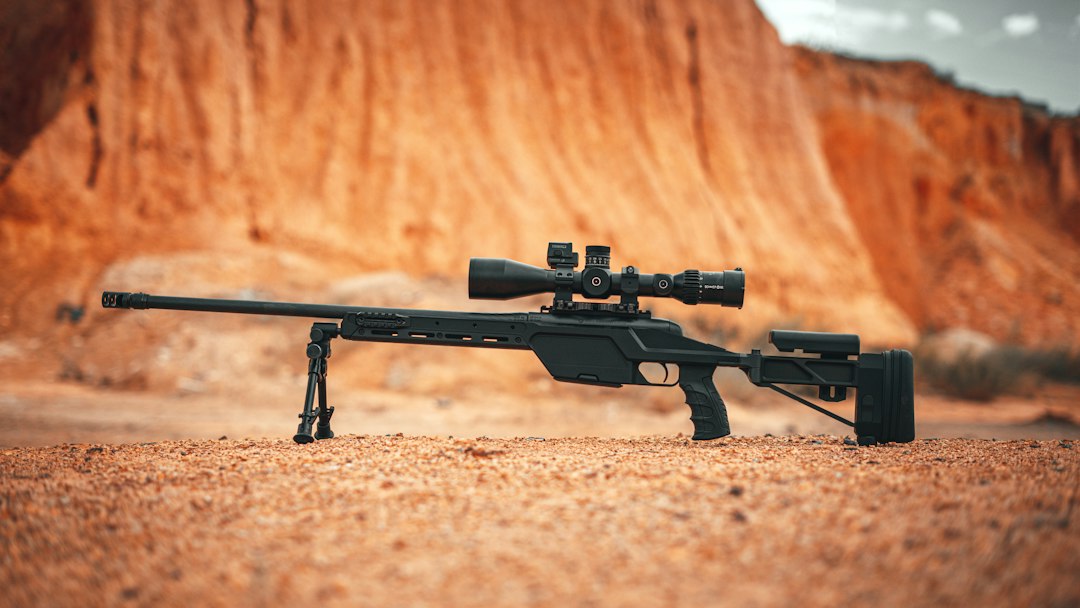
Photo by Maxim Potkin ❄ on Unsplash
Why Movie Snipers Always Rack the Bolt Before Shooting
In nearly every sniper scene, the shooter settles into position, lines up the target through the scope, and then—at the last possible moment—pulls back the bolt to chamber a round. The metallic click-clack punctuates the tension. The audience knows the shot is coming. But anyone familiar with firearms knows this makes no tactical sense whatsoever.
The Tactical Problem
A trained sniper chambers a round long before acquiring the target. Moving into position with an empty chamber exposes you to unnecessary risk. If the situation changes and you need to fire immediately, you’ve added a full second of mechanical action between decision and shot. The bolt movement itself creates sound and motion that can compromise concealment. In real operations, the weapon is ready the moment you’re in position, sometimes long before.
The dramatic version inverts this sequence entirely. The sniper finds the target, confirms the shot, and only then makes the weapon ready. It’s backwards, but it works because film grammar prioritizes a different kind of truth.
The Sound of Commitment
That bolt-racking sound is a narrative device. It tells the audience that we’ve crossed a threshold. The decision has been made. What was potential is now inevitable. The metallic snap is the audible manifestation of intent becoming action, and it focuses attention on the exact moment a character chooses to kill.
This is especially important in scenes where we’re meant to feel the weight of the decision. A character might hesitate, might lower the rifle, might argue with a spotter over the radio. The bolt stays back. The chamber stays empty. The act remains hypothetical. When they finally rack the bolt, the sound confirms they’ve committed. It’s a crystallization of will, compressed into a single gesture the audience can see and hear.
The Timing Problem
Film editing thrives on cause and effect that can be clearly marked in time. If the rifle is already chambered when the scene begins, the only moment left is the trigger pull—and that’s often invisible from the shooter’s perspective. The bolt gives the sequence an extra beat, a preparatory action that can be intercut with the target’s oblivious final moments or a teammate’s frantic attempt to call off the shot.
It also builds suspense through delay. The audience knows what’s coming, but the bolt-rack prolongs the moment, stretching tension across a few extra seconds. It’s a beat that says “now” without yet delivering the impact. The shot itself is often anticlimactic by comparison—a muffled crack, a cutaway to the result. The racking sound is where the drama lives.
The Iconography of Precision
Movie snipers are defined by control and deliberation. The bolt action itself is a mechanical ritual that reinforces those qualities. It’s slow, methodical, manual. The shooter has to break their sight picture to cycle the action, then resettle and reacquire. In a dramatic context, that deliberateness reads as professionalism, patience, lethality held on a leash.
Contrast this with automatic weapons, which are loud, fast, and indiscriminate in movies. The bolt-action rifle is surgical. Racking the bolt on-target, however unrealistic, underscores that surgical quality. It says: this is not spray-and-pray, this is a technician at work.
When Realism Meets the Cut
Some films do get it right. Military advisors push back. Directors aiming for authenticity will show the rifle ready from the start, or have the bolt racked off-camera during setup. But even in grounded procedural thrillers, the temptation to rack the bolt on-target remains strong, because the sound and motion carry so much storytelling weight.
The choice often comes down to what the scene is about. If it’s about tactical execution, realism wins. If it’s about a character’s internal struggle, about the moment they cross a line, the bolt gets racked late. Accuracy yields to clarity.
Film isn’t a documentary of real tactics. It’s a construction of moments that feel true to the emotional stakes, even when they’re false to procedure. The sniper’s bolt rack is one of those moments—a cheat so embedded in the language of film that it’s become part of how we understand what it means to take aim.