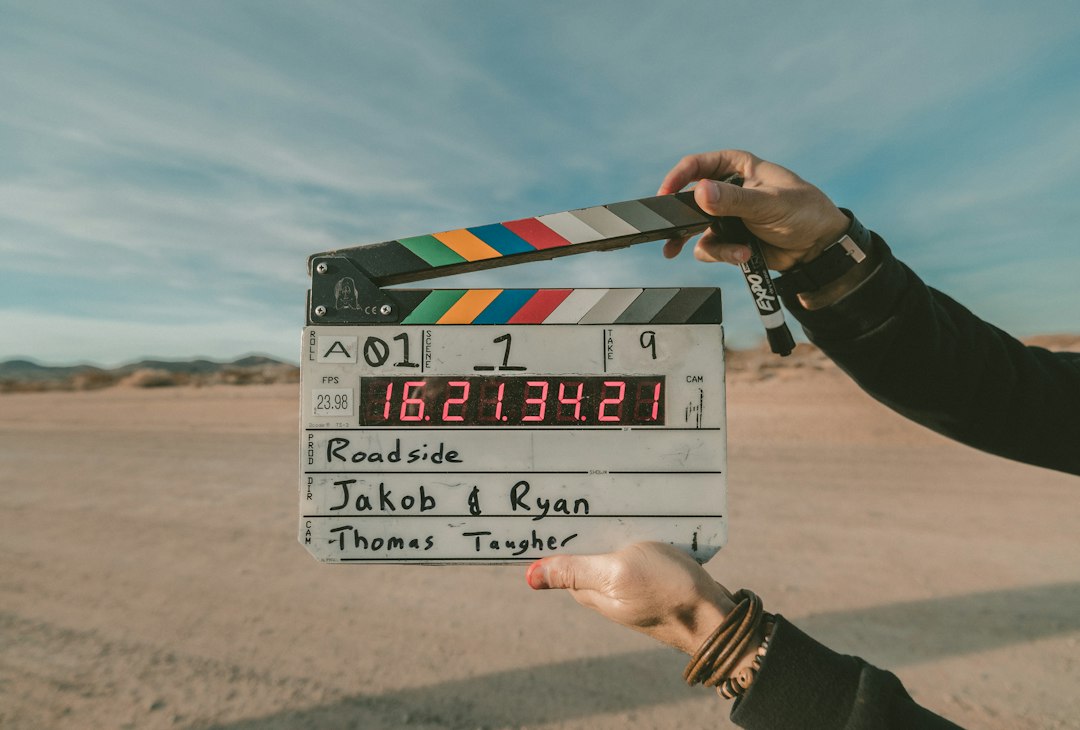
Photo by Jakob Owens on Unsplash
Why Practical Effects Are Making a Comeback in the CGI Era
CGI won the effects wars decisively enough that, for a long stretch, “practical effects” started to sound like a nostalgic footnote. That’s shifted. More big productions are deliberately building physical sets, creatures, and stunts again — not abandoning digital tools, but leaning on them differently.
What actually went wrong with CGI-first filmmaking
CGI’s flexibility became its own trap. When anything can be fixed or changed in post-production, there’s less pressure to get a shot right during filming — and audiences, whether they can articulate it or not, are extremely good at sensing when a scene has no physical weight behind it. Actors delivering performances against a green screen, with no real environment or creature to react to, often produce visibly flatter performances than the same actors reacting to something physically present on set.
The hybrid approach that’s replaced pure CGI
Very little of the current “practical effects comeback” is actually rejecting digital tools outright. The more common pattern: build a real, physical version of the creature, set, or prop for the actors to work with and the camera to light properly, then use CGI more narrowly — for cleanup, for extending a physical set beyond its real edges, or for shots that are genuinely impossible to achieve practically. The digital work sits on top of a physical foundation rather than replacing it.
Why this matters for how a film actually looks
Practical elements interact correctly with real light, shadow, and camera movement by default, because they’re physically present in the scene being filmed. Matching CGI to that same lighting is solvable, but it takes real artistry and time to get right — and it’s precisely the step that gets rushed under tight production schedules. A poorly lit or poorly matched digital effect stands out immediately; a well-executed practical effect, by contrast, simply looks like it’s supposed to be there, because it is.
What to watch for
Films that lean practical tend to advertise it — behind-the-scenes coverage of physical creature builds or full-scale set construction has become a marketing point precisely because audiences respond to it. It’s a useful signal: a production willing to invest in physical craft is usually also investing more care in the film’s overall texture.