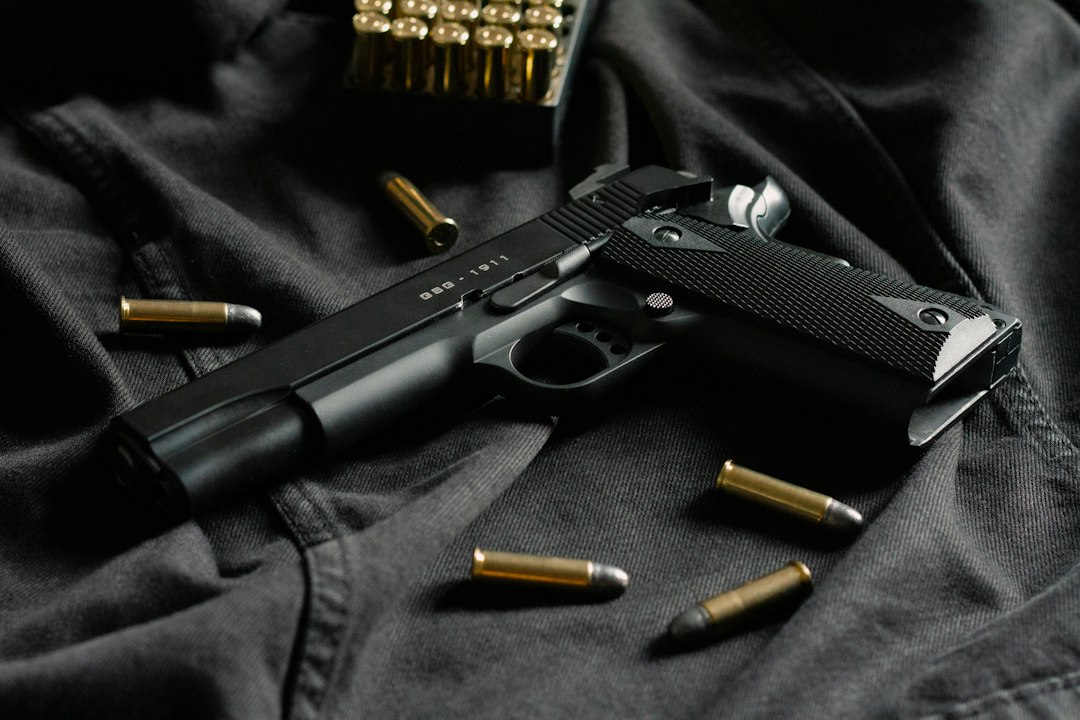
Why Movie Guns Have Infinite Magazines Until They Don't
Every action film viewer has noticed the pattern: the hero fires dozens of rounds from a handgun without reloading, then suddenly—right when the villain is closing in—clicks on an empty chamber. The gun that held limitless ammunition for three minutes of gunfight now needs a fresh magazine at the worst possible moment.
This isn’t continuity error. It’s narrative design.
The Bottomless Magazine Convention
Most action sequences treat ammunition as infinite by default. A character with a standard 15-round pistol can fire thirty or forty shots without changing magazines, and the audience doesn’t flinch. Directors know that stopping mid-shootout to reload breaks momentum, clutters the choreography, and distracts from the stunt work and composition that make the sequence exciting.
The tactical reload—dropping a half-empty mag to ensure a full one going into the next engagement—is almost never shown, even though trained shooters do it constantly. The simple reload between firefights, when there’s a quiet moment? Also rare. These moments are skipped because they serve no story purpose. Action is compressed. What we see is what matters.
When the Empty Chamber Becomes a Beat
But then the script needs tension. The hero is cornered, or the villain is advancing, or the character is one shot away from survival—and that’s when the gun runs dry. The slide locks back, or the hammer falls on nothing, or the character pulls the trigger and hears only a click. Suddenly ammunition is finite, counted, precious.
This moment is never random. It’s placed by the writer and choreographed by the director. It raises stakes, creates vulnerability, and forces the character into a disadvantage that generates suspense. The hero has to improvise: grab a new weapon, resort to hand-to-hand combat, or reload under fire while the villain closes distance. The audience, which accepted infinite ammo seconds ago, now leans forward because the empty gun feels urgent and real.
The Double Standard We Accept
The convention works because viewers understand that realism in action filmmaking is selective. We accept that cars explode on impact, that people fly backward when shot, that silencers make guns whisper-quiet—all physically inaccurate, all dramatically useful. Ammunition falls into the same category.
Films set their own rules. John Wick and Heat track round counts with near-obsessive precision, making every reload a tactical grace note. Their heroes reload constantly, often before the gun is empty, and the discipline becomes part of the texture—these are professionals, and we feel it in how they handle their weapons. Other films, like Die Hard or most superhero shootouts, use ammo as a narrative resource rather than a logistical one, deploying the empty mag only when it intensifies a moment.
Neither approach is wrong. They’re just solving different problems.
The Reload as Character Moment
When a film does show a reload, it’s often character work in disguise. The fumbled magazine swap shows panic. The smooth, no-look reload shows competence. The slow reload while pinned down becomes a ticking clock. A character throwing away an empty gun and drawing a backup shows preparation—or desperation.
The action genre has developed a visual vocabulary around the reload. We recognize the slide lock, the mag drop, the press check. These gestures carry weight because they’re used sparingly, inserted only when they add something the scene needs. The rest of the time, the gun simply fires until the story says it shouldn’t.
Why It Doesn’t Break Immersion
Audiences tolerate the inconsistency because action movies aren’t simulation—they’re compression. A real gunfight might involve long pauses, cover, suppression, communication, and constant reloads. A movie gunfight distills that into ninety seconds of movement, sound, and danger. The infinite magazine is a narrative courtesy, like the way characters never stumble over words unless it’s written that way, or how fights end cleanly instead of devolving into exhausted grappling.
We’re watching a curated version of violence, not a documentary. And when the gun finally runs dry, we accept it because the movie has taught us in that instant that now—just now—the ammo matters.