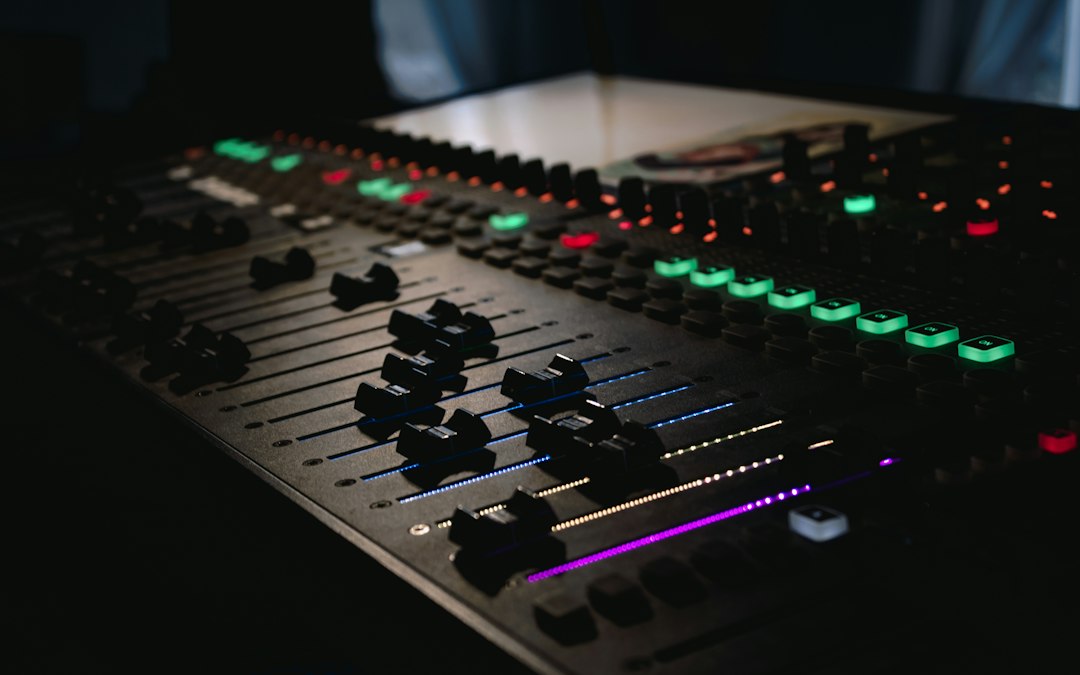
Photo by James Kovin on Unsplash
Why Movie Montages Use Popular Songs Instead of Score
Montages compress time, show transformation, and drive momentum. They also make a peculiar musical choice: they frequently abandon the film’s orchestral score in favor of a pre-existing pop, rock, or soul track. Training sequences, makeover scenes, and road trips lean on recorded songs with vocals and a steady beat. The original score returns once the montage ends.
This pattern is not random. It stems from how montages function and what popular music delivers that a composed score often cannot.
The Rhythm Problem
Montages are editing showcases. A character builds a business, falls in love, or masters a skill across a rapid series of cuts. The sequence might contain twenty or thirty shots in ninety seconds. Each cut needs to land on a rhythmic anchor or the whole thing feels chaotic.
Popular songs arrive with a built-in rhythmic grid. The backbeat, the kick drum, the guitar stabs—they provide reliable downbeats for editors to cut against. A verse-chorus structure offers natural crescendos. Editors can match action beats to drum hits, align emotional peaks to the bridge, and let the song’s architecture organize the sequence.
An orchestral score can certainly provide rhythm, but it is often less metronomic. Film composers write to picture, shaping phrases around dialogue and camera movement. The flexibility that makes score effective in dramatic scenes becomes a liability in montages, where the editor needs a steady pulse to cut dozens of disparate images into a cohesive whole.
Emotional Shorthand
A pop song carries associations before a single frame appears. Audiences bring memories, moods, and cultural context to a familiar track. A montage using an upbeat 1980s synth hit signals optimism and nostalgia simultaneously. A melancholy indie ballad tells you the character is struggling even before you see them fail.
This shorthand is efficient. Montages compress weeks or months into minutes, and the music has to convey emotional trajectories without dialogue or extended scenes. A composed score can absolutely carry emotion, but it takes time to establish meaning. A pop song borrows meaning that already exists in the culture.
The needle drop—dropping a pre-existing recording into a scene—also separates the montage from the rest of the film. The shift in musical language signals that time is compressing, that we are skipping over details, that the rules of storytelling have temporarily changed. When the score returns, the audience knows the film has resumed its normal pace.
Lyrics As Subtext
Many montage songs include lyrics, and filmmakers use them as a secondary dialogue track. The words do not need to be on-the-nose. A love montage might use a song about longing or connection, reinforcing the visuals without spelling them out. A training montage might use lyrics about persistence or transformation.
This creates a layered experience. The images show what is happening, the rhythm organizes the cuts, and the lyrics add commentary or emotional color. Orchestral score can carry emotion through melody and harmony, but it cannot speak directly about themes the way a well-chosen lyric can.
Practical Considerations
Licensing a popular song is expensive, but it can also be a marketing asset. A memorable montage might drive soundtrack sales or streaming plays. The song becomes part of the film’s identity, a hook that audiences remember and associate with the story.
Composers are typically contracted to score the entire film, but montages often exist in a gray zone. They are less about nuanced emotional shading and more about energy and forward motion. A director might choose to spend the music budget on a recognizable track rather than ask the composer to mimic the rhythmic clarity of a pop arrangement.
When Score Works Better
Not every montage uses a pop song. Some films maintain musical continuity by scoring montages with original music that adopts a rhythmic, propulsive style. Heist films and action sequences sometimes use driving orchestral or electronic score to keep the audience inside the film’s sonic world.
The choice depends on tone. A montage that wants to feel timeless or emotionally intimate might avoid a pop song to prevent dating the film or breaking the fourth wall. A montage that wants to feel fun, energetic, or culturally specific will often reach for a track with a backbeat and a hook.
The pattern persists because it works. Popular songs offer rhythm, emotion, and cultural resonance in a compressed package. They turn a technical editing challenge into an opportunity for style and connection.