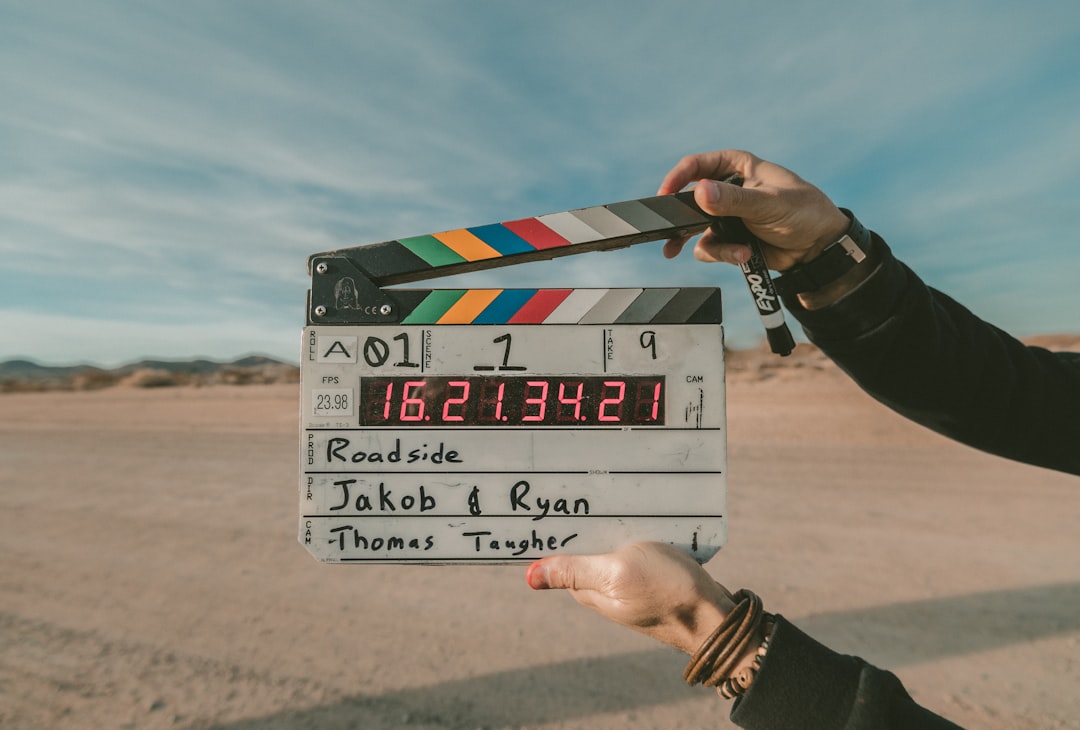
Photo by Jakob Owens on Unsplash
Why Film Sets Say "Rolling" Instead of "Recording"
Walk onto any film set today and you’ll hear the same call-and-response that’s echoed through production for nearly a century: “Roll sound.” “Sound speed.” “Roll camera.” “Rolling.” The phrase persists even though most productions haven’t loaded actual film stock in years. Digital sensors replaced celluloid, but the language stayed frozen in place.
The Physical Origin
The term comes directly from the mechanics of film cameras. When you shot on film, the camera literally rolled the stock from one reel to another, pulling it past the lens at 24 frames per second. The film magazine had to spin up to speed before the slate could clap, or the first few frames would be unusable. “Rolling” described something physical and visible: film moving through the gate, sound tape spinning on Nagra reels.
The assistant director would call for sound first because audio took slightly longer to stabilize. Once the sound recordist confirmed “speed,” meaning the tape was at constant velocity, the camera could begin. The whole sequence built from that mechanical reality.
Why Digital Sets Keep the Term
Digital cameras have no film to roll and no speed to reach. The sensor captures the moment you press record. Yet every digital production still says “rolling” rather than “recording.” The reason isn’t nostalgia—it’s protocol clarity.
Film sets are loud, crowded environments where dozens of people need to coordinate without confusion. “Rolling” is a short, distinct word that cuts through ambient noise better than “recording.” It signals a binary state: either the camera is rolling or it isn’t. There’s no room for ambiguity.
The call also synchronizes the crew. When you hear “rolling,” everyone knows to lock into performance mode simultaneously. Background actors freeze their conversation. The gaffer stops adjusting the light. The script supervisor begins timing. The phrase acts as a trigger for collective silence and focus.
The Full Call-and-Response Sequence
Modern sets still follow the same hierarchy of calls, even when shooting digitally:
“Roll sound” — the first AD initiates the sequence
“Sound speed” or “Speed” — the sound mixer confirms recording
“Roll camera” — the AD cues the camera operator
“Rolling” or “Speed” — the camera operator confirms
“Mark it” — the AD signals for the slate
Only after the clapper closes does the director call “action.” The rhythm creates a clear checkpoint system where each department confirms readiness before the performance begins.
Practical Over Literal
Some digital-native productions have experimented with saying “recording” instead, but the change rarely sticks. The existing terminology works because it’s established, unambiguous, and efficient. Changing it introduces risk without benefit.
Film language is full of these fossils—terms that outlive the technology that birthed them. We still “dial” phone numbers and “rewind” digital video. Sets still call for “checks” even when shooting on SSDs instead of film stock that needed to be examined in the gate.
“Rolling” persists because film production values clear communication under pressure over literal accuracy. The word does its job: it tells everyone on set that capture has begun, and it does so in two syllables that no one will mishear.