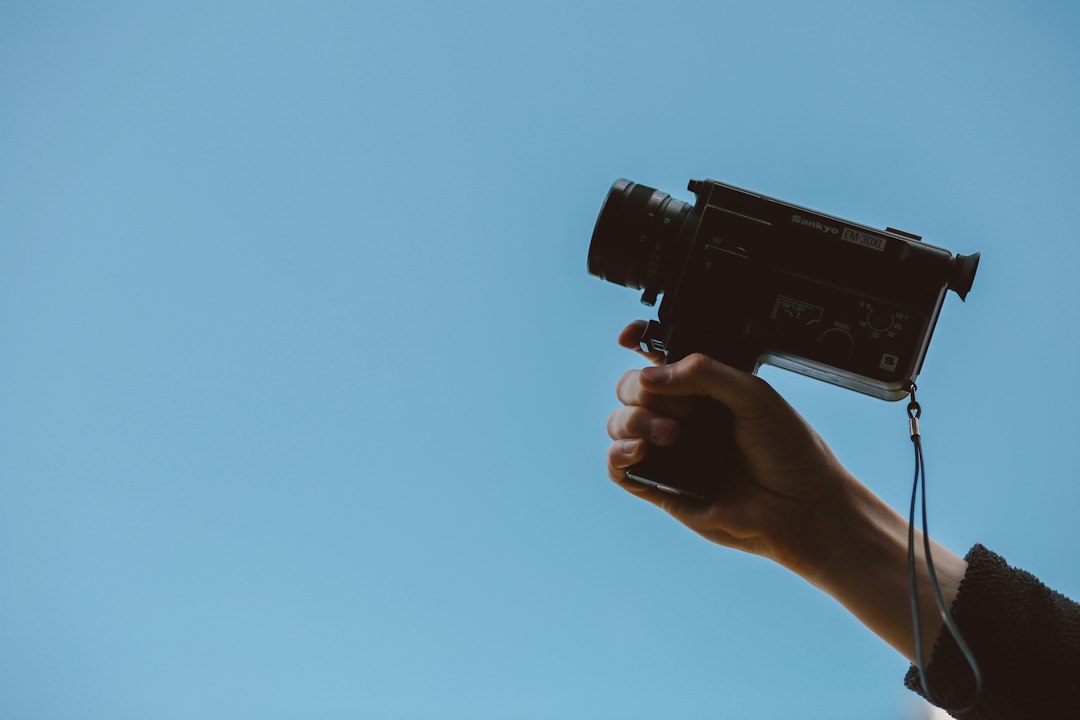
Photo by Thomas William on Unsplash
Why Movie Detectives Always Use Film Cameras
Watch any contemporary detective thriller and you’ll notice something odd: while the rest of the world moved to smartphones and digital cameras years ago, the investigator pinning photos to a cork board is still loading 35mm film. It’s not just period pieces. Modern-set crime dramas consistently hand their detectives analog cameras, and the choice is more deliberate than it first appears.
Physical Evidence Creates Physical Drama
Film cameras force a tangible relationship with evidence. The detective must load film, advance frames, wait for development, and handle physical prints. Each step creates opportunities for storytelling beats that digital capture eliminates. The darkroom scene where red safelight gradually reveals a crucial detail works because film development is a chemical process with inherent suspense—you can’t know what you captured until the image appears in the tray.
Digital photos exist as data. Film photos exist as objects. They can be pinned to walls, spread across tables, held up to light, burned, hidden in jacket pockets, or discovered in drawers. They have materiality that the camera can photograph, that actors can handle, that production designers can arrange into compelling compositions. A detective scrolling through an iPhone camera roll offers none of this visual richness.
Analog Tools Signal Method and Character
The detective who shoots film communicates something about their approach. They’re methodical, patient, old-school. They trust physical processes over cloud storage. They work with their hands. The camera becomes a character detail the same way a particular hat or car does—it’s visual shorthand for a certain kind of investigative personality.
This works even in stories set firmly in the present. The film camera marks the detective as someone operating slightly outside contemporary norms, which is often exactly what the role requires. They see what others miss because they look differently, and the camera they carry reinforces that difference.
The Darkroom as Sanctuary
Film processing requires dedicated space and time, which gives writers a natural location for key scenes. The darkroom becomes the detective’s private workspace, separate from precinct politics and outside interference. It’s where they think, where pieces fall into place, where the truth literally develops before their eyes.
The darkroom also offers a built-in visual grammar. Red light suggests danger, obsession, the boundary between known and unknown. The moment of revelation when an image appears in developer has been used so effectively for so long that audiences read it instantly. Digital photography has no equivalent space—there’s no photographic ritual that carries the same narrative weight.
Authenticity Through Limitation
Film cameras have constraints that create texture. Limited exposures per roll mean the detective must be selective, must think before shooting. Flash units recycle slowly. Film stocks have distinct color palettes and grain structures. These limitations make the photography feel considered rather than casual, which aligns with the investigative mindset the story wants to portray.
Modern digital cameras can shoot thousands of frames and sort them later. That abundance works against the detective story’s need for precision and interpretation. The film camera’s restrictions mirror the detective’s own process: working with incomplete information, making choices about what matters, waiting to see if the evidence supports the theory.
The Image That Shouldn’t Exist
Film photography creates a particular kind of plot device: the photograph that was taken but forgotten, that sat undeveloped for days or years, that contains information the photographer didn’t know they’d captured. This works because film exists in a liminal state between exposure and development. The image is there, fixed in the emulsion, but unseen and unknown.
Digital photography collapses this gap. The image appears on the screen immediately. There’s no mystery negative, no forgotten roll discovered in a drawer. The delayed revelation that film allows—the detective finding a crucial photo only after developing film from a crime scene weeks earlier—becomes much harder to justify once everyone can review their shots instantly.
When Digital Actually Appears
Notably, when movies do show detectives using digital cameras, it’s usually to make a point about surveillance, mass data collection, or technological overwhelm. The detective drowning in security footage or sorting through thousands of digital files is experiencing a different kind of story than the one methodically examining a contact sheet with a loupe. The tool shapes the narrative.
Film cameras persist in detective stories because they support the kind of investigating that makes for compelling cinema: physical, deliberate, visual, and rooted in process. They’re not just period flavor or stubborn nostalgia. They’re narrative tools that create space for the kind of revelation and methodology that defines the genre. As long as detective stories need evidence you can pin to a wall and answers that develop slowly in darkness, film cameras will keep appearing in their hands.