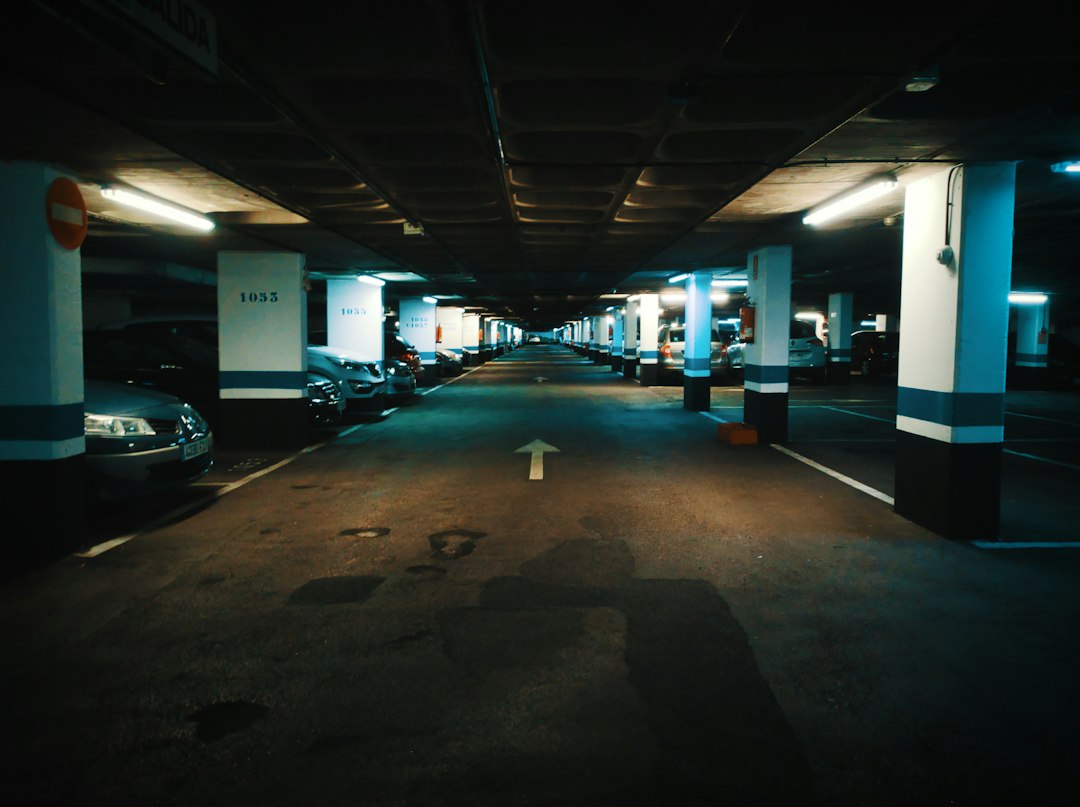
Photo by Luismi Sánchez on Unsplash
Why Movie Guns Sound Louder Indoors Than Outdoors
Fire a gun in a parking garage in a movie and the sound punches you in the chest. Fire the same gun outdoors in an open field and it’s a flat, almost disappointing crack. The difference isn’t just volume—it’s the acoustic space around the shot, and sound designers use that contrast to shape how dangerous a scene feels.
Real Acoustics, Amplified
When a gunshot happens indoors, the sound waves have nowhere to go. They bounce off walls, ceilings, floors, and every hard surface in the room. Each reflection arrives at your ear milliseconds apart, creating a dense, overlapping wash of sound. In real life, this makes indoor gunfire startlingly loud and disorienting. In movies, sound designers take that natural phenomenon and exaggerate it—layering reflections, adding sub-bass impact, and extending the reverb tail so the shot feels trapped in the space.
Outdoors, there’s nothing to reflect the sound. The blast expands outward and dissipates. Real outdoor gunshots often sound sharper and thinner than people expect, almost anticlimactic. For film, sound teams might keep that dryness to convey openness or isolation, but they’ll still sweeten it with low-end punch and a sense of scale that raw field recordings don’t always deliver.
Layering the Gunshot
A gunshot in a movie is never just one sound. It’s a composite: the initial blast, the mechanical clack of the slide or hammer, the brass casing hitting the ground, and the reverb of the space. Indoor scenes give sound designers room to stack reflections, add metallic ringing, and let the reverb bloom. The brain interprets that complexity as loudness and danger, even if the peak volume isn’t higher than an outdoor shot.
Outdoor gunshots are simpler by design. Without reflections, the sound designer focuses on the crack of the muzzle blast and the sense of distance. If the shot is far away, they’ll roll off the low end and add a slight delay. If it’s close, they’ll keep it dry and immediate. The lack of reverb makes the shot feel exposed, which is often the point—there’s no cover, no enclosure, just open space.
Room Tone and Context
Every interior space has a sonic signature. A concrete stairwell rings like a bell. A carpeted hallway dampens the blast. A warehouse has a long, diffuse reverb that makes every shot feel like it’s echoing forever. Sound designers study the set and either record impulse responses on location or simulate the room’s acoustics in post. The reverb isn’t just decoration—it tells you where you are.
Outdoor environments lack that fingerprint. A gunshot in the desert sounds different from one in a forest, but the variations are subtle—more about texture than structure. The absence of reflections means the sound designer has less to work with, so they lean on the raw character of the shot itself and the way it sits in the mix.
Emotional Weight
The acoustic difference between indoor and outdoor gunfire isn’t just technical—it’s narrative. Indoor shots feel claustrophobic, immediate, and chaotic. The sound has nowhere to go, and neither do you. Outdoor shots feel stark, exposed, and final. The sound disappears into the air, leaving silence behind.
Sound designers use that emotional contrast to control pacing. A shootout in a hallway is meant to feel frantic and overwhelming, so the reverb piles up until it’s almost painful. A sniper shot across an open field is meant to feel cold and surgical, so the sound is clean and doesn’t linger. The space isn’t just where the action happens—it’s part of how the action feels.
Why It Matters
Understanding how acoustic space shapes gunshot sounds reveals how much film audio is about context, not realism. Real guns are loud everywhere, but movies make them louder indoors because that’s where the reflections are. The next time you watch a shootout move from a building into the street, listen for the shift. The sound opens up, the reverb drops away, and suddenly the same weapon feels different. That’s not an accident—it’s architecture turned into emotion, one reflection at a time.