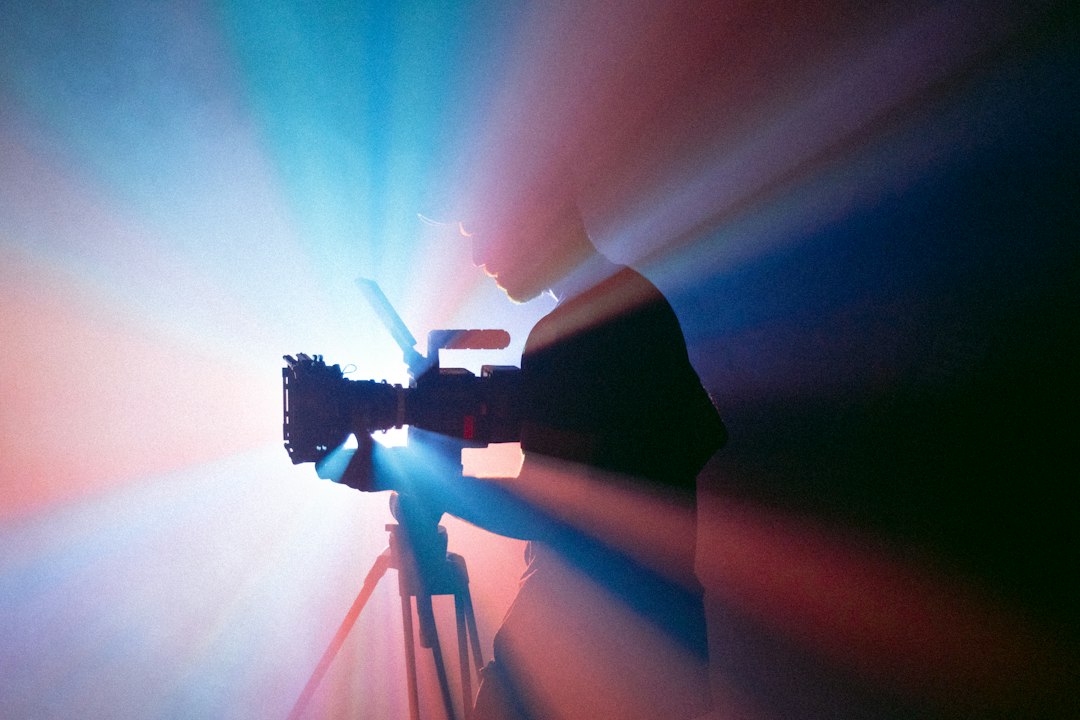
Photo by Jakob Owens on Unsplash
The Oner: Why Filmmakers Build Entire Scenes in a Single Shot
A character sprints through a war zone, the camera tracking every stumble and breath. A dinner party devolves into chaos without a single edit to release the tension. A heist unfolds in real time as the audience holds its breath. These are oners—extended sequences captured in a single, unbroken shot—and they represent one of cinema’s most technically demanding and viscerally effective techniques.
What Defines a Oner
The term “oner” comes from old Hollywood slang for a scene completed in one take. In modern usage, it refers to any sequence designed to appear as continuous action without visible cuts, whether achieved through meticulous choreography, hidden edits, or digital stitching. The key is the viewer’s experience of uninterrupted time and space.
A oner differs from a simple long take in its narrative ambition. Where a static long take might hold on a conversation or a performance, a oner typically involves complex blocking, camera movement, and timed action. It’s not just about duration—it’s about packing a sequence with story beats while maintaining spatial and temporal continuity.
Why Directors Choose the Oner
The technique serves multiple purposes. First, it creates immersion. Without cuts to reorient the viewer or manipulate time, audiences experience events as the characters do. There’s no escape hatch, no chance to breathe between shots. This makes oners especially effective for action, horror, and suspense, where sustained tension matters more than stylistic variation.
Second, a oner showcases craft. The coordination required—actors hitting marks, focus pullers nailing every shift, lighting teams rigging practicals or tracking alongside the camera—is staggering. When executed well, a oner becomes a calling card, a moment that announces the filmmakers’ control over their medium.
Third, it forces spatial clarity. Because the camera moves through the environment in real time, viewers build a mental map of the space. This geographic coherence can ground fantastical or chaotic scenes, making the world feel tangible and the stakes comprehensible.
The Technical Challenge
Pulling off a oner requires obsessive planning. Actors rehearse for days or weeks to synchronize their movements. Camera operators and Steadicam rigs (or drones, cranes, and car mounts) trace precise paths. Every department—props, wardrobe, sound, visual effects—must anticipate what the camera will see at every moment.
Hidden cuts offer some relief. A whip pan across a dark surface, a momentary obstruction by a foreground object, or a carefully matched digital stitch can break a six-minute sequence into more manageable chunks. These invisible edits preserve the appearance of continuity while giving the crew breathing room.
Digital tools have expanded what’s possible. Stitching software can blend takes shot hours apart into a seamless whole. Motion control rigs allow repeatable camera moves that can be layered in post. Virtual production techniques enable environments to shift around actors in a single take. The line between “real” and “assembled” oners has blurred, but the effect on audiences remains the same.
When to Use—and When to Cut
A oner isn’t always the right choice. Editing gives filmmakers control over pacing, emphasis, and emotional rhythm. A montage can compress a week into seconds; a oner locks you into real time. Close-ups and inserts direct attention; a oner asks viewers to scan the frame themselves.
The technique works best when the story benefits from sustained perspective or when the choreography itself carries meaning. A character navigating a labyrinthine building, a tense negotiation where every glance matters, a battle where geography determines survival—these are natural homes for the oner.
Used carelessly, it becomes a gimmick. If the action doesn’t justify the technique, audiences notice the flex rather than the story. The best oners feel inevitable, as if no other approach could convey the scene’s urgency or intimacy. When that alignment happens, the single unbroken shot stops being a trick and becomes the only way to tell that particular moment.