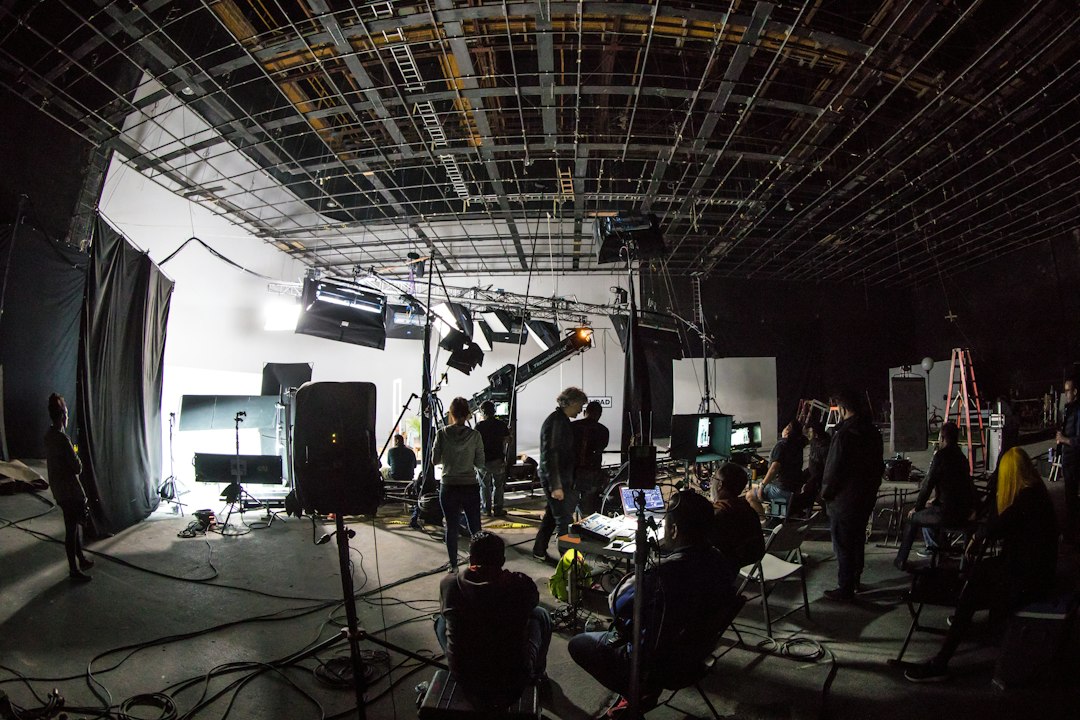
Photo by Brands&People on Unsplash
Why Film Actors Rehearse Less Than Stage Actors
Walk onto a theater production and you’ll find weeks of table reads, blocking rehearsals, and full run-throughs before opening night. Walk onto a film set and you might find actors meeting their scene partners for the first time minutes before the director calls action. This isn’t laziness or poor planning. It’s a deliberate creative choice that separates screen acting from its stage origins.
The Capture-vs-Repeat Problem
Theater demands rehearsal because actors must deliver the same performance eight times a week without a safety net. Every line, gesture, and timing cue needs to be locked in muscle memory. Film works in reverse: the camera captures a moment once, then moves on. Directors can shoot a scene fifteen different ways, adjusting performance between takes. The goal isn’t consistency—it’s finding one perfect iteration.
This fundamental difference changes what rehearsal accomplishes. In theater, rehearsal builds reliability. In film, too much rehearsal can drain spontaneity. Directors like Sydney Pollack and Mike Leigh have spoken about the risk of actors “going stale” when they’ve run a scene too many times before cameras roll. The freshness of discovery, the slight unpredictability in how a line lands or how two actors connect, often produces more naturalistic results than polished repetition.
Coverage Carves Up Continuity
Film shoots don’t capture scenes as continuous wholes. A five-minute conversation might take eight hours to shoot: wide shot, over-the-shoulders, close-ups, inserts. Actors perform fragments, sometimes just one side of a conversation at a time, often out of sequence.
Extensive rehearsal becomes less useful when you’re shooting reaction shots in isolation or delivering dialogue to an off-camera script supervisor instead of your scene partner. What matters more is the actor’s ability to access the emotional moment quickly, match their previous take’s energy, and adjust on the fly when the director requests a different reading. These are skills honed through repetition during shooting, not beforehand.
The Economics of Film Time
Theater rehearsals happen in empty rooms with minimal crew. Film shoots run with dozens of people on the clock—camera operators, grips, hair and makeup, lighting technicians. Every hour of rehearsal with the full cast present is an hour not shooting, and shooting is what the budget pays for.
Many productions compromise with a brief rehearsal period before principal photography begins, or rehearse only key scenes. Some directors skip even this. Clint Eastwood is famous for his minimal-rehearsal approach, often printing the first or second take. His philosophy: hire great actors, trust their preparation, and capture their instincts before overthinking sets in.
When Film Does Rehearse
Not every production follows the low-rehearsal model. Ensemble pieces with intricate choreography or overlapping dialogue—think Robert Altman’s films—benefit from rehearsal to build rhythm. Period dramas might rehearse to help actors inhabit unfamiliar speech patterns. Stunt-heavy sequences require extensive rehearsal for safety.
Certain directors build rehearsal into their process as a creative tool. Mike Leigh famously rehearses for months, improvising and developing characters with actors before the script is even finalized. But this approach is the exception, enabled by specific funding models and directorial vision.
The Invisible Preparation
What looks like lack of rehearsal is often displaced preparation. Film actors arrive on set having already analyzed their character, memorized lines, and made choices. They’ve done their homework privately. The first take on set isn’t their first time thinking through the scene—it’s their first time performing it in that specific environment with those collaborators.
This solo preparation mirrors how film itself works: intimate, internally focused, built for the camera’s scrutiny rather than the back row’s sightline. Theater actors project outward to fill a house. Film actors draw you inward to a face on a screen. The difference starts long before anyone yells action.