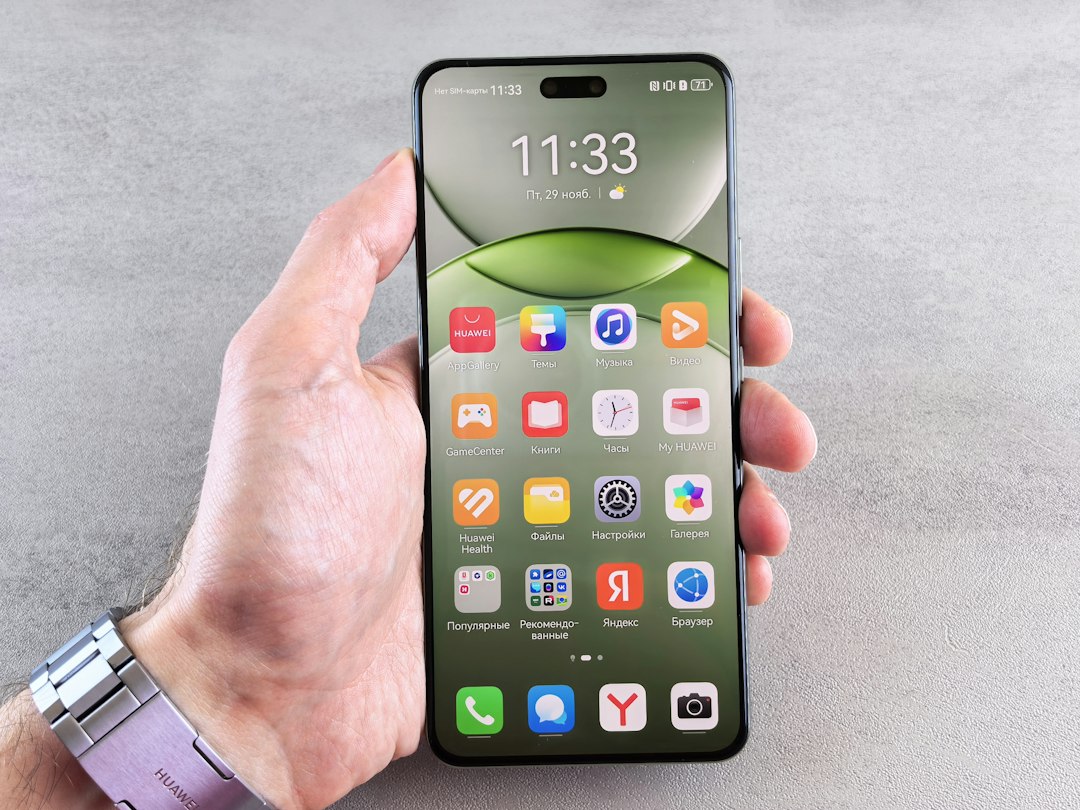
Photo by Andrey Matveev on Unsplash
Why Movie Phones Always Display Fake Time
When a character glances at their phone in a film, the clock might read 3:47 PM or 10:22 AM, but that time is almost never accurate to the moment being portrayed—and it’s rarely an accident. Film crews meticulously control what time displays on every phone screen, for reasons that have everything to do with the mechanics of shooting out of order and the fragile logic of screen continuity.
The Coverage Problem
A single conversation might be shot over four hours, from six different angles. The establishing wide shot captures both characters at 9 AM. The close-up on Actor A is shot at 10:30 AM. Actor B’s coverage doesn’t happen until after lunch, at 1 PM. If phones displayed real time, every angle would show a different hour, creating a continuity disaster the moment those shots are intercut. Even a vigilant script supervisor can’t prevent the problem if the phones are live and updating in real time.
The simplest solution is to freeze time. Props departments set phone displays to a specific time before the scene begins, often using demo mode or a static image. That locked time stays consistent across every setup, every angle, every take. It doesn’t matter if the scene takes all day to shoot—on screen, it unfolds in a single continuous moment.
Narrative Time vs. Production Time
Films are almost never shot in chronological order. A climactic midnight phone call might be filmed at 2 PM on a Tuesday, weeks before the morning breakfast scene that comes earlier in the story. If phones displayed the real-world time during production, the audience would see a character receive an urgent late-night message at 2:17 PM in broad daylight, then check the time over breakfast and see 9:03 AM—shot a month later under entirely different conditions.
By controlling phone time in post-production or on set, filmmakers preserve the internal logic of the story. The clock becomes a narrative device, not a documentary record. If the script says it’s night, the phone says it’s night, regardless of when the scene was actually captured.
The 9:41 Standard
Apple products in films and TV almost always display 9:41 AM, the time Steve Jobs unveiled the original iPhone in 2007. Apple’s own marketing materials use this time, and it’s become an unspoken standard in product placement and prop work. It’s late enough in the morning to feel neutral and non-specific, early enough to avoid conflicting with most scene contexts. Other manufacturers have followed suit with their own signature times—Samsung often uses 10:08—to create brand consistency across their on-screen appearances.
This standardization gives productions a ready-made solution. If a scene doesn’t specify what time it is, 9:41 works in almost any context: morning meetings, midday errands, early risers. It’s specific enough to look real, vague enough not to create problems.
When Time Matters to the Plot
Occasionally, the time on a phone is load-bearing to the story. A character racing against a deadline. A timestamp that reveals a lie. A countdown to an event. In these cases, the time is treated like any other key prop—carefully art-directed, locked down across takes, and sometimes digitally inserted in post to guarantee it matches the logic of the edit.
But even here, the time is still fake in the sense that it reflects the story’s internal clock, not the production’s schedule. The phone might say 11:47 PM, but the scene was shot at 3 PM on a green-screen stage. The clock serves the narrative, not the reality of the shoot.
The Invisible Continuity Discipline
Controlling phone time is part of a larger discipline of screen continuity—the same reason prop beverages stay at the same level across takes, the same reason costumes are photographed obsessively between setups. Every detail that could break the illusion of continuous time must be locked down and reproduced exactly. Phone screens are just one more variable in that system, but because they update automatically and display information the audience instinctively reads, they demand particular vigilance.
The time on a movie phone is as controlled as the lighting, as deliberate as the framing. It’s invisible when it works, but the moment it’s wrong, the seam shows, and the illusion collapses. So the clock stays frozen, locked to a moment that never happened, in service of a story that feels like it did.