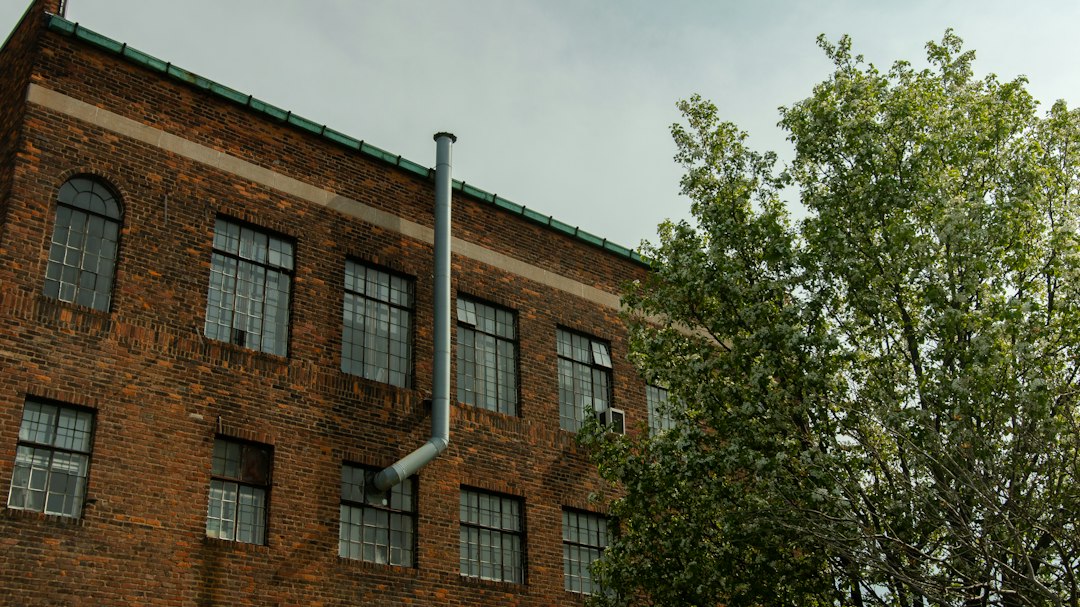
Photo by Damien Perez on Unsplash
Why Movie Apartments Have Exposed Brick Walls
Walk into almost any movie apartment set in a major city and you’ll spot the same detail: exposed brick walls running floor to ceiling, usually painted white or left raw terra cotta. It’s become visual shorthand for urban living, appearing in everything from romantic comedies to crime dramas. But this ubiquitous design choice exists less because real apartments look this way and more because brick solves a handful of practical production problems.
The Camera Loves Texture
Flat, painted drywall reads as dead space on camera. It reflects light evenly, offers no visual interest, and can make a set feel like a television studio rather than a lived-in space. Exposed brick, by contrast, gives the cinematographer something to work with. The texture catches light and shadow in irregular patterns, adding depth to every frame without requiring additional set dressing. A single practical lamp aimed at a brick wall creates instant atmosphere. The uneven surface breaks up the frame and keeps wide shots from feeling empty or lifeless.
This textural advantage becomes critical during coverage. When a scene requires multiple camera angles and setups, brick provides consistent visual interest from every direction. A plain wall might look fine in a master shot but feel barren in a tight over-the-shoulder. Brick holds up across focal lengths and compositions, giving the production designer one less variable to manage.
Soundproofing and Practical Construction
Film sets built on soundstages need structural integrity. Flimsy walls shake when doors close or actors move quickly, and that instability shows up on camera as wobbling frames or rippling shadows. Brick or brick-textured panels mounted on solid frameworks stay rigid. They also dampen sound better than thin set walls, reducing unwanted reverb and keeping dialogue clean.
Many productions shoot in real urban lofts or converted industrial buildings because renting these spaces often costs less than building a detailed apartment set from scratch. These locations come with genuine exposed brick as a structural feature, not a design flourish. Once audiences became accustomed to seeing brick in films shot in real warehouses and factory conversions, the aesthetic calcified into a genre expectation. Now even purpose-built sets imitate the look to maintain visual continuity with location work.
Signaling Character Without Dialogue
Exposed brick carries cultural baggage. It suggests a character who values authenticity over polish, who lives in a gentrified neighborhood or an artist’s enclave, who prioritizes location and style over square footage. It’s a faster way to communicate “this person is urban, creative, and probably paying too much in rent” than a page of expository dialogue.
This makes brick a convenient narrative shortcut. A screenwriter doesn’t need to establish where a character lives or what their taste level is if the production designer can encode that information into the walls. The brick does double duty: it satisfies the cinematographer’s need for texture and the storyteller’s need for economical characterization.
Why Not Other Materials?
Wood paneling, wallpaper, and tile all offer texture, but they come with associations that limit their flexibility. Wood skews rustic or dated. Wallpaper feels domestic or old-fashioned. Tile reads as bathroom or kitchen. Brick, especially painted white or left natural, remains visually neutral enough to work across genres and tones while still providing the texture and structure production needs.
The convention is so entrenched now that its absence can feel like a deliberate choice. A movie apartment with smooth, blank walls signals sterility, wealth, or emotional detachment. Brick has become the baseline, the expected texture of cinematic urban life. It’s not realism—most city apartments have drywall—but it’s become the film language for “real.”