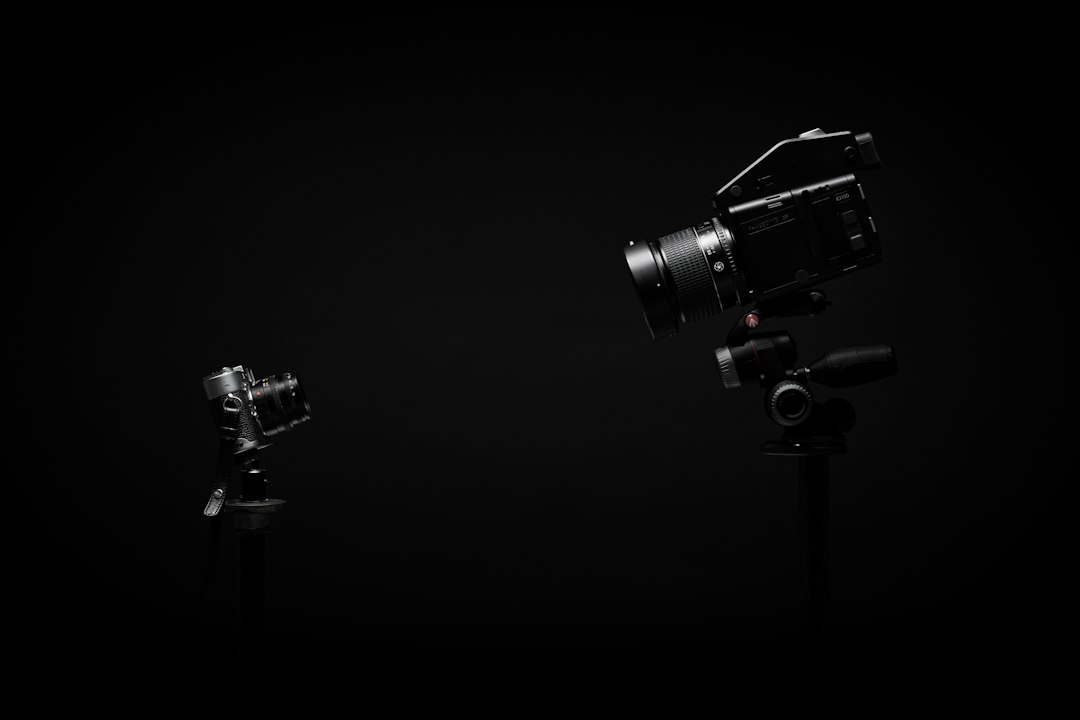
Photo by Florian Klauer on Unsplash
Whip Pan: The High-Energy Transition That Keeps You Moving
A whip pan—sometimes called a swish pan—is a camera movement so fast it blurs the frame into streaks of color and motion. The camera pivots rapidly from one subject to another, creating a brief moment of visual chaos before resolving on the new shot. It’s a transition that feels immediate, energetic, and sometimes disorienting in exactly the right way.
How It Works
The technique is simple in execution: the camera operator physically swivels the camera on its axis at high speed, creating motion blur as the frame sweeps across space. In editing, filmmakers often cut during the blur itself, hiding the edit inside the streak of motion. This allows two separate shots—sometimes filmed at different times or locations—to feel connected by a single, continuous movement.
The blur is the key. It breaks the visual information down to pure motion, erasing detail for a fraction of a second. When the next shot resolves, the audience accepts it as part of the same gesture, even if the content has completely changed.
Why Filmmakers Use It
Whip pans inject pace into a sequence. They compress transitions, eliminating dead time between shots and propelling the viewer forward. In action scenes, chase sequences, or moments of sudden realization, the whip pan mirrors the speed of the story itself.
They also create surprise. Because the blur conceals what’s coming, the audience doesn’t know what they’ll see until the frame clears. This makes whip pans useful for reveals, sudden shifts in tone, or comedic beats where timing matters.
The technique also signals subjective experience. A whip pan can represent a character’s darting gaze, a head turning in alarm, or the disorientation of panic. It’s a way to put the audience inside a character’s physicality rather than observing from a detached distance.
When It Shows Up
You’ll see whip pans in films that embrace kinetic energy over classical smoothness. Edgar Wright uses them extensively, creating propulsive montages where every movement feels choreographed and intentional. Wes Anderson occasionally employs them for rapid scene changes that feel playful rather than jarring. Sam Raimi’s early horror work used whip pans to amplify the chaotic, handheld feel of Evil Dead’s camerawork.
In television, whip pans have become a shorthand for urgency and modernity, especially in shows that embrace fast-paced editing and compressed storytelling. Reality TV and documentary-style formats use them to maintain momentum when cutting between interview subjects or locations.
The Risk of Overuse
Like any stylistic flourish, whip pans lose impact when overused. A film full of them can feel relentless or gimmicky, exhausting the audience rather than energizing them. The technique works best when it serves a specific purpose—heightening a moment, shifting perspective, or propelling a sequence that genuinely demands speed.
It’s also a departure from invisible editing. Most narrative filmmaking tries to make cuts feel seamless and unnoticed. A whip pan is the opposite: it announces itself, calls attention to the transition, and asks the audience to feel the edit. That boldness is its strength, but it comes with a responsibility to earn the flourish.
A Tool for Momentum
The whip pan isn’t subtle, and it doesn’t pretend to be. It’s a tool for filmmakers who want movement, energy, and immediacy—who want the transition itself to carry emotional weight. Used with purpose, it turns a simple cut into a visceral experience.