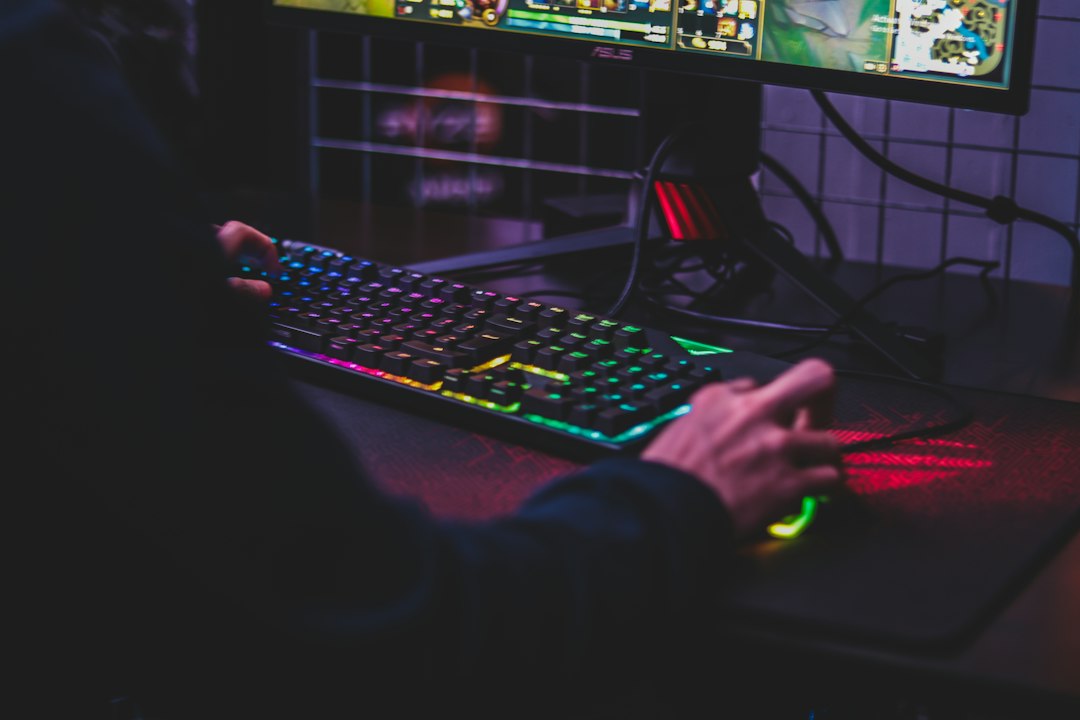
Why Movie Hackers Type So Fast
Watch any thriller involving a computer break-in and you’ll notice the same pattern: fingers flying across the keyboard at superhuman speed, lines of green text cascading down black screens, and impossible feats accomplished in seconds. Real hacking involves long stretches of research, trial and error, and waiting for scripts to run. So why does cinema insist on turning it into a high-speed typing competition?
The Problem of Showing Invisible Work
Hacking is fundamentally undramatic to watch. The actual process involves reading documentation, testing vulnerabilities, writing scripts, and staring at screens while processes execute. A character might spend hours analyzing network traffic or days researching a target system’s architecture. None of this translates to compelling visual storytelling.
Film needs to compress time and externalize internal processes. When a character solves a murder mystery, we can show them examining evidence, chasing leads, and interrogating suspects. When a character hacks a system, the real work happens in their head and in lines of code that mean nothing to most viewers. Fast typing becomes a visual shorthand for mental intensity and technical skill.
Speed as Tension
The rapid keyboard work serves a narrative function: it creates urgency. If hacking looked like what it actually is—careful, methodical work with long pauses—it would drain tension from a scene. When a character needs to disable a security system before the villain arrives, the audience needs to see effort and urgency. Furious typing communicates both.
This connects to a broader principle in cinema: physical action externalizes emotional or intellectual stakes. A chess match becomes boring unless we see players sweating, hands hovering over pieces, clocks ticking down. Similarly, hacking becomes a race when we see frantic typing, progress bars filling, and characters shouting at their screens.
The Green-Text Aesthetic
The visual language of movie hacking draws heavily from outdated technology. Green or amber text on black screens recalls early computer terminals from the 1970s and 1980s, long before modern graphical interfaces. This aesthetic persists because it looks more “technical” and mysterious to general audiences than a standard web browser or application window.
Filmmakers also layer in scrolling code, flashing warnings, and elaborate visualizations that have no basis in reality. These elements serve the same purpose as the fast typing: they make invisible processes visible. When a character “breaks through a firewall,” we need to see something happening on screen, even though the real process would look like a command running in a terminal window with no visual feedback for minutes at a time.
The Keyboard as Instrument
Fast typing transforms the keyboard into a kind of instrument, similar to how action films treat guns or swords. The hacker becomes a virtuoso performer, their skill demonstrated through physical prowess. This aligns with audience expectations built by other genres where expertise manifests as speed and precision—the surgeon working frantically to save a patient, the bomb technician racing against a timer.
The sound design reinforces this. Movie keyboards clack with exaggerated loudness, each keystroke punctuating the action. Real mechanical keyboards can be loud, but film amplifies this to make typing itself feel percussive and aggressive, adding to the scene’s rhythm.
When Accuracy Doesn’t Matter
Ultimately, technical accuracy takes a back seat to emotional truth. The fast-typing hacker doesn’t reflect how computers actually work, but it does reflect how the stakes feel to the character. The speed and intensity on screen match the character’s internal pressure, making the scene work on a dramatic level even as it fails on a technical one.
Cinema has always prioritized what feels true over what is true, and nowhere is this more apparent than in how it depicts specialized knowledge. Movie hacking exists in the same realm as courtroom procedures that wrap up in minutes or medical diagnoses delivered instantly. The goal isn’t documentation—it’s drama.