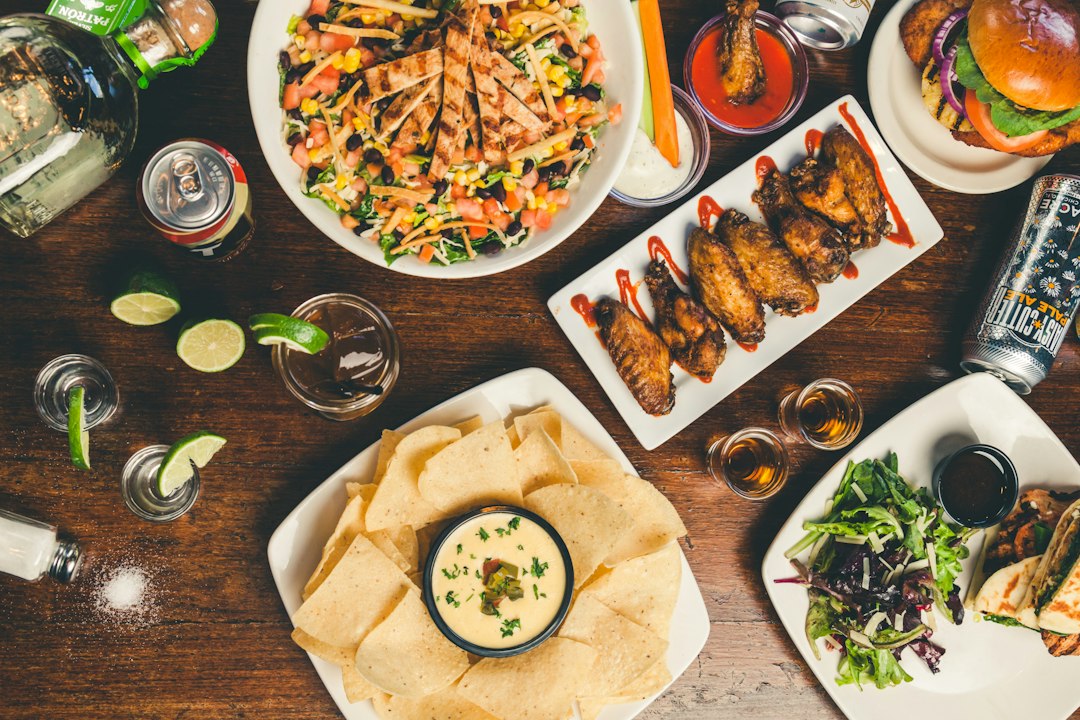
Photo by Tim Toomey on Unsplash
Why Movie Characters Always Order But Never Eat
Watch any film with a restaurant scene and you’ll notice a strange pattern: characters sit down, order elaborate meals, have intense conversations, then leave without touching their food. Or they pick at a salad for thirty seconds before the scene ends. Waiters deliver beautifully plated dishes that go ignored. Coffee cups get lifted but never emptied.
This isn’t lazy writing. It’s a deliberate production choice driven by the realities of filmmaking.
The Continuity Nightmare
A scene that plays as three minutes on screen might take eight hours to shoot. The director captures a wide shot, then moves in for medium shots, then close-ups, shooting each angle multiple times. Actors repeat the same lines and gestures dozens of times across all those takes.
If an actor eats during a take, they create a continuity landmine. The chicken breast needs to look identical in every shot, whether filmed at 9 AM or 4 PM. The wine glass must stay at the same level. The fork needs to rest in the same position on the plate. One bite in the wrong take and the editor loses the ability to cut freely between angles.
Props departments can manage some of this by resetting plates between takes, but it’s labor-intensive and imperfect. Food changes appearance as it sits under hot lights. Lettuce wilts. Sauces congeal. Ice melts. Even with multiple duplicate plates standing by, matching the exact state of a half-eaten meal across hours of shooting becomes nearly impossible.
The Actor’s Dilemma
Actors face a practical problem: if you eat a full bite of pasta in every take, and the director calls for fifteen takes, you’ve just consumed fifteen servings of pasta before lunch. You’re bloated, uncomfortable, and your performance suffers. Some actors resort to chewing food and spitting it out between takes—effective but unpleasant, and it still creates continuity problems.
More importantly, eating competes with acting. Chewing occupies your mouth and face, limiting expression. Timing dialogue around swallowing creates awkward pauses. A fork raised to the mouth obscures the lower face during a crucial line reading. Directors want the performance, not the meal.
The Strategic Sip
Notice what characters do consume: coffee, wine, water. Liquids work better because they’re easier to continuity-match and actors can take small, controlled sips that don’t interfere with dialogue. A coffee cup becomes a prop for nervous hands, a wine glass suggests sophistication, water-sipping fills natural pauses.
Even then, experienced script supervisors and props teams track every sip. Polaroids or digital photos document the exact liquid level in each glass for every setup. It’s tedious work, but far more manageable than tracking a deconstructed entrée.
When Eating Matters
Films do show eating when it serves the story. A character’s table manners might reveal class background. Nervous eating can communicate anxiety. Sensual enjoyment of food can establish personality or desire. In these cases, the scene is about eating, so the production budget accounts for the extra time and complexity.
But in most restaurant scenes, the food is just set dressing. The scene exists for the conversation, the confrontation, the revelation. The meal is social context, not narrative content. Showing characters actually eating would add production time and cost without advancing the story.
The Viewer’s Blind Spot
We accept this convention without much thought because cinema has trained us to. We understand that restaurant scenes represent the experience of dining together—the intimacy, the public privacy, the ritual of sharing a meal—without needing to watch the mechanical act of eating. The empty plates and ignored food fade into the background of what we came to see: the human drama unfolding across the table.
Film compresses and curates reality. It shows us the meaningful moments and quietly omits the mundane mechanics. Characters don’t eat for the same reason they don’t sit through entire commercial breaks or wait for the check—because none of that serves the story, and all of it would complicate the craft of capturing it.