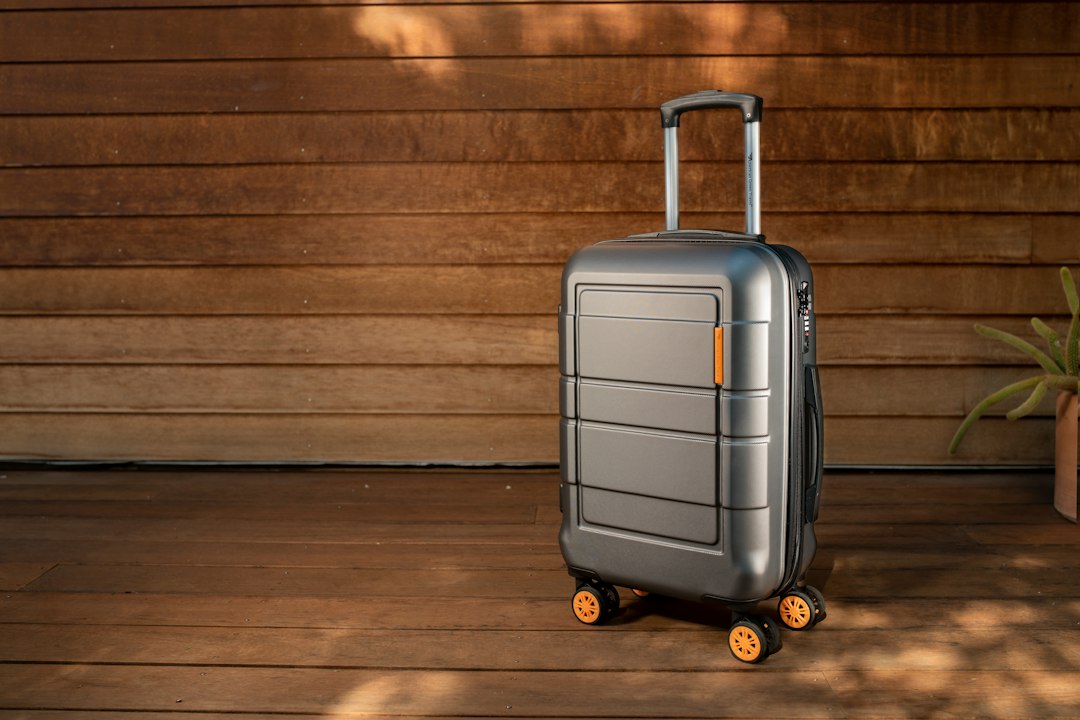
Photo by American Green Travel on Unsplash
Why Movie Suitcases Are Always Empty
Watch any film where a character carries luggage and you’ll notice something strange: they handle suitcases with implausible ease. A traveler bounds up stairs with a supposedly packed roller bag lifted in one hand. Someone tosses a duffel onto a bed with a flick of the wrist. A desperate character fleeing in the night hoists what should be a heavy trunk without breaking stride.
The reason is simple. Movie suitcases are almost always empty.
The Practical Reality
Film production operates under constant time pressure. A scene showing someone arriving home or leaving on a trip might require a dozen takes from multiple angles. If the actor had to carry an authentically weighted suitcase through every repetition, fatigue would set in quickly. Performance quality would degrade. The risk of injury—a pulled muscle, a twisted ankle on stairs—would rise with each take.
Empty luggage eliminates these problems. The actor can focus on delivering the emotional beats of the scene rather than managing a physical burden. Directors can call for another take without worrying that their lead is exhausted. Stunt coordination becomes simpler when a supposedly heavy object weighs next to nothing.
When Weight Matters
Occasionally a scene demands visible effort. If a character struggles with luggage as part of the story—comic relief from an overpacked bag, or physical exhaustion as a plot point—the prop department will add weight. But even then, it’s calibrated: heavy enough to look convincing, light enough to be safe across multiple takes.
Some productions use what crews call “hero” luggage for close-ups or specific action, with realistic contents visible when a suitcase opens, and empty “stunt” doubles for the carrying shots. The edit stitches these together seamlessly.
The Tell
Once you notice the pattern, it’s hard to unsee. Watch for the giveaway float when an actor sets a suitcase down—it lands without the thud or compression you’d expect from twenty pounds of clothing and toiletries. Or the effortless one-handed swing into a car trunk. Or the speed with which someone hefts a bag overhead into an airplane bin without a grimace.
Actors do their best to sell the weight through performance: a slight lean, a two-handed grip, a momentary adjustment of posture. Skilled performers make you believe the luggage is heavy through body language alone. But the physics rarely hold up under scrutiny.
Why It Works
Audiences grant film a remarkable amount of forgiveness when the story earns it. We suspend disbelief about empty suitcases the same way we accept that every parking space is available exactly when needed, or that phone conversations end without anyone saying goodbye. These are conventions born from practical necessity, and we’ve learned not to notice them unless they’re pointed out.
The goal of film production is not perfect realism but effective storytelling. If an empty suitcase allows the actor to deliver a better performance across fifteen takes, and the scene’s emotional truth remains intact, the compromise is worth making. Cinema has always been an illusion built from a thousand small cheats, and the weightless suitcase is one of the most enduring.