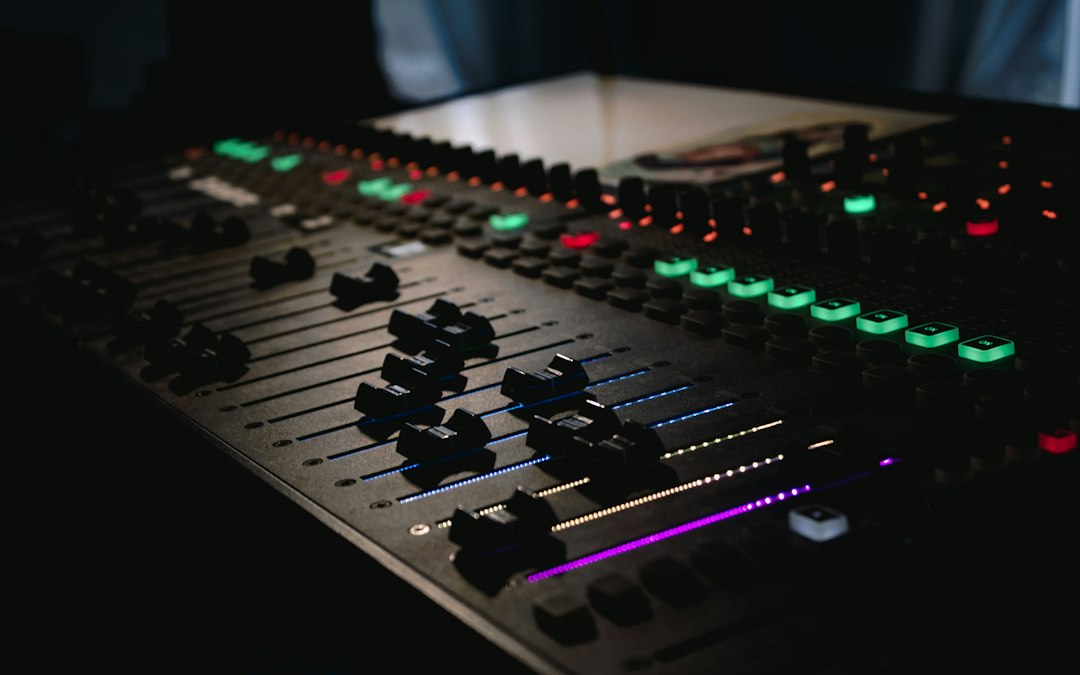
Photo by James Kovin on Unsplash
Temp Love: When Editors Get Attached to Placeholder Music
When an editor sits down to assemble a rough cut, the footage arrives silent except for dialogue and ambient sound. To give the director and producers a sense of how scenes will feel, editors drop in temporary music—usually tracks from other films, classical pieces, or production library cues. It’s meant to be a placeholder, a rough sketch of emotional intent. But something unexpected often happens: everyone falls in love with it.
This phenomenon has a name in the industry: “temp love.” And it creates one of the most delicate challenges in post-production.
Why Temporary Music Becomes Permanent in Your Head
Temp music does exactly what it’s supposed to do—it helps storytellers understand the rhythm and emotional arc of a scene. Watch the same chase sequence with a pulsing electronic track versus a soaring orchestral piece, and you’re watching two different films. The temp score becomes the lens through which everyone experiences the movie during the months-long editing process.
Directors watch the cut dozens of times with that music. Producers use it in test screenings. Studio executives evaluate pacing based on how scenes feel with those specific cues. The temp track stops being a placeholder and starts being the movie itself in everyone’s mind.
The problem arrives when the composer enters the picture. They’ve been hired to write original music, but now they’re competing with something that already works—and that everyone has heard hundreds of times.
The Impossible Brief
Composers face a paradox. If they write something too similar to the temp music, they risk creating a derivative score that invites legal issues or simply sounds like a pale imitation. If they go in a fresh direction, they’re told the new music “doesn’t work” because it doesn’t match the temp.
What’s really happening is that the filmmakers have unconsciously wed their emotional response to the film with the specific qualities of the temp track. The exact timing of a string crescendo, the particular timbre of a synthesizer, the way a percussion hit lands on a cut—these details have been baked into the edit. New music, no matter how well-crafted, feels wrong because it’s different.
Some composers receive temp tracks that are, problematically, from other composers’ recent work. Imagine being hired to score a space opera only to discover the entire rough cut uses themes from a famous existing franchise. The director isn’t asking you to copy it, exactly, but they’ve fallen in love with that specific emotional palette.
When Temp Music Wins
Sometimes temp love is so strong that the production simply licenses the original tracks. This is why you’ll occasionally hear classical pieces or existing songs in films where you’d expect an original score. The temp music worked, everyone agreed it was perfect, and the budget could accommodate the licensing fees.
Other times, composers find themselves in the uncomfortable position of writing “in the style of” the temp—close enough to satisfy the temp-addicted director, different enough to be legally distinct. This rarely produces a composer’s best work. They’re not creating; they’re approximating.
The most successful solutions happen when composers are brought in early, before temp love sets in, or when directors are willing to re-edit scenes to fit new music rather than demanding the music fit the locked edit. Some filmmakers even use deliberately generic or wildly inappropriate temp music specifically to avoid falling in love with it.
The Art of Letting Go
Breaking temp love requires trust and time—two things often in short supply at the end of production. It means sitting with new music long enough for it to become familiar, and being willing to adjust edits when original themes have different rhythms than the temp.
The best film scores happen when everyone involved recognizes temp music for what it is: a useful tool for the editing process, not a blueprint for the final product. The temp track helped shape the film, but it doesn’t have to define it. That’s the composer’s job.