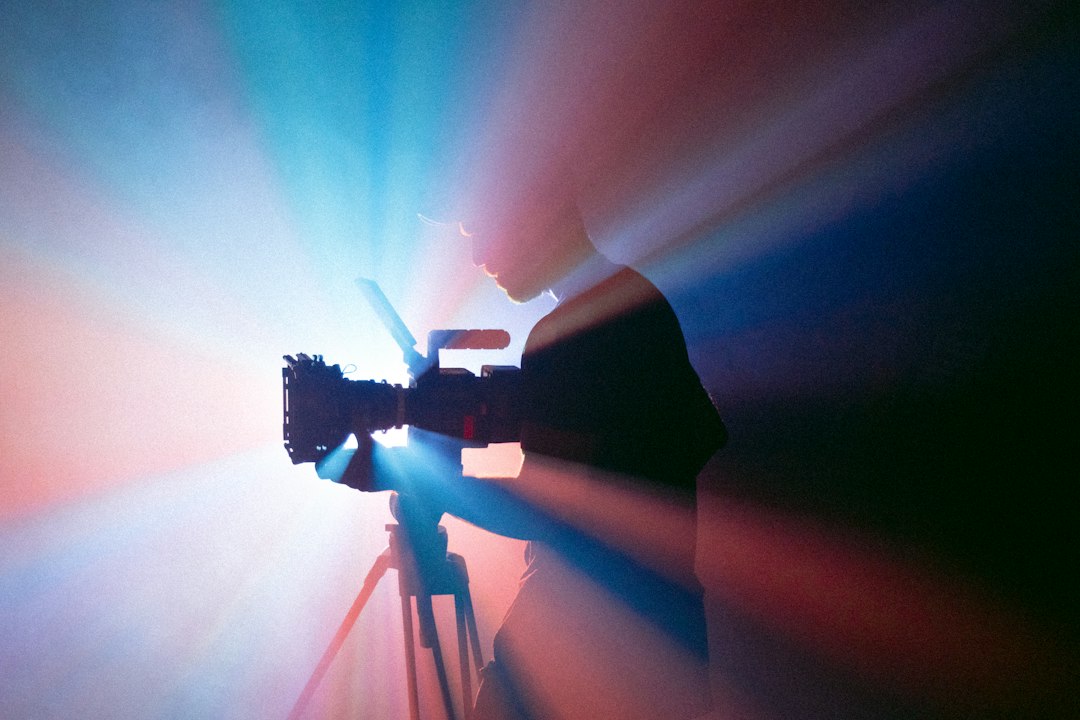
Photo by Jakob Owens on Unsplash
Why Slow Motion Works (and When It Doesn't)
Slow motion is one of the few effects that audiences can name on sight, and one of the few that filmmakers keep chasing even after it’s become a cliché. There’s a reason for both. When it lands, slow motion does something no other technique quite replicates: it makes time itself feel like part of the story.
How You Actually Get Slow Motion
Slow motion isn’t created in the edit by stretching footage (though that’s a crude version of it, and it looks rough because the camera never captured those extra frames). Real slow motion comes from overcranking: recording at a higher frame rate than the projection or playback rate. Standard footage runs at 24 frames per second. If you shoot at 96 fps and play it back at 24, you’ve captured four times as much visual information for every second of screen time, so the action stretches out smoothly.
This matters because it explains why cheap slow motion looks bad. Footage shot at normal speed and then slowed down in post has to invent frames that were never recorded, usually through frame blending or interpolation, and the result looks smeared or stuttery. True high-frame-rate slow motion looks clean because every frame was actually there to begin with.
What It’s Actually Doing to the Viewer
Slow motion works because it messes with two things at once: information and duration. It gives you more visual detail than you’d normally get, since your eye can suddenly catch things happening too fast to register at normal speed, like the exact moment a punch lands or glass fractures. At the same time, it stretches the emotional weight of a moment by literally giving it more screen time to sit with the audience.
That combination is why slow motion shows up so often at two very different points in a film: extreme violence and extreme grief. A gunshot or a car crash rendered in slow motion lets the audience absorb an event they’d otherwise only catch in a blur. A character collapsing at a funeral, slowed down, forces the audience to stay inside a feeling instead of moving past it. In both cases, the technique is doing the same job: refusing to let the moment pass at ordinary speed.
Slow motion also has a long history as a comedic tool, and it works for almost the opposite reason. Speeding down a mundane action, like someone tripping or spilling a drink, exaggerates the physical absurdity of it. The slowness turns a normal action into something theatrical, and theatrical is funny.
The Overuse Problem
The trouble is that slow motion is one of the easiest effects to lean on when a scene isn’t earning its emotion honestly. If the writing or performance hasn’t built up enough weight, dropping the frame rate can feel like the film is asking the score and the shutter speed to do work the story didn’t do. Audiences pick up on this quickly, which is part of why slow-motion-heavy trailers and music videos from certain eras now read as dated. The technique became a shorthand for importance rather than a response to something that was actually important.
There’s also a pacing cost. Slow motion asks an audience to sit still with an image, and stillness only works when there’s something worth sitting with. Stack too many slow-motion beats in a row and the film starts to feel like it’s stalling rather than building.
When It’s Earned
The best uses of slow motion tend to share one trait: the moment being slowed down is a hinge point in the story, not just a striking image. A decision, a loss, a turn that changes what happens next. The technique isn’t really about making something look cool in isolation. It’s about telling the audience, through the mechanics of time itself, that this is the second they need to remember.