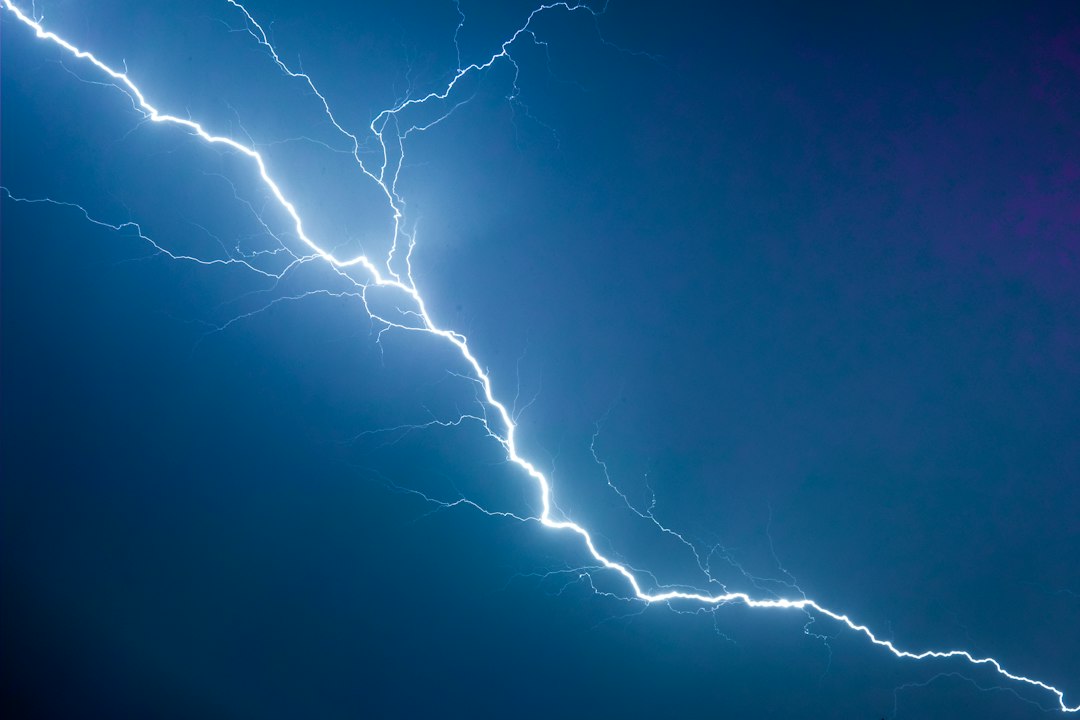
Photo by Michał Mancewicz on Unsplash
Why Movie Thunderstorms Always Arrive on Cue
In cinema, thunderstorms don’t follow meteorological patterns. They follow dramatic ones. A character makes a devastating confession and thunder rumbles overhead. A villain reveals their plan and lightning illuminates their face. Someone dies and rain begins to fall. The correlation between emotional intensity and atmospheric turbulence in movies is so reliable it’s become a visual cliché we barely notice anymore.
This isn’t lazy filmmaking. It’s a deliberate translation of internal states into external, visible phenomena. The technique has roots in theatrical melodrama and gothic literature, where storms have always served as emotional amplifiers. Film inherited this tradition and refined it into a sophisticated tool for narrative punctuation.
The Production Reality
Creating these perfectly timed storms requires significant resources. Rain towers, wind machines, and lightning effects must be coordinated with actor blocking and camera movement. A single rain scene can require thousands of gallons of water pumped through specialized rigs positioned above the frame line. The water is often backlit to make it visible on camera, since real rain frequently disappears on film unless dramatically enhanced.
Lightning effects typically come from large HMI lights rigged to flash on cue, sometimes augmented in post-production. Thunder is added during sound design, carefully timed to match the visual beats. The sound mixer can control not just when the thunder hits, but how it reverberates, building a specific emotional texture that would be impossible to capture from actual weather.
Why It Works Psychologically
Audiences accept this meteorological improbability because storms carry embedded emotional meaning. We’ve learned through cultural conditioning that dark skies signal danger, rain represents sadness or cleansing, and lightning suggests sudden revelation or divine intervention. These associations run deep enough that we process them almost subconsciously.
The technique also exploits our pattern-recognition instincts. When visual and emotional information align, the scene feels cohesive even if the logic is absurd. A character standing in sunshine while receiving tragic news creates cognitive dissonance. Add rain and suddenly the scene feels “right,” even though we know weather doesn’t actually respond to human drama.
Practical Advantages
Beyond symbolism, storms serve practical production purposes. Rain obscures background details that might be expensive or difficult to control. Dark skies reduce the need for elaborate lighting setups. Weather provides kinetic energy to static scenes, giving actors physical business and adding visual texture to shots that might otherwise feel flat.
Storms also compress time naturally. When characters are caught in sudden rain, we accept quick cuts and location changes. The weather becomes an invisible transition tool, smoothing over gaps in continuity that might otherwise feel jarring.
When Directors Subvert the Pattern
Some filmmakers deliberately avoid this convention, letting storms be random events unconnected to the narrative. A moment of joy happens in pouring rain, or a tragedy unfolds under clear skies. This creates a more naturalistic texture and can actually heighten emotional impact by denying audiences the comfort of pathetic fallacy.
But even these subversions only work because the convention is so established. We notice the absence of the expected storm, and that noticing becomes part of the viewing experience.
The Suspension of Meteorology
Movie thunderstorms are a compact example of how cinema creates its own rules about what feels true. We don’t believe storms actually arrive on emotional cue in real life, but we accept it in film because the medium has trained us to read weather as narrative language rather than atmospheric fact. The storm isn’t trying to be realistic. It’s trying to be legible, to make internal states visible and shared. And for that purpose, perfect timing matters more than meteorological accuracy.