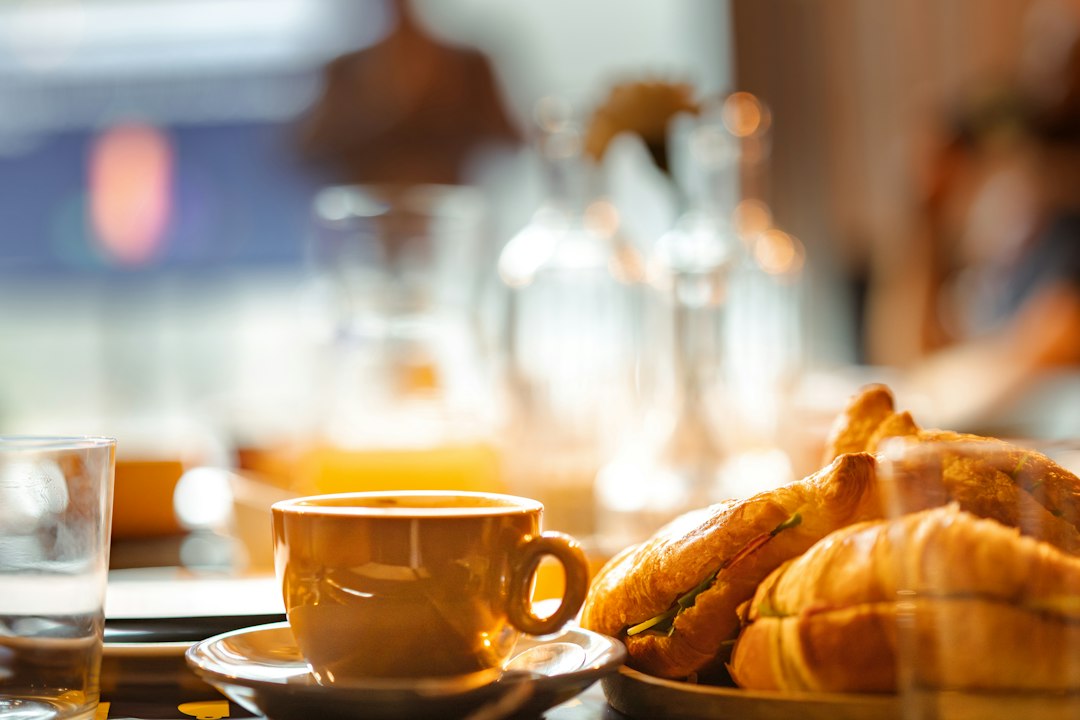
Photo by Jakub Żerdzicki on Unsplash
Why Movie Breakfast Scenes Always Show Untouched Food
You’ve seen it a hundred times. A parent sets down a full plate of pancakes, eggs, and bacon. The teenager grabs a single piece of toast, takes one bite, and bolts out the door. The perfectly arranged breakfast sits untouched on the table, steam still rising.
It’s one of cinema’s most reliable patterns, repeated across decades and genres. Characters almost never finish—or even start—the breakfast someone just prepared. The reasons why reveal how film grammar prioritizes momentum over realism.
Pacing Over Plausibility
Breakfast scenes rarely exist to show eating. They exist to establish relationships, deliver exposition, or set up conflict before the character leaves for the main action. A teenager dismissing their parent’s cooking shows rebellion or distraction. A detective grabbing coffee but skipping food signals obsession with the case.
Actually eating takes time. Chewing, swallowing, and pausing between bites slow dialogue delivery and stretch a scene that’s meant to be transitional. Directors need characters to exchange information and move on, not linger over scrambled eggs. The abandoned breakfast becomes visual shorthand: this character is in a hurry, distracted, or emotionally disconnected from domestic life.
The Production Reality
Filming someone eating a full meal is a continuity nightmare. Actors must repeat takes, sometimes dozens of times. If they actually consume food in every take, they’ll be uncomfortably full—or worse, sick—before the scene wraps. The position of the fork, the amount left on the plate, and the liquid level in the glass all must match across cuts.
Food also deteriorates under hot lights. Scrambled eggs congeal. Toast gets cold and rubbery. Ice melts in orange juice. Maintaining the “perfect” breakfast across hours of shooting requires constant replacements from the prop department. The less interaction with the food, the fewer continuity problems and the faster the crew can work.
The Visual Language of Interruption
The untouched breakfast serves a storytelling function. It’s a visual marker of disruption. The table is set, the routine is established, but something breaks the pattern. A phone rings. An argument erupts. A character realizes they’re late. The abandoned plate becomes physical evidence that normal life has been interrupted by the plot.
This visual language is so established that audiences read it instantly. We don’t question why the character leaves. The full plate tells us: something urgent is happening. The meal represents the ordinary world the character is about to leave behind, even if just for the day.
Character Through Food Rejection
How a character treats the breakfast also communicates status and personality. The parent who cooked it is often positioned as traditional, caring, or trying to maintain normalcy. The character who rejects it is pulled toward something more important—adventure, work, rebellion, or danger.
In action films, the hero rarely has time for domestic rituals. In dramas, the rejected meal can signal emotional distance. In comedies, the absurdly elaborate breakfast no one touches becomes a sight gag. The food itself doesn’t matter. What matters is that it’s left behind.
The Rare Exception
When a film does show a character eating a full breakfast, it’s usually deliberate. Tarantino lets characters finish their food because mundane details build his brand of tension. Slow breakfasts in art films signal characters trapped in routine or clinging to ritual. The choice to linger over food becomes as significant as the choice to abandon it.
But in mainstream storytelling, the untouched breakfast remains the default. It’s efficient, it’s clear, and it keeps the story moving. The toast gets one bite. The orange juice gets ignored. And the movie rolls on.