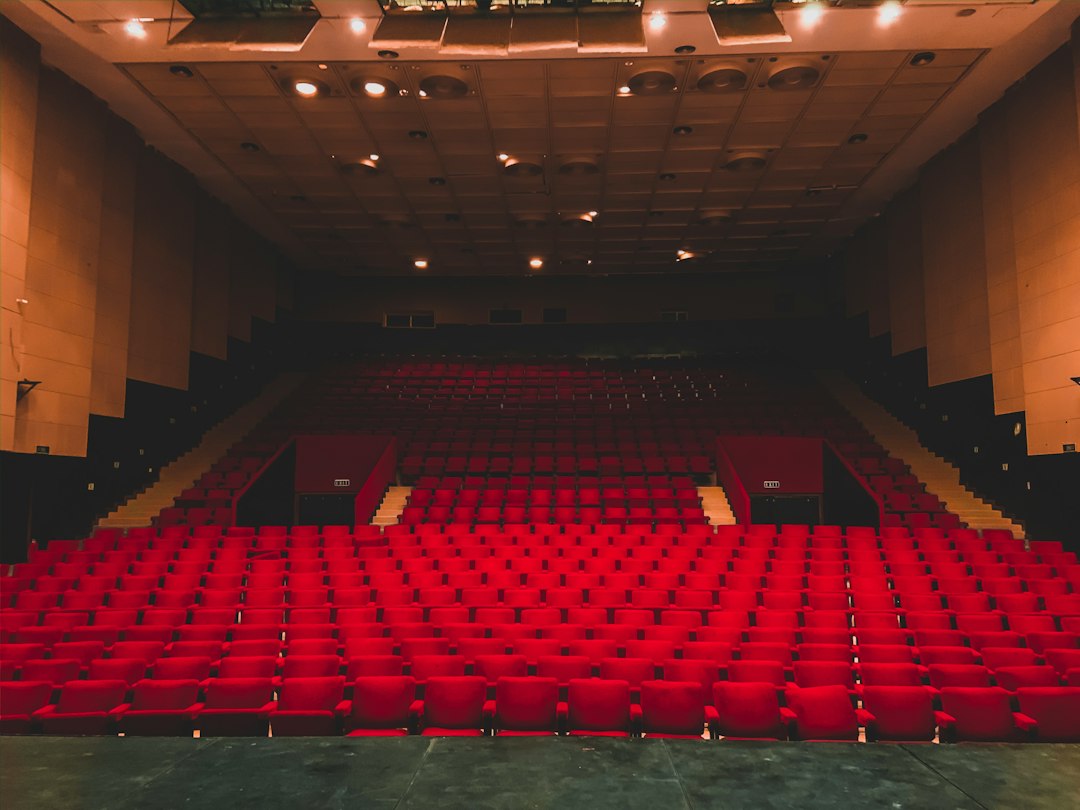
Why Movie Theaters Are Always Empty in Films
Watch a character go to the movies in a film and you’ll notice something strange: the theater is almost always deserted. A couple might sit alone in a vast auditorium, or a protagonist watches a screen with only a handful of scattered patrons around them. It’s a visual trope so consistent that it barely registers anymore, but the reasons behind it reveal how practical filmmaking concerns shape the way cinema represents itself.
The Extra Problem
Filling a theater with convincing audience members is expensive and logistically complex. Each person visible on screen is either a hired background performer or someone who has signed a release. A mid-sized theater holds 200 to 300 seats, and even if only the front half appears in frame, that’s still 100+ extras who need to be coordinated, costumed, directed, and paid for multiple takes. Each additional body increases the chance of continuity errors, unwanted movements, or someone looking directly at the camera.
For a scene that might last thirty seconds in the final cut, the cost-benefit calculation rarely justifies the expense. Productions shoot what they need to tell the story, and a handful of extras conveys “movie theater” just as effectively as a full house while keeping the budget and schedule under control.
Rights and Clearances
When a film shows characters watching a movie, that movie-within-a-movie requires clearance. If it’s a real film, the production needs permission to show it, which can involve licensing fees and approval from multiple rights holders. Most productions solve this by creating fake films, shooting original footage that mimics a genre without actually being a full scene.
But here’s where the empty theater helps: the less prominent the screen itself, the less scrutiny it receives. A sparsely attended theater naturally directs viewer attention toward the characters in the seats rather than the content on screen. It’s easier to get away with a few seconds of intentionally vague imagery when the theater itself feels incidental.
Narrative Focus and Intimacy
An empty theater serves the emotional architecture of a scene. When two characters sit alone or nearly alone, the space becomes intimate rather than public. The theater transforms into a private stage for their conversation, reaction, or internal moment. The emptiness removes distraction and makes the audience feel like they’re watching something personal unfold.
This is especially useful in romantic scenes, moments of revelation, or sequences where a character’s reaction to what they’re watching matters more than the film itself. A crowded theater would diffuse that focus, turning a character study into a wide observational shot.
The Practical Geography of Shooting
Real theaters are difficult locations to secure for filming. They’re businesses with screening schedules, and shutting one down for a day of shooting means lost revenue. Even when a production gets access, the time available is often limited to off-hours or between showtimes. There’s rarely enough time to choreograph and shoot a scene with a full crowd of extras, manage their continuity across multiple setups, and still capture the coverage needed.
Empty or near-empty theaters are also easier to light and record clean sound in. Fewer people means fewer variables, less ambient noise, and more control over the frame. A quiet theater allows dialogue to stay crisp without the rustle of jackets, the crinkle of candy wrappers, or the scrape of shoes on concrete floors.
When Theaters Are Full
The few times films do show packed theaters, it’s almost always for a reason. A premiere, a cult midnight screening, or a community event justifies the expense and effort because the crowd itself is the point. The audience becomes part of the story, a collective character rather than set dressing. In those cases, the production commits the resources because the scene wouldn’t work otherwise.
But for most purposes, an empty theater does the job quietly and efficiently, a piece of cinematic shorthand that sacrifices realism for practicality and focus. It’s one more reminder that every frame is a negotiation between what looks right and what’s possible to capture.