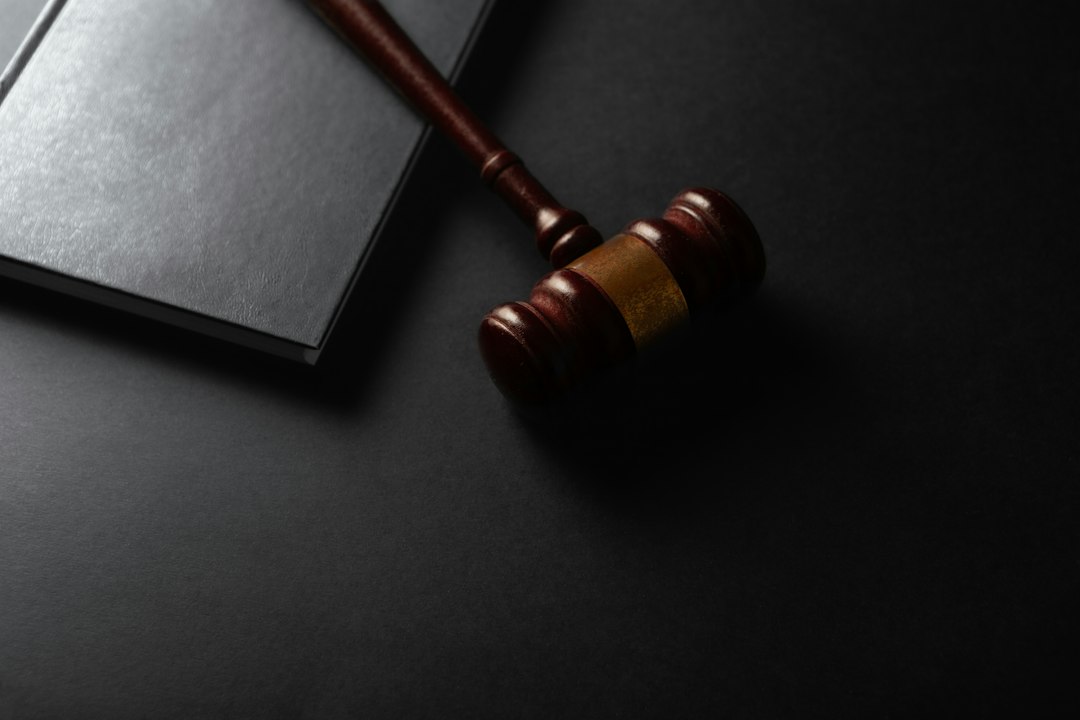
Photo by Sasun Bughdaryan on Unsplash
Why Movie Courtroom Gavels Are Always Wood
The sharp crack of a wooden gavel hitting its block is one of cinema’s most reliable courtroom sounds. A judge pounds it once for order, three times for a verdict, and the entire room falls silent. It’s theatrical, decisive, and completely at odds with how most real courtrooms operate today.
The Gavel as Visual Shorthand
Film relies on objects that communicate instantly. A wooden gavel does more than call order—it declares authority. The moment an actor in robes lifts one, the audience understands the power dynamic without a word of dialogue. The sound design reinforces it: that percussive knock cuts through background noise and signals a shift in dramatic stakes. It’s a punctuation mark the camera can see and the microphone can capture.
In reality, many judges never touch a gavel. Federal courts in the United States don’t issue them. Most modern courtrooms rely on verbal commands, and judges who do use gavels often reach for them sparingly, if at all. But film courtrooms aren’t built for accuracy—they’re built for legibility. The gavel survives on screen because it’s an efficient storytelling tool, not because it reflects contemporary legal practice.
Why Wood, Specifically
Material matters. A wooden gavel and block produce a crisp, resonant knock that records cleanly and reads as serious. Metal would clang. Plastic would sound cheap. Wood carries historical weight—it evokes tradition, formality, and the idea of law as something rooted in older systems of order. Production designers choose wood because it looks substantial on camera and because audiences associate it with legitimacy.
The design itself is standardized in film: a turned hardwood handle, a cylindrical striking head, and a matching sound block. Prop departments don’t improvise. They replicate a specific image that decades of courtroom dramas have drilled into collective memory, from “To Kill a Mockingbird” to “A Few Good Men.” The gavel has become a genre fixture, like the red button on a bomb or the green text on a hacker’s screen.
The Theatrical Roots
The cinematic gavel borrows heavily from theater, where exaggerated props help communicate across distance. A judge’s verbal command might not reach the back row, but a gavel’s knock does. Early sound films imported that logic directly, using the gavel to add sonic emphasis to courtroom scenes that were often shot on shallow sets with limited space for extras or ambient detail.
Over time, the gavel became a narrative beat. It marks the end of testimony, the start of a recess, the finality of a sentence. Screenwriters and editors use it as a cue, a moment where the story pivots or a character’s fate is sealed. The object has narrative function beyond its literal one, which is why it persists even as real-world courtrooms move on.
When Accuracy Doesn’t Serve the Scene
Film courtrooms are already stylized. They’re better lit, more symmetrical, and far quieter than actual trials. The wooden gavel fits this heightened reality. Removing it would make the scene more accurate but less legible, especially for international audiences who may have no direct experience with the legal systems being depicted.
Directors keep the gavel because it works. It’s a tool for rhythm, authority, and closure—qualities every courtroom scene needs, whether or not the judge in the story would actually use one.