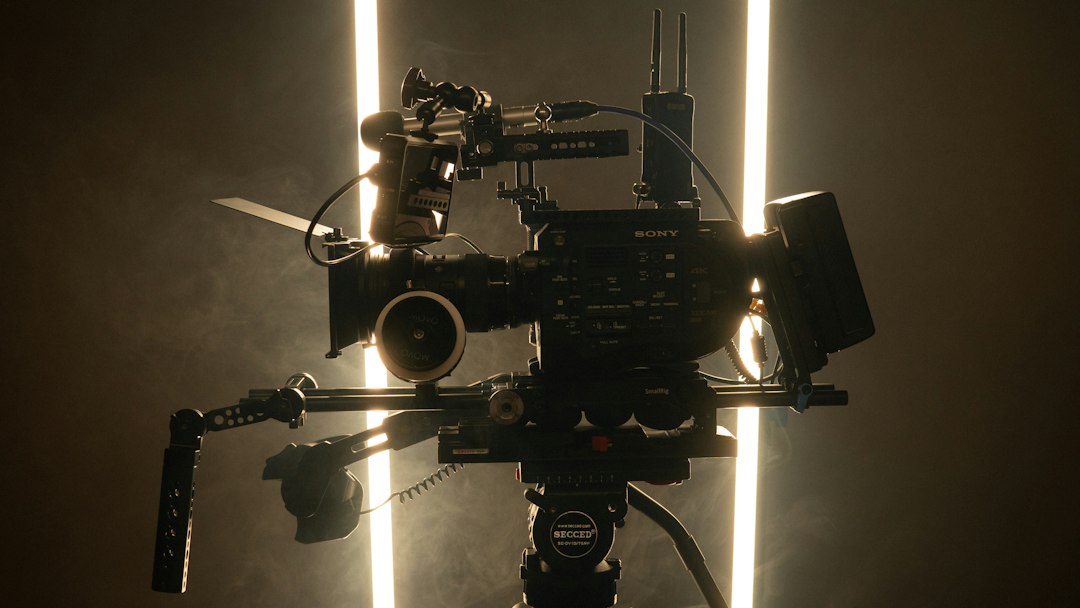
Photo by Marcos Rocha on Unsplash
Push-In: The Camera Movement That Reveals What Matters
When a filmmaker wants you to lean in, the camera does it first. The push-in—a deliberate forward movement toward a subject—is one of cinema’s most intuitive tools for focusing attention and heightening emotion. Unlike a zoom, which optically magnifies the image, a push-in physically moves the camera through space, changing the viewer’s relationship to what’s on screen.
The Mechanics of Moving Forward
A push-in can be executed several ways. On a dolly track, the camera glides smoothly toward the subject. On a Steadicam or gimbal, an operator walks forward while keeping the frame stable. Even a simple slider can deliver a short, controlled push. What matters isn’t the gear—it’s the intention. The camera is closing distance, and that movement carries meaning.
The speed and distance of the push-in shapes its impact. A slow, sustained push builds tension or draws you into a character’s internal state. A quick push punctuates a moment of realization or shock. A subtle push might happen so gradually you don’t consciously notice it, but your attention narrows all the same.
When the World Shrinks to a Face
The push-in often accompanies a shift in a character’s awareness. Something just clicked. A lie was exposed, a memory surfaced, a decision crystallized. The camera moves in as the character’s focus sharpens, isolating them from their surroundings. The rest of the frame falls away—not through editing, but through motion.
This is different from cutting to a close-up. A cut says “now look here.” A push-in says “keep looking—something’s changing.” The unbroken movement maintains continuity while shifting emphasis. You stay in the scene’s flow, but the emotional stakes rise.
The Push-In as Narrative Punctuation
Filmmakers use the push-in to mark turning points. It signals that what just happened—or what’s about to happen—matters. In thrillers, a slow push toward a locked door or a ringing phone generates dread. In dramas, pushing in on a character listening to bad news lets silence do the work while the camera insists you watch every flicker of response.
The technique also works in reverse. A pull-out (or “dolly back”) creates distance, often signaling loss, isolation, or a character being swallowed by their environment. The push-in’s opposite movement makes its forward momentum feel even more intimate by contrast.
Why Push Instead of Zoom
A zoom and a push-in can frame a subject similarly, but they feel different. A zoom flattens space, compressing foreground and background as it magnifies. A push-in preserves depth and perspective, moving you through the geography of the scene. Objects in the foreground shift and pass by. The background changes its relationship to the subject.
That spatial movement makes the push-in feel participatory. You’re not just seeing closer—you’re moving closer, as if stepping toward the character yourself. It’s a kinetic experience, not just a visual one.
Invisible Until It Isn’t
Skilled cinematographers often layer push-ins subtly, using them to guide your eye without calling attention to the technique. A conversation scene might feature gradual pushes on each character as emotional tension mounts, so slow you barely register the movement consciously. But you feel it. The frame tightens. The air thickens.
Then there’s the deliberate, unmissable push-in—the kind that announces itself. These command attention by design, often paired with a score cue or a beat of silence. They say: this is the moment. Everything has been leading here.
The push-in doesn’t shout. It leans in and whispers: pay attention. Something just changed, and the camera wants you to see it written on someone’s face.