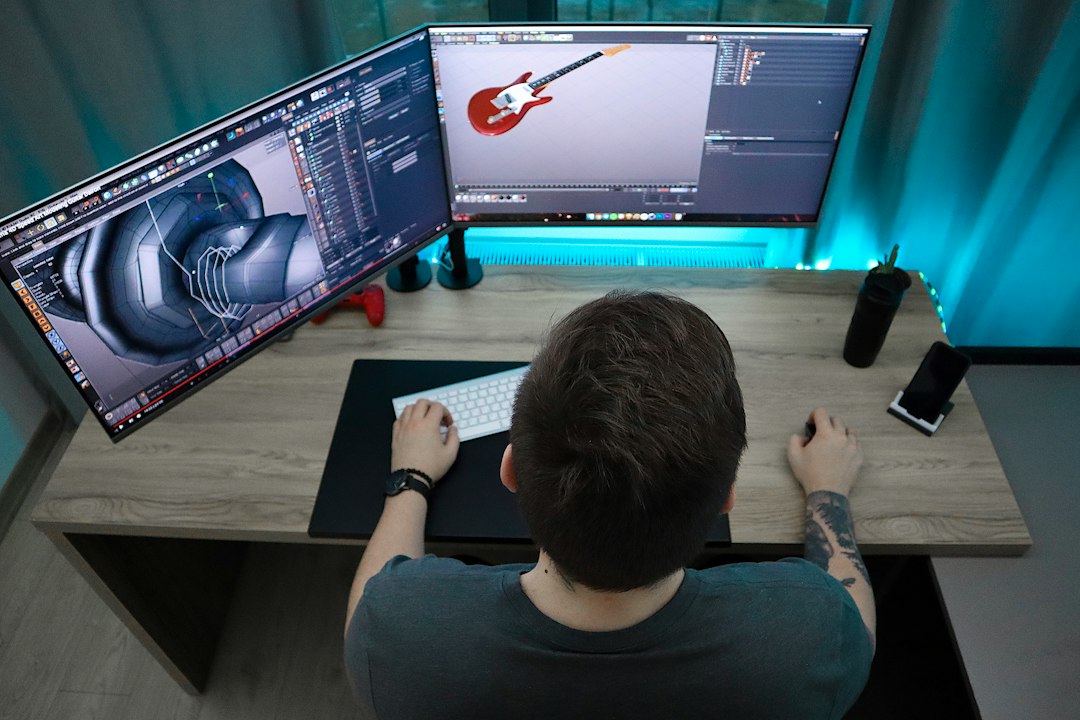
Photo by Ion (Ivan) Sipilov on Unsplash
Previsualization: How Filmmakers Rehearse a Movie Before They Shoot It
Long before a crew shows up on set, a lot of the most complicated shots in a modern film have already been “shot” once, in rough form, inside a computer. That process is called previsualization, or previs, and it’s become one of the quieter but most consequential tools in contemporary filmmaking.
What Previs Actually Is
Previs is a rough, animated version of a scene, built in 3D software using simplified character models and stand-in environments, that lets a director, cinematographer, and stunt or VFX team work out staging, blocking, and camera movement before committing anything to film or digital sensor. Think of it as a moving storyboard with a virtual camera you can actually fly through space.
It’s distinct from storyboarding, which is static, and from animatics, which are often just edited-together storyboard panels with rough timing. Previs is closer to a low-fidelity version of the finished sequence, sometimes including basic lighting, camera lenses, and even temp sound effects, so everyone can watch the scene play out before a single frame of real footage exists.
Why It Took Over Action and VFX Filmmaking
Previs exists because certain kinds of sequences are too expensive, too dangerous, or too logistically complicated to figure out by trial and error on the day. A car chase through a city street, a battle involving hundreds of digital creatures, a one-take fight scene that needs to weave through three rooms, these all involve so many moving variables that improvising the camera work on set becomes a scheduling and budget risk.
Previs lets a production answer questions in advance: does this stunt actually read clearly from this angle? Does the geography of the fight make sense when cut together? How many camera setups does the second unit need, and in what order should they shoot them to make the day? Visual effects supervisors use previs to figure out exactly what needs to be built practically, what needs a digital double, and how much space a compositor will need to work with. Studios use it to lock down budgets before expensive stunt or effects work begins, since a previs sequence gives everyone from the insurance company to the completion bond company something concrete to price against.
Technically, previs grew out of the same 3D animation pipelines used for VFX itself, which is part of why it exploded in the era when computer-generated imagery became central to big-budget filmmaking. Once a production already has digital environments and character rigs being built for the final shots, it’s a natural extension to use rougher versions of those same assets to plan the shoot itself.
The Creative Tradeoff
Previs has an obvious upside: it de-risks expensive filmmaking and gives directors a rehearsal space that didn’t used to exist. But it comes with a real creative tension. If a sequence is planned shot-by-shot in a computer months before production, how much room is left for a cinematographer to discover something better on the day, or for an actor’s performance to reshape the blocking in the moment?
Some directors treat previs as a strict blueprint, shooting almost exactly what was previewed. Others use it loosely, as a reference for logistics while staying open to changes once real actors, real light, and a real location are in the room. The difference tends to show up on screen. Sequences that were previs’d to death can feel mechanically precise but strangely airless, as if the camera is executing a plan rather than responding to a scene. The best use of previs treats it as a planning tool for the crew, not a creative substitute for what happens once the cameras are actually rolling.
That tension, between preparation and spontaneity, is really just the previs-era version of a debate as old as filmmaking itself: how much should a shot be decided in advance, and how much should be found.