Photo by Andri Aeschlimann on Unsplash
Pre-Lapping Audio: The Sound You Hear Before the Scene Changes
Watch closely during a scene transition in any well-edited film, and you’ll notice something subtle: the audio from the next scene often arrives a split second before the picture cuts. A phone starts ringing while we’re still looking at someone driving. Crowd noise swells before we see the stadium. This technique is called pre-lapping, and it’s one of the most elegant tools in a film editor’s kit.
How Pre-Lapping Works
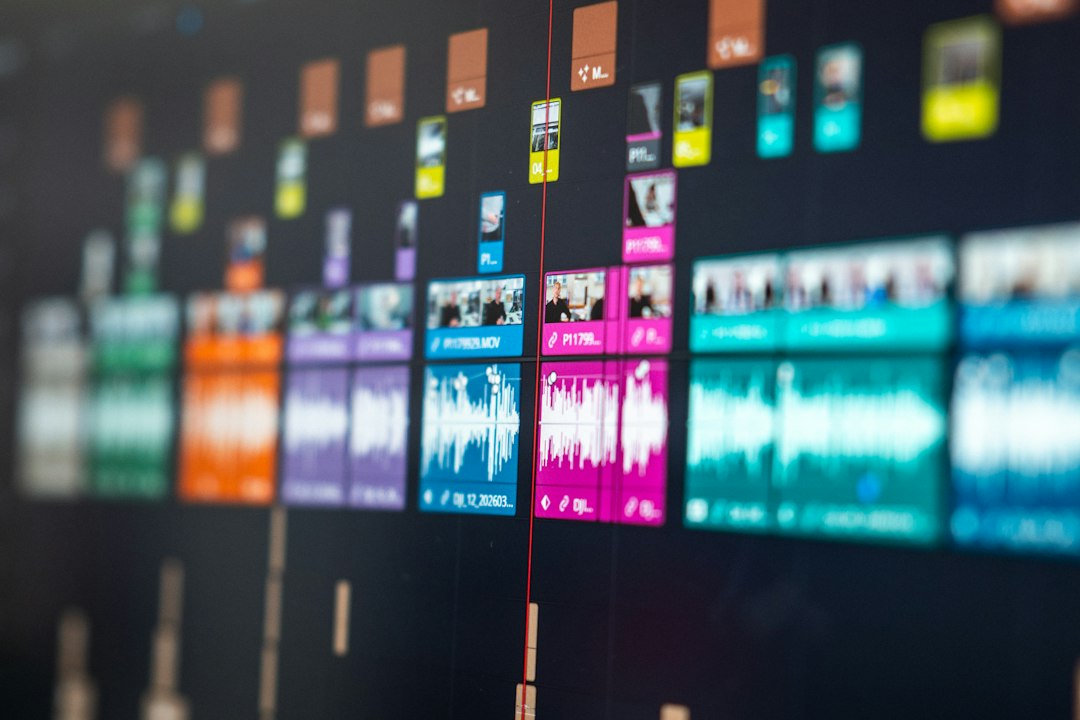
Pre-lapping introduces the sound of the upcoming scene while the image of the current scene is still on screen. The editor splits the audio and video tracks, letting sound lead the way. Instead of cutting picture and sound simultaneously at the same frame, the audio arrives first—sometimes by just a few frames, sometimes by a full second or more.
The effect is surprisingly powerful. Our ears naturally pull our attention toward new sounds, priming us for the transition before it happens. When the picture finally cuts, it feels less like a jump and more like a flow. The scene change becomes a continuation rather than an interruption.
Why It Feels Invisible
Most viewers never consciously notice pre-lapping because it mimics how we actually experience the world. You hear a door open before you turn to see who’s entering. You catch snippets of conversation before you round a corner into a room. Film editing borrows this sensory logic, making cuts feel organic rather than mechanical.
The technique works especially well when moving between locations or time periods. A character might be sitting alone in silence, but we already hear the ambient hum of the office where they’ll appear in the next shot. By the time the cut happens, we’re mentally prepared for the new environment. The transition registers as smooth rather than abrupt.
The Opposite: Post-Lapping
Pre-lapping has a mirror technique called post-lapping, where the audio from the previous scene lingers after the picture has cut to the next one. A character’s voice might continue over a new image, or the echo of a slammed door might carry into the following scene. Both techniques serve the same goal: they soften hard cuts and create connective tissue between moments.
Editors often use pre-lapping and post-lapping together, overlapping audio from two scenes so that sound from both the outgoing and incoming moments exists simultaneously. This layered approach turns a simple cut into something more complex and dreamlike, particularly useful in montages or memory sequences.
When to Hear It
Pre-lapping appears most often in dialogue-driven sequences. Someone asks a question in one location, and we hear the answer begin while still looking at the questioner’s face. The cut to the person answering feels like a natural beat in the conversation, even though the two characters are in completely different places or times.
Action sequences use pre-lapping to build anticipation. The sound of an approaching helicopter or the metallic click of a weapon being readied can arrive before we see the source, creating tension and guiding the audience’s emotional response before the visual information confirms it.
The Editor’s Choice
Not every cut benefits from pre-lapping. Sometimes a hard, simultaneous cut of picture and sound creates the jolt a scene needs. The choice depends on rhythm, pacing, and the emotional tone the editor wants to establish. Pre-lapping smooths and connects; hard cuts emphasize and separate.
The next time you watch a film, pay attention to the relationship between what you hear and what you see during scene transitions. You’ll start noticing how often sound arrives first, quietly doing the work of making two separate moments feel like a single, continuous experience.