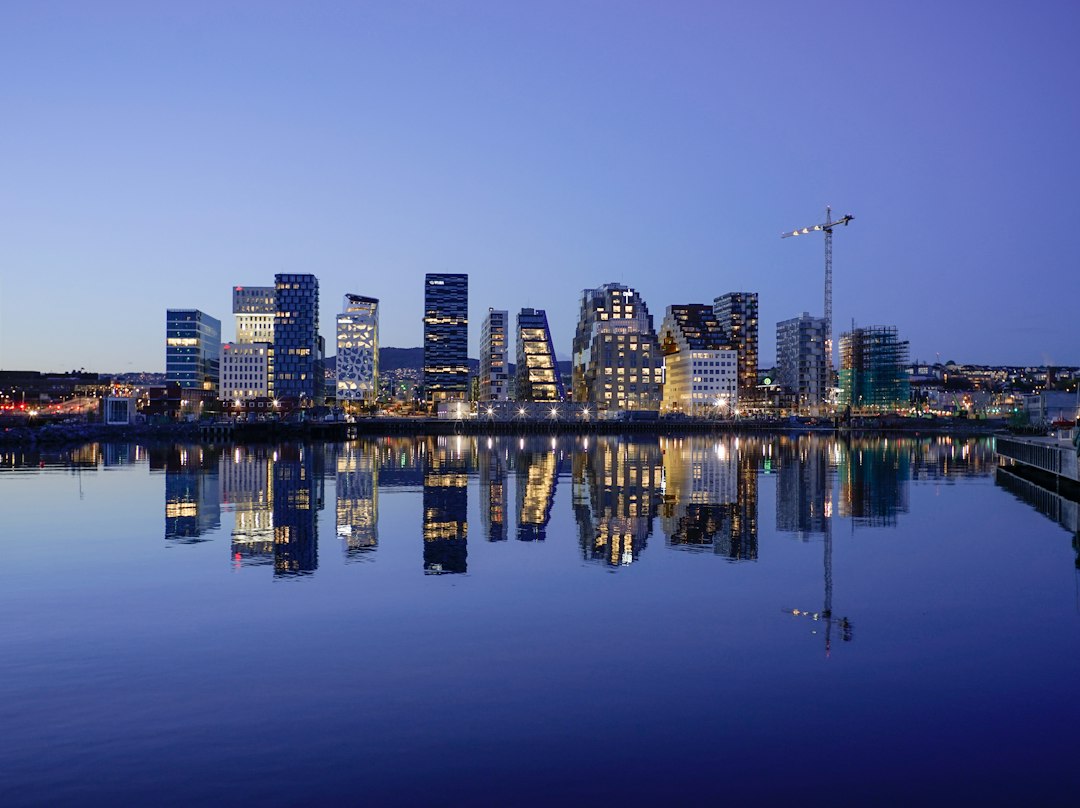
Photo by Christoffer Engström on Unsplash
Blue Hour: The Other Magic Hour Cinematographers Chase
Every cinematographer knows about magic hour, that golden period just after sunrise or before sunset when the light turns warm and soft. But there’s another fleeting window that gets less attention despite producing some of cinema’s most striking images: blue hour.
Blue hour happens twice a day, bookending magic hour on either side. In the evening, it’s the period after the sun dips below the horizon but before the sky goes black. In the morning, it’s the reverse—after the sky begins to lighten but before the sun breaks the horizon. During this narrow window, typically lasting 20 to 40 minutes depending on latitude and season, the sky takes on a deep, saturated blue while artificial lights on the ground glow warm against it.
The Color Temperature Split
What makes blue hour cinematically valuable is the dramatic color contrast it creates. The sky reads as a rich cobalt or navy blue—cool in color temperature—while practical lights from buildings, streetlamps, and signs register as warm yellows and oranges. This split creates a natural color separation that would be difficult and expensive to replicate with artificial lighting.
The effect works because of how our eyes and cameras perceive mixed color temperatures. During the day, sunlight overpowers artificial lights. At true night, there’s no ambient sky glow to provide contrast. But during blue hour, both light sources exist at roughly comparable intensities, creating a balanced yet contrasting palette that cinematographers can expose for without losing detail in either the sky or the foreground.
Why It’s Harder Than Magic Hour
Magic hour presents its own timing challenges, but blue hour is even more unforgiving. The usable window is shorter, and the light level drops continuously throughout. A shot that looks perfectly exposed at the beginning of blue hour will be underexposed ten minutes later.
This forces production teams into tight choreography. Complex shots need to be fully rehearsed and blocked before blue hour begins. Camera, lighting, and cast must be in position and ready to execute. Often there’s only time for one or two takes before the light shifts too far. If something goes wrong—a flubbed line, a technical issue, a continuity error—the crew may have to wait until the next evening to try again.
Extending the Window
Cinematographers have developed techniques to stretch blue hour slightly beyond its natural duration. Underexposing during the earlier part of the window and lifting the image in post-production can capture the blue hour look while the sky is still a bit brighter. LED fixtures with adjustable color temperature allow gaffers to dial in warm practical lights that complement the blue sky, even as the natural light changes.
Digital cinema cameras with high ISO performance have also expanded what’s shootable during blue hour. Film required more light, which meant the usable window was narrower. Modern sensors can capture clean images at lower light levels, giving cinematographers a few extra minutes at each end.
When Films Use Blue Hour
You’ll see blue hour in establishing shots of cities at dusk, in crime thrillers where characters meet in parking lots after sunset, and in any scene meant to convey transition—between day and night, safety and danger, the ordinary world and the adventure to come. The blue hour sky signals a liminal moment, a threshold crossing.
It’s particularly common in films that want a sleek, contemporary look. The color split reads as modern and polished, especially when combined with architectural lighting and urban environments. It’s less common in period pieces or rural stories, where the effect can feel too stylized.
The Planning Trade-Off
Committing to blue hour means building the shooting schedule around it. Productions might get one or two blue hour windows per day if they’re shooting both dawn and dusk, but that requires crew and cast to be available at both ends of the day, which complicates scheduling and increases fatigue.
For films with limited budgets or compressed schedules, blue hour might be a luxury they can’t afford. The alternative is to shoot at night and either accept a black sky or add artificial blue light in post-production. Neither quite replicates the real thing, but both are more forgiving when you need multiple takes or when the weather doesn’t cooperate.
Blue hour is a gift of natural light that cinematographers have learned to exploit. Like magic hour, it demands planning, precision, and a willingness to let the clock dictate the schedule. But the images it produces—that impossible blue sky against warm city lights—are difficult to achieve any other way.