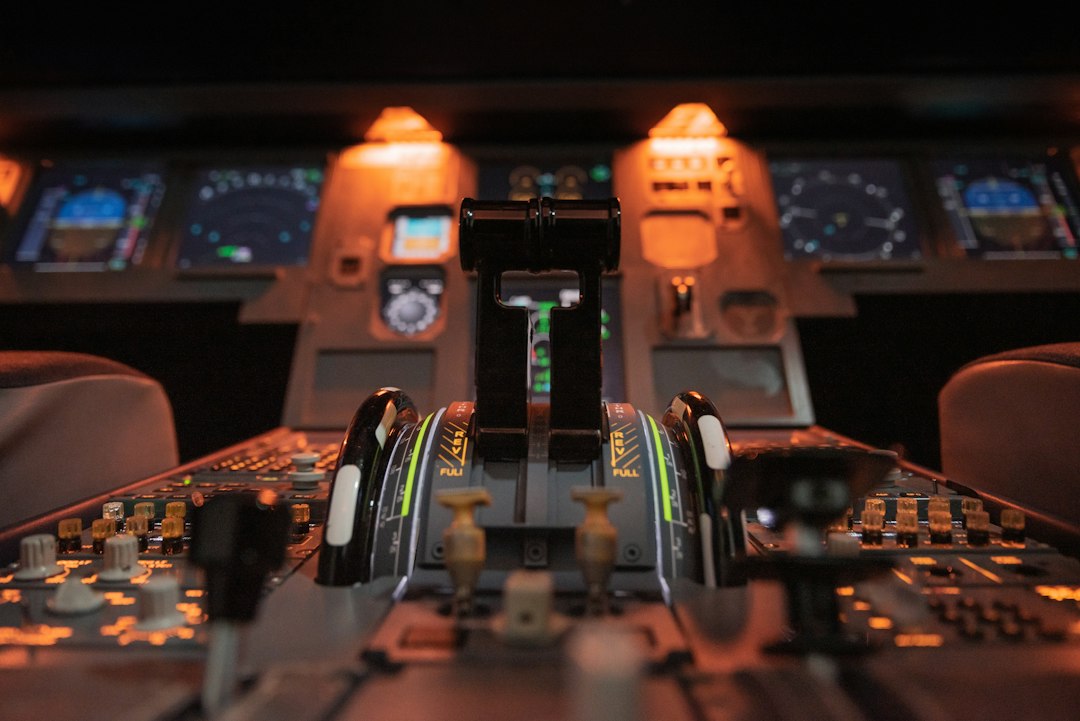
Photo by Moritz Mentges on Unsplash
Why Movie Pilots Always Flip Switches During Takeoff
Watch any film with a cockpit scene and you’ll notice the same choreography: the pilot’s hands dance across the overhead panel, flipping switches in rapid succession, each movement punctuated by a satisfying mechanical click. The co-pilot calls out checklists. Fingers adjust throttles, twist knobs, and tap instruments. It looks intricate, purposeful, and authoritative.
In reality, modern commercial pilots touch far fewer switches during a typical takeoff sequence. Most of the switches visible in a cockpit are set well before the aircraft ever pushes back from the gate. The dramatic switch-flipping ballet is a cinematic construction designed to communicate competence, urgency, and control.
Visual Shorthand for Expertise
Film operates in compressed time. A real pre-flight checklist can take twenty minutes and involves reading from a document, verbal confirmation between crew members, and methodical verification of systems. None of that makes for compelling cinema.
Switch-flipping solves the problem efficiently. It gives actors physical business that reads as technical proficiency without requiring the audience to understand aviation systems. A character who knows which switches to flip, in what order, signals mastery. The more switches, the more complex the situation, the more skilled the pilot must be to handle it.
This visual language has become so embedded in film grammar that it persists even in genres where realism isn’t the goal. Science fiction cockpits explode with blinking panels and toggle switches despite the fact that future technology would likely rely on touchscreens or voice commands. The switches aren’t there because they’re plausible; they’re there because they’re legible.
Building Tension Through Physical Action
Switches also create escalating tension. When something goes wrong mid-flight, the pilot’s response is visceral and immediate: flip that switch, adjust this dial, pull that lever. Each action is a discrete story beat the audience can follow even if they don’t understand what the switch does.
Compare this to the reality of troubleshooting a modern airliner, which often involves navigating nested menus on a digital display or consulting a fault code. That’s dramatically inert. A pilot staring at a screen and tapping through options doesn’t convey urgency the way a pilot yanking on physical controls does.
The sound design amplifies the effect. Each switch produces a crisp, mechanical click recorded at higher volume than real cockpit switches. These sounds layer together into a rhythm that underscores the action, turning a technical procedure into a percussive score. The soundscape tells the audience that things are happening, that the pilot is working, that the situation is under control or spiraling out of it.
The Overhead Panel as Stage Dressing
The overhead panel in a jet cockpit, bristling with rows of identical switches, has become a go-to piece of set dressing precisely because it looks overwhelmingly complex. Production designers know that the more switches visible in frame, the more technical the environment feels.
Actors playing pilots are often coached to touch these switches with confidence, even when the switches themselves are non-functional props or repurposed from retired aircraft. The goal isn’t accuracy; it’s the appearance of competence. A hesitant reach or a missed switch breaks the illusion.
Films occasionally hire aviation consultants to choreograph cockpit sequences, but even then, the sequences are heightened. A consultant might ensure the pilot touches the correct switches in roughly the correct order, but the timing is compressed and the movements are larger and more deliberate than they’d be in real life. The camera needs to see the action, and the audience needs to feel the expertise.
When Realism Intrudes
A few films push back against the switch-flipping convention, particularly those aiming for procedural realism. These productions show pilots working through checklists methodically, speaking in clipped, technical shorthand, and making small adjustments rather than dramatic gestures. The result often feels more authentic but less cinematic, a trade-off that most filmmakers aren’t willing to make.
The convention persists because it works. Audiences accept the heightened choreography because it aligns with their mental image of what piloting looks like, an image shaped by decades of films doing the same thing. The loop is self-reinforcing: we expect to see pilots flip switches because we’ve always seen pilots flip switches, and filmmakers deliver what we expect because it communicates the idea efficiently.
In the grammar of cinema, a switch isn’t just a switch. It’s a visual note in a larger composition, a signal of control, competence, and stakes. Real pilots might roll their eyes, but for the audience, every flip, click, and adjustment keeps the story airborne.