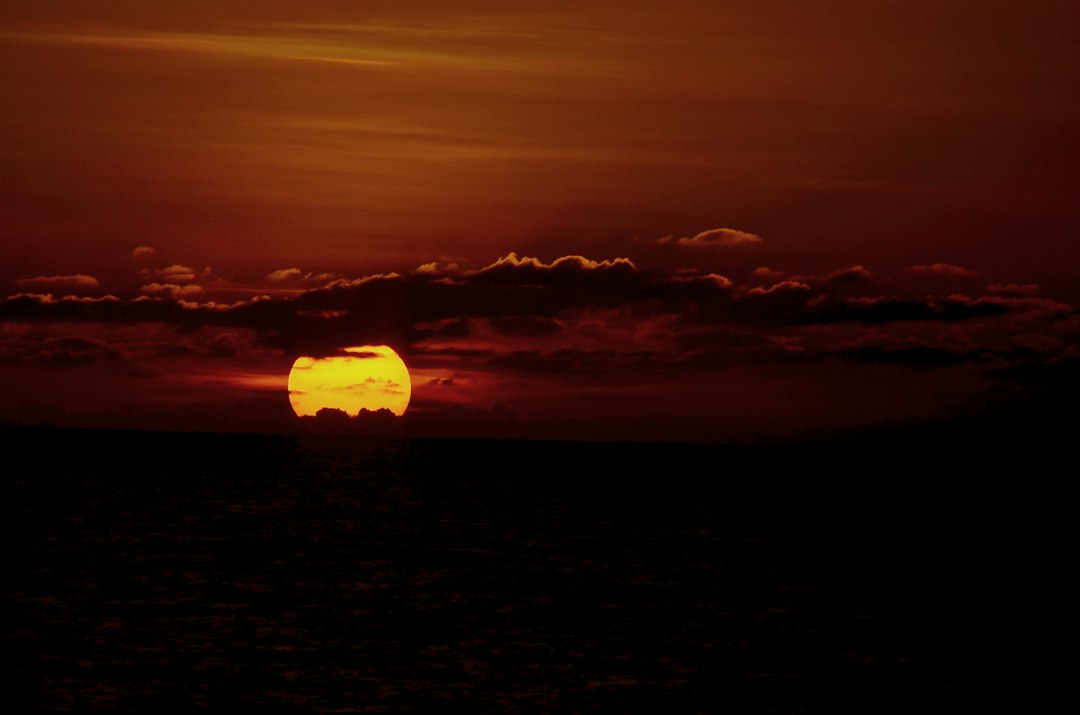
Photo by Hassan Maayiz on Unsplash
The Magic Hour: Why Cinematographers Chase Golden Hour Light
Every cinematographer knows the math: roughly sixty minutes after sunrise and sixty minutes before sunset, natural light transforms. Shadows lengthen, contrast softens, and everything takes on a warm amber glow that no lighting package can perfectly replicate. This window—called magic hour or golden hour—is so prized that productions will schedule entire days around it, often at significant cost.
What Makes Golden Hour Light Different
The sun sits low on the horizon during golden hour, which changes both the quality and color of light. Direct overhead sunlight at noon is harsh, creating deep shadows and high contrast that flattens faces and makes exposure difficult. Golden hour light travels through more atmosphere, scattering blue wavelengths and leaving warmer tones. The result is soft, directional light with a natural fill that wraps around subjects rather than blasting them from above.
Cinematographers value this light because it solves problems simultaneously. Skin tones glow without heavy correction. Practicals and ambient sources balance naturally with exterior light, reducing the need for large diffusion frames or artificial fill. The low angle creates modeling and depth that would require carefully placed units to achieve at any other time of day.
The Production Cost of Chasing Magic Hour
Golden hour is fleeting, and that creates pressure. A scene that might take three hours to shoot in controlled studio light must be captured in forty-five minutes outdoors during magic hour. This drives specific production strategies: extensive rehearsal before the light arrives, minimal coverage plans, and sometimes multiple days dedicated to a single sequence if weather or performance doesn’t align.
Terrence Malick built a reputation for this approach, often shooting during magic hour exclusively and letting natural light dictate pacing. Days of Heaven famously extended its production timeline to accommodate this choice, but the result is a visual signature that defines the film. Emmanuel Lubezki has described planning shots around the sun’s position, knowing that a specific angle or lens flare exists for only minutes.
Smaller productions face harder trade-offs. Losing magic hour to a technical problem or a clouded horizon can mean returning another day or accepting a compromise. Some directors schedule golden hour for hero shots only—the moments that define a film’s look—and shoot everything else in more forgiving conditions.
Faking It and Knowing When Not To
Digital color grading can push midday footage toward golden hour tones, and LED panels with amber gels can mimic the warmth. But the directionality and softness are harder to fake. Overhead sun remains overhead sun, no matter the color correction. A convincing golden hour replica requires large diffusion, precisely angled backlights, and often a commitment of time and equipment that rivals simply waiting for the real thing.
Some cinematographers argue that the pursuit of magic hour has become a visual cliché, a shortcut to beauty that flattens storytelling into a single mood. Others see it as a tool like any other—effective when motivated by the scene, distracting when applied arbitrarily. The choice depends on what the image needs to communicate.
Why It Still Matters
Golden hour persists because it delivers a specific emotional register: nostalgia, intimacy, fleeting time. Audiences may not consciously identify the light, but they feel its warmth and impermanence. It signals endings, transitions, and quiet moments in a visual language that has become part of cinematic grammar.
The logistics remain difficult. The light remains irreplaceable. And cinematographers will continue building schedules around those sixty minutes, knowing that some images only exist when the sun cooperates.