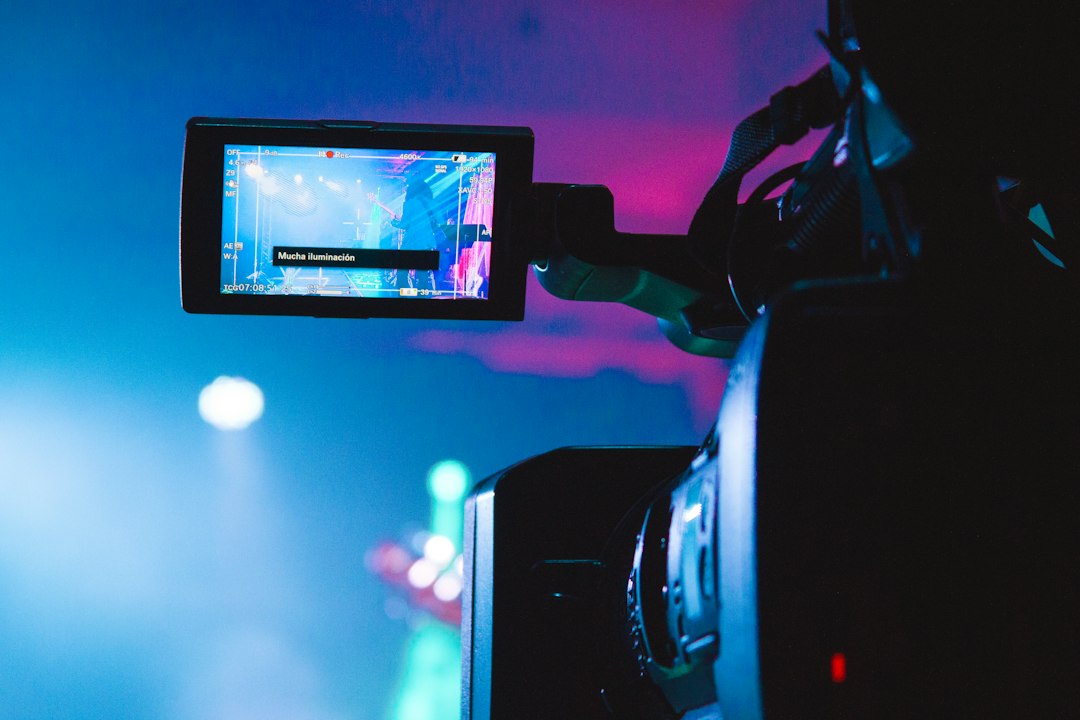
Photo by McCarthy Beckan on Unsplash
Why Movie Timestamps Are Always Visible in Found Footage
Found footage horror and thriller films ask audiences to believe they’re watching raw, unedited camera recordings. Yet nearly every entry in the genre displays a glowing timestamp in the corner of the frame—white or yellow digits ticking away, always legible, never obscured. If you’ve ever recorded video on an actual camcorder or phone, you know this isn’t how real cameras work. So why does found footage cinema cling to this visual convention?
The Timestamp Sells the Conceit
The bright, persistent timestamp exists to constantly remind viewers they’re watching “real” footage. It’s a visual anchor that reinforces the film’s central premise: this isn’t a movie with actors and a script, but documentation recovered after the fact. The timestamp acts as authentication, a watermark of veracity that whispers “this actually happened” every few seconds.
Without that steady stream of date and time information, audiences might slip out of the illusion. The timestamp keeps you locked in the frame of mind that you’re watching evidence, not entertainment.
Real Cameras Don’t Behave This Way
Actual consumer video cameras display timestamps differently depending on mode and situation. Many only show the date and time during playback, not while recording. Others display it briefly when you start recording, then hide it. Professional cameras often don’t embed visible timestamps in the image at all—they store metadata separately.
Even when timestamps do appear during recording, they’re usually smaller, dimmer, and designed not to distract from the image. Phone cameras virtually never show persistent timestamps on screen while shooting. The found footage timestamp is a deliberate, heightened version of reality—more legible and more constant than the real thing.
It Provides Narrative Information
Beyond authenticity, the timestamp serves practical storytelling functions. It tells audiences when events occur, how much time has passed between scenes, and whether footage is being shown chronologically. In films where multiple cameras record simultaneously, timestamps help viewers understand which perspectives they’re seeing and in what order.
This information would be difficult to convey otherwise without breaking the found footage format. Traditional films use title cards, dialogue, or other cues to establish time. Found footage can’t rely on these tools without undermining its core premise, so the timestamp does double duty as both aesthetic device and exposition.
The Format Evolved Its Own Grammar
Found footage has become its own subgenre with established visual language. Just as musicals don’t try to justify why characters suddenly sing, or how an orchestra appears from nowhere, found footage films stopped worrying about explaining every technical detail. The timestamp became part of the genre’s visual vocabulary—a convention audiences accept without scrutiny.
Early found footage films may have worked harder to justify their recording circumstances. But as the format matured, filmmakers realized audiences would grant certain allowances. The bright timestamp earned its place as a genre trademark, like shaky cam or night-vision green. It’s less about realism than about signaling what kind of film you’re watching.
When Filmmakers Break the Rule
Some found footage films deliberately omit or minimize timestamps, usually when they want to obscure when events occur or create ambiguity about the footage’s origins. Others use timestamps strategically, making them flicker or glitch during supernatural events to suggest the entity affecting the recording itself.
These variations work precisely because the timestamp convention is so established. When it disappears or behaves strangely, audiences notice immediately—proving how much the format has trained us to expect that steady, bright clock in the corner, ticking away while terror unfolds.