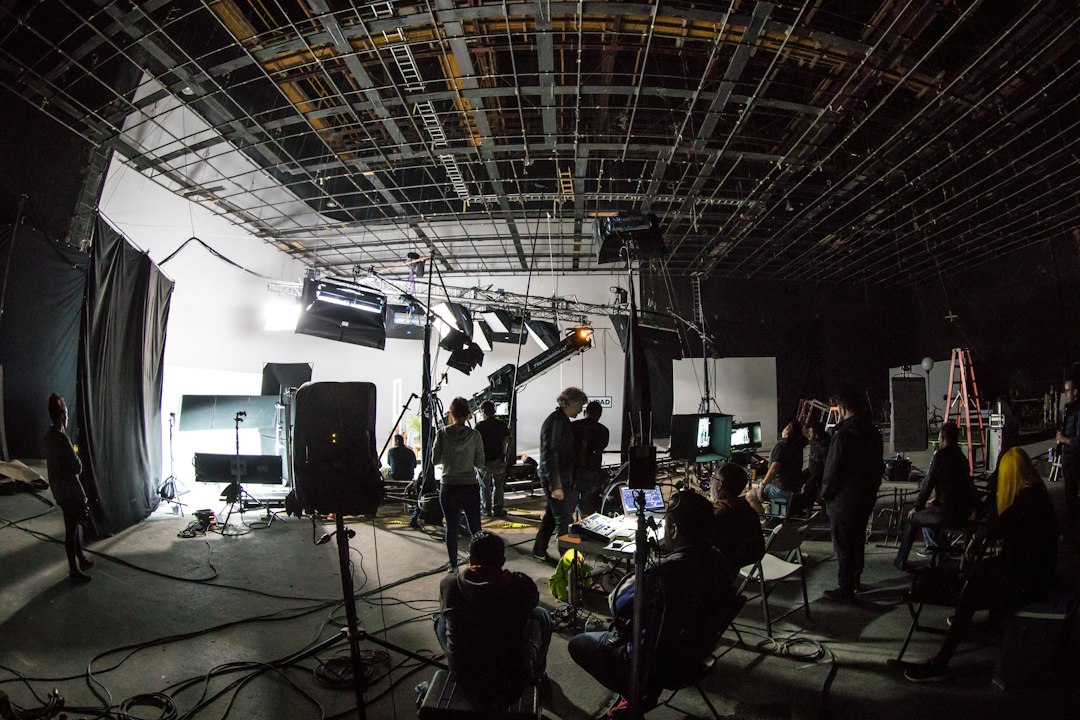
Photo by Brands&People on Unsplash
Pre-Lighting: Why Film Sets Light the Scene Before Actors Arrive
When actors walk onto a film set ready to perform, the lights are already in place. The glow feels natural, the shadows fall exactly where they should, and the camera is positioned to capture the moment. What looks effortless is the result of hours of work that happened before anyone said a word of dialogue. This advance preparation is called pre-lighting, and it’s one of the most practical techniques in professional filmmaking.
The Basic Workflow
Pre-lighting means exactly what it sounds like: the cinematography team sets up and tests all the lighting for a scene before the actors are called to set. The director of photography works with the gaffer and crew to place lights, adjust intensity, shape shadows, and fine-tune color temperature—all with stand-ins occupying the actors’ positions. By the time the principal cast arrives, the lighting is ninety percent finished, requiring only minor tweaks for height differences or last-minute blocking changes.
This approach flips the traditional assumption that lighting happens in real time. Instead of making actors wait while crew members climb ladders and reposition equipment, the technical groundwork is done in advance. The actors arrive, rehearse briefly, and start shooting.
Why It Saves Time and Money
Film production runs on strict schedules, and A-list actors command premium day rates. Every minute an actor spends waiting on set costs money. Pre-lighting compresses the technical setup into a window when only crew members are present, freeing the shooting schedule to focus on performance.
Smaller productions benefit just as much. Even when working with non-union actors or modest budgets, pre-lighting allows directors to maximize shooting time. A scene that might take three hours to light and shoot can be reduced to ninety minutes of actual filming if the lighting is handled beforehand.
How It Shapes Creative Decisions
Pre-lighting also changes how cinematographers approach a scene. Because the lighting must be designed before anyone performs, the DP relies on blocking plans, shot lists, and storyboards to anticipate where actors will move and how the camera will follow. This forces disciplined preparation—the kind that prevents hasty compromises during production.
Stand-ins become critical to this process. They occupy the frame while the lighting team works, allowing the DP to see exactly how light wraps around a face, how far a key light reaches, and whether a backlight creates the right separation from the background. Good stand-ins match the height and general build of the actors they represent, ensuring the lighting translates accurately when the real performers step in.
When Pre-Lighting Isn’t Possible
Not every scene can be pre-lit. Location constraints, weather-dependent exteriors, or documentary-style shoots often require reactive lighting. Some directors prefer a looser workflow where blocking evolves organically during rehearsal, making pre-set lighting impractical. In those cases, the lighting team works in parallel with the actors, adjusting on the fly.
But for narrative filmmaking with planned coverage, pre-lighting is standard practice. It’s invisible to audiences, yet it structures the rhythm of production. The discipline it requires—thinking ahead, committing to a visual plan—produces better results than scrambling to light a scene while everyone waits.
The Hidden Craft
Pre-lighting is one of those techniques that distinguishes professional film production from amateur work. It’s not glamorous. It doesn’t show up in behind-the-scenes footage. But it’s the reason a director can focus on performance instead of wondering why the shot doesn’t look right, and why a cinematographer can execute a visual idea instead of improvising under pressure. The best filmmaking often happens because someone did the invisible work hours before the camera rolled.