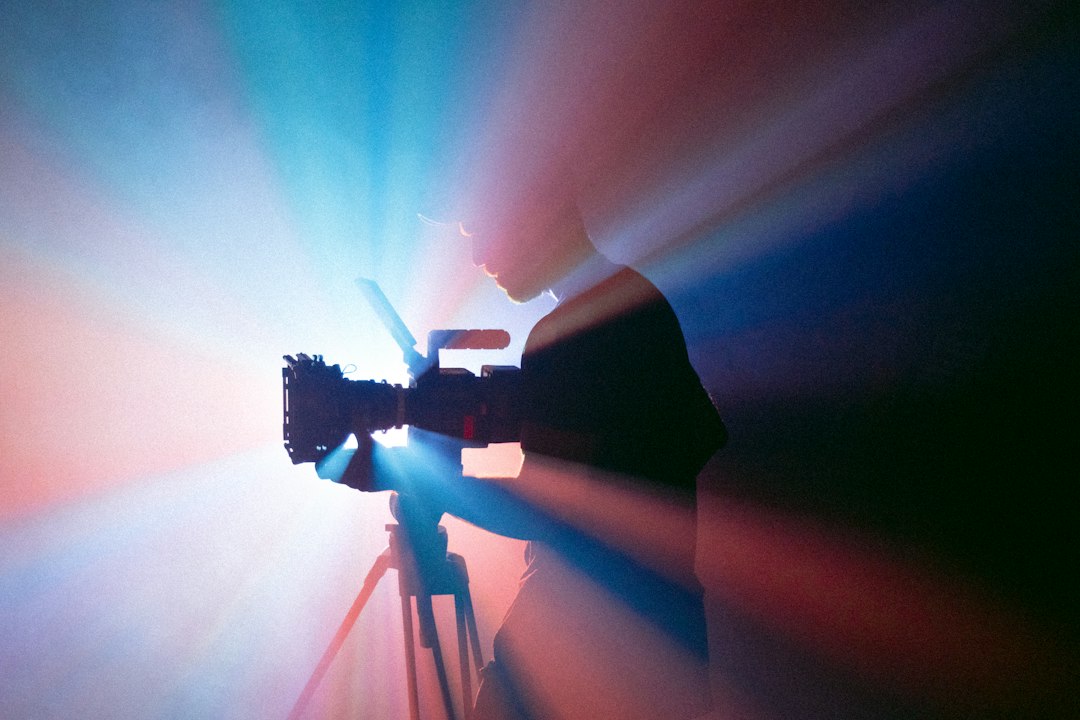
Photo by Jakob Owens on Unsplash
The Long Take: Why Filmmakers Refuse to Cut
Cutting is the default grammar of cinema. Shot, reverse shot, cutaway, insert. Editors and directors build meaning through the collision of images, and most of the time an audience never consciously registers a cut at all. So when a filmmaker decides to hold a single shot for two minutes, five minutes, or an entire scene without cutting away, it’s a deliberate rejection of that grammar. The long take asks a different question: what happens when you don’t get to hide anything?
What a Long Take Actually Does
A cut lets a filmmaker control time and attention with surgical precision. Skip the boring part, jump to the reaction, hide the seam between a stunt double and the star. A long take removes that safety net. Everything has to happen in the frame, in real time, in one continuous performance from the actors, the camera operator, the lighting, and often a moving set of extras or vehicles that all have to hit their marks in sync.
That constraint is exactly why the technique reads as impressive. Duration becomes evidence. When a camera follows a character down a hallway, into an elevator, through a lobby, and out onto a street without cutting, the audience isn’t just watching the scene, they’re watching the logistics of the scene succeed in front of them. There’s no editing trick available to fake that kind of choreography. The tension of “will this go wrong” is baked into the viewing experience even if nobody articulates it that way.
Long takes also change the relationship between story time and screen time. A cut can compress hours into seconds. An unbroken shot forces the audience to sit inside real duration, which is why the technique shows up so often in scenes about anxiety, dread, or physical endurance. If a character is trapped, exhausted, or running out of options, denying the audience an escape valve of a cut mirrors that entrapment.
The Craft Underneath the Camera
Executing a long take is as much a choreography problem as a photography one. Blocking has to account for every actor’s path, every light source the camera might swing past, every prop that needs to be handed off or picked up at a precise moment. A boom operator has to stay out of frame while chasing dialogue across a moving camera. Focus pullers have to rack focus by feel, often without monitors showing them what the lens sees in real time on set.
This is why long takes are frequently rehearsed for days before they’re shot, and why a single take can require dozens of attempts. Any mistake, a missed line, a light flare, an actor drifting off their mark, means starting over from the beginning rather than just re-shooting a few seconds of footage. The math of the technique rewards precision and punishes improvisation, which is part of why it has historically been treated as a flex, a way for a director to signal command over every department on set simultaneously.
Digital stabilization rigs and lightweight cameras have made long takes more achievable than they were in the era of heavy film cameras tethered to dollies and cranes. Some modern examples are stitched together from multiple takes with hidden digital seams rather than shot as one continuous roll of film. That doesn’t make the illusion less impressive to watch, but it does mean the “one unbroken shot” claim is sometimes more about the final effect than the literal production process.
Why It Still Works on Audiences
Even viewers who couldn’t name the technique tend to feel something shift when a scene refuses to cut. There’s a kind of held breath quality to it, a sense that the film is showing its work. In a medium built on the illusion of seamlessness, the long take draws attention to just how much control filmmaking normally hides, and then dares to give some of that control up in full view of the audience.