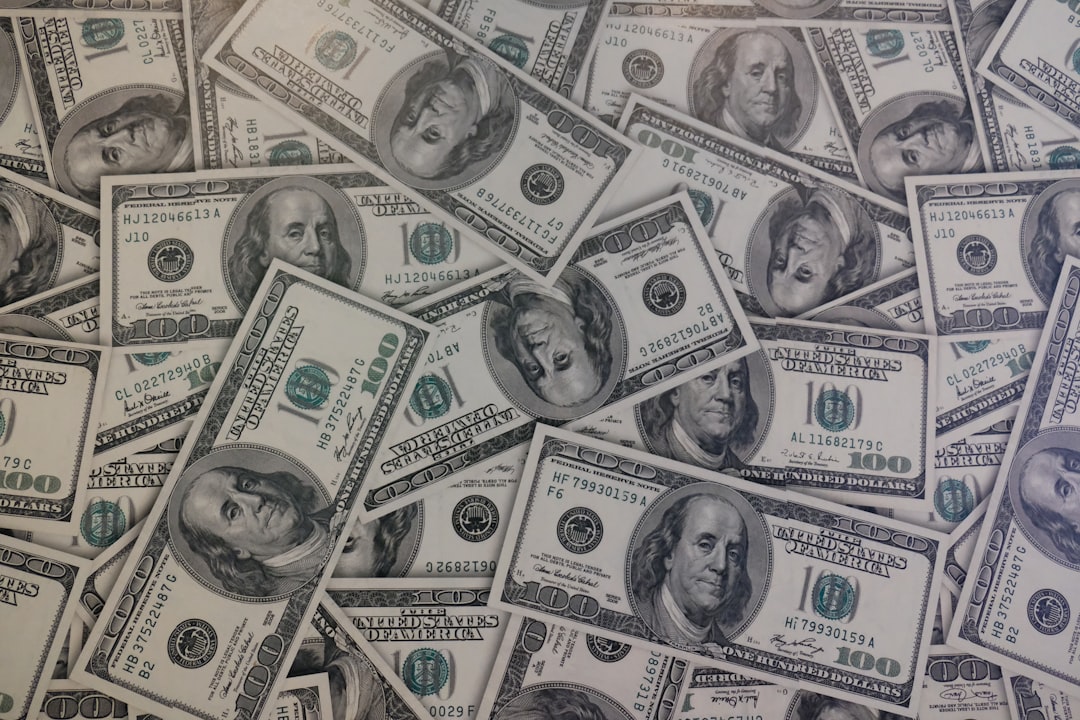
Photo by Mackenzie Marco on Unsplash
Why Movie Money Looks Fake: Prop Currency and Legal Constraints
If you’ve ever watched a crime thriller or heist film and noticed that the cash looks slightly off—oversized bills, unusual colors, or text that reads “MOTION PICTURE USE ONLY”—you’re not imagining things. Movie money is deliberately designed to look fake, and the reason has everything to do with federal law.
The Legal Framework
In the United States, the Secret Service enforces strict regulations on prop currency. Under Title 18, Section 474 of the U.S. Code, reproducing currency is illegal unless specific conditions are met. Prop money must either be significantly larger or smaller than real bills (at least 150% or no more than 75% of actual size), printed on one side only, or clearly marked as fake.
These rules exist because realistic prop money has a history of escaping film sets and entering circulation. Production companies need thousands of bills for briefcase scenes, bank vault shots, or cash-strewn poker tables, and even a small percentage making it into the real world creates a counterfeiting problem.
The Compromises Filmmakers Make
Because of these restrictions, prop houses and production designers have developed workarounds. Most prop money features altered portraits, modified serial numbers, and text identifying it as fake. The bills might have the right general color scheme and layout, but the details are always wrong.
For close-up shots where the fakeness would be too obvious, filmmakers use real currency and track every bill. A production assistant literally counts and logs the cash before and after each take. This approach works for small amounts, but becomes impractical when a scene requires a duffel bag stuffed with hundreds.
Some productions split the difference: real bills on top of the stack where the camera will see them, fake bills underneath as filler. It’s a practical solution, but it requires careful framing and blocking to avoid revealing the deception.
The Visual Tell
Once you know what to look for, movie money becomes impossible to unsee. The paper often has a different texture or sheen. The green ink might be too bright or too dull. Wide shots of cash piles frequently look oddly uniform, lacking the natural variation of real currency that’s been in circulation.
Certain prop manufacturers have become go-to sources for the industry precisely because their fake money photographs well from a distance while still meeting legal requirements. The art is in finding the balance: fake enough to be legal, real enough to be convincing.
Digital Solutions
Modern filmmaking has added another option: digital cash. VFX artists can replace prop money in post-production, painting realistic currency details over deliberately fake bills shot on set. This is expensive and time-intensive, so it’s typically reserved for shots where prop money would be too obvious—extreme close-ups of cash being counted, for instance, or slow-motion sequences where every detail is visible.
Some productions now shoot entirely with blank paper or clearly marked fake bills, planning from the beginning to replace everything digitally. This eliminates legal risk but adds significant post-production costs.
The Double Standard
Interestingly, foreign currency faces fewer restrictions in American productions. Filmmakers shooting scenes with euros, pesos, or yen have more flexibility because U.S. law primarily concerns itself with counterfeiting U.S. dollars. This has led to some productions setting stories abroad partly to avoid the hassle of managing prop dollars under Secret Service scrutiny.
The fake-looking money you see in films isn’t a failure of the production design department. It’s a legal necessity, a compromise between the demands of visual storytelling and the reality of counterfeiting law. That slightly off-color stack of hundreds in the briefcase? It’s following the rules.