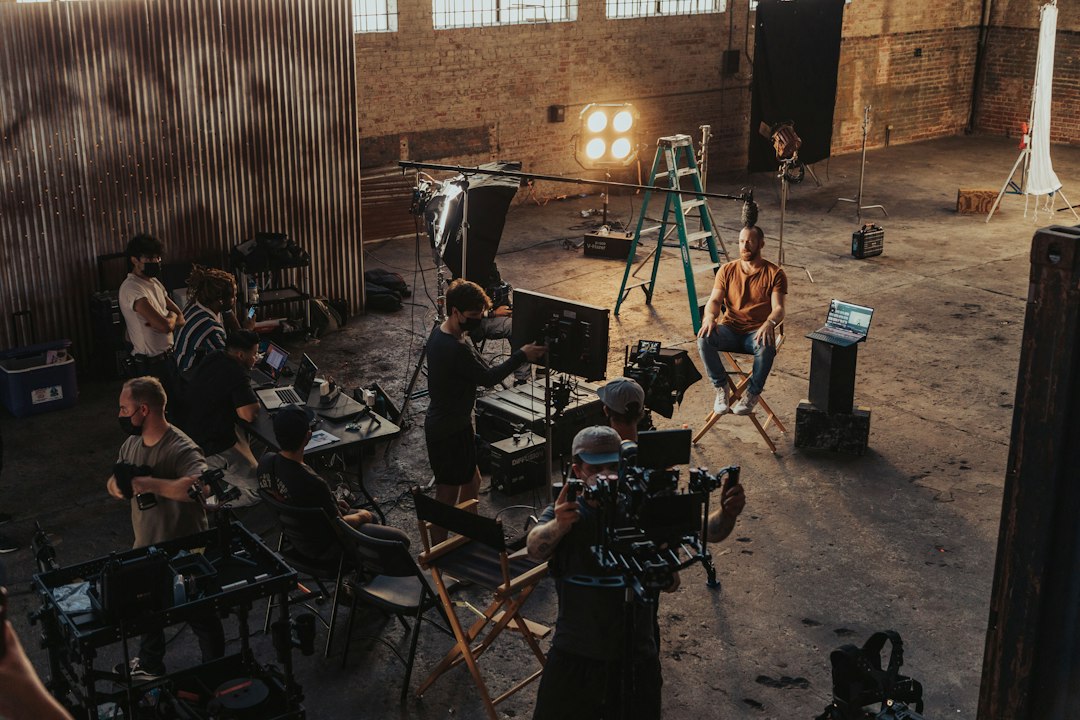
Photo by Jakob Owens on Unsplash
Why Film Sets Use "Last Looks" Before Action
On a film set, just before the director calls action, you’ll often hear a different phrase first: “Last looks.” It’s the final chance for hair, makeup, and wardrobe to step in and make adjustments before the camera rolls. What might seem like a brief cosmetic pause is actually a crucial ritual that protects continuity, performance, and budget.
The Mechanics of Last Looks
Once blocking is set and the camera department has locked focus, the first assistant director calls for last looks. Department heads—usually hair, makeup, and costume—rush into frame. They check for stray flyaways, blot shine, adjust a collar, or smooth a wrinkle. The window is tight, often fifteen to thirty seconds. Once they step out, the set goes quiet, and the director calls action.
This happens before nearly every take. Even if the previous take was perfect, an actor might have touched their face during reset, or wind might have shifted a piece of hair. Last looks catches those micro-changes before they become continuity errors in the edit.
Why Continuity Depends on It
Film scenes are shot out of order and across multiple takes. A conversation that plays as two continuous minutes on screen might be assembled from a dozen separate shots filmed hours apart. If an actor’s shirt collar is up in the wide shot and down in the close-up, the editor has a problem. Last looks is the checkpoint that keeps those details aligned.
The stakes rise with longer scenes or complex action. A fight sequence might require twenty setups over two days. Hair and makeup need to preserve the exact state of sweat, bruising, and dishevelment from shot to shot. Without last looks, even small inconsistencies compound into unusable footage.
The Performance Buffer
Last looks also gives actors a beat to reset. Between takes, they might have been joking with crew or discussing a line change. That final moment of quiet after last looks signals the transition back into character. The set hushes, the actor finds their mark, and the emotional or physical state required for the scene clicks into place.
For performers doing intense emotional work, that buffer matters. It’s the difference between jumping cold into a breakdown and having a few seconds to breathe and center. The ritual itself becomes a psychological cue.
When Last Looks Gets Skipped
On low-budget shoots or run-and-gun documentary work, last looks might be condensed or dropped entirely. Guerrilla filmmakers shooting without permits don’t have time for department heads to step in before every take. The trade-off is accepted risk: you fix continuity in post, shoot around problems, or live with imperfections that would never pass on a studio production.
Even on major films, some directors minimize last looks during long takes or oners where the momentum of performance outweighs minor cosmetic drift. But those are calculated exceptions. The default remains: before you commit the take to film or card, give the people responsible for visual consistency one last chance to get it right.
A Small Ritual With Large Consequences
Last looks is invisible to audiences, but its absence shows up immediately in the edit bay. It’s the kind of on-set discipline that separates polished work from footage that falls apart under scrutiny. A few seconds per take, multiplied across hundreds of setups, becomes the difference between a scene that cuts together seamlessly and one that fights you at every transition.
The phrase itself has become shorthand for readiness. When a director calls for last looks, everyone knows: the next moment is the one that counts.