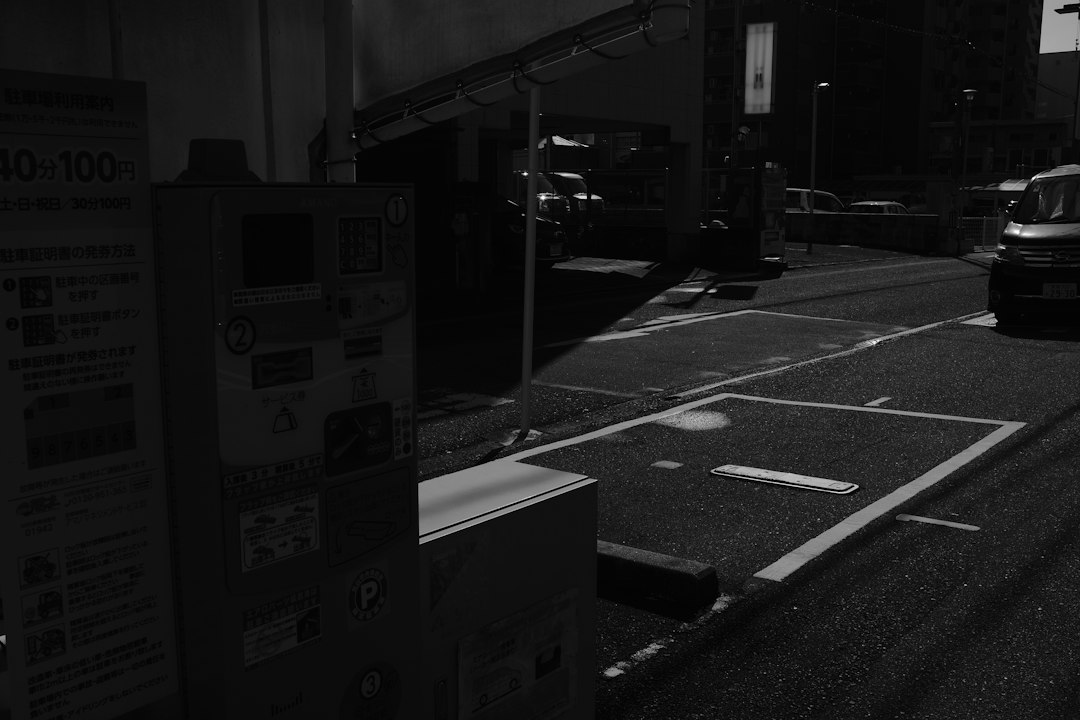
Why Movie Characters Always Find Parking Spots
Watch almost any film set in a busy city and you’ll notice something absurd: characters pull up directly in front of their destination, slide into an open spot, and step out without a second thought. No circling the block. No parking garages. No walking three streets over because that was the closest available space.
It’s one of cinema’s most universal lies, and audiences accept it without question.
The Narrative Economy of Time
Film operates under constant pressure to compress time. A two-hour movie might span days, weeks, or years, and every scene must justify its place in that limited runtime. Showing a character hunt for parking adds nothing to the story while actively draining momentum.
The parking spot convention is part of a broader agreement between filmmakers and viewers: we skip the boring parts. Characters don’t sit in traffic unless the traffic itself matters to the plot. They don’t wait for elevators unless something significant happens during the wait. And they don’t struggle with mundane logistics unless those logistics become obstacles worth dramatizing.
This principle of narrative economy explains why movie characters rarely use the bathroom, almost never grocery shop, and can always hail a cab in the rain during rush hour.
When Parking Becomes the Point
The rule breaks down when searching for parking is the story. A romantic comedy might use a frustrating parking hunt to force two characters into conversation. A thriller could build tension as a getaway driver circles desperately with time running out. In these cases, the parking struggle earns its screen time by serving character development or plot mechanics.
But these moments work precisely because they violate our expectations. We’re so accustomed to instant parking that when a film forces a character to deal with it realistically, the friction itself becomes meaningful.
The Geography of Movie Cities
This convention also reveals how film creates its own version of urban space. Movie cities are compressed, idealized versions of real places where distances shrink and infrastructure bends to narrative needs. Apartments are impossibly large. Commutes take no time. And yes, parking materializes exactly when needed.
These geographic liberties aren’t laziness—they’re design choices. Filmmakers construct a world legible enough to feel real but streamlined enough to maintain pace. The goal is verisimilitude, not documentary accuracy.
The Invisible Contract
What makes this convention fascinating is how invisible it remains. Most viewers never consciously notice the abundance of convenient parking because we’ve internalized the rules of screen time. We understand instinctively that film shows us the important parts and elides the rest.
This unspoken contract extends beyond parking. Characters summarize phone conversations instead of playing them in real time. Meals in restaurants get interrupted before anyone finishes eating. Protagonists walk into offices and immediately see the person they need, without receptionists or waiting rooms.
When Realism Intrudes
Occasionally a filmmaker will deliberately violate this convention for effect. A character might struggle to parallel park to establish incompetence or anxiety. An action sequence might hinge on the lack of available spaces, forcing the hero to abandon a vehicle illegally or double-park while alarms blare.
These moments stand out because they reintroduce friction that cinema normally eliminates. The sudden injection of real-world annoyance can be comic, humanizing, or tension-building depending on context.
The Functional Lie
The perpetually available parking spot is film grammar made visible. Like the way characters always catch each other before hanging up the phone or how conversations happen in improbably empty coffee shops, it’s a functional lie that keeps stories moving.
And we accept it gladly. Because nobody wants to watch two minutes of parallel parking when there’s a story to tell.