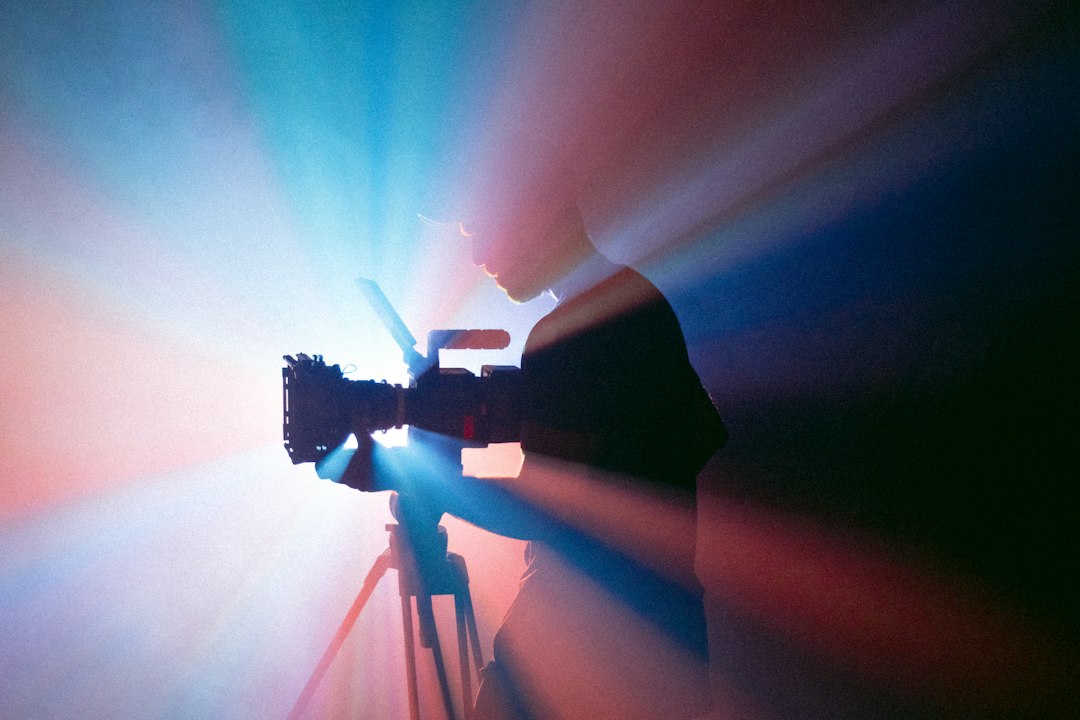
Photo by Jakob Owens on Unsplash
Why Directors Shoot Coverage: The Insurance Policy of Film Production
On a film set, “shooting coverage” means capturing a scene from multiple camera angles and framings—wide shots, over-the-shoulder singles, close-ups, inserts, and reactions—so the editor has options when cutting the sequence together. It’s one of the most fundamental production practices in narrative filmmaking, and it exists as both creative strategy and insurance policy.
The Safety Net
Coverage protects the film from the unexpected. An actor might deliver their best performance in take three of the wide shot but stumble in the close-up. A line reading might sound flat in one angle but land perfectly in another. Continuity errors, focus issues, unwanted reflections, and crew shadows can all render a take unusable. When you have coverage, you can cut around the problem. Without it, you may have no usable scene at all.
This is why first-time directors are told to shoot coverage religiously. The advice isn’t about lack of vision—it’s about survival. Until you’ve spent weeks in the editing room discovering that a scene you thought was perfect on set simply doesn’t work, you won’t fully understand the value of having alternate angles and sizes to work with.
The Editorial Advantage
Coverage also gives editors room to shape performance and rhythm. A reaction shot can be lifted from take two and dropped into take seven. A pause can be extended or compressed by cutting to a different angle. The editor becomes a second storyteller, able to tighten pacing, shift emphasis, or even change the meaning of a scene by choosing which angle to favor and when to cut.
The shot-reverse-shot pattern—the bread and butter of dialogue scenes—relies entirely on coverage. You shoot the entire conversation from one actor’s perspective, then flip the camera and shoot it again from the other side. In the edit, you weave the two angles together, creating the illusion of simultaneity and giving the audience access to both faces, both reactions, in the same moment.
The Cost of Over-Coverage
But coverage comes with a price. Shooting a scene from five angles instead of two takes time—time to relight, reframe, reload, and repeat performances. On a tight schedule, excessive coverage can mean fewer setups per day, less energy left for the scenes that matter most, and actors who grow tired of delivering the same lines over and over.
Some directors solve this by building coverage into the shot itself: using a Steadicam to move fluidly between wide and close framings, or choreographing blocking that lets them capture multiple characters in dynamic relationship within a single take. This approach demands more rehearsal and technical precision, but it can yield footage that feels more alive and spatially coherent than traditional cutting between static angles.
When Directors Skip Coverage
Confident directors sometimes shoot only what they plan to use. They know the edit in advance and don’t waste time capturing angles they’ll never cut to. This method is faster and more decisive, but it requires absolute clarity of vision and a willingness to live with the consequences. If the footage doesn’t work in the edit, there’s no plan B.
The masters of this approach—directors like Hitchcock, who famously storyboarded every shot—understood coverage in reverse. They shot exactly what they needed because they had already built the edit in their heads. For most filmmakers, though, coverage remains the sensible middle path: shoot enough to protect the story, but not so much that you drown in options.
The Hidden Creative Upside
Ultimately, coverage isn’t just protection—it’s potential. A scene that feels one way on set can reveal itself differently in the editing room. An angle you thought was a throwaway might become the emotional anchor. A close-up you almost skipped might be the moment that makes the audience cry. Coverage keeps those possibilities alive. It’s the filmmaker’s way of leaving room for discovery, even after the cameras stop rolling.