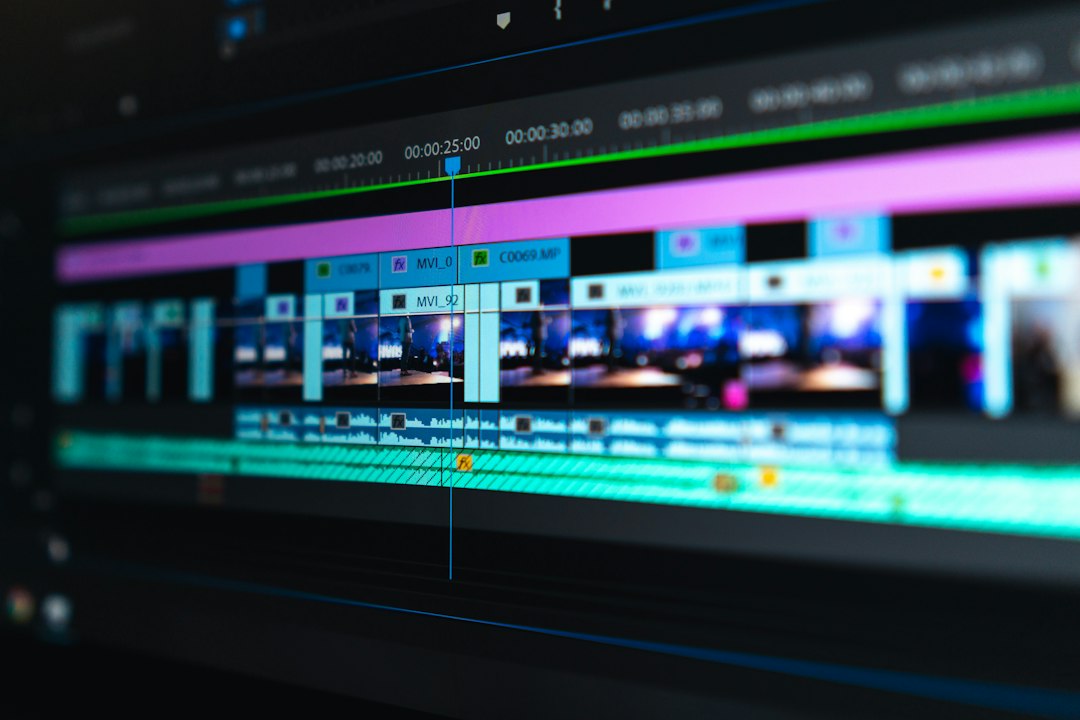
Photo by Peter Stumpf on Unsplash
Why Movie Trailers Show the Best Scenes
Every few months, a new trailer drops and the complaint surfaces again: “They just showed the entire movie.” A comedy reveals its funniest gag. An action film burns through its biggest stunt. A thriller teases a third-act twist. It feels like sabotage, but it’s strategy—and the logic behind it runs deeper than marketing incompetence.
The Awareness Problem
Studios aren’t trying to ruin the movie. They’re trying to get people to know it exists. In a release calendar crammed with dozens of films every month, the first job of a trailer isn’t to preserve mystery—it’s to break through. A withheld moment might protect the viewing experience, but it won’t matter if no one shows up.
That’s why trailers front-load spectacle. The goal is to stop the scroll, win the thumbnail, and make someone who’s never heard of the film remember it long enough to buy a ticket. A two-second image of a practical explosion or a perfectly timed joke does that work better than mood and restraint. The trailer has to justify itself immediately, and Hollywood has decades of data showing that big moments move the needle.
Spoilers Don’t Work the Way We Think
There’s also a less intuitive reality: for most audiences, knowing what happens doesn’t ruin the experience. A widely cited psychology study found that readers enjoyed short stories more when they knew the ending in advance. The mechanism isn’t about surprise—it’s about anticipation and recognition. Watching a great scene unfold with context often deepens appreciation rather than deflating it.
This applies to trailers. When you see a polished set piece in a preview, you’re not watching the scene itself—you’re watching a fragment, often stripped of dialogue, story weight, and emotional setup. The full version in the theater still delivers because it’s embedded in character and consequence. The trailer sold you the iconography; the movie earns the moment.
Market Segmentation and Risk
Studios also tailor reveals to the audience they’re targeting. A superhero tentpole might show extensive footage because awareness is already high and the goal is reassurance: yes, it looks expensive, yes, the tone is right, yes, your favorite character is in it. Meanwhile, an indie thriller with no IP and no stars has to play its strongest card immediately, because it might only get one viral tweet’s worth of attention.
For mid-budget releases and genre films without Marvel-scale goodwill, showing the best scene is often the only way to prove the movie is worth two hours and twenty dollars. It’s not a creative choice—it’s survival. Holding back the twist only works if people are already curious.
When Restraint Becomes a Luxury
Filmmakers and editors often push back internally, advocating for mystery and room to breathe. But those arguments carry weight only when the film has cultural momentum or a director brand strong enough to sell on aura. Christopher Nolan can drop a tone poem with three cryptic shots. A horror sequel from a first-time director can’t.
That’s why A24 and Neon—distributors known for marketing restraint—tend to work with films that have festival buzz, word-of-mouth, or auteur cachet. The strategy isn’t replicable at scale. For most releases, the math is simple: a spoiled scene that gets 10 million views is better than a pristine secret no one hears about.
The Real Trade-Off
The frustration is valid. There’s a real loss when a trailer telegraphs too much, especially in twist-driven narratives or comedies where timing is everything. But the industry isn’t ignoring that loss—it’s pricing it in. The cost of a spoiled gag is weighed against the cost of obscurity, and for most films, the latter is fatal.
Trailers don’t exist to protect the viewing experience. They exist to create one in the first place. The best scenes go in the preview because that’s the exchange: show me why this matters, and I’ll decide if I want the whole thing. It’s not ideal, but it’s the economics of attention.