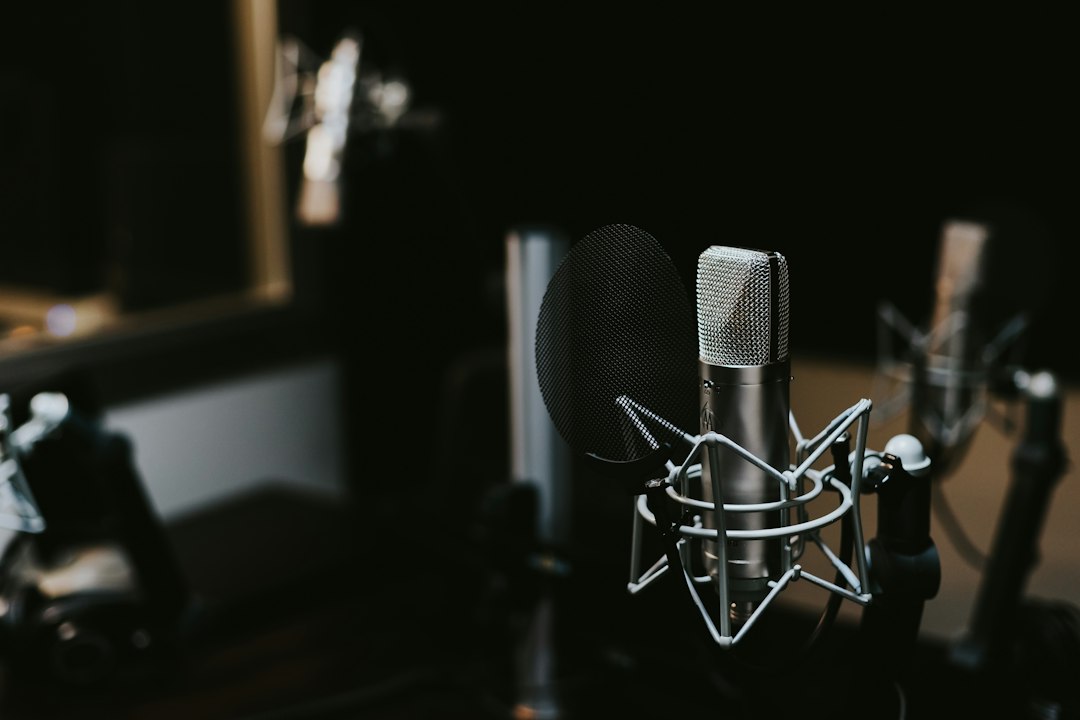
Photo by Jonathan Velasquez on Unsplash
The Secret Life of Movie Dialogue: Why So Much of It Isn't Really There
Watch enough behind-the-scenes footage and you’ll notice something strange: actors on set, delivering a scene, while a boom operator dodges lights and a generator hums somewhere off camera. Now think about how clean that scene sounds in the finished film. That gap between messy reality and polished result is filled by ADR, or Automated Dialogue Replacement, one of the least glamorous and most misunderstood tools in filmmaking.
What ADR Actually Is
ADR is the process of re-recording an actor’s lines in a controlled studio environment after production has wrapped, then syncing that new audio to the picture. The actor watches their own performance on a loop, listens to a guide track of the original on-set audio, and tries to match the timing, breath, and energy of what they did the first time. A sound editor then lines up the new take against the old footage frame by frame.
The term is a bit of a misnomer. There’s nothing automated about it in the modern sense. It used to be called “looping,” because in the days of physical film, editors would cut a short loop of the scene so an actor could watch it repeat over and over while they nailed the line. The name stuck even after the technology changed.
Why On-Set Audio Often Doesn’t Survive
Production sound is a battle against physics. A location might have traffic noise, wind, HVAC systems, or the camera itself whirring nearby. Wide shots put the microphone far from the actor’s mouth, which hurts clarity. Action sequences involve physical exertion that makes dialogue breathy or strained in ways a director might not want in the final mix. Even a great sound recordist can only do so much when a scene is shot on a windy cliffside or next to a highway.
There’s also the matter of performance. A director might love an actor’s physical performance in a take but feel the line reading needs more punch, less mumble, or a different emotional color. ADR gives them a second chance to fix that without reshooting.
The Craft Problem Nobody Talks About
Here’s the catch: re-recorded dialogue almost always sounds different from production audio, even when it’s done well. The room tone is different. The proximity to the mic is different. The actor’s body isn’t moving the same way it did during the original take, which subtly changes breath support and resonance. Sound mixers spend enormous effort disguising these seams, adding room reflections, matching EQ, and blending ADR with the surrounding ambient track so the audience never consciously notices the switch.
When it’s done badly, you feel it immediately, even if you can’t articulate why. Dialogue that sounds slightly too clean, slightly too close, or slightly out of sync with lip movement is almost always a sign of ADR that wasn’t blended carefully. That flat, disconnected quality is sometimes called “looping voice” among sound professionals, and it’s one of the fastest ways a scene can feel artificial without anyone in the audience knowing the technical reason why.
Why It’s More Common Than You’d Think
ADR isn’t a rare fix reserved for disaster scenes. Big-budget productions use it constantly, partly because their sound needs are more demanding, and partly because they can afford the studio time to do it well. Animated films rely on it entirely, since every line is recorded separately from any “on set” performance in the first place. Even prestige dramas with minimal effects often loop a surprising percentage of their dialogue, simply to get cleaner emotional readings once editors see how a scene plays in context.
The next time a movie’s dialogue sounds unusually crisp, or a line hits with more force than the surrounding scene, listen closely. There’s a decent chance you’re not hearing what happened on set at all. You’re hearing what happened afterward, in a dark room, with an actor chasing their own performance one more time.